What energy freight looks like
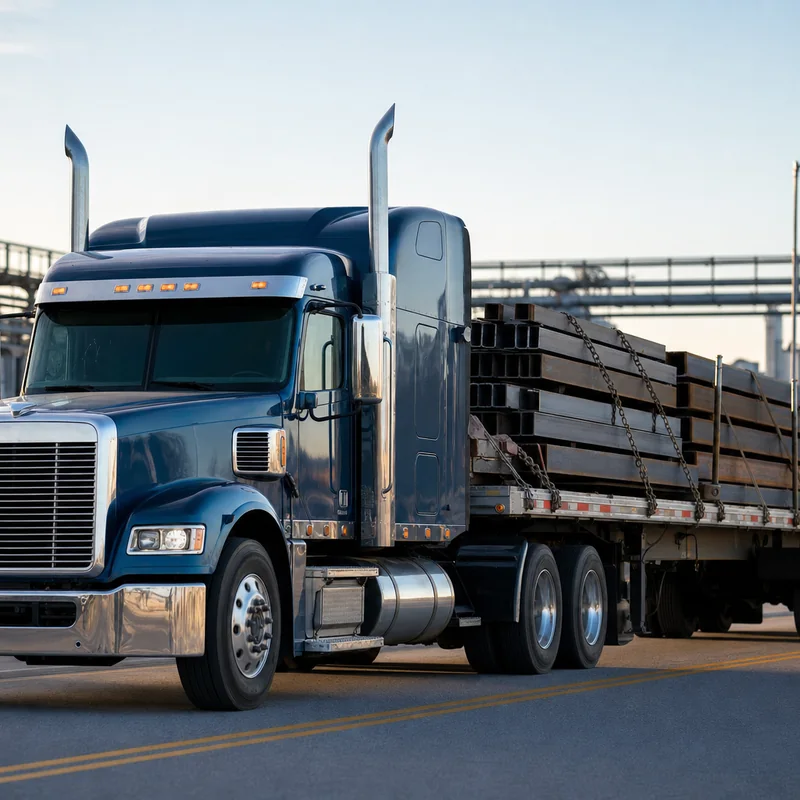
The energy sector ships the extremes. Generation and transmission projects move transformers, turbine components, generators, switchgear and vessels, freight that is massively heavy, dimensionally enormous and irreplaceable on any useful timeline. Around the projects runs the operational flow, meaning pipe, cable, skids and materials on open decks, palletized components and consumables in vans, and the urgent parts that keep plants, fields and renewable sites producing.
Destinations shape everything. Energy sites sit where the resource is, not where the roads are, so deliveries run to remote pads, ridgelines and facilities with security gates, crane schedules and ground conditions that decide what equipment can even arrive.
The pressures on energy shippers
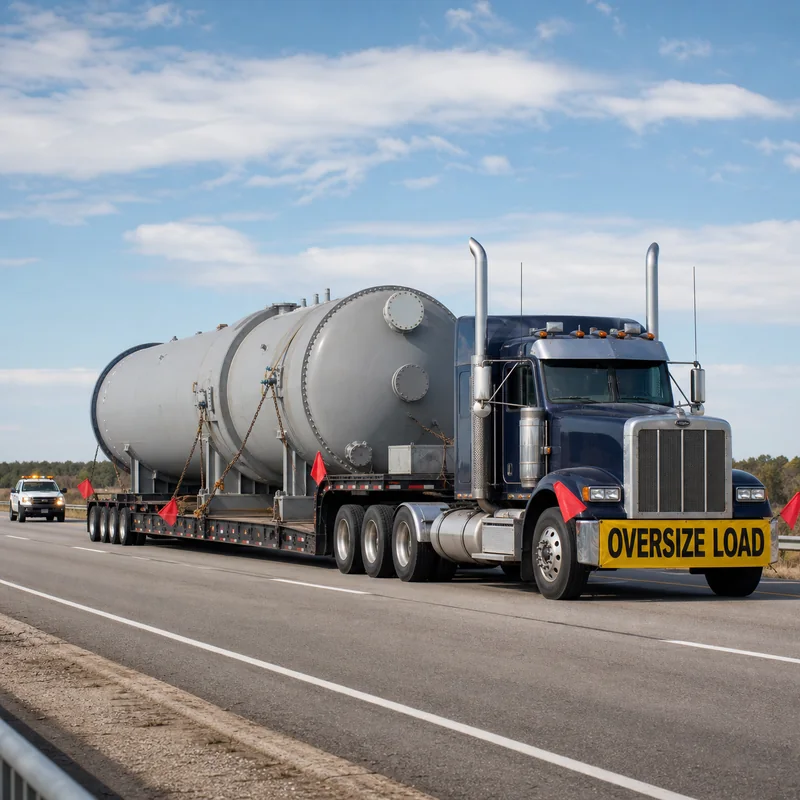
Project freight carries permit physics, since superloads move only on engineered routes, in permitted windows, with escorts where jurisdictions require them, and a single oversized piece can set the schedule for an entire project phase. Outage and downtime pressure runs the other direction, because a planned outage is choreographed to the day and an unplanned one burns money by the hour, making the freight that serves both a race against calendars that do not flex.
Capital exposure ties it together. Energy components concentrate enormous value into single moves with lead times measured in months or years, which makes carrier quality, cargo protection and route engineering matters of project finance rather than freight preference.
How Freight Flex coordinates energy freight
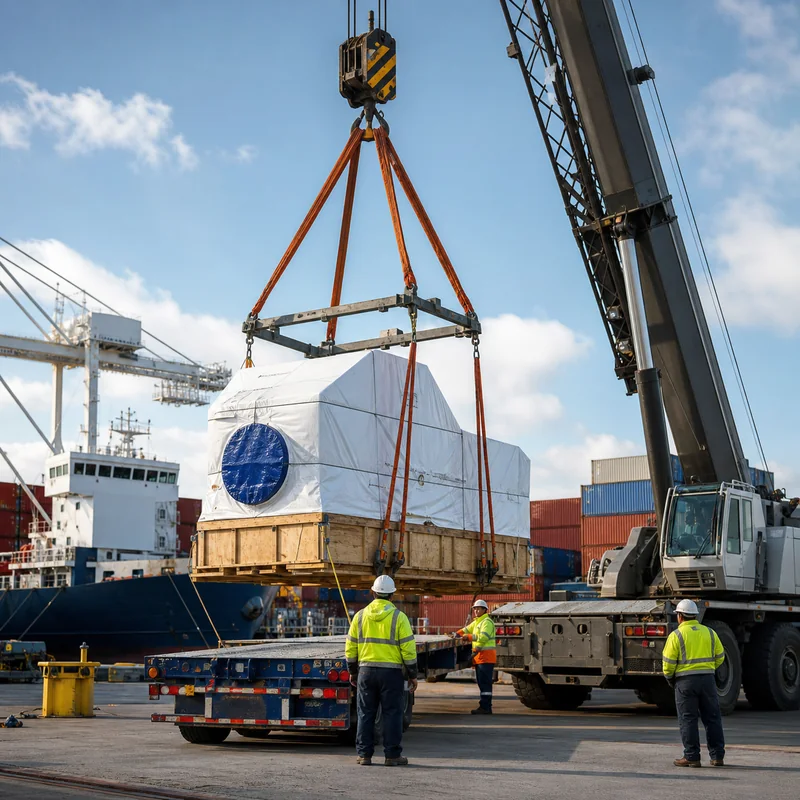
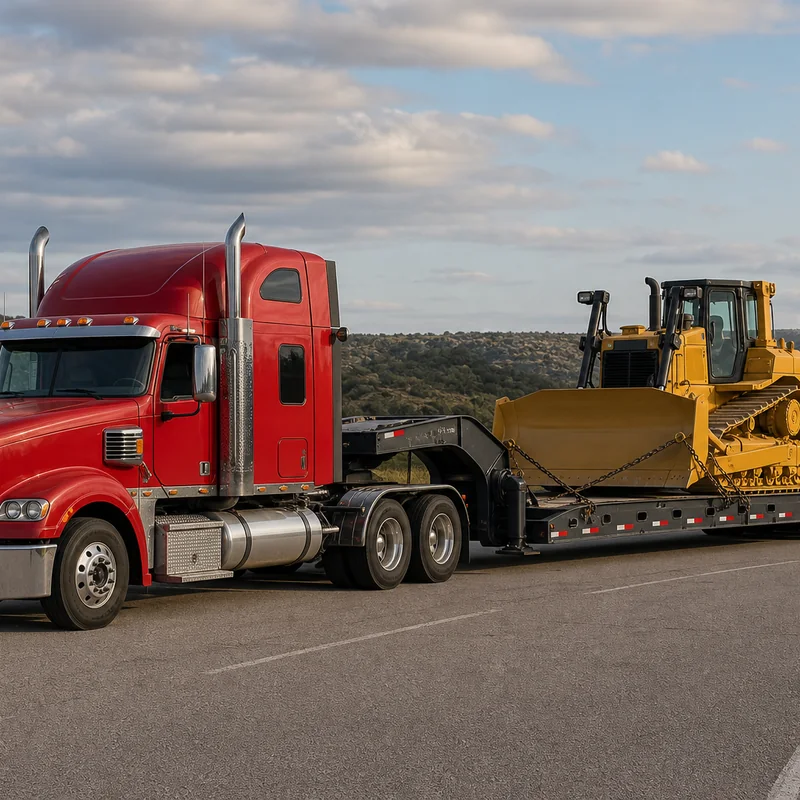
The biggest pieces move through Heavy Haul with surveys, permits, escorts and route planning handled before dispatch, and multi-shipment installations run through Project Cargo coordination that sequences every load against project milestones, including OOG ocean pieces landed through stevedoring partners. Dimension-heavy freight within legal weight rides as Over-Dimensional (OD) loads on specialized trailers, and the daily materials flow moves on Flatbed capacity from more than 25,000 approved open deck carriers.
When a unit is down and a part decides the timeline, Expedited service moves it on dedicated equipment with 24/7 monitoring, and Air Freight coordination adds TSA-certified speed with compliant drivers on the airport legs when the highway cannot make the window.
Protection sized to the cargo
Freight Flex supports energy freight with carrier compliance tools and an agent success team available 24/7, with the VIN verified on every shipment through Highway Load Lock and live tracking in transit. Supplemental cargo insurance is available up to $2,000,000 per shipment beyond standard carrier coverage, and carrier charges are audited immediately after delivery with invoices closed within two business days, so project accounting sees freight costs while the project is still open.