Most competitive for shipments over 1,000 miles
Intermodal earns its advantage with distance. Shipments moving more than 1,000 miles see the strongest savings, since rail carries the expensive miles while trucks handle only the short legs at each end. If your freight can trade a little transit time for a meaningfully lower cost with more predictable pricing, intermodal belongs in the comparison.
Ramp to rail to ramp to door
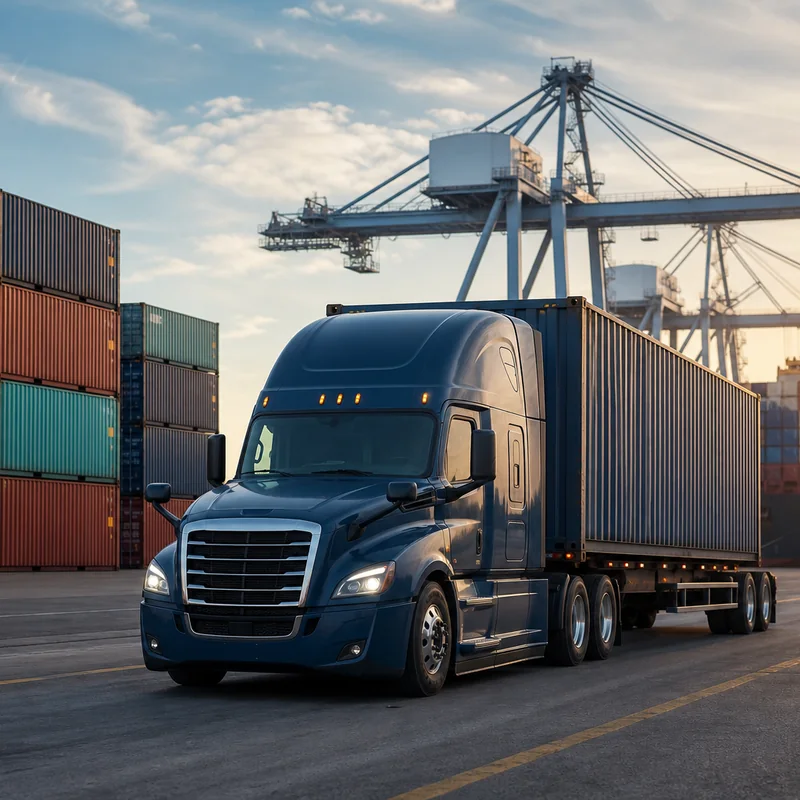
Freight Flex coordinates drayage of the container from the port or origin to the nearest rail ramp, where the container transfers from the truck chassis to a rail car. Cargo moves via rail to the next intermodal ramp, then transfers back to a drayage carrier for final delivery. Standardized transit schedules keep the timeline predictable from the day it books.
Dropped trailers, more equipment, greener miles
Intermodal offers the flexibility of loading and unloading goods in a dropped trailer environment, without a driver waiting at the dock. Shippers gain access to more equipment and standardized transit schedules, streamline reverse logistics for additional savings and move freight in an environmentally friendly way, since rail moves more tons per gallon than the highway.