The pressures on automotive shippers
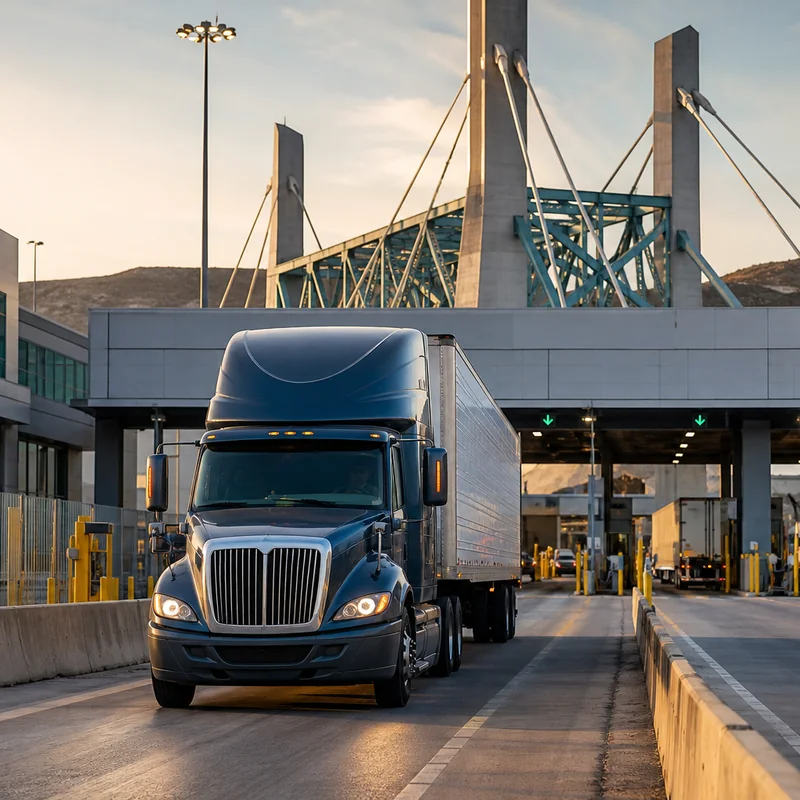
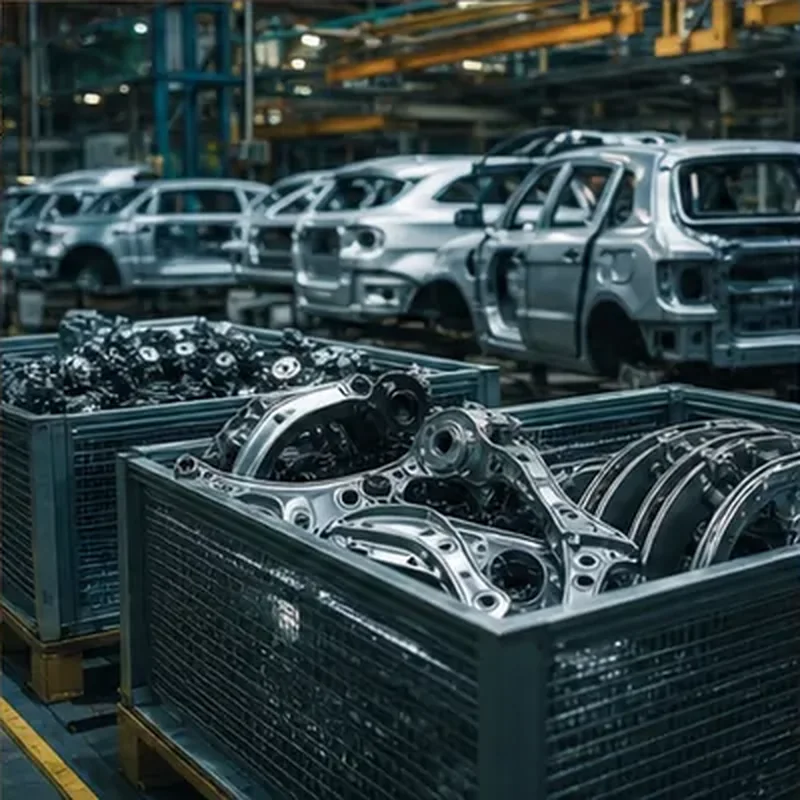
Automotive supply chains operate against production schedules measured in hours. Critical components are often flown into the US to recover shortages, but the clock keeps running after the plane lands. The freight must clear customs, be collected at the airport and move directly to the plant. A delay at any handoff can stop a production line that costs thousands per minute.
How Freight Flex coordinates automotive freight
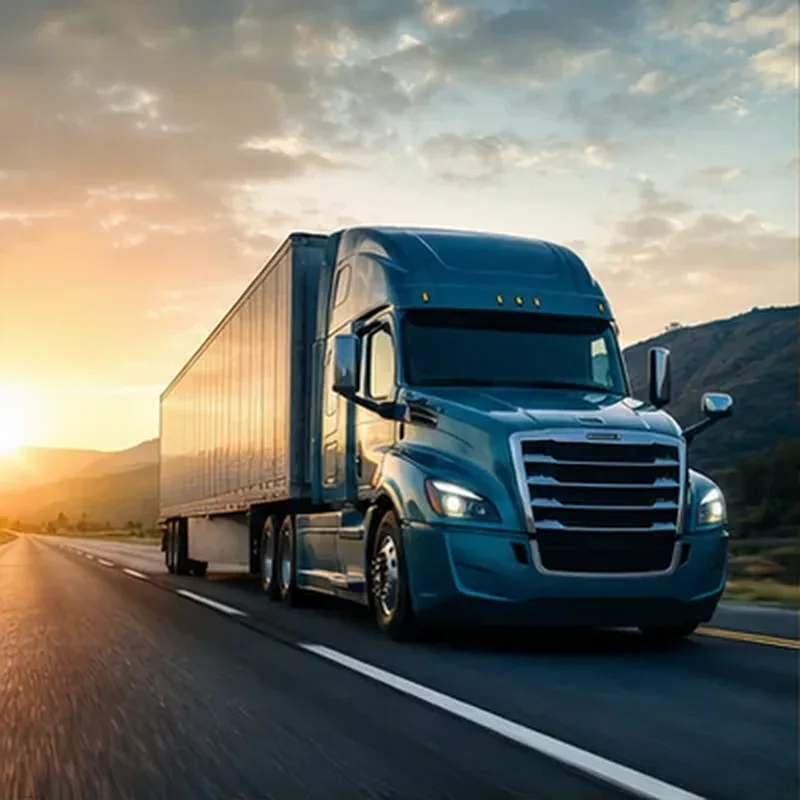
Standing parts flows move as Full Truckload (FTL) across the US and Canada through a network of more than 7,000 qualified carriers, with lanes planned against production schedules rather than pickup convenience. US–Canada volume runs through Cross-Border coordination, with customs requirements and delivery timing planned before departure.
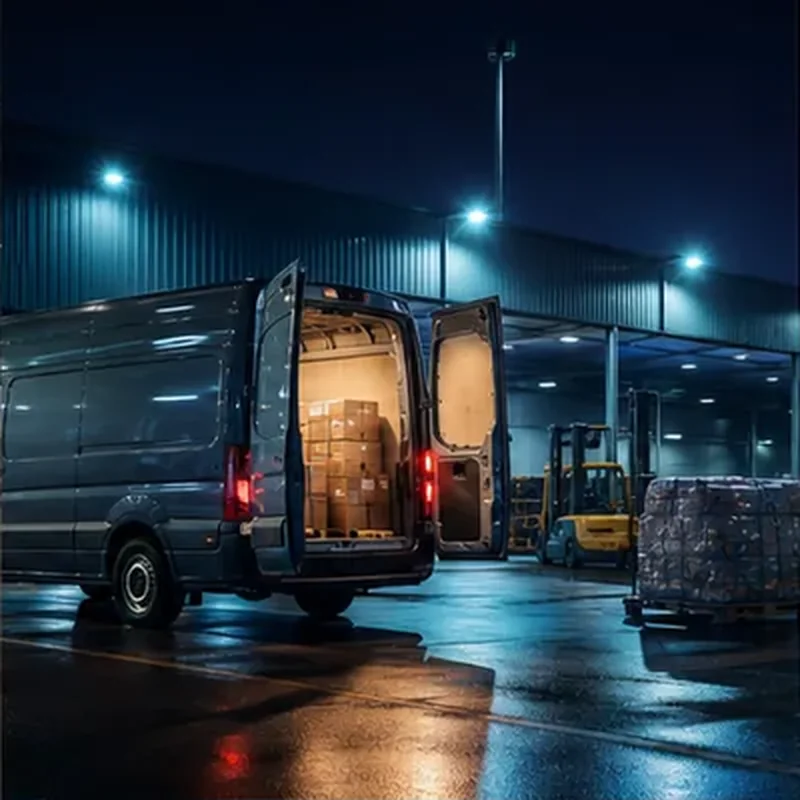
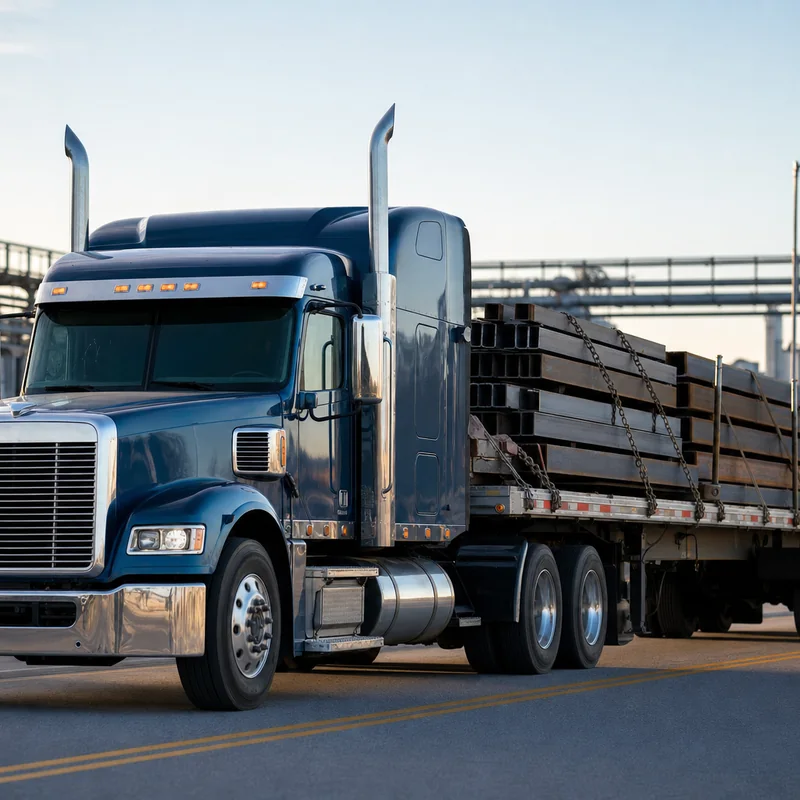
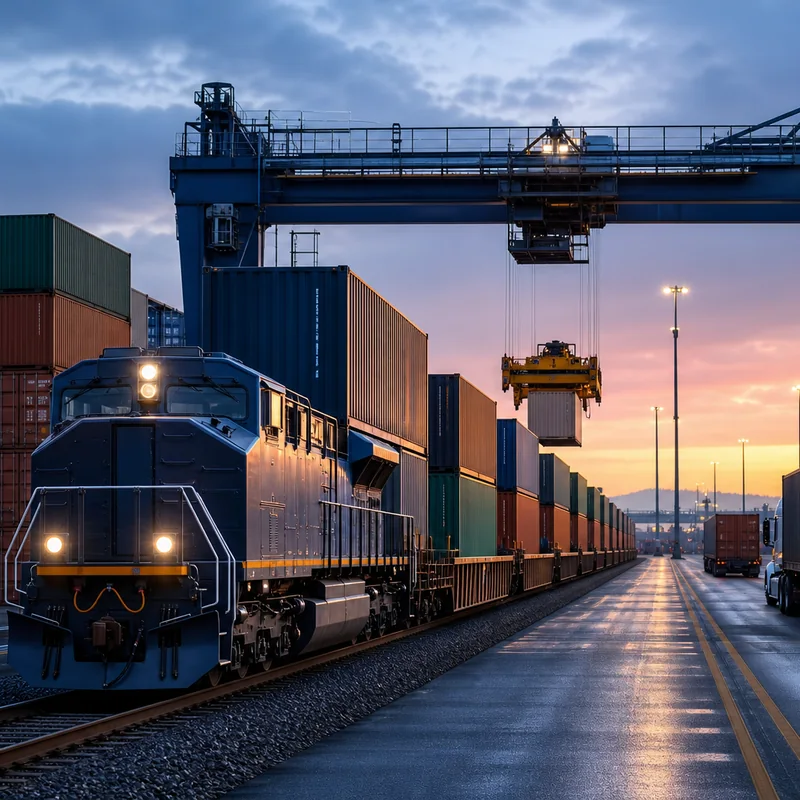
When urgent components arrive by air, Expedited service sends dedicated equipment to the airport as soon as customs releases the freight, then moves it directly to the plant. Equipment is right-sized from a Sprinter hotshot carrying one crated part to team drivers running through the night, with the shipment monitored around the clock. Machinery and equipment moves ride Flatbed capacity, and long, steady lanes with schedule float run Intermodal to bank cost on freight that can plan its transit.
Security and visibility on high-value parts
Automotive components and finished parts are high-value, easily resold and specifically targeted by cargo theft and double-brokering schemes. Freight Flex supports automotive freight with carrier compliance tools and an agent success team available 24/7, screening for double-brokering and identity fraud with monitoring in transit. The VIN is verified on every shipment through Highway Load Lock, live ELD tracking is required whenever applicable and MacroPoint GPS covers ELD-exempt expedited equipment. Supplemental cargo insurance is available up to $2,000,000 per shipment for the loads whose value demands it.