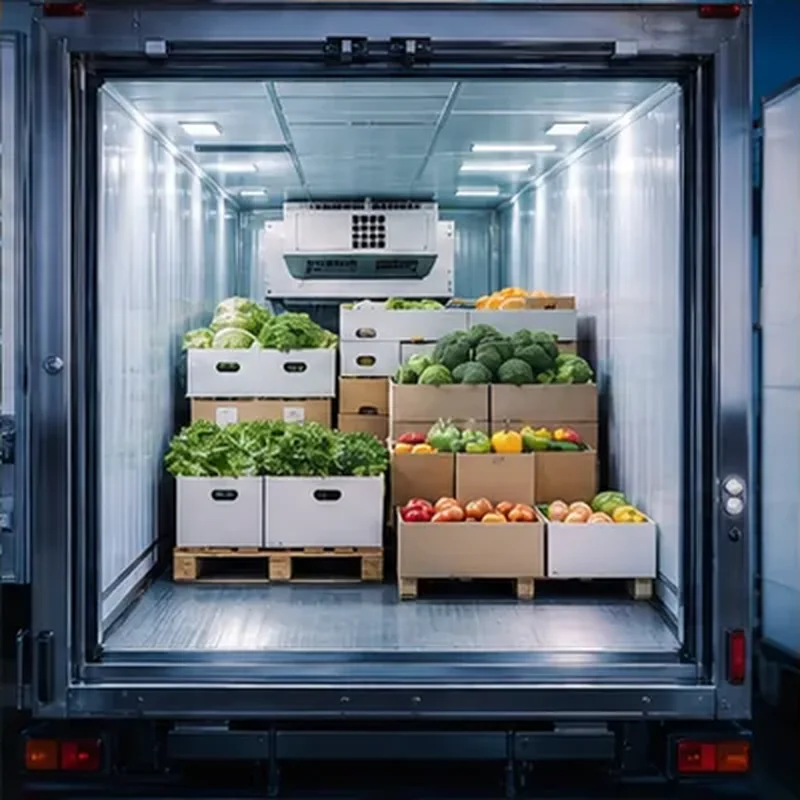
What food and beverage freight demands
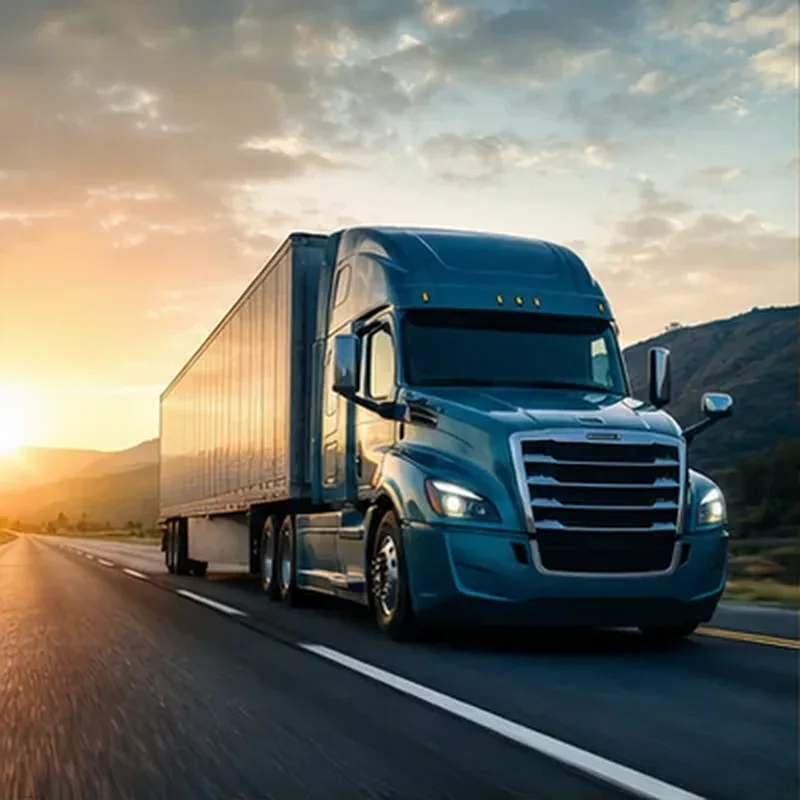
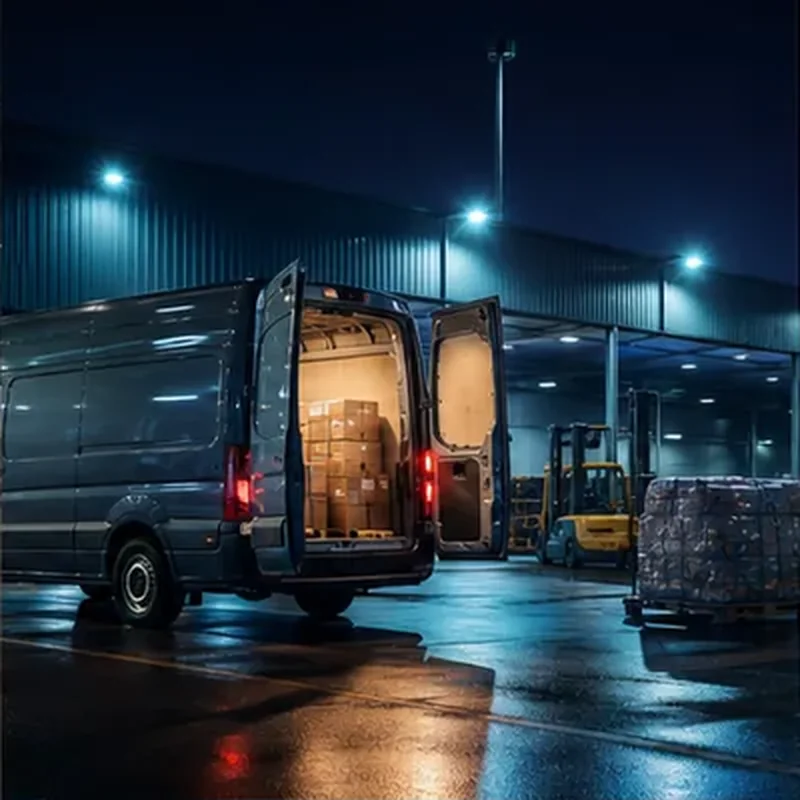
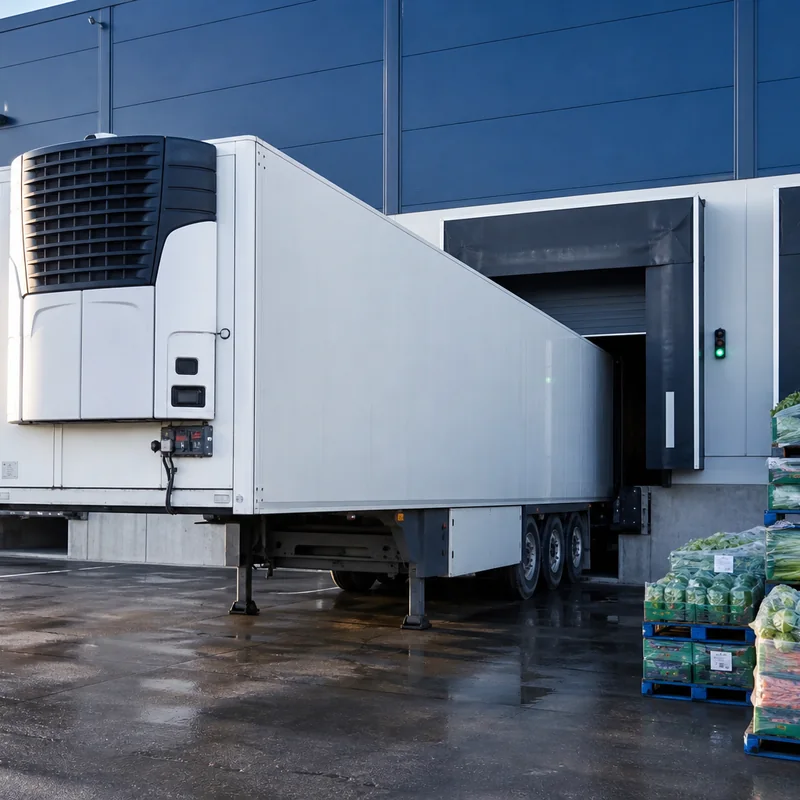
Food and beverage companies ship across the full temperature spectrum, meaning frozen product at zero degrees, refrigerated goods in the mid-thirties, produce with commodity-specific ranges and ambient product that still needs protection from freezing docks and summer trailers. The equipment follows the product, from reefers running continuous mode for sensitive loads to dry vans moving shelf-stable goods on standard economics.
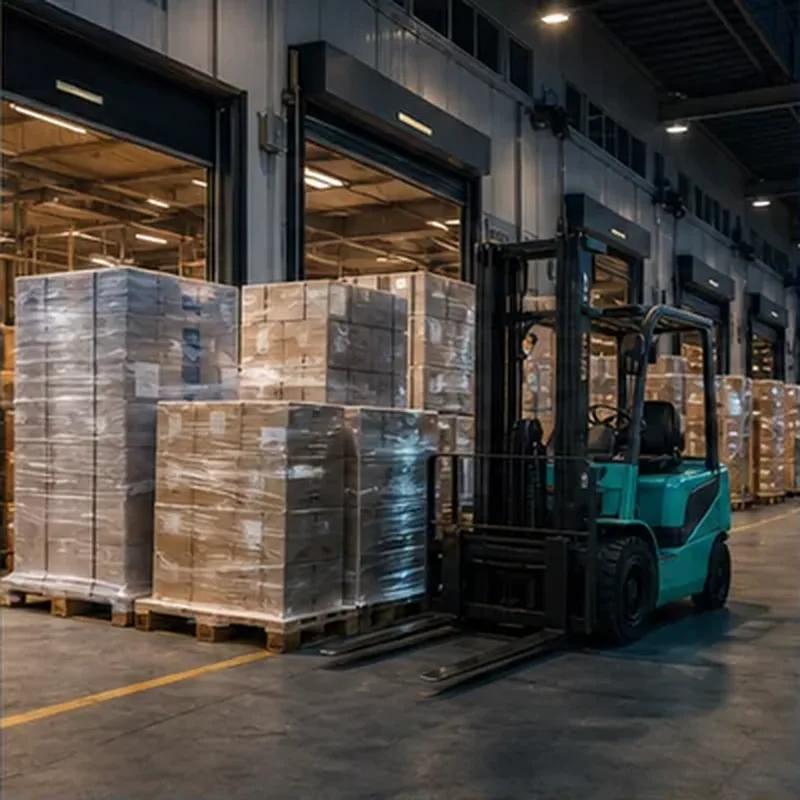
Receiving is the other half of the profile. Grocery distribution centers, foodservice warehouses and club stores run strict appointment systems with rejection authority, and food receivers inspect harder than anyone. Date codes, temperature readings at the door and pallet condition all decide whether a delivery becomes revenue or becomes a problem.
The pressures on food and beverage shippers
Temperature failure is the catastrophic risk, since a reefer set wrong or run in the wrong mode can convert an entire trailer into a total loss with no salvage. But the routine pressures cost more over a year. Missed appointments at food DCs push deliveries into next available slots that may be days out, shrinking shelf life the whole time. Seasonal surges around holidays compress volume into weeks when reefer capacity is scarcest, and promotional commitments put fixed dates on freight that already carries a biological clock.
How Freight Flex coordinates food and beverage freight
Temperature-sensitive product moves through Temperature-Controlled service with the setpoint and run mode confirmed on every dispatch and carriers experienced in refrigerated freight. Shelf-stable volume rides Full Truckload (FTL) through a network of more than 7,000 qualified carriers covering dry van and reefer alike, which matters when your mix shifts with the seasons.
Partial shipments to distributors, foodservice accounts and smaller receivers move on Less Than Truckload (LTL), quoted on density from weight and dimensions with no NMFC lookup required. And when a delivery threatens an appointment or a short-dated product needs to move now, Expedited service recovers the schedule with right-sized equipment and 24/7 monitoring.
Visibility from the dock to the delivery
Freight Flex supports food and beverage freight with carrier compliance tools and an agent success team available 24/7. The VIN is verified on every shipment through Highway Load Lock, live ELD tracking is required whenever applicable and supplemental cargo insurance is available up to $2,000,000 per shipment for high-value loads. Carrier charges are audited immediately after delivery and invoices close within two business days, so the paperwork moves as cleanly as the product.