What consumer products freight looks like
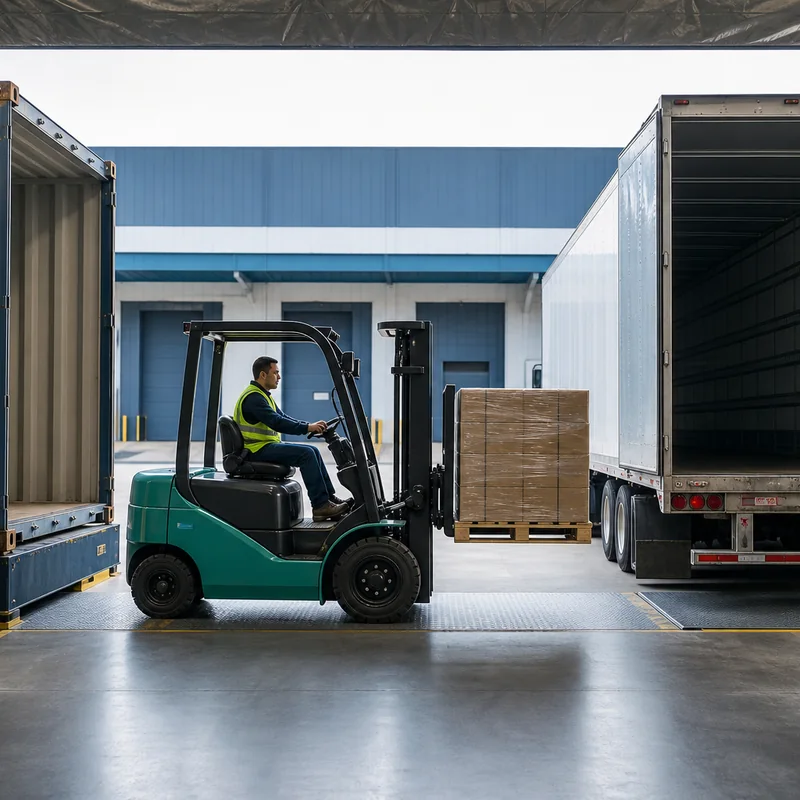
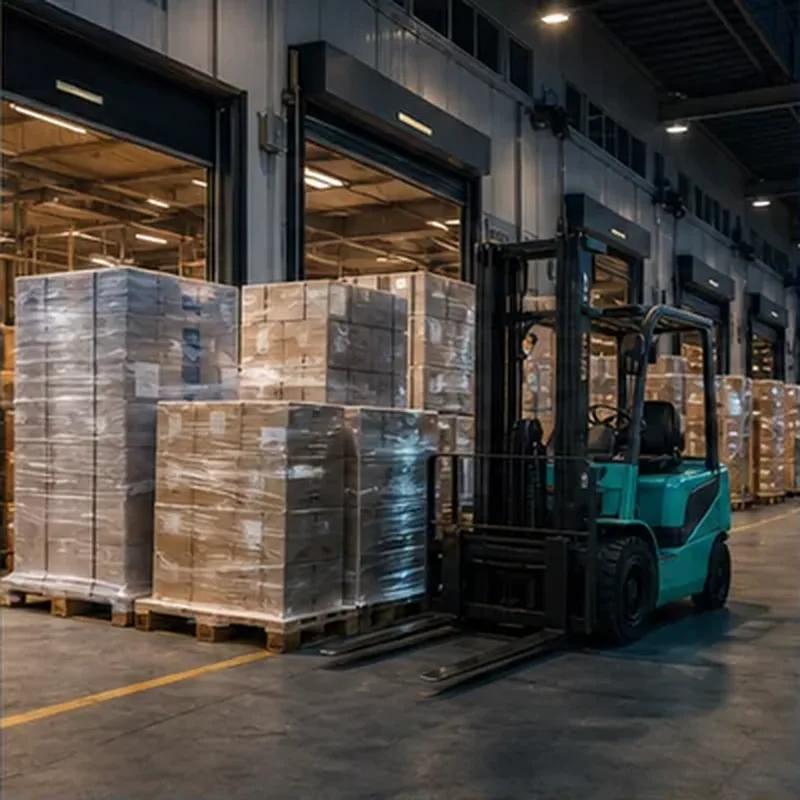
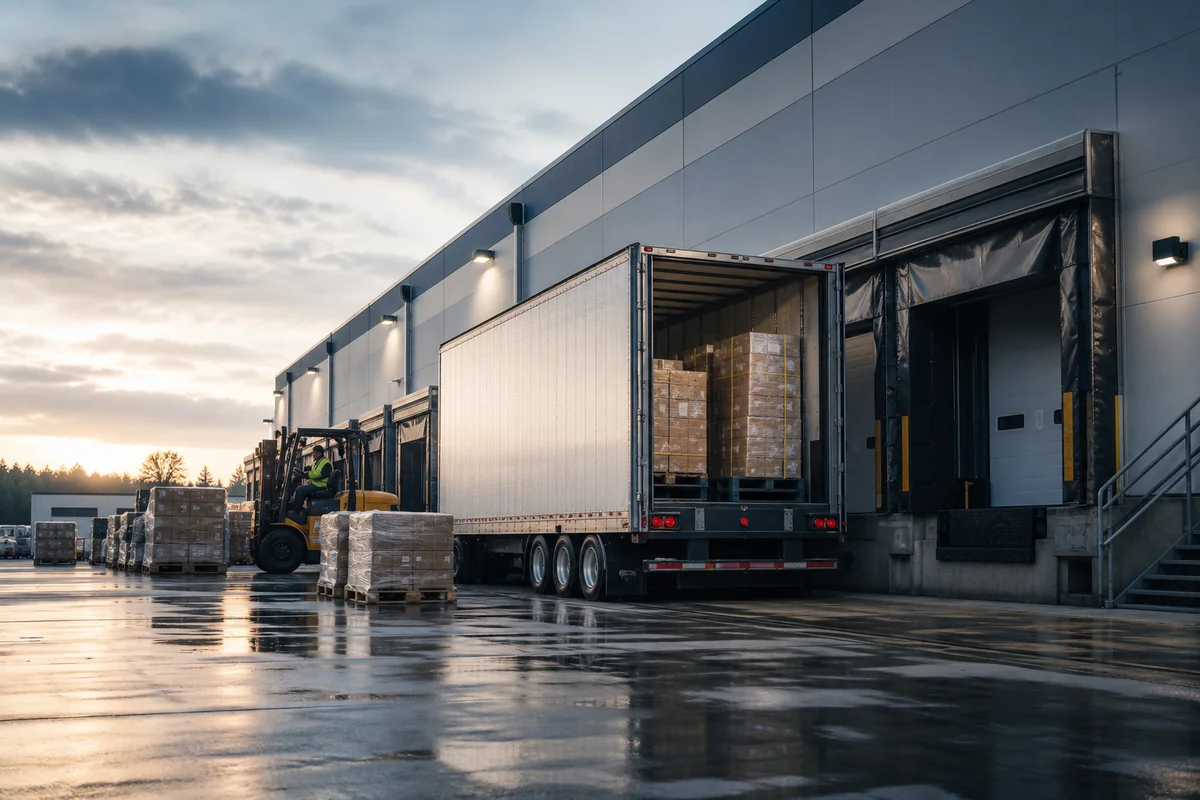
Consumer products freight is packaged, palletized and perpetual. Brands move finished goods from plants and co-packers into their own distribution centers, then outward to retail DCs, club stores and fulfillment centers in a mix of full trailers and multi-stop partial shipments. Layered underneath is inbound freight, including packaging, ingredients and components feeding production, plus import containers carrying finished goods from overseas manufacturing.
The category's signature is variability. A brand can ship the same product as a full truckload to one customer, six pallets of LTL to another and an expedited partial to save a promotion in the same week. The freight is standard, but the routing rules, labeling requirements and appointment systems around it are anything but.
The pressures on consumer brands
Retailer compliance sets the tone. Scorecards, on-time-in-full metrics and chargeback programs mean the receiver's calendar outranks the shipper's, and every routing guide violation has a price. Promotions add a second clock, since trade spend is committed to dates and product that misses the promotion window turns marketing investment into warehouse inventory.
Margin pressure makes freight cost visible in a way many industries avoid. Consumer products run on thin margins at high volume, so a few points of freight inefficiency compound into real money across a year. Accurate LTL pricing matters enormously here, because reclassification charges and surprise accessorials on high-frequency partial shipments quietly erode the category's economics.
How Freight Flex coordinates consumer products freight
Freight Flex covers the full brand flow. Truckload volume to distribution centers and major customers moves as Full Truckload (FTL) through more than 7,000 qualified carriers. High-frequency partial shipments ride Less Than Truckload (LTL) quoted on density with no NMFC lookup required, which fits packaged goods perfectly since accurate weights and dimensions are already on the case pack.
Import product lands through Transloading, converting containers to palletized domestic deliveries before per diem starts. Long lanes between regions run Intermodal where the calendar allows, and Expedited service stands behind the promotion dates and cut-in deadlines that cannot slip.
Billing discipline for high-frequency shippers
A consumer products program can generate hundreds of freight bills a month, and undisciplined billing turns that volume into an accounting project. Freight Flex audits carrier charges immediately after delivery, sends courtesy notification of any additions and closes invoices within two business days after delivery. Carrier compliance tools and an agent success team available 24/7 support shipment security, with the VIN verified on every shipment through Highway Load Lock, so the freight is as clean operationally as it is financially.