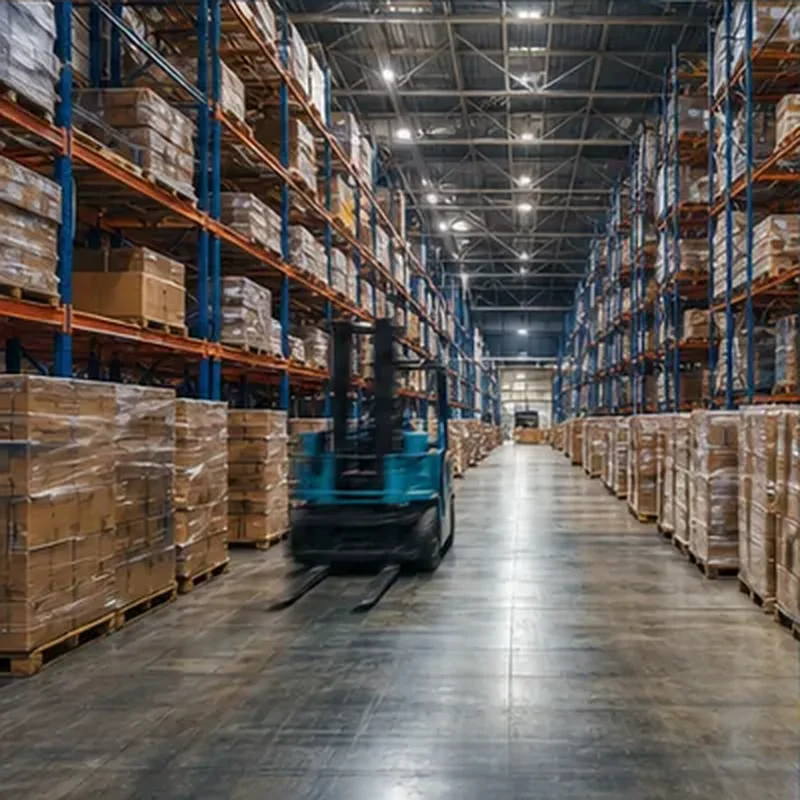
What retail freight looks like
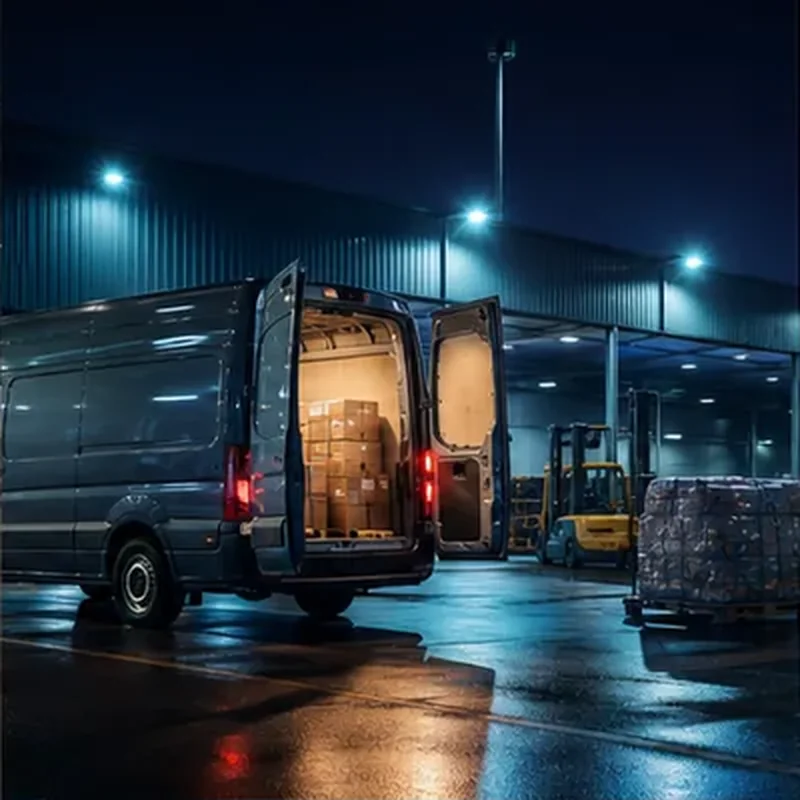
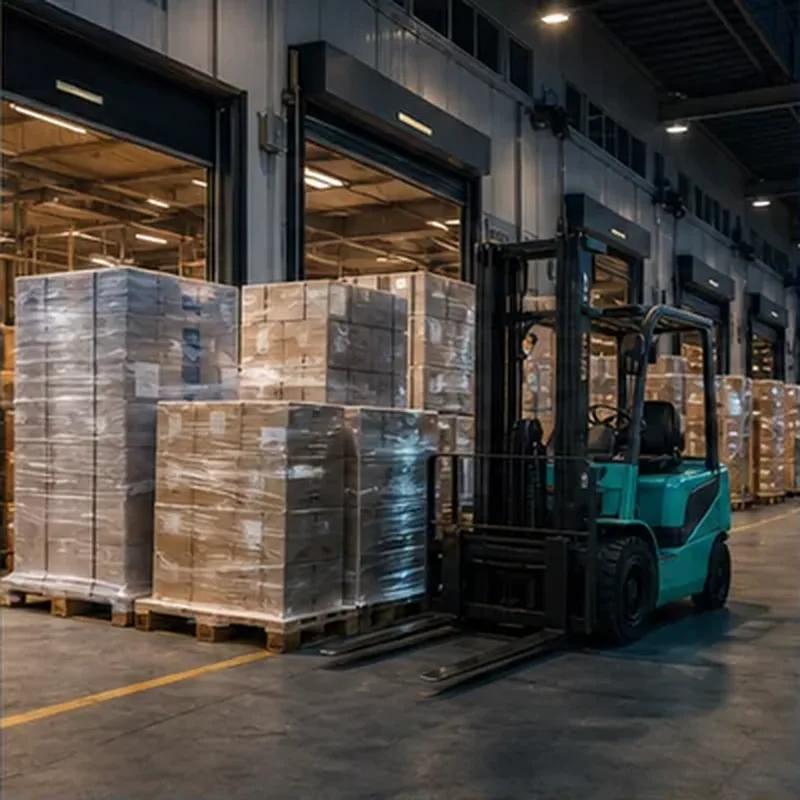
Retail freight is volume with a deadline attached. Import containers land at the ports, distribution centers turn them into store-ready pallets and a constant flow of trailers keeps shelves stocked across regions. The freight itself spans full trailers of seasonal inventory, weekly LTL replenishment to stores and banner locations, and the long inland lanes that reposition inventory between distribution centers as demand shifts.
What makes retail distinct is that nearly every delivery has an appointment and nearly every appointment has a consequence. Vendor scorecards, on-time-in-full requirements and chargeback programs turn transit reliability into a line item, which means retail freight shipping is really appointment management with trucks attached.
The pressures on retail supply chains
Peak season is the obvious pressure, since holiday volume arrives against fixed reset dates whether the freight market cooperates or not. But the quieter pressures cost just as much across a year. A missed distribution center appointment can push a delivery days, a late promotional shipment can strand marketing spend, and inventory sitting in the wrong region ties up working capital until someone moves it.
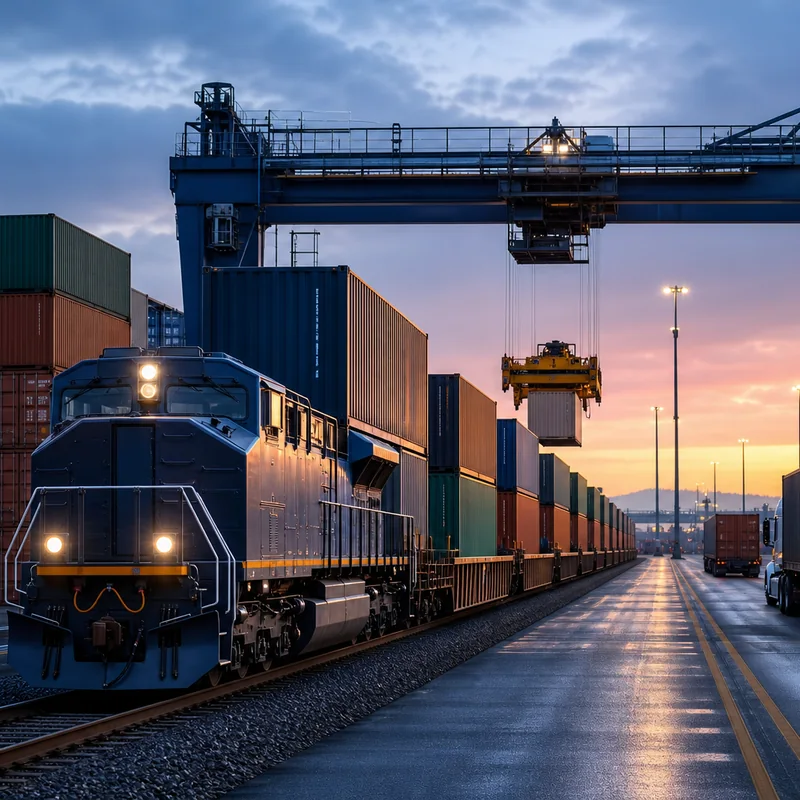
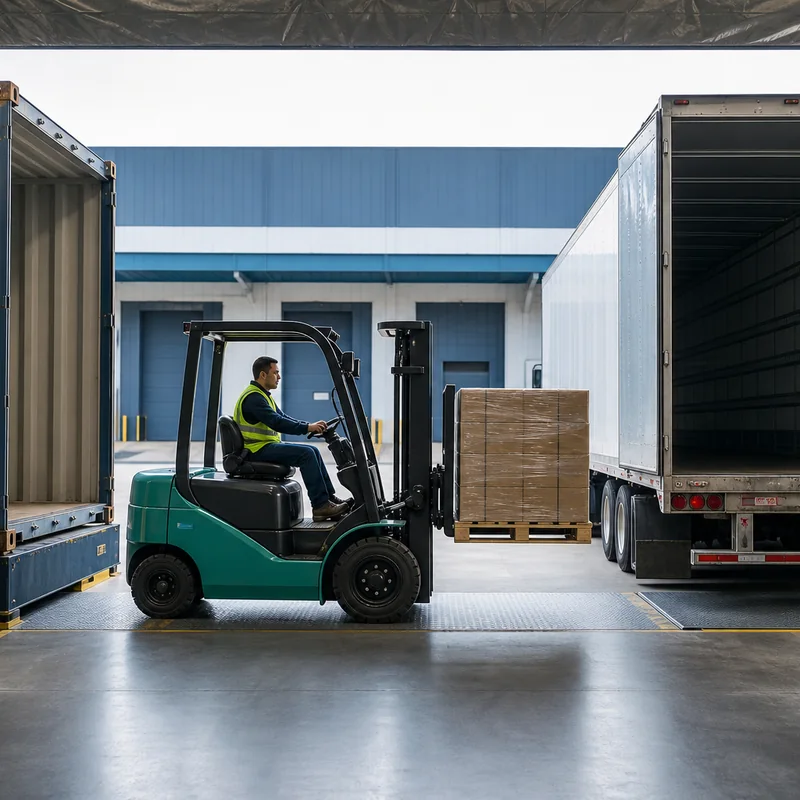
Import timing compounds everything. Containers burn free time at the port while receiving calendars fill up downstream, and a floor-loaded box cannot go straight to a distribution center that receives on pallets. Retailers need the container, the conversion and the final delivery planned as one sequence rather than three separate scrambles.
How Freight Flex coordinates retail freight
Freight Flex plans retail freight backward from the appointment. Full trailers of inventory move as Full Truckload (FTL) through a network of more than 7,000 qualified carriers, with receiver requirements confirmed at booking. Store and banner replenishment rides Less Than Truckload (LTL), quoted on density with no NMFC lookup required, so multi-store distributions price cleanly from weight and dimensions.
Long repositioning lanes between distribution centers run through Intermodal when the calendar allows, trading a little transit time for meaningfully lower cost on lanes over 1,000 miles. Import freight flows through Transloading, where containers are stripped near the port, palletized to receiver specifications and fanned out to multiple destinations on domestic trailers. And when a promotion date or a reset is at risk, Expedited equipment recovers the schedule.
Billing that survives the chargeback era
Retail freight generates paperwork pressure on both sides, since receivers audit deliveries and finance teams audit freight bills. Freight Flex audits carrier charges immediately after delivery, sends courtesy notification of any additions and closes invoices within two business days after delivery. Combined with VIN verification on every shipment through Highway Load Lock and live tracking in transit, the freight file your team closes matches the delivery your receiver signed for.