What data center freight looks like
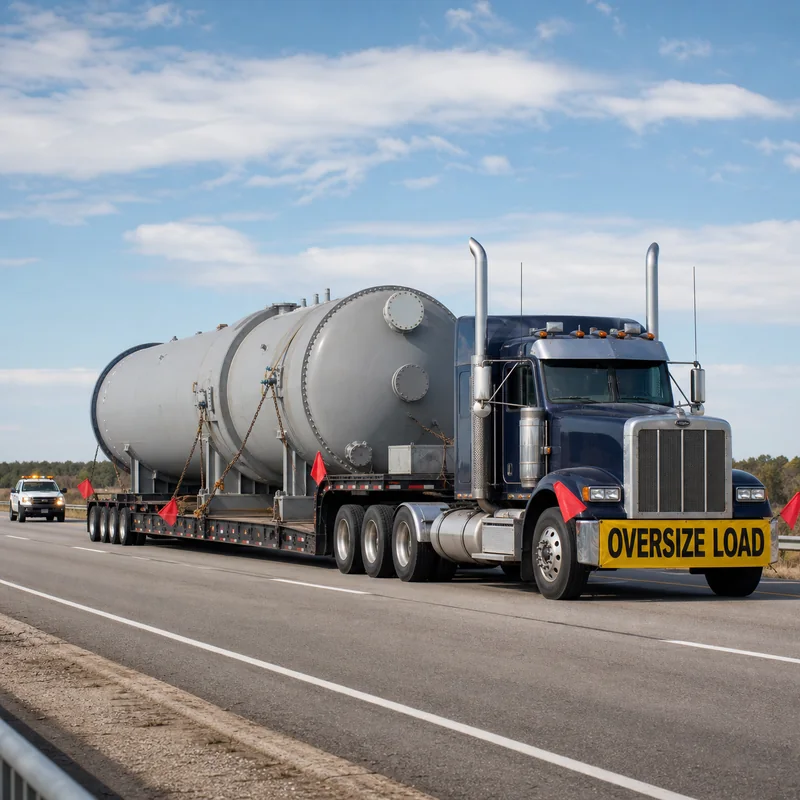
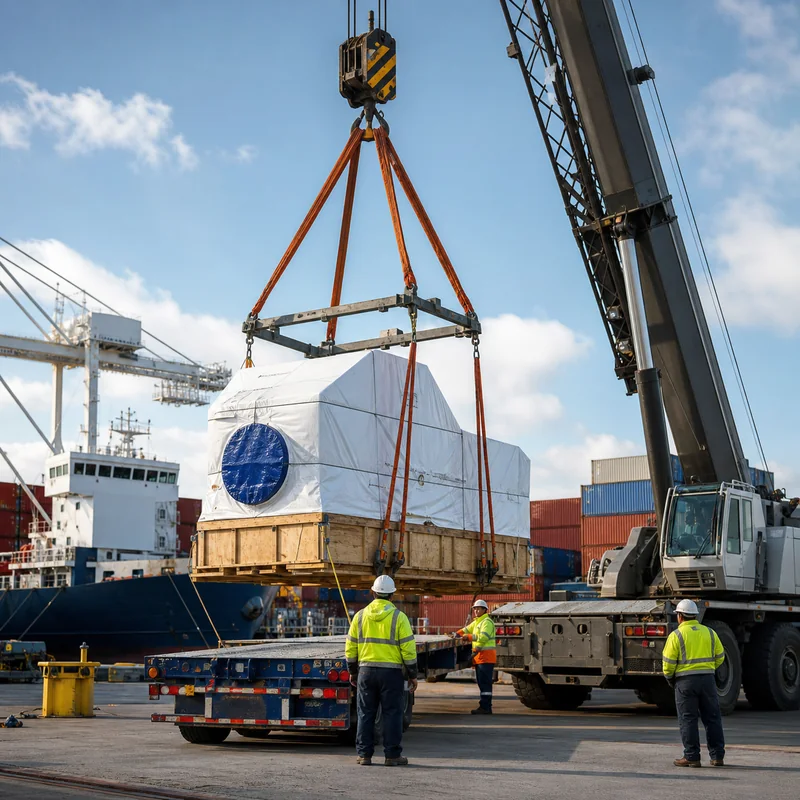
Data center freight spans the industrial and the delicate. The build phase moves generators, switchgear, transformers, chillers, cooling infrastructure and structural components, much of it heavy, oversized and crane-dependent. The fit-out and operational phases move racks, servers, networking equipment and power distribution, meaning high-value, shock-sensitive cargo that travels crated and rides differently than construction freight.
The destination defines the category. Data center campuses are active construction sites with security protocols, delivery scheduling, laydown constraints and crane windows, often in regions where power availability, not geography, chose the site. The freight plan has to fit a controlled environment that gets more controlled as commissioning approaches.
The pressures on data center builds
Commissioning dates anchor everything, with capacity commitments made years ahead and every day of schedule slip carrying real cost. Equipment lead times make the freight unforgiving, because a transformer or generator damaged or delayed in transit cannot be replaced from stock, and the sequence matters as much as the dates, since switchgear arriving before the room is ready is a storage problem while switchgear arriving late idles every trade behind it.
The IT side carries its own stakes. Server and networking shipments concentrate enormous value into single trailers, drawing cargo theft attention and demanding carriers who understand what they are hauling and handling that respects it.
How Freight Flex coordinates data center freight
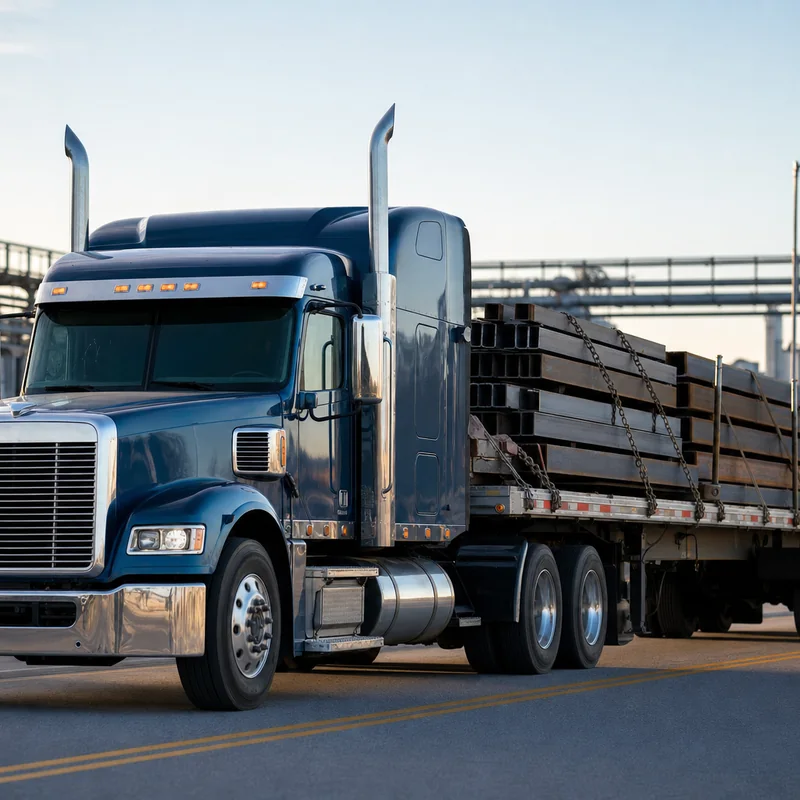
Build-phase programs run through Project Cargo coordination, sequencing every load against the construction schedule. Oversized infrastructure moves through Heavy Haul with surveys, permits and escorts handled, dimension-heavy pieces ride as Over-Dimensional (OD) loads on specialized trailers and structural components move on Flatbed capacity from more than 25,000 approved open deck carriers.
High-value IT equipment moves on Expedited dedicated vehicles with 24/7 monitoring, right-sized from sprinter vans for a single rack to straight trucks for a deployment wave. And when a commissioning-critical component has to cross the country in hours, Air Freight coordination runs under Freight Flex's TSA Certified Indirect Air Carrier status with TSA-compliant drivers on the airport legs.
Security and visibility on high-value loads
Freight Flex supports data center freight with carrier compliance tools and an agent success team available 24/7, with double-brokering and identity fraud screened and monitoring in transit. The VIN is verified on every shipment through Highway Load Lock, live tracking runs whenever applicable, MacroPoint GPS covers ELD-exempt vehicles and supplemental cargo insurance is available up to $2,000,000 per shipment for loads whose value demands it.