What moves through Houston
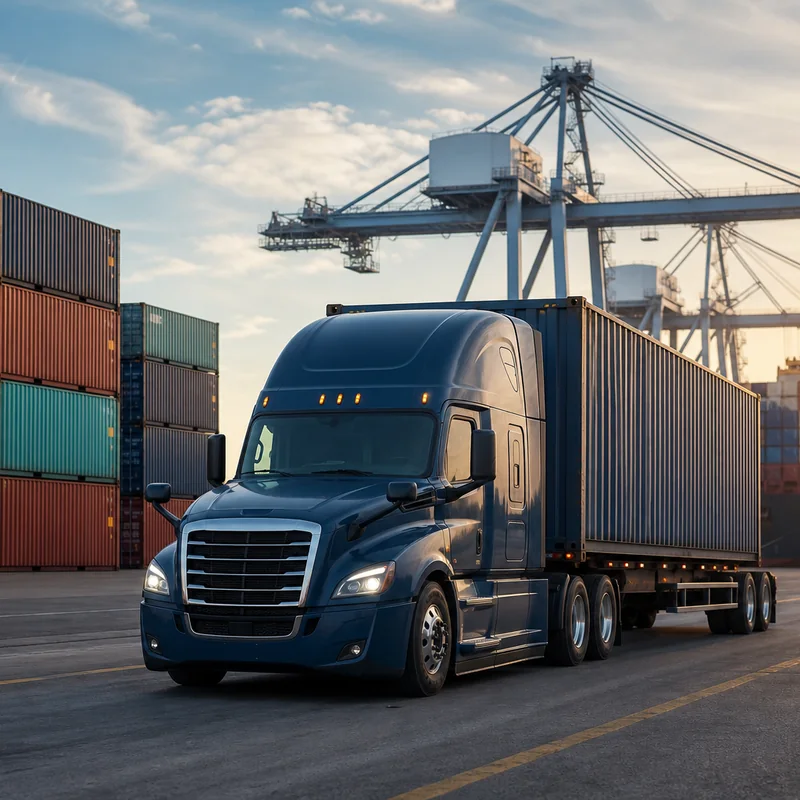
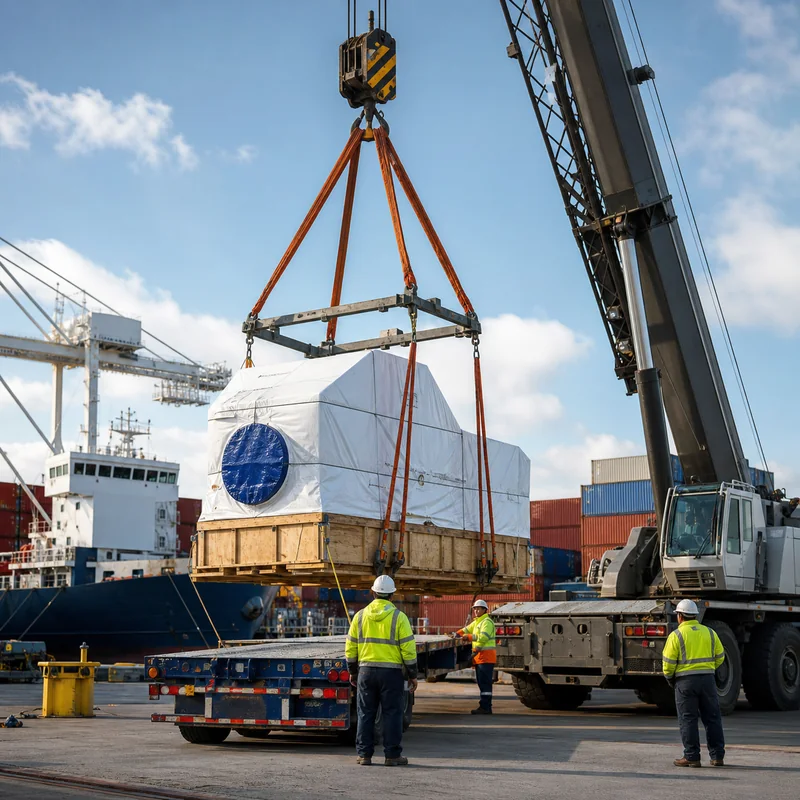
Houston's freight profile is unlike any other American metro. Port Houston's container terminals handle one of the Gulf's largest box volumes, feeding import distribution across Texas and the middle of the country, while the ship channel's breakbulk and project berths land the oversized equipment the energy industry runs on. Around the port stretches the petrochemical corridor, meaning plants, refineries and terminals generating constant flows of materials, equipment and packaged product.
Layered on top is a metro of seven million people with full-scale retail, food and consumer distribution, a manufacturing base building for the energy economy and a construction market that never seems to pause. The result is a freight market where a drayage move, a superload and a grocery delivery are all routine on the same day.
The corridors that carry it
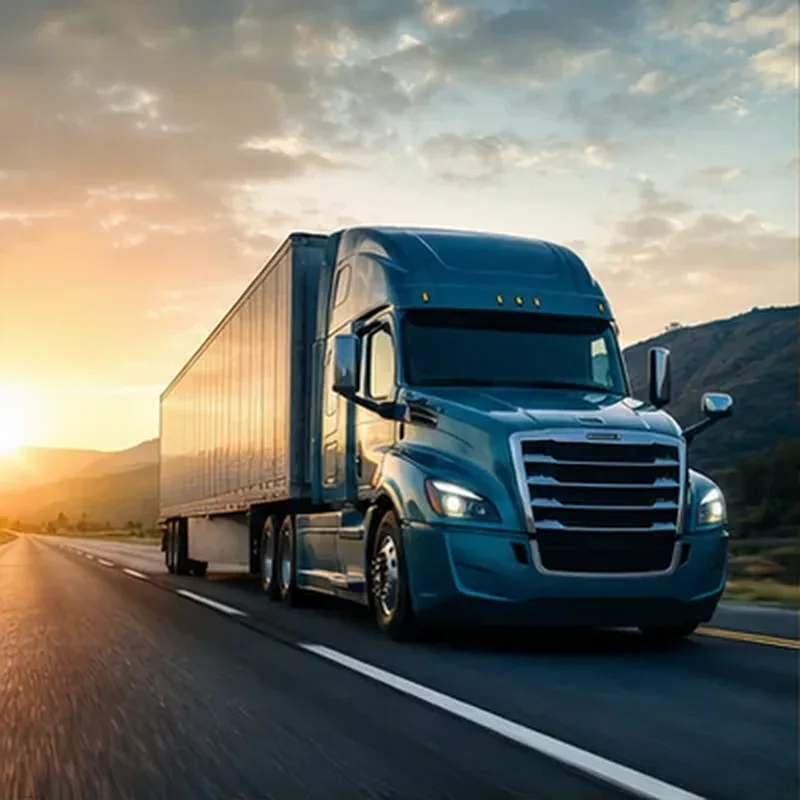
I-10 runs the east-west transcontinental lane straight through the metro, I-45 connects Houston to Dallas-Fort Worth on one of the country's densest intercity lanes, and I-69 carries the growing border trade north from the Valley. Port traffic, plant traffic and metro traffic share the same roads, which makes appointment discipline and realistic transit planning worth more in Houston than almost anywhere.
Freight Flex in Houston
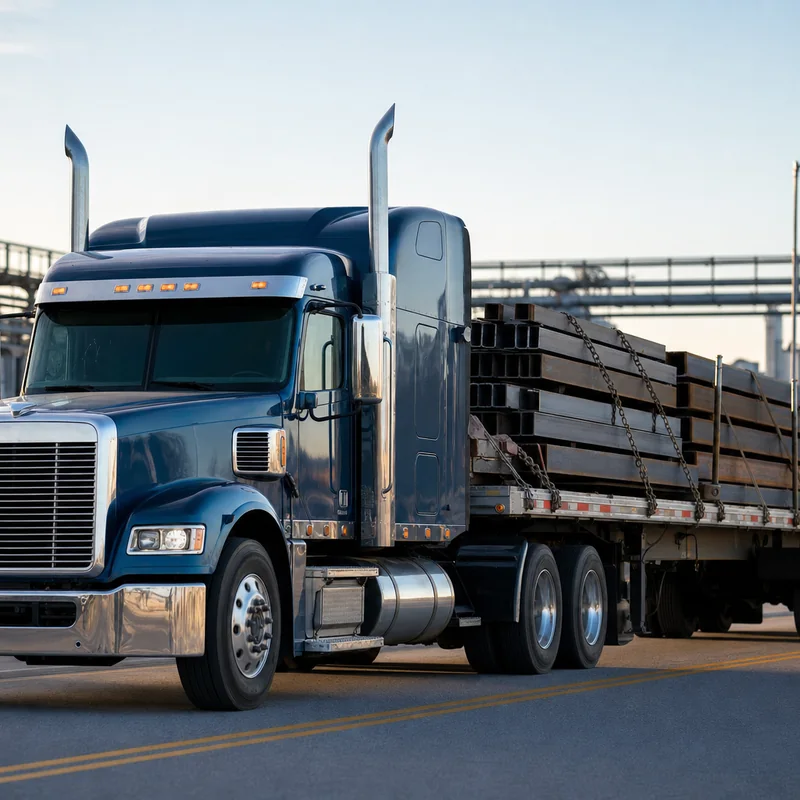
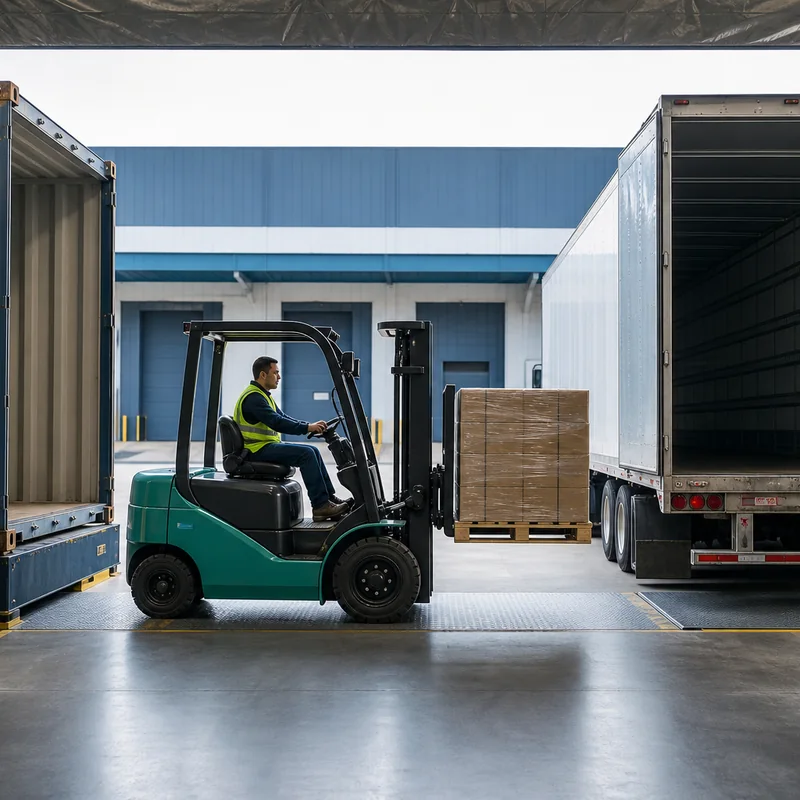
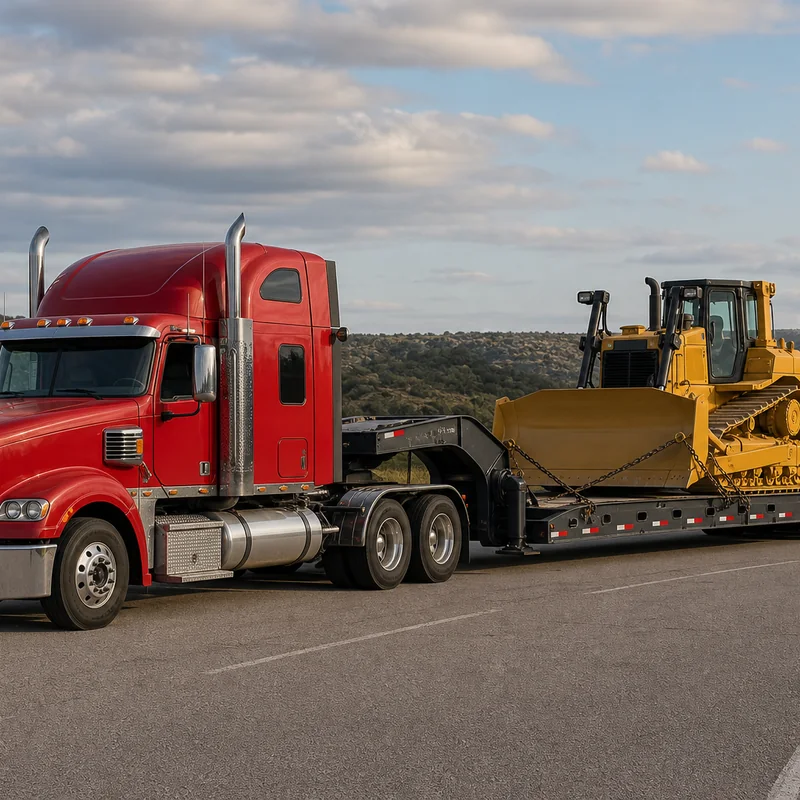
Freight Flex coordinates Drayage at the Houston terminals with carriers who know the gates, Transloading that converts import boxes to Texas distribution, Heavy Haul and Project Cargo programs for energy equipment, Flatbed capacity for the construction and plant economies, and Full Truckload (FTL) and Expedited coverage across the metro's lanes. Carrier compliance tools and an agent success team available 24/7 support the move.