What ecommerce freight looks like
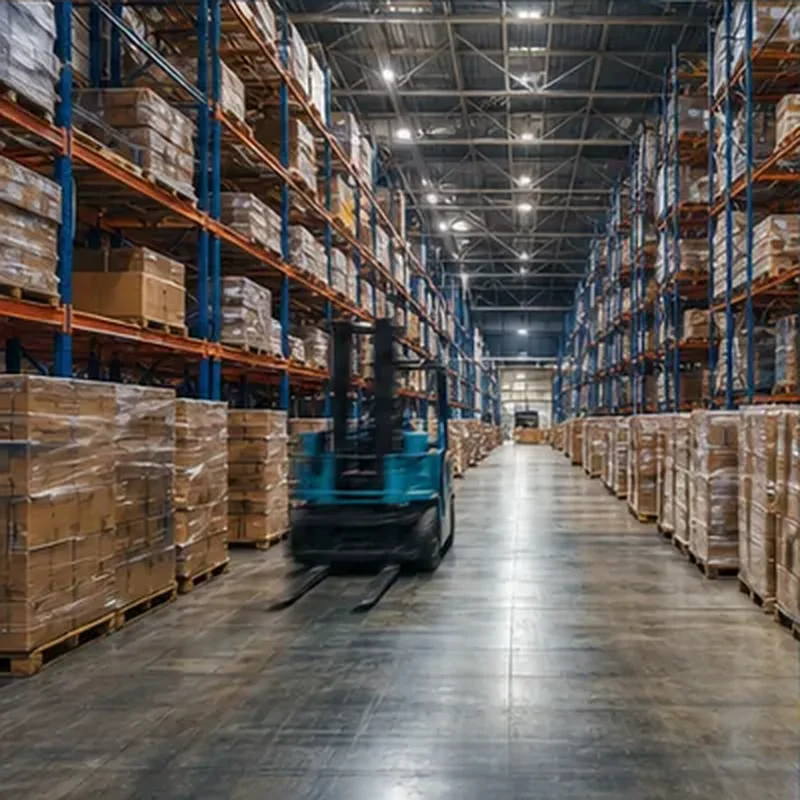
Ecommerce freight is inventory positioning at speed. Import containers carry product from overseas manufacturing, domestic suppliers feed replenishment, and trailers move stock into fulfillment centers, third-party logistics warehouses and marketplace facilities across the network. Around that core flow runs a constant churn of smaller shipments, meaning restocks between nodes, returns consolidation and the launch inventory that has to be everywhere on day one.
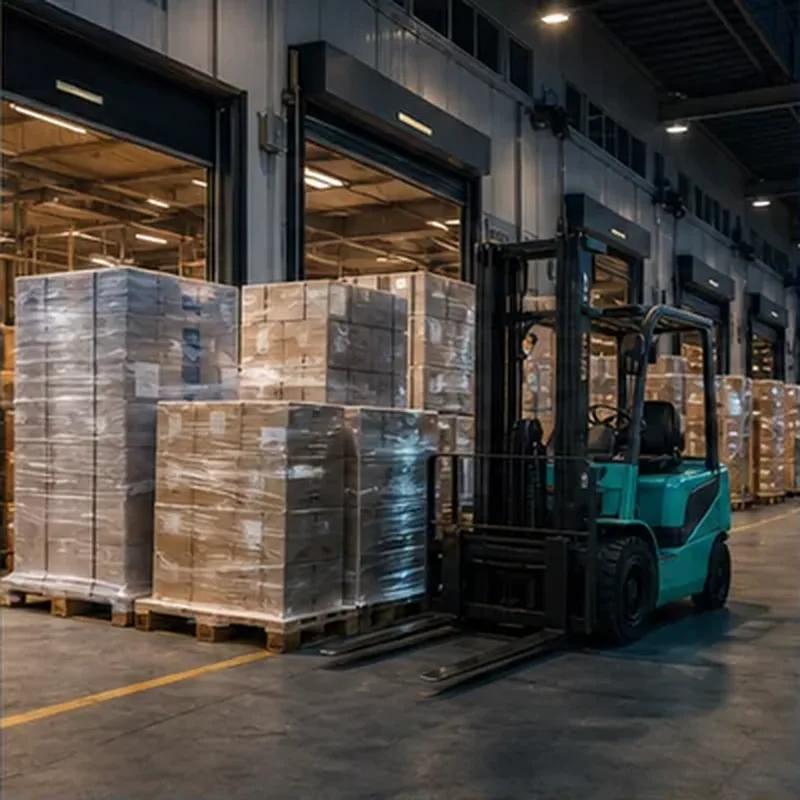
The receiving side shapes everything. Fulfillment operations run strict appointment systems, enforce labeling and pallet standards down to the inch and penalize noncompliance with delays and fees. Ecommerce freight shipping is really network replenishment against other people's rules.
The pressures on ecommerce brands
Stockouts are the visible cost, since an out-of-stock listing loses sales today and search ranking tomorrow. Peak season is the structural one, because fourth-quarter volume arrives against fixed receiving calendars while freight capacity tightens across the market. Launches add a third clock, with marketing spend committed to dates that inventory has to beat.
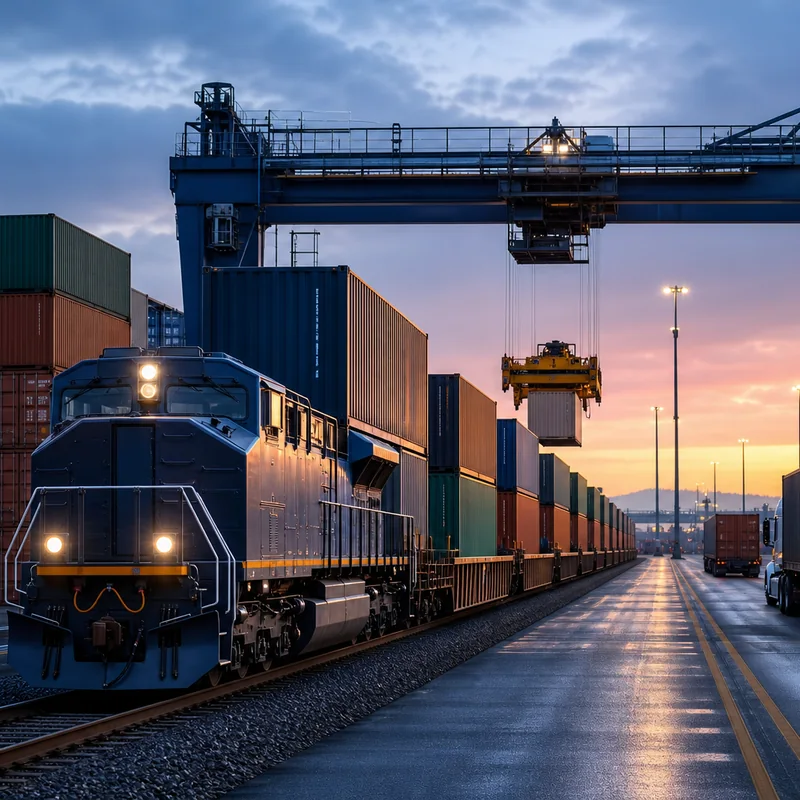
Import timing threads through all of it. Containers burn free time at ports while fulfillment receiving slots fill downstream, floor-loaded boxes cannot deliver to facilities that receive on pallets, and a container that dwells too long turns into per diem charges that erode already-thin unit economics.
How Freight Flex coordinates ecommerce freight
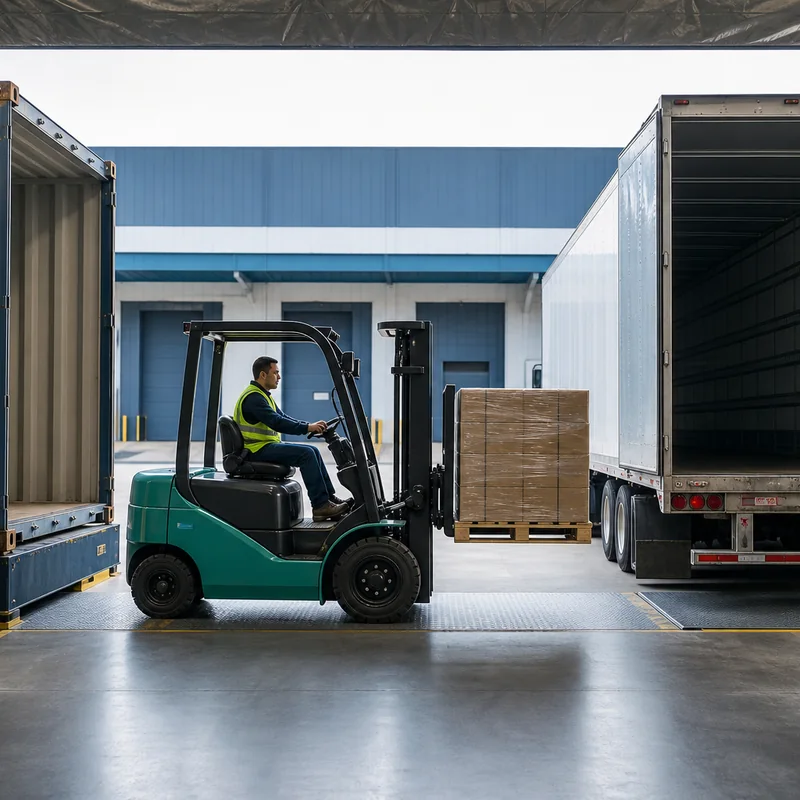
Import product flows through Transloading, where containers are stripped near the port, palletized to facility specifications and fanned out across the fulfillment network on domestic trailers before per diem starts. Full trailers of inventory ride Full Truckload (FTL) through more than 7,000 qualified carriers with receiving appointments confirmed at booking.
Restocks and smaller replenishment moves ride Less Than Truckload (LTL), quoted on density from weight and dimensions with no NMFC lookup required, which fits parceled and cased ecommerce freight cleanly. Long repositioning lanes with calendar float run Intermodal for the savings, and Expedited service stands behind the launches and promise dates that cannot move.
Visibility your operations dashboard can trust
Freight Flex supports ecommerce freight with carrier compliance tools and an agent success team available 24/7, with double-brokering and identity fraud screened. The VIN is verified on every shipment through Highway Load Lock and live tracking runs in transit, so inventory in motion is inventory you can see. Carrier charges are audited immediately after delivery and invoices close within two business days, keeping freight costs as measurable as the rest of the funnel.