What building materials freight looks like
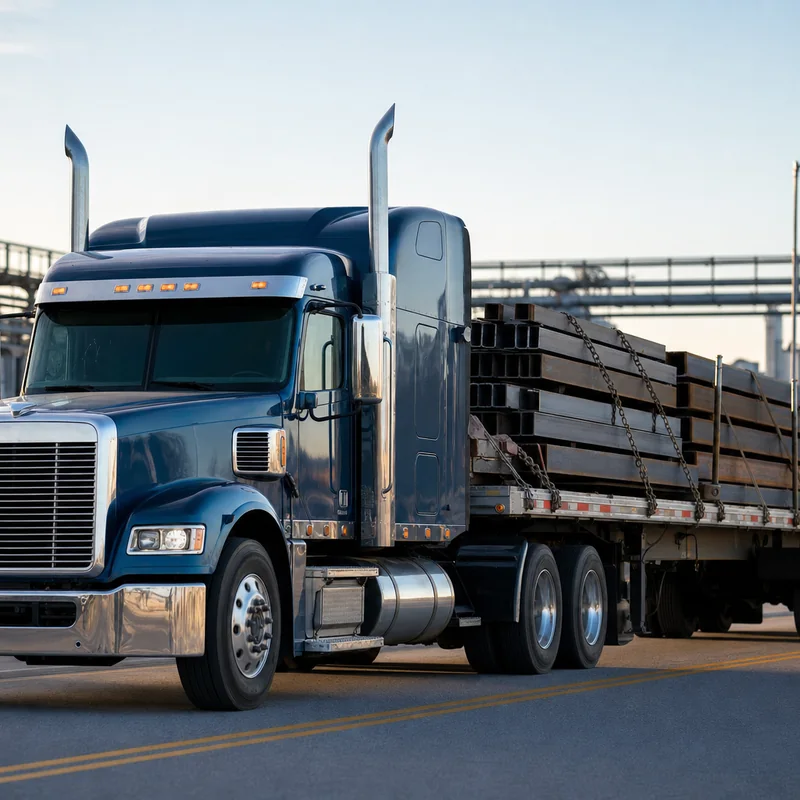
The category ships the raw weight of construction, meaning lumber and panels, structural steel, rebar, trusses, pipe, insulation, roofing, wallboard and pre-cast concrete, plus the fixtures and finish products that arrive as a project closes. Most of it rides open decks, loading by forklift from the side or crane from above, secured with chains, straps and tarps that have to survive weather at highway speed. The palletized remainder, from fasteners to fixtures, moves in dry vans and LTL shipments to yards, branches and distributors.
Destinations set this freight apart. Job sites have no docks, soft ground, tight access and receiving crews whose real job is building, while supply yards and dealer branches run their own delivery rhythms. The freight plan has to fit the destination, not the other way around.
The pressures on building materials shippers
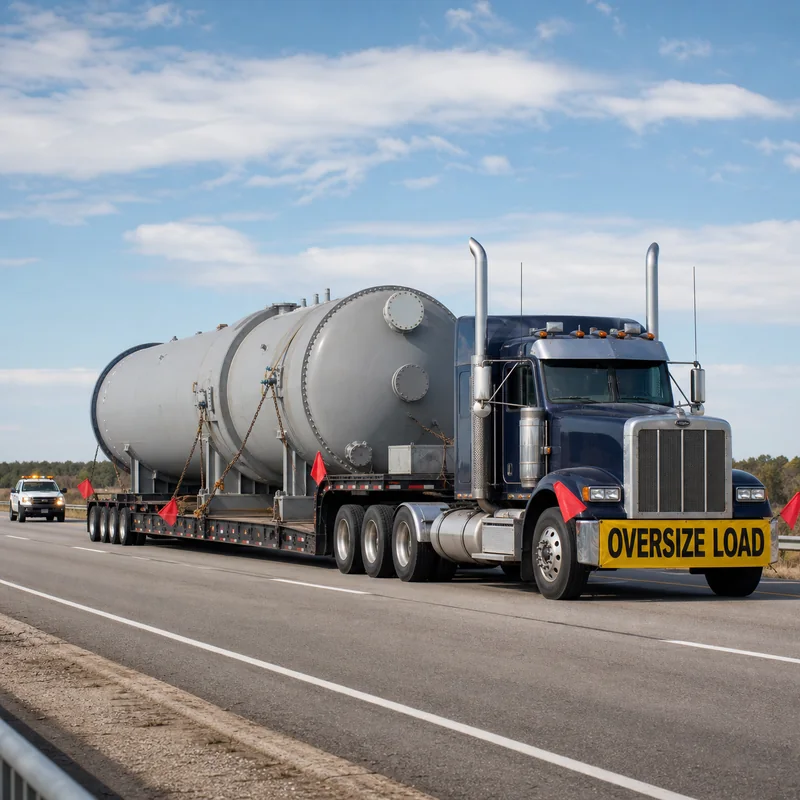
Construction sequencing drives everything, since materials that arrive late idle crews and materials that arrive early sit exposed on site as theft and weather risk. Trades stack against each other, so a delivery that slips can cascade through a project schedule that took months to coordinate. Dimensional freight adds its own pressure, because trusses, tanks, beams and panels routinely measure past legal limits, and a load that ships without the right permits or trailer becomes a roadside problem instead of a delivery.
Seasonality compounds it all. Building season compresses demand into the months when weather cooperates, and open deck capacity tightens exactly when project calendars are fullest.
How Freight Flex coordinates building materials freight
Open deck freight rides Flatbed through more than 25,000 approved carriers, matched to the commodity and its securement, with step decks and specialized configurations behind them for tall and long loads. Volume moves between mills, plants and distribution ride Full Truckload (FTL), and smaller shipments to branches and dealers move on Less Than Truckload (LTL) quoted on density from real weights and dimensions.
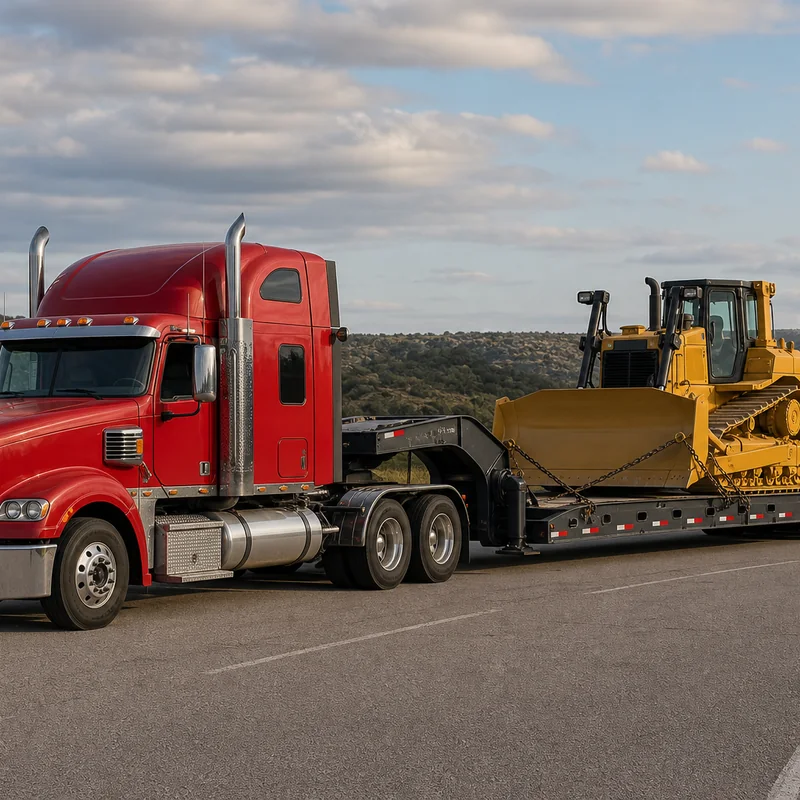
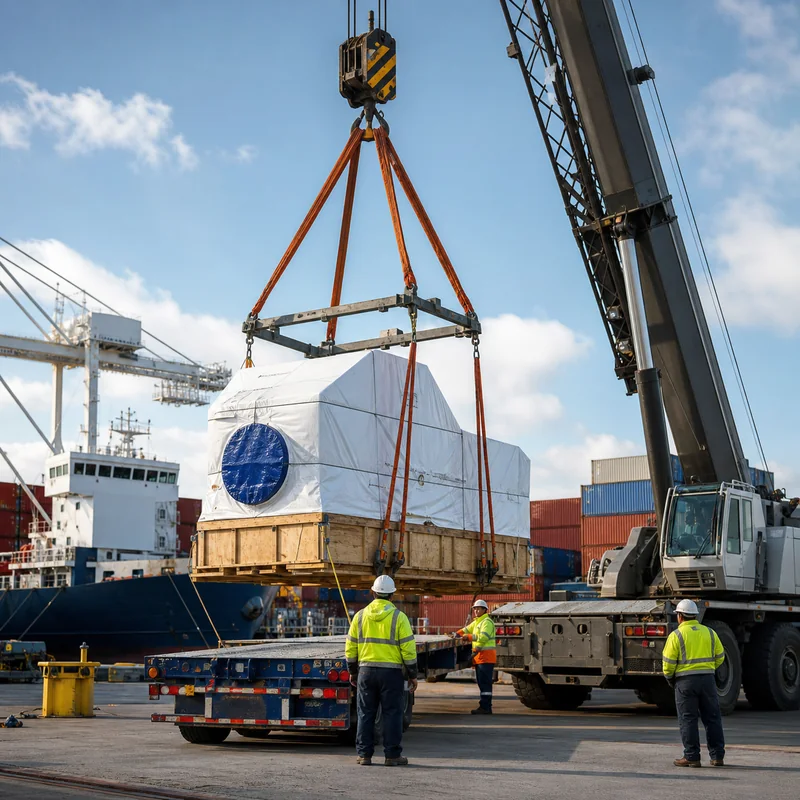
When freight measures past legal limits, Over-Dimensional (OD) planning brings the right specialized trailer and permits, and Heavy Haul takes over for the heaviest pieces with surveys, escorts and engineered routes. Multi-phase projects with sequenced deliveries run through Project Cargo coordination, where the site schedule drives the dispatch calendar.
Standards that hold up on the open deck
Freight Flex supports building materials freight with carrier compliance tools and an agent success team available 24/7, with securement and tarping requirements confirmed at booking rather than discovered at the mill. The VIN is verified on every shipment through Highway Load Lock, live tracking runs in transit and carrier charges are audited immediately after delivery with invoices closed within two business days. Exposed freight demands closed loops, and that is how the program runs.