Manufacturing

Manufacturing Freight

A production schedule is only as reliable as the freight feeding it. Freight Flex coordinates manufacturing freight from inbound raw materials to outbound finished goods, with carriers vetted before dispatch and a team that answers while your line is running.

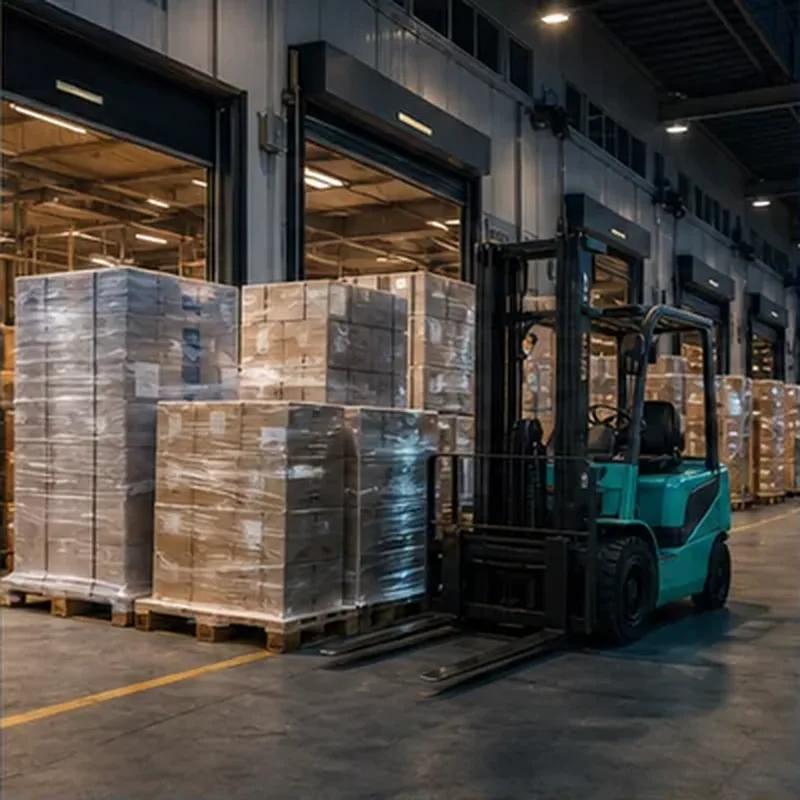
Forklift loading palletized manufactured goods onto a trailer at a plant shipping dock
Manufacturing Across America
Ford General Motors Boeing Caterpillar John Deere Tesla 3M Honeywell General Electric Whirlpool Cummins Dow U.S. Steel Nucor Intel Corning Goodyear
Manufacturing

Freight coordination built for manufacturers: inbound, outbound and everything between.

Manufacturing freight runs in both directions at once. Raw materials and components flow in against production schedules while finished goods flow out against customer commitments, and a failure on either side stops the same line. Freight Flex coordinates both sides under one standard.

What manufacturing freight demands

Manufacturers ship more variety than almost any other industry. A single plant can tender palletized components, coiled steel, machinery, drummed chemicals and finished consumer goods in the same week, across equipment ranging from dry vans to open decks to expedited sprinters. The freight profile changes by the day, but the constant is the production schedule behind it, because inbound materials feed lines that cannot wait and outbound orders carry dates that customers planned around.

That mix is why manufacturing freight punishes one-mode providers. The plant that ships six pallets of components on Monday needs a full trailer on Wednesday and a flatbed for a machine move on Friday, and running those through three different providers means three routing guides, three billing processes and three versions of accountability. Manufacturing freight shipping works best when the whole mix runs through one coordinator holding every load to the same standard.

Manufacturing supply chain pressures

The most expensive freight event in manufacturing is not a damaged shipment, it is a stopped line. When an inbound component misses its window, the cost multiplies through idle labor, missed output and downstream orders that slip. Outbound pressure is just as real, since receivers enforce appointment windows and chargebacks, and a finished goods shipment that misses its slot can wait days for another one.

Capacity swings compound the problem. Plants ramp production for seasonal demand, launch periods and end-of-quarter pushes, and the freight market does not always cooperate. Manufacturers also carry a growing cargo security burden, because components and finished goods are exactly the freight that cargo theft and double-brokering schemes target. A carrier that was never properly vetted is a risk sitting between your dock and your customer.

How Freight Flex coordinates manufacturing freight

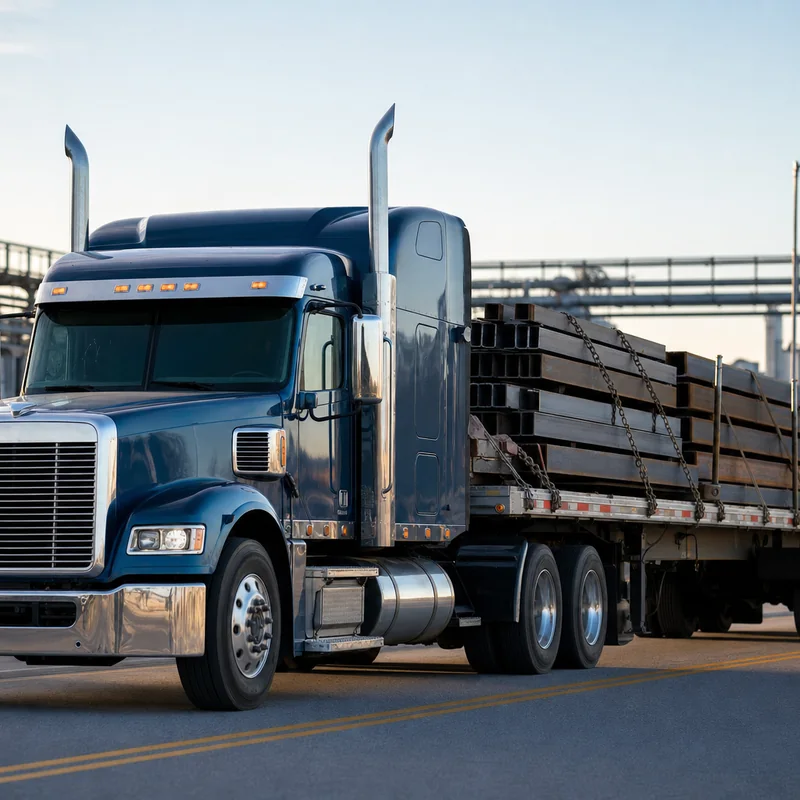
Freight Flex covers the full manufacturing mix through one team. Inbound materials and outbound orders that fill a trailer move as Full Truckload (FTL) through a network of more than 7,000 qualified carriers. Partial shipments of one to six pallets ride Less Than Truckload (LTL), quoted on density with no NMFC lookup required, so component freight prices from the weight and dimensions your team already has. Machinery, steel and anything that loads from the side or above moves through Flatbed capacity from more than 25,000 approved open deck carriers.

When a line-down situation demands speed, Expedited service puts freight on dedicated equipment with 24/7 monitoring, from sprinter vans for a single crated part to team-driven straight trucks running through the night. And when a plant relocation or line installation turns freight into a program, Project Cargo coordination sequences every load against the milestone schedule.

Visibility and billing standards

Freight Flex supports manufacturing freight with carrier compliance tools and an agent success team available 24/7, with the VIN verified on every shipment through Highway Load Lock and live ELD tracking required whenever applicable. The same discipline extends to the invoice, where carrier charges are audited immediately after delivery, additions generate a courtesy notification before they surprise your books and invoices close within two business days after delivery. Your materials team sees the freight and your accounting team sees clean numbers, which is how freight stops being the variable in the production plan.

One coordinator for the whole mix

Components on LTL, full trailers of finished goods, machinery on flatbed and line-down parts on expedited equipment all run through one Freight Flex team. The mix changes daily and the standard behind it does not.

Vetted before dispatch

Carrier compliance tools help screen for double-brokering and identity fraud, with an agent success team available 24/7. Manufacturing freight is a theft target, and prevention starts with who is allowed to haul it.

Timed to the production schedule

Inbound windows, receiver appointments and launch dates drive the dispatch plan, not the other way around. When a shipment threatens a line or a slot, you hear it from us first with a recovery plan attached.

The Freight Flex promise

Your line keeps running Build With Flex.

For every manufacturer we serve, Freight Flex commits to matching each shipment with vetted capacity suited to the freight, tracking it from pickup through delivery and communicating before problems become surprises. Inbound materials get planned against production windows, outbound orders get planned against receiver appointments, and when something slips anywhere in the chain, the plan adjusts while there is still time to protect the schedule. Invoices close within two business days after delivery, so the freight file ends as cleanly as the load arrived.

0+
Shipments Coordinated
#0
Inc. 5000 Fastest-Growing Private Companies
0
States of Nationwide Coverage
0+
Freight Flex Offices
Operating standards

Manufacturing freight standards: vetted, verified, visible.

Freight Flex combines carrier compliance tools with an agent success team available 24/7 to help reduce cargo theft, fraud and claims and support shipment visibility. For manufacturers, these standards protect the two things that matter most, meaning the production schedule and the freight itself.

  • Only work with Highway verified Motor Carriers.
  • 1+ year active authority required.
  • Satisfactory or Unrated FMCSA safety rating required.
  • $1M Auto Liability + $100K Cargo Insurance required.
  • VIN verified on every shipment through Highway Load Lock.
  • Supplemental cargo insurance available up to $2,000,000 per shipment, beyond standard carrier coverage.
Freight services

The services manufacturers use most: matched to the freight, not forced onto it.

A manufacturing freight program is built from these services working together. Full trailers carry the volume, LTL handles the partials, flatbed moves the machinery and materials, expedited protects the line and project cargo coordination takes over when freight becomes a program.

See All Services
Planning Manufacturing Freight

How manufacturers plan freight: fewer surprises, steadier lines.

The best manufacturing freight outcomes come from treating transportation as part of the production plan rather than an errand at the end of it. Two planning disciplines separate the plants that run smoothly from the ones that firefight.

Inbound freight and production schedules

Inbound freight planning starts with honest lead times. Map each critical component's true door-to-door transit, including the supplier's ship-day reliability, and build dispatch schedules against production need dates rather than purchase order dates. Standing lanes with consistent volume deserve standing capacity plans, so the weekly component run is covered before the market gets a vote, while irregular inbound freight gets quoted across modes to match urgency with cost.

The second discipline is knowing your escalation path before you need it. When a component shipment slips, the difference between a schedule adjustment and a stopped line is how fast the freight can be recovered, whether that means intercepting the load, upgrading the remainder to Expedited service or splitting the order so the line-critical portion flies ahead. Freight Flex builds those escalation options into manufacturing programs up front, which turns a supplier failure into a freight decision instead of a production crisis.

Outbound freight and receiver appointments

Retailers, distributors and other receivers run manufacturing's outbound freight through appointment systems with real financial teeth, and a missed slot can mean chargebacks, dock refusals and days of delay. The planning answer is to work backward from the appointment, meaning the delivery slot sets the transit plan, the transit plan sets the dispatch date and the dispatch date sets the production cutoff. Freight Flex confirms receiver requirements at booking, including lumper practices, pallet specifications and dock hours, so the driver arrives prepared rather than surprised.

Mode selection matters on the outbound side too. Full trailers to a single distribution center ride Full Truckload (FTL), mixed orders to multiple customers split across Less Than Truckload (LTL) with density-based pricing that rewards accurate dimensions, and freight that outgrew its schedule gets an expedited recovery option priced in minutes. One team quoting all three means the mode decision follows the order profile rather than whichever provider answered the phone.

Machinery moves and plant relocations

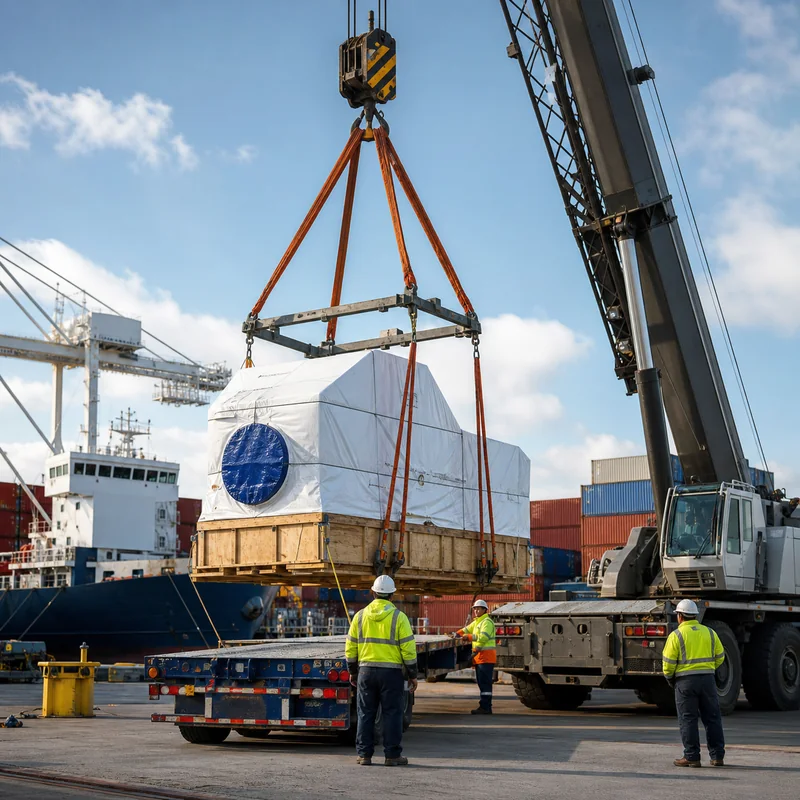
Sooner or later every manufacturer moves the machines themselves, whether that is a single CNC cell going to a new building or an entire production line crossing the country. Equipment moves mix Flatbed loads, over-dimensional pieces that need permits and routing, and rigging coordination on both ends, all against a shutdown window that the plant scheduled months in advance.

Freight Flex plans these moves through Project Cargo coordination, building the transportation sequence from the equipment list, meaning each piece's dimensions, weight, loading method and required-on-site date. Pieces that measure past legal limits get classified honestly, permitted correctly and routed around clearances before dispatch, while the supporting freight fills standard trailers around them. The result is a shutdown that ends on the date the plan said it would, with the machines arriving in the order the installers need them.

Reviews

What It’s Like to Build With Flex

Leave a Review
Pricing

Ready to Get Started?

Tell us what you ship in both directions, including origins, destinations, commodities, weights and dimensions, equipment needs and any receiver appointment requirements. Whether it is a single lane or your whole inbound and outbound program, we will quote it across the modes that fit.

Manufacturing freight details

Get a Manufacturing Freight Quote

Submission received

Your quote request is in.

Thank you. A Freight Flex team member will review your shipment details and follow up shortly.

Build With Flex.