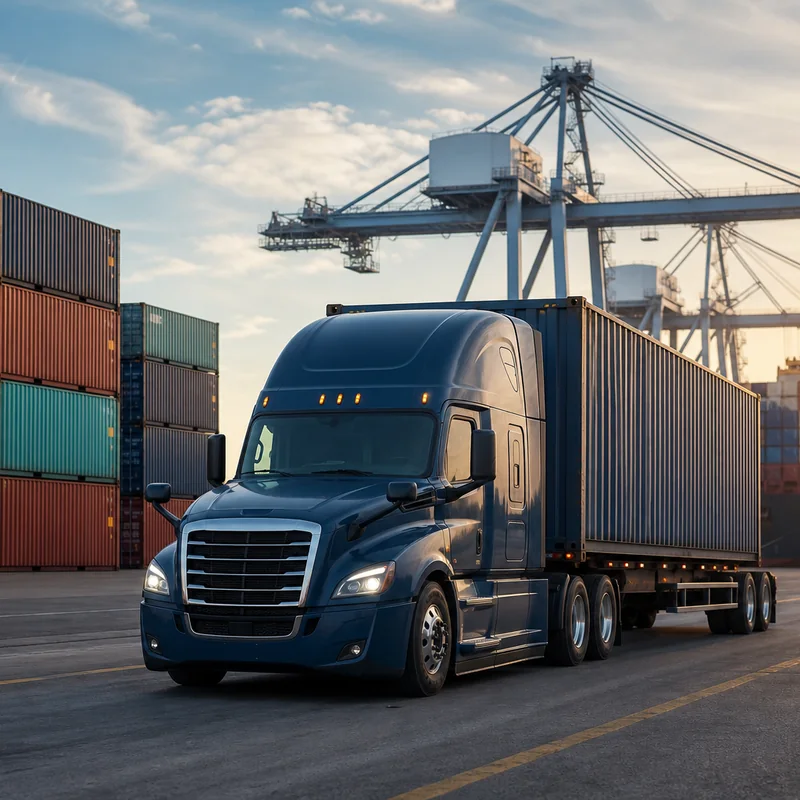
What NVOCC domestic freight demands
An NVOCC's domestic freight begins where the ocean bill ends. Containers land across every major gateway and need pulling inside free time, consolidated boxes carry multiple consignees' cargo bound for different cities, and the freight inside ranges from palletized commercial goods to floor-loaded cargo that domestic receivers cannot take as loaded. The domestic partner has to speak container operations natively, meaning interchange, chassis availability, overweight configurations and the difference between a demurrage problem and a per diem one.
Neutrality is structural for NVOCCs. The domestic provider touches your customers' freight and your service reputation on every move, and a provider with its own shipper ambitions is a conflict wearing a rate sheet. Freight Flex operates as a neutral ground transportation company focused on providing services to forwarders and NVOCCs, which keeps the relationship clean by design.
The pressures on NVOCC operations
The clocks never stop. Free time starts when the box lands, appointment slots at busy terminals go fast and every day of dwell converts service revenue into accessorial expense. Consolidations multiply the coordination, since one container may need deconsolidation and delivery to a dozen consignees, each with its own receiving rules. And because NVOCCs quote inland service into rates set earlier, domestic cost surprises come straight out of margin, making billing discipline as important as trucking execution.
How Freight Flex serves NVOCCs
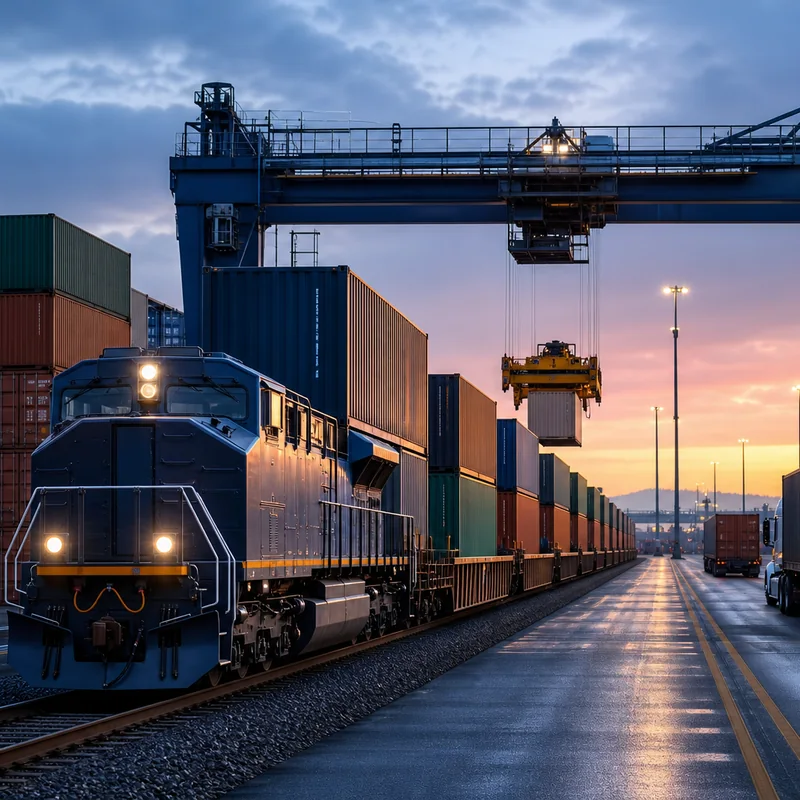
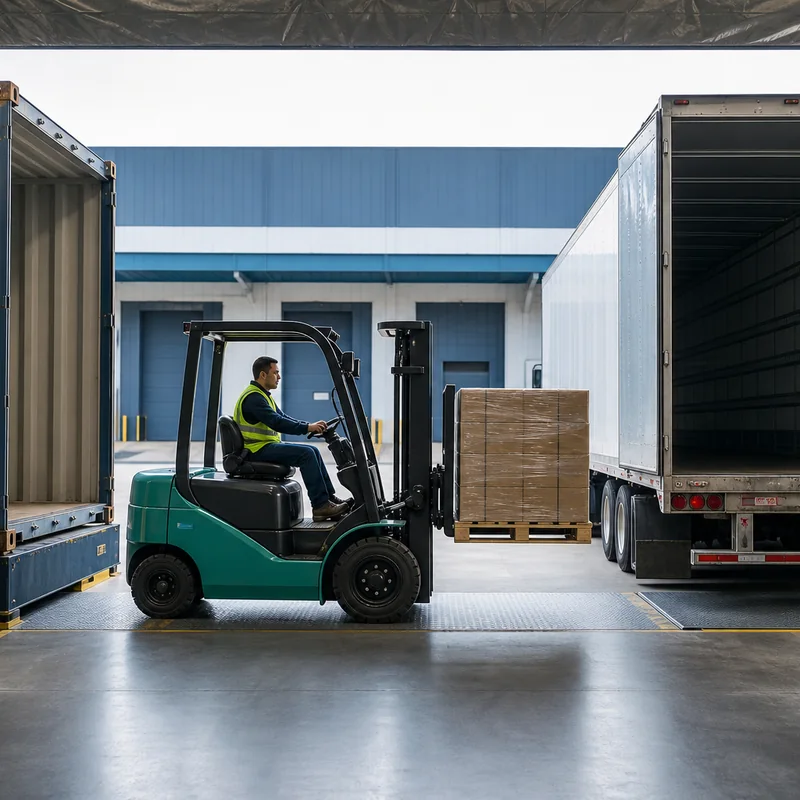
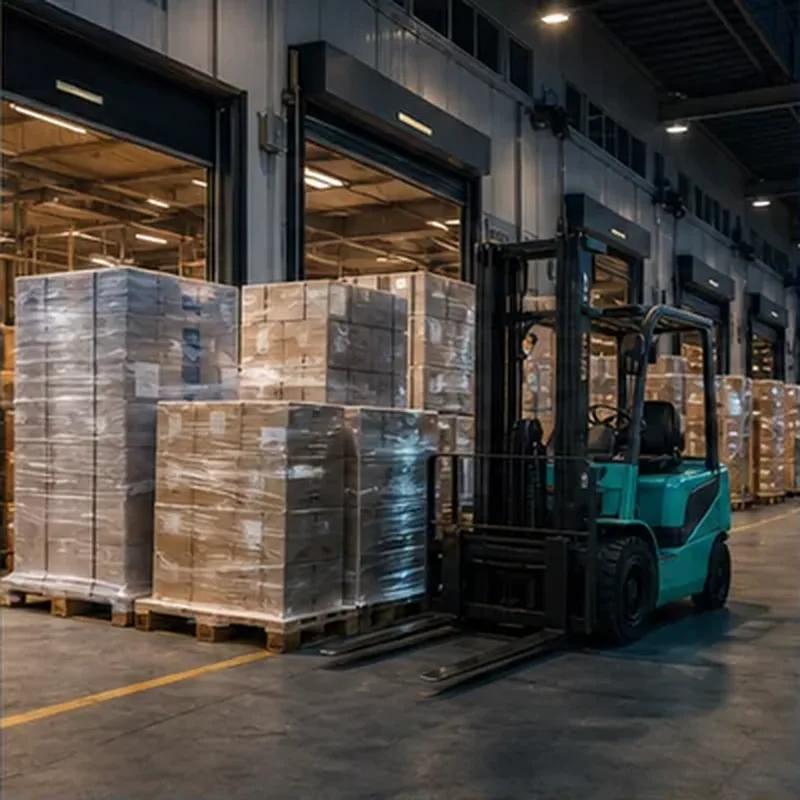
Container operations run through Drayage with complete service and coverage for all US and Canada ports and ramps, built on more than 120 intermodal carriers, stevedoring companies and portside operation facilities, with interchange maintained at every steamship line and online quotes, dispatch and tracking. Transloading converts boxes to domestic freight, avoiding per diem, palletizing floor-loaded cargo and arranging deliveries to multiple locations from one container.
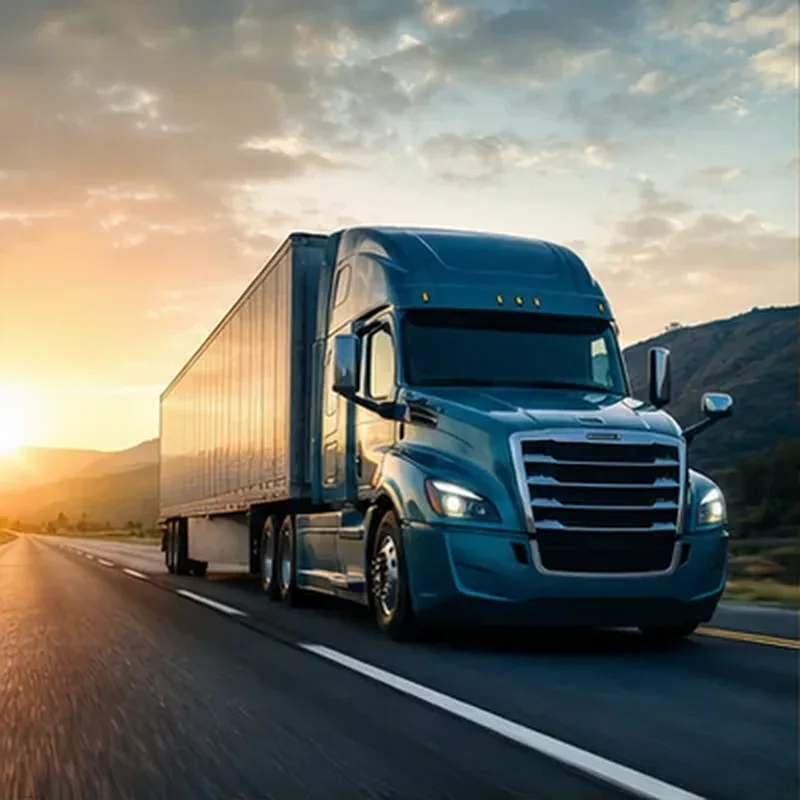
Inland legs price across the full toolkit, with Intermodal rail for long interior moves that value cost over speed, Full Truckload (FTL) for single-consignee volume and Less Than Truckload (LTL) quoted on density with no NMFC required for deconsolidated cargo heading to multiple receivers. One partner covers the whole sequence from terminal gate to final signature.
Operations your service strings can rely on
Carrier compliance tools and an agent success team available 24/7 support each leg, with double-brokering and identity fraud screened and the VIN verified on every shipment through Highway Load Lock. Carrier charges are audited immediately after delivery with courtesy notification of additions, and invoices close within two business days, so your inland costs post while the file is still open. The domestic leg becomes a process, which is what an NVOCC's service product requires it to be.