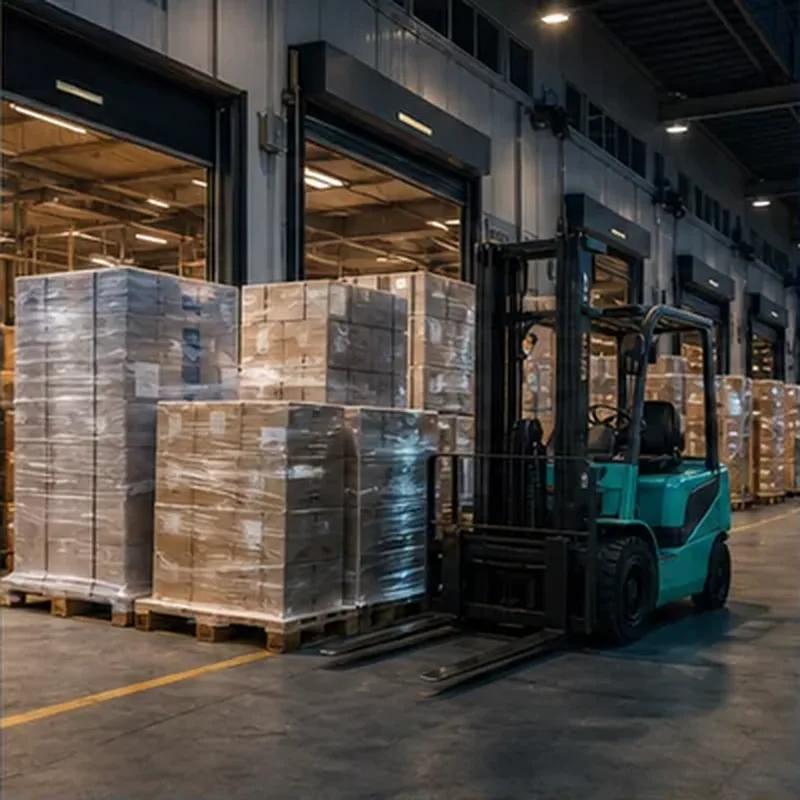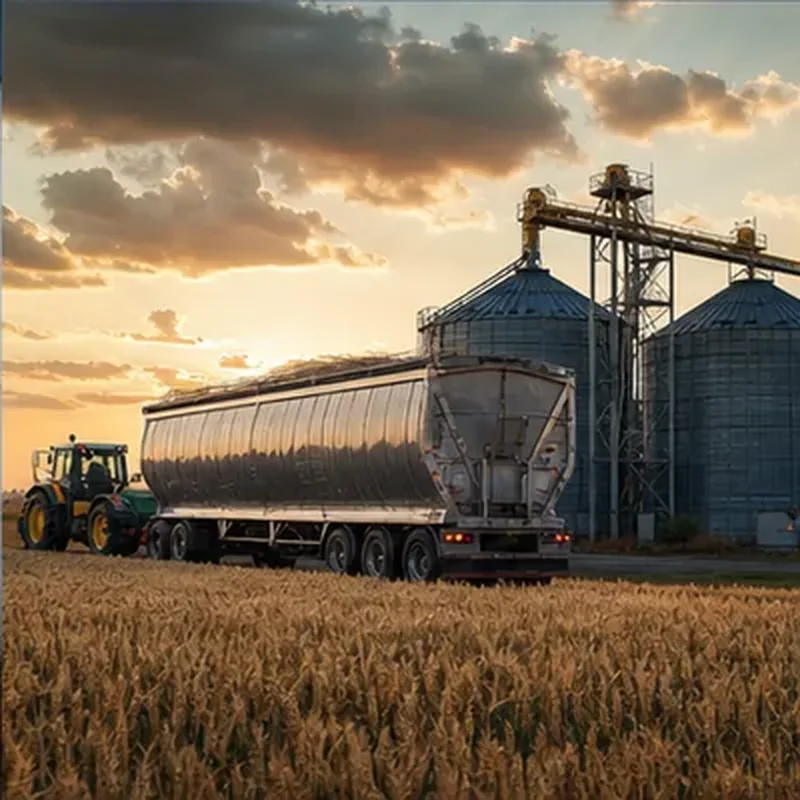
What agriculture freight looks like
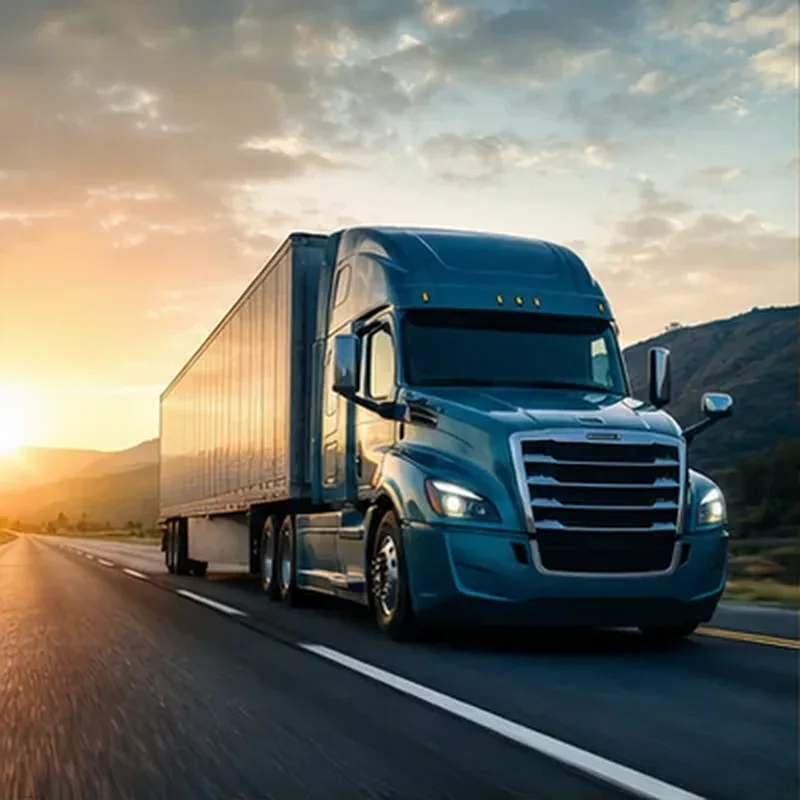
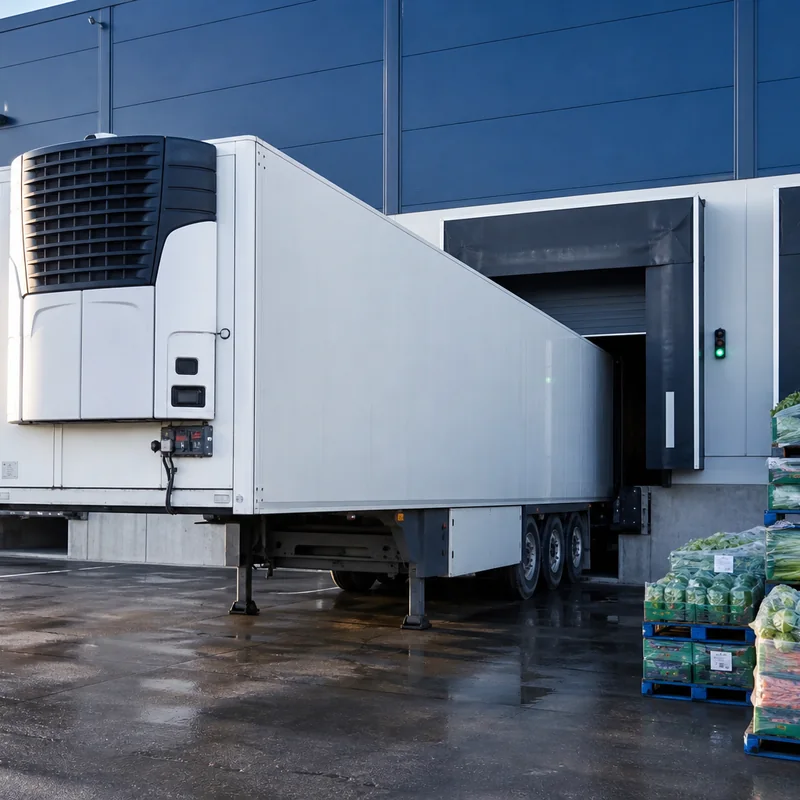
Agriculture ships across a wider range than almost any category. Fresh produce moves in refrigerated trailers with commodity-specific temperature ranges, grain and feed products move in volume, packaged and processed goods flow to food manufacturers and retail, and the equipment side moves implements, machinery and parts between dealers, farms and seasons. Pickup points include packing sheds, elevators, processing plants and farms themselves, often well off the beaten freight path.
The rhythm is what defines it. Harvest windows compress a season's volume into weeks, planting and equipment moves cluster in the shoulders, and the freight plan has to breathe with that calendar rather than fight it.
The pressures on agricultural shippers
Perishability sets the stakes, since produce loses value every hour after harvest and a temperature failure converts a trailer of product into a claim. Capacity timing sets the difficulty, because harvest surges hit regional markets all at once and reefer equipment gets scarce exactly when growers need it most. Rural geography adds the final layer, meaning long deadhead miles that some carriers refuse, loading sites without docks and cell coverage gaps that make undisciplined tracking useless.
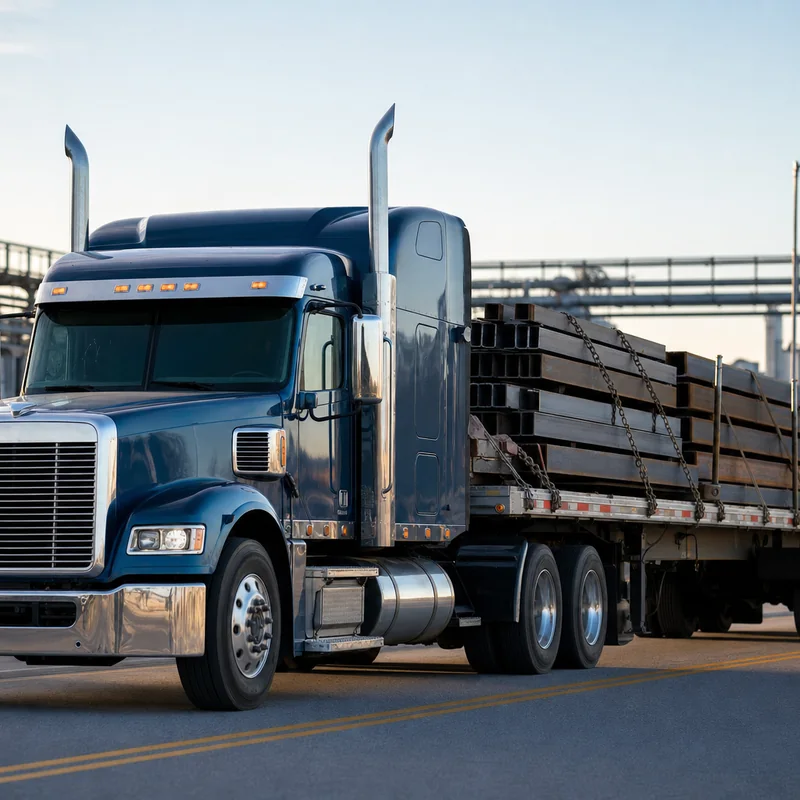
Equipment freight carries its own pressures. Implements and machinery are wide, tall and awkward, moving on open decks with securement that has to be done right, and the seasonal windows for moving them are as fixed as the harvest itself.
How Freight Flex coordinates agriculture freight
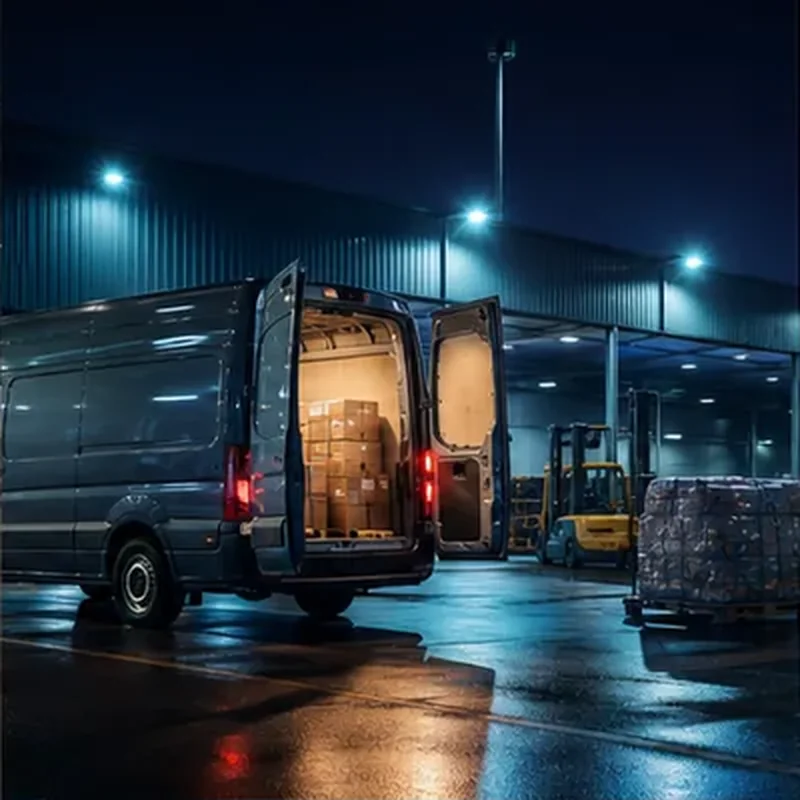
Fresh and frozen product moves through Temperature-Controlled service with the setpoint and run mode confirmed on every dispatch and reefer capacity drawn from a vetted network of more than 7,000 FTL carriers, depth that matters when a region's harvest peaks. Volume freight and packaged goods ride Full Truckload (FTL), while smaller shipments to co-ops, feed stores and food manufacturers move on Less Than Truckload (LTL) quoted on density from weight and dimensions.
Implements and machinery ride Flatbed through more than 25,000 approved open deck carriers matched to the commodity and its securement, with over-dimensional planning behind them when a machine measures past legal limits. And when weather compresses a window or a buyer's dock opens unexpectedly, Expedited service moves the freight now.
Visibility on lanes where visibility is hard
Freight Flex supports agriculture freight with carrier compliance tools and an agent success team available 24/7. The VIN is verified on every shipment through Highway Load Lock and live ELD tracking is required whenever applicable, which keeps loads visible even on lanes where a phone call used to be the only tracking. Carrier charges are audited immediately after delivery and invoices close within two business days, so the season's paperwork ends when the season does.