What moves through Sacramento
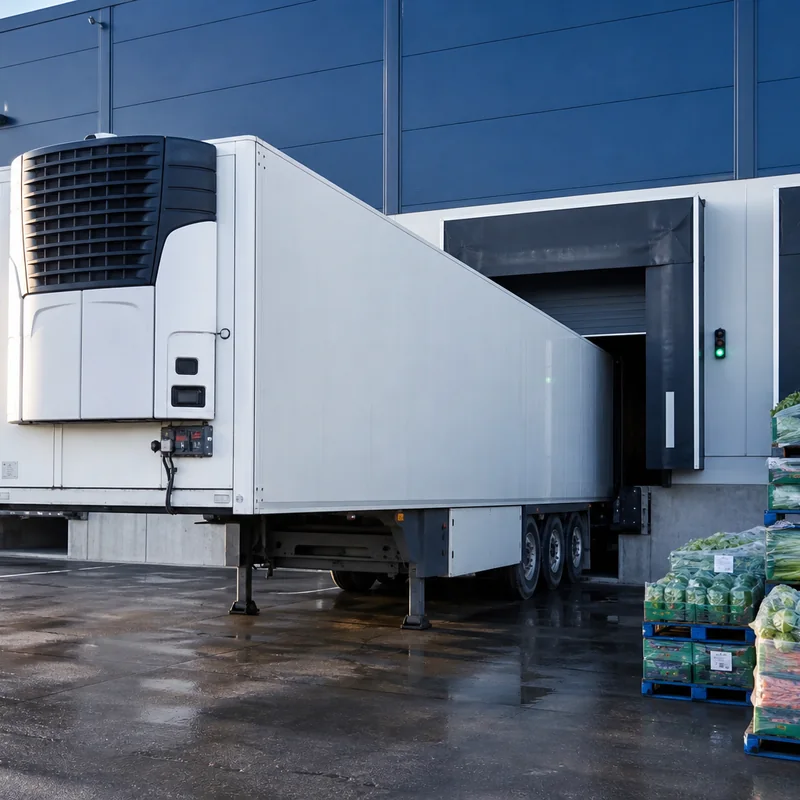
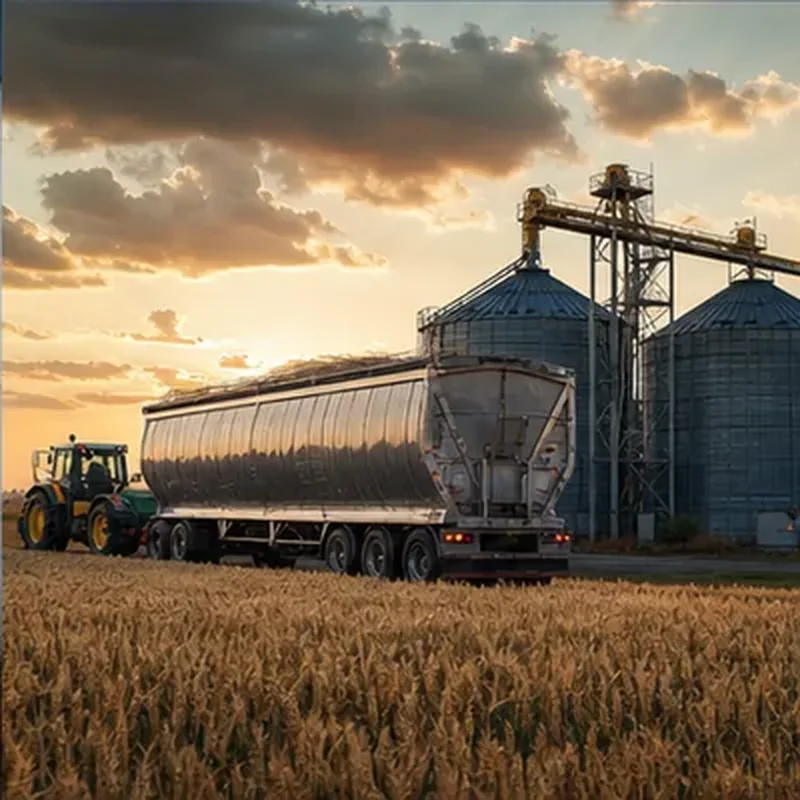
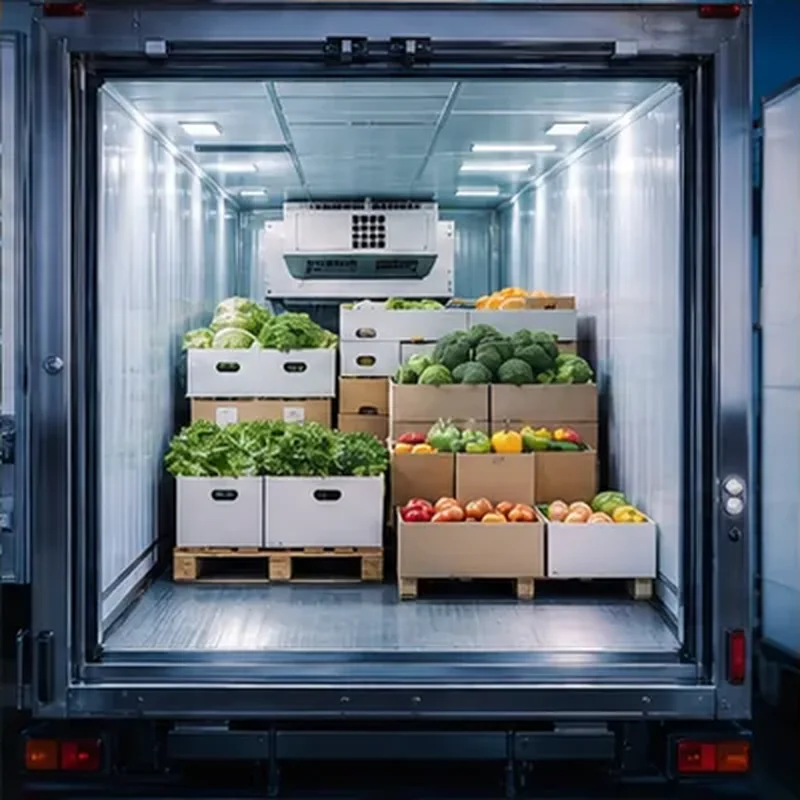
Agriculture leads, with rice, tomatoes, nuts, wine grapes and produce moving from the surrounding valley to processors and markets, and food processing operations converting that output into product shipping year-round. Much of the freight carries temperature requirements and seasonal timing.
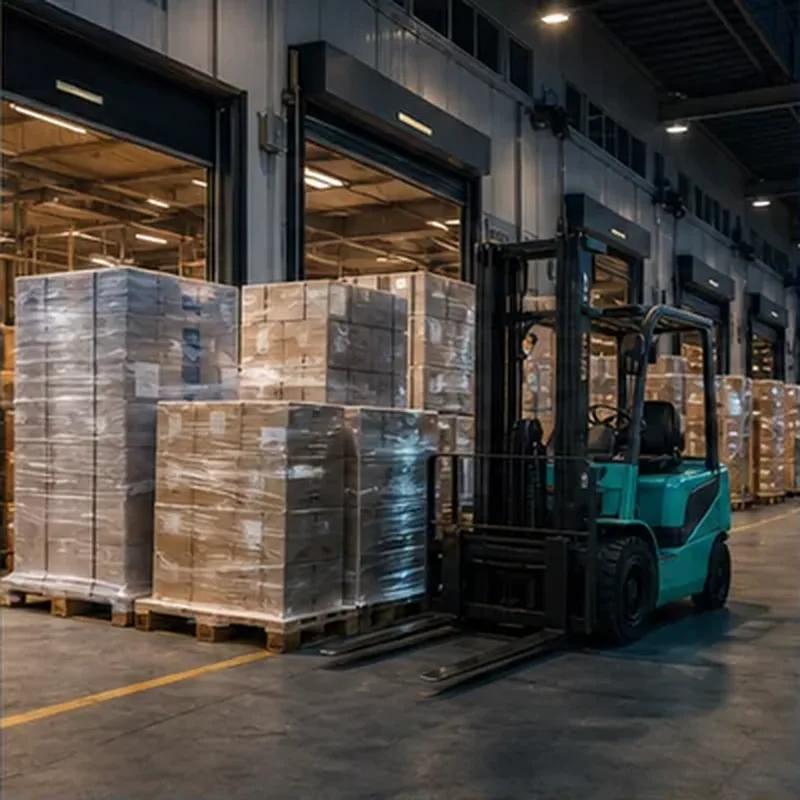
Distribution has grown substantially, with operations serving northern California and the Sierra markets from ground priced below the Bay Area, and construction materials feed steady regional growth. Government and institutional freight adds inbound volume, and manufacturing operates at moderate scale.
The corridors that carry it
I-5 runs the valley's spine north toward Oregon and south toward Los Angeles, I-80 crosses west to the Bay Area and east over the Sierra toward Reno and US-99 serves the valley's agricultural corridor. The Bay Area sits ninety minutes west, and the Sierra passes shape eastbound schedules in winter.
Freight Flex in Sacramento
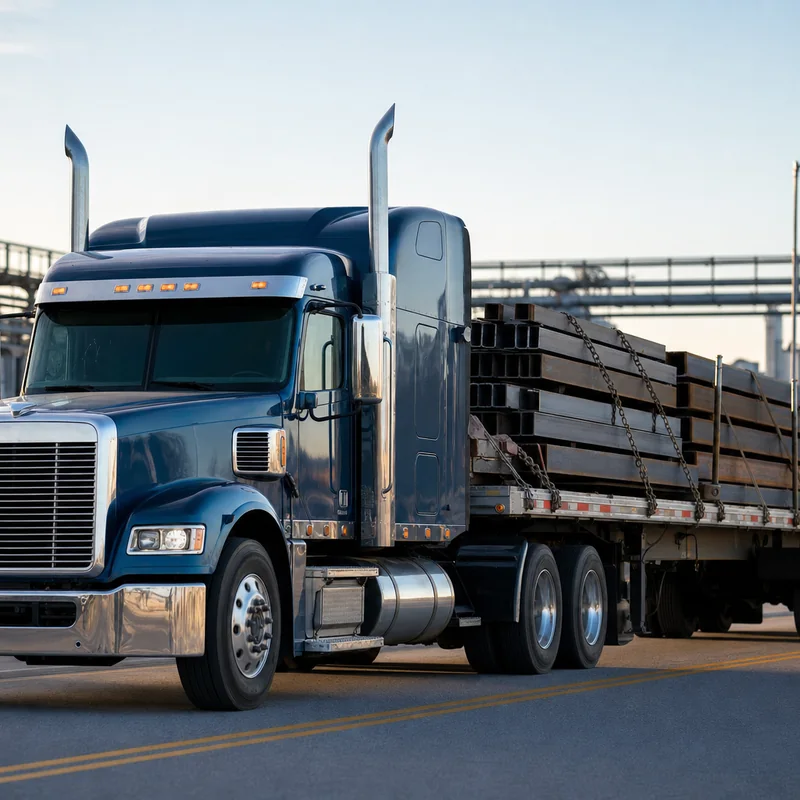
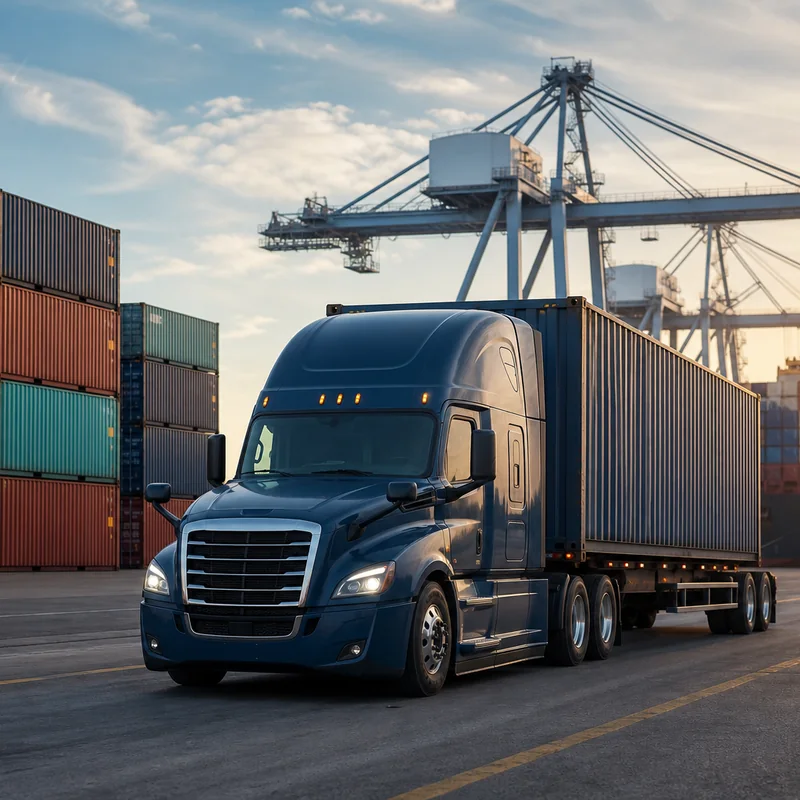
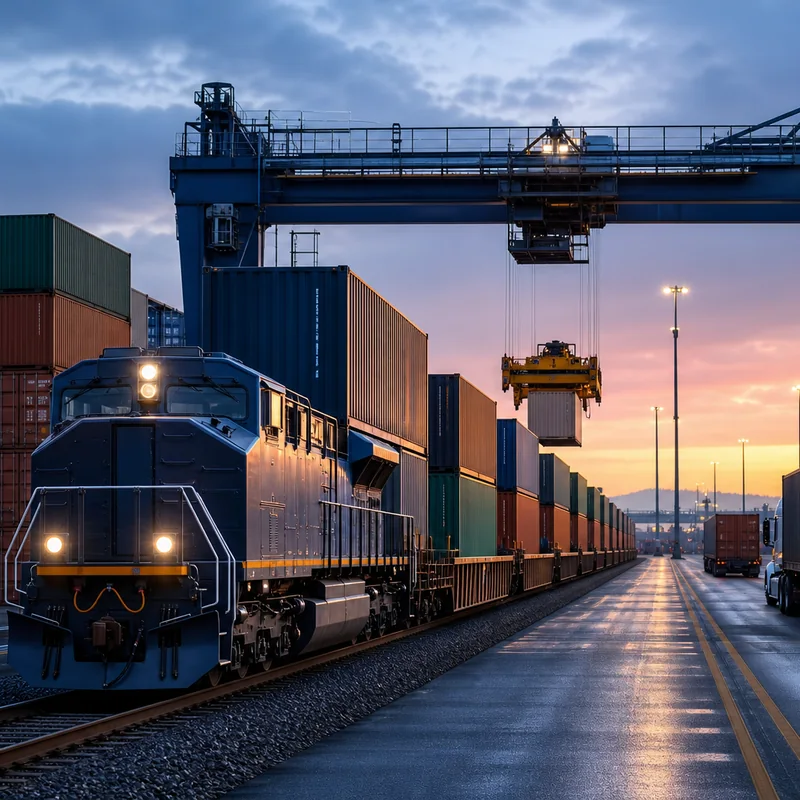
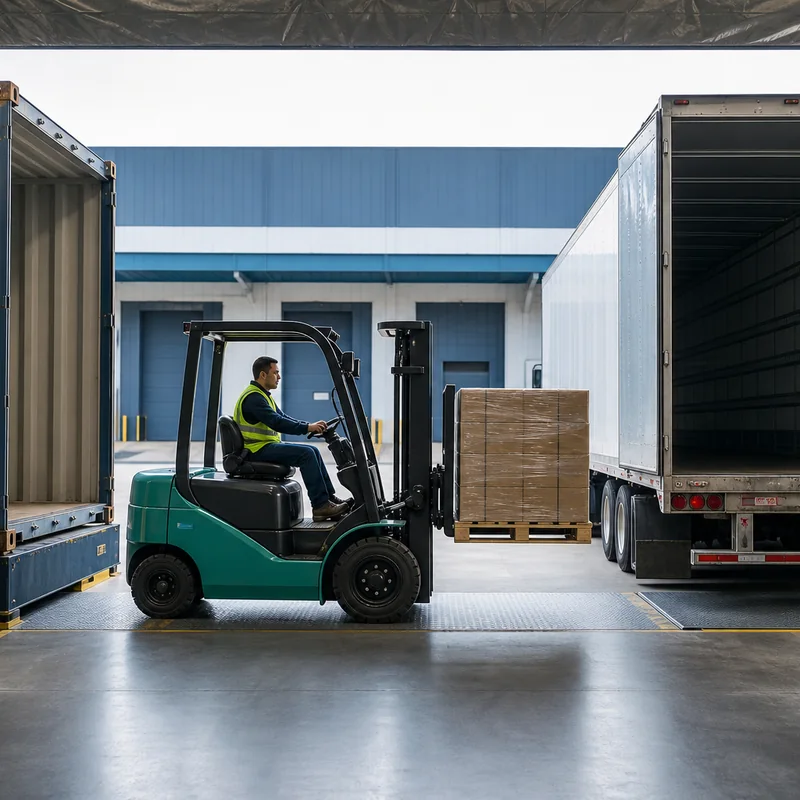
Freight Flex coordinates Temperature-Controlled capacity for agriculture and food processing, Full Truckload (FTL) and Less Than Truckload (LTL) coverage across northern California, Transloading and Drayage connecting the Bay Area gateway, Flatbed capacity for construction and industrial freight and Intermodal options on long lanes. Carrier compliance tools and an agent success team available 24/7 support the move.