What moves through the Bay Area
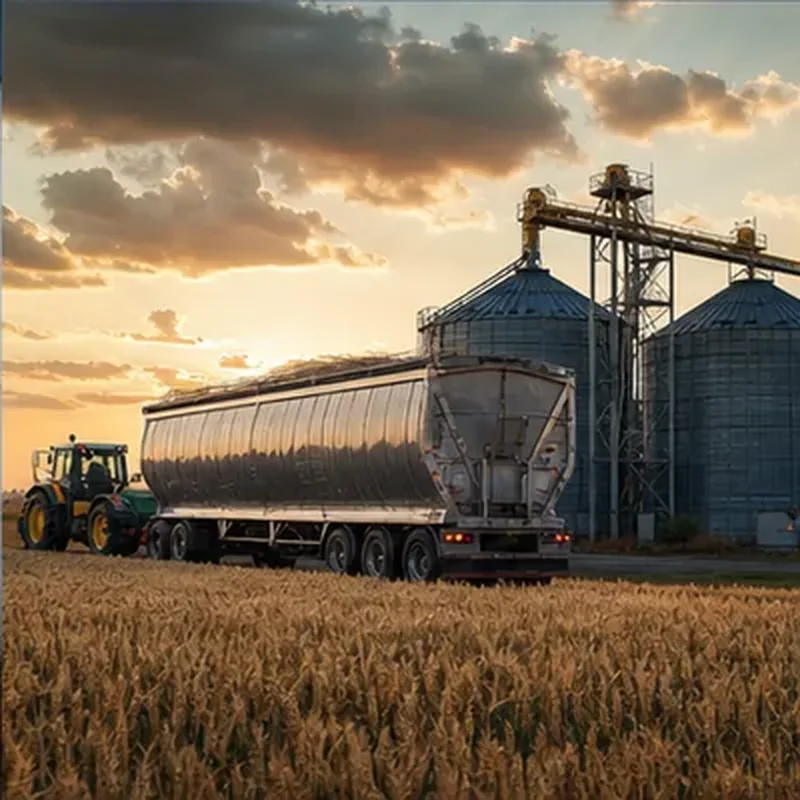
Oakland's export strength distinguishes it from most American ports, with the Central Valley's almonds, wine, dairy, produce and processed food moving through the terminals to Asian markets in serious volume. That two-way traffic keeps carrier economics healthier than at import-dominated gateways.
Imports serve a metro with extraordinary purchasing power, meaning retail, ecommerce and consumer goods, while the technology economy adds high-value equipment and component freight. Food and beverage distribution supplies a dense restaurant and grocery economy, and construction materials feed constant development.
The corridors that carry it
I-880 runs the East Bay industrial spine past the port, I-80 crosses the bay and heads northeast toward Sacramento, I-580 connects east toward the Central Valley and I-5 sits beyond it. Delivery inside the metro contends with real congestion, bridge routing and constrained receiving sites.
Freight Flex in the Bay Area
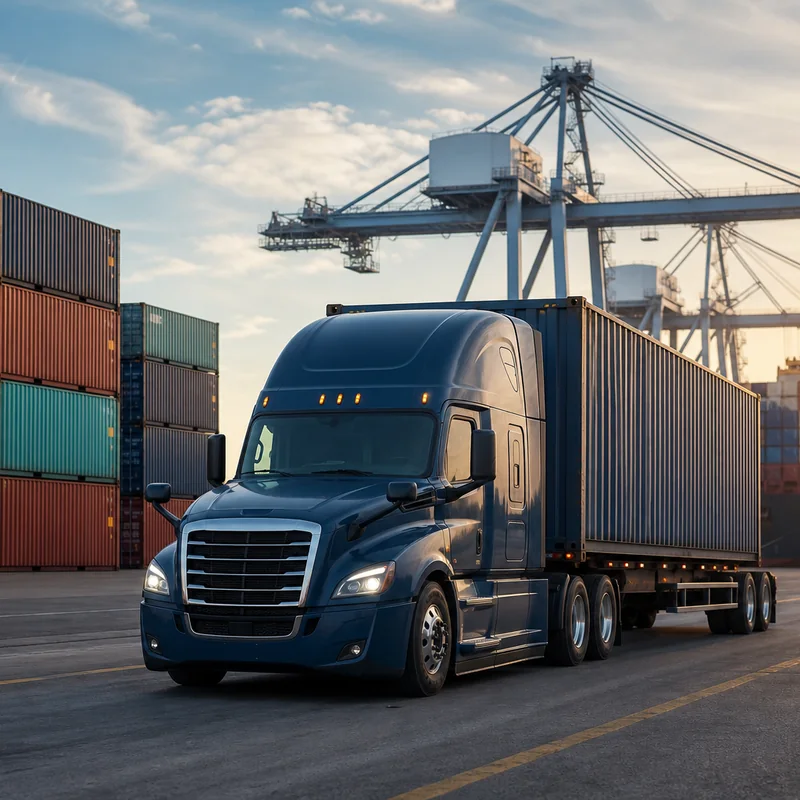
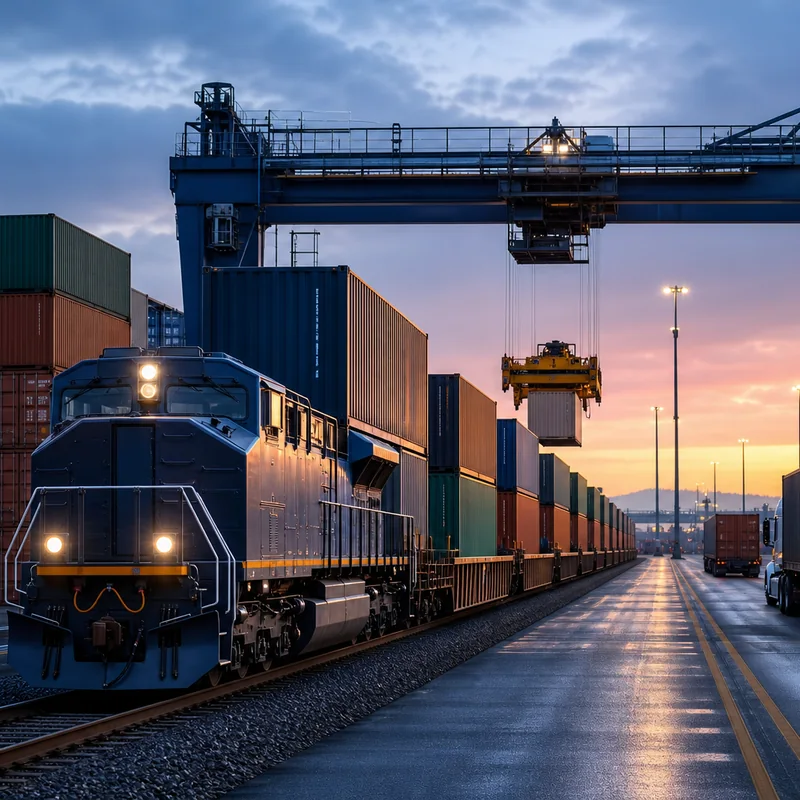
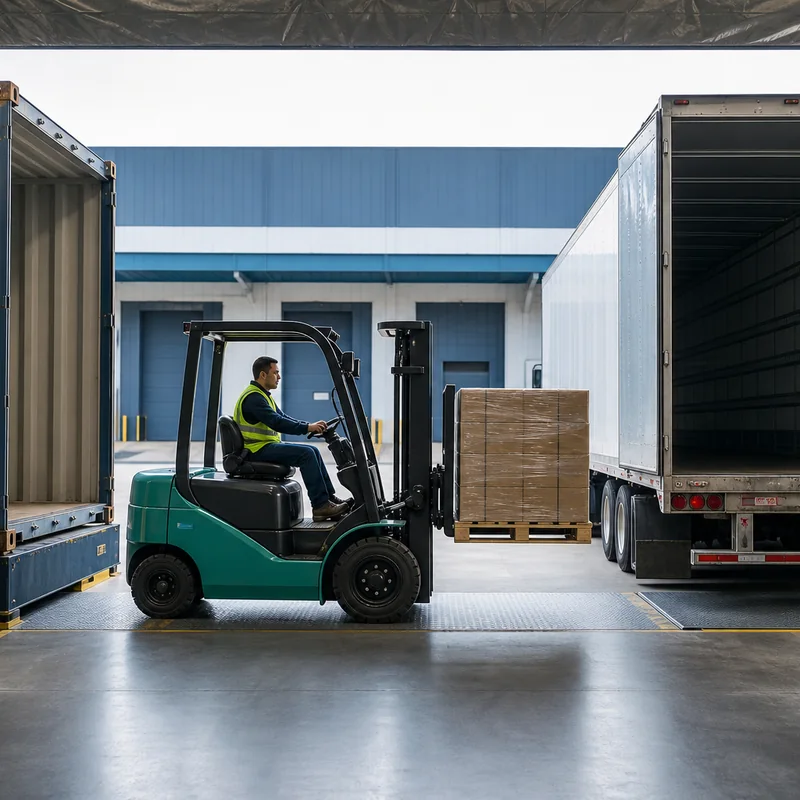
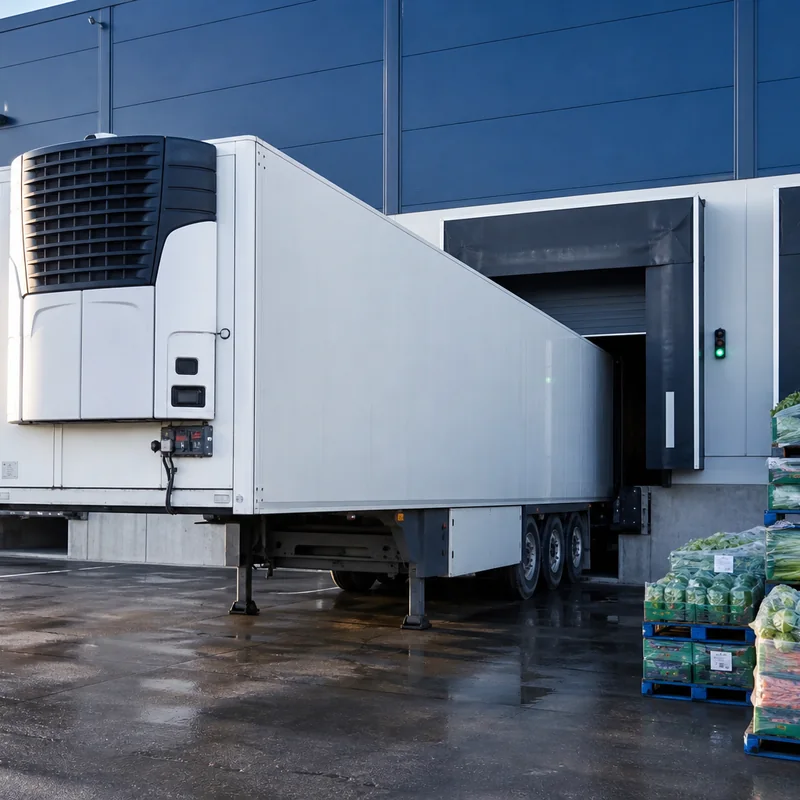
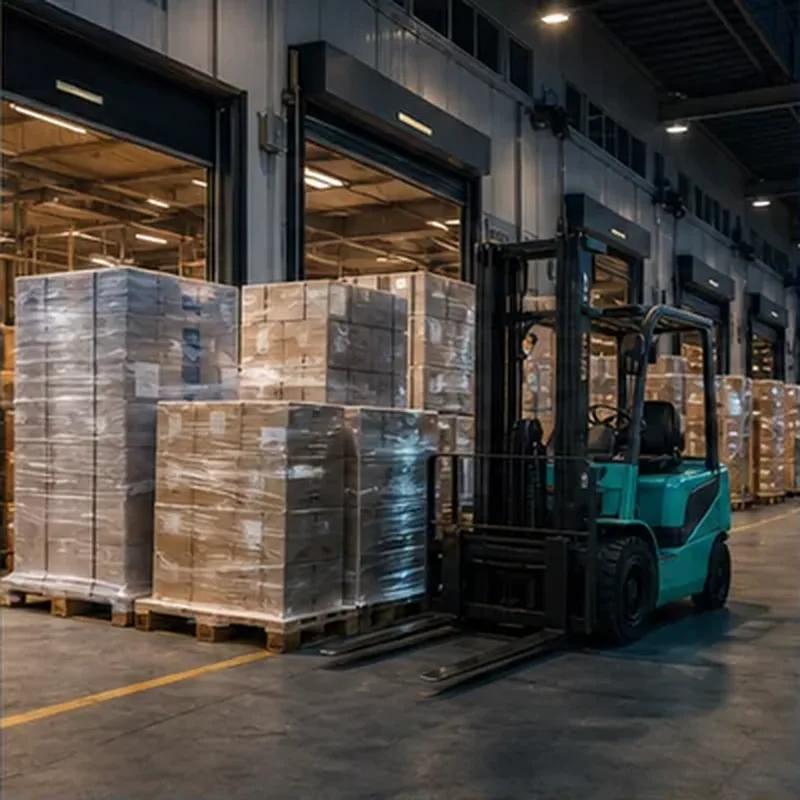
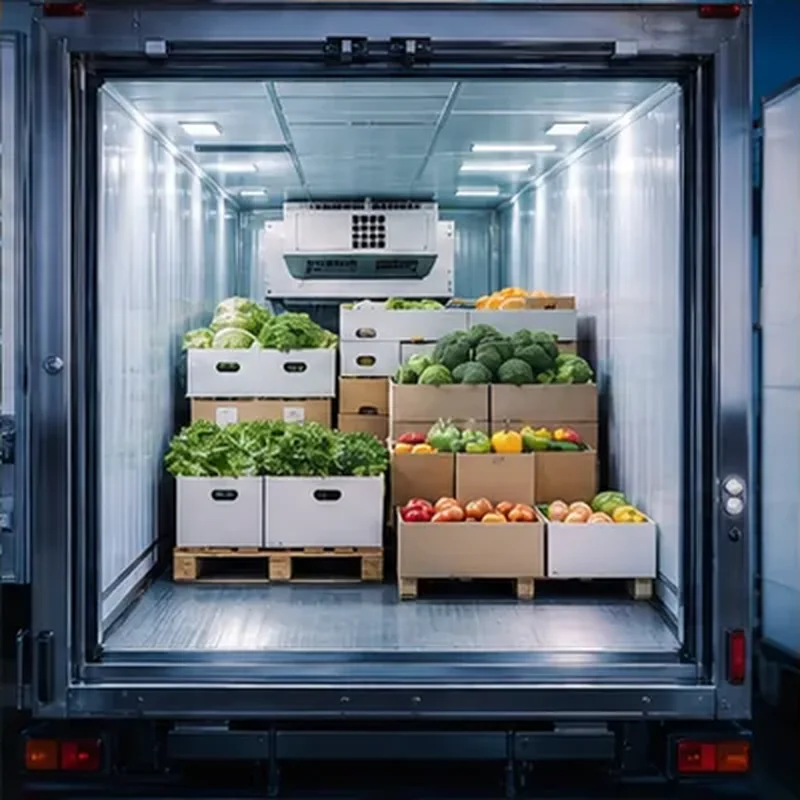
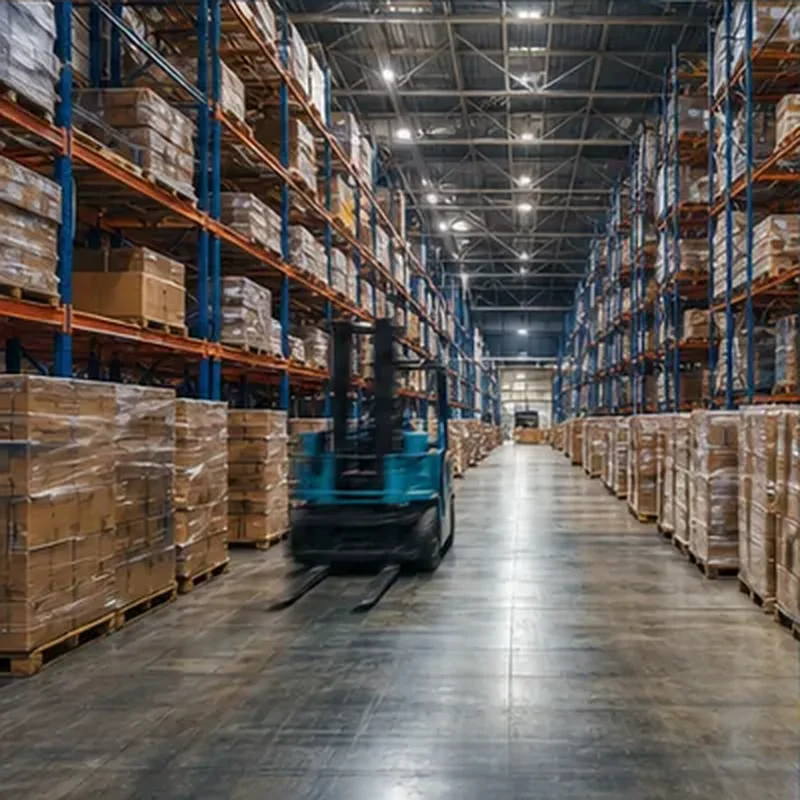
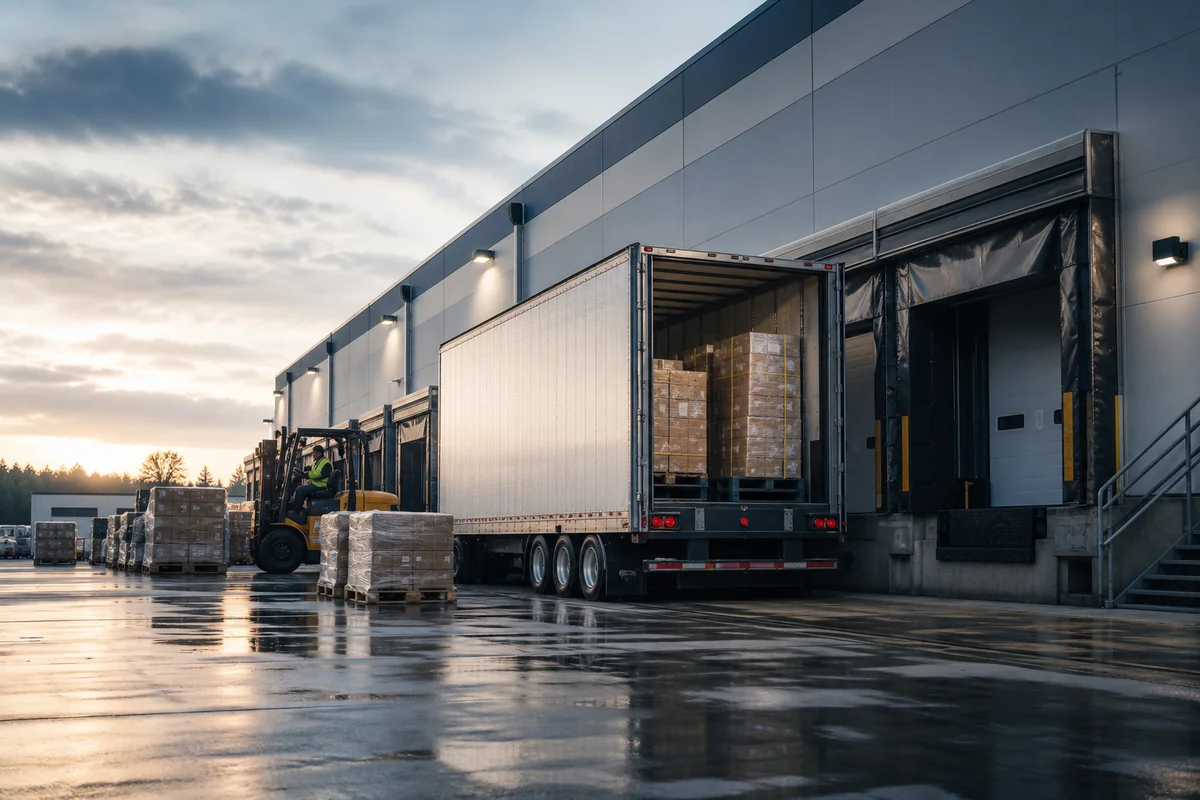
Freight Flex coordinates Drayage at the Oakland terminals with interchange at every steamship line, Transloading converting boxes for regional distribution, Temperature-Controlled capacity for agricultural exports and food distribution, Less Than Truckload (LTL) and Full Truckload (FTL) coverage across the metro and Intermodal options for inland-bound freight. Carrier compliance tools and an agent success team available 24/7 support the move.