California

California Freight

California lands more imports than any state and grows more food than most countries, which makes its freight market two enormous economies sharing one map. Freight Flex coordinates California freight across the ports, the valley and the corridors between, with vetted carriers on every lane.

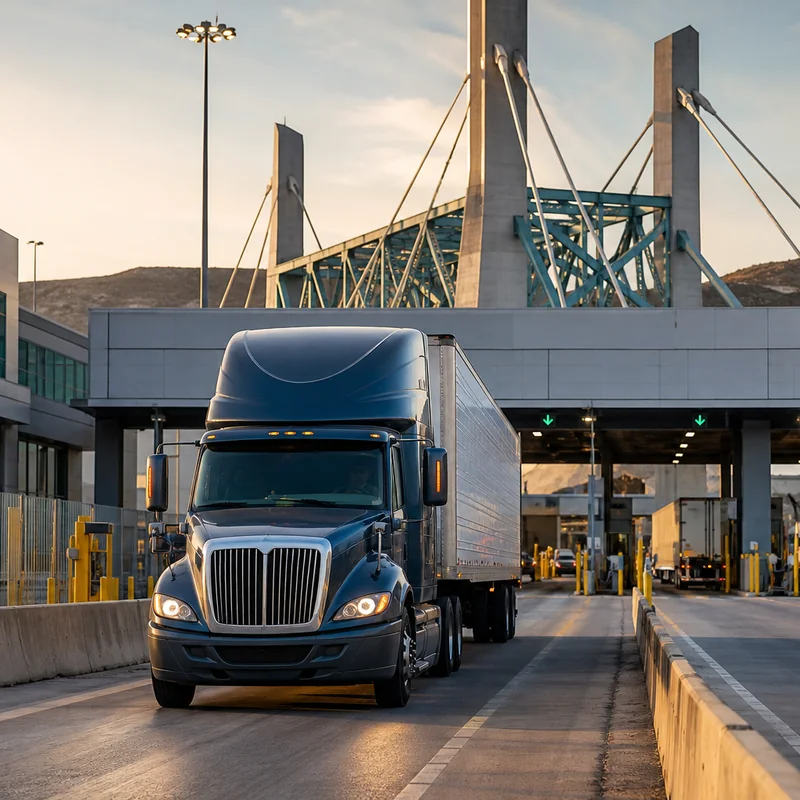
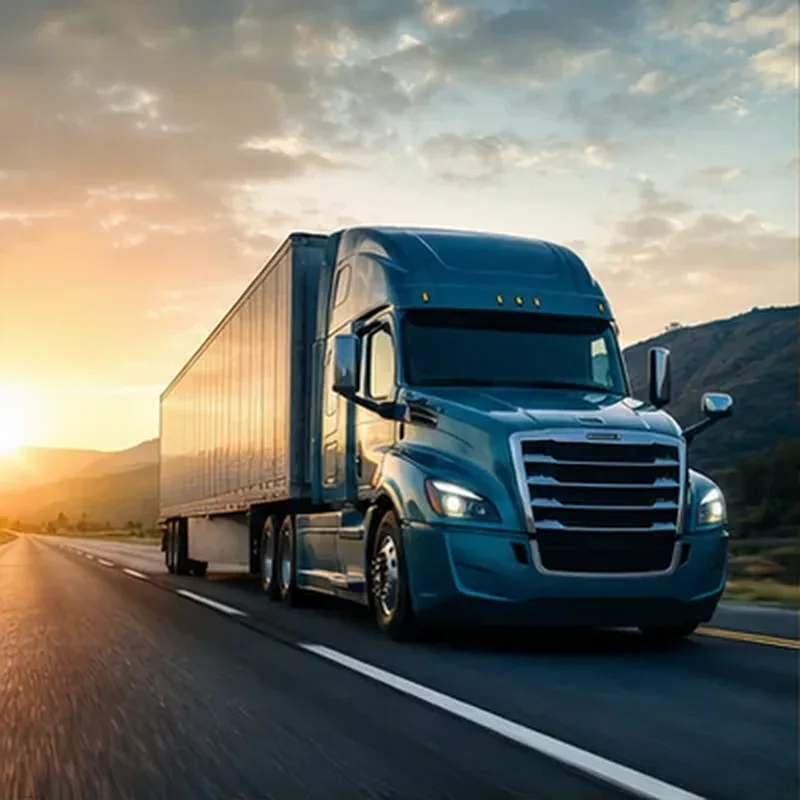
Freight trucks moving along a California interstate between agricultural fields and distribution centers
The California Market

Freight coordination across the country's biggest freight state. Ports, valley and everything between.

California combines the busiest container gateways in the hemisphere with the most productive agricultural region in the country and a consumer market the size of a nation. Freight Flex coordinates California freight across all three.

What moves through California

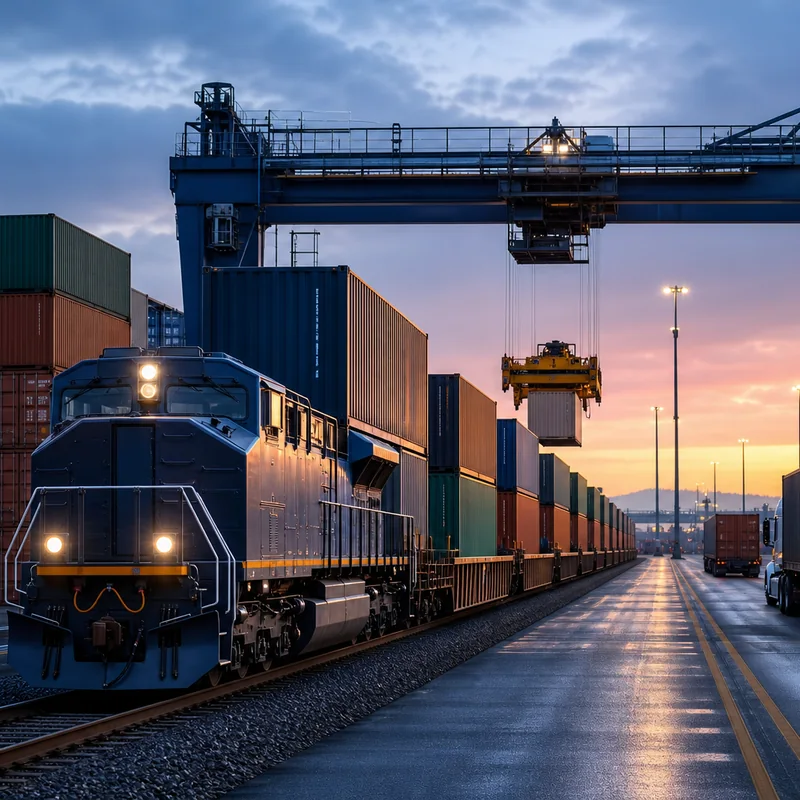
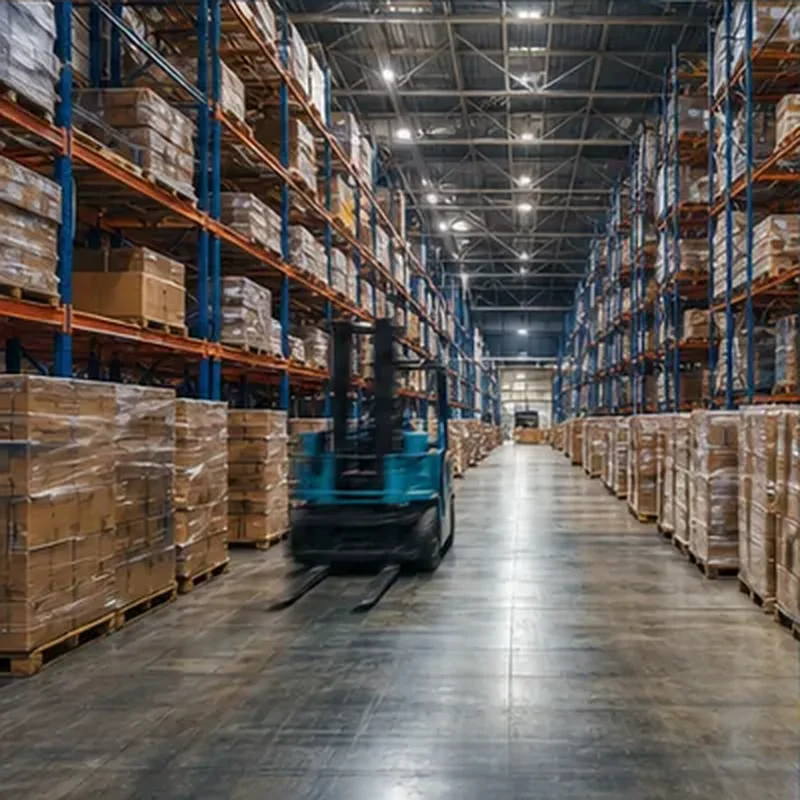
California freight starts at the water. The San Pedro Bay complex at Los Angeles and Long Beach lands an enormous share of American imports, with Oakland serving northern California and the state's export trade, and the freight flows outward from there into the Inland Empire's warehouse fields and across the country. Import distribution, ecommerce fulfillment and consumer goods dominate the southern half of the state's freight profile.

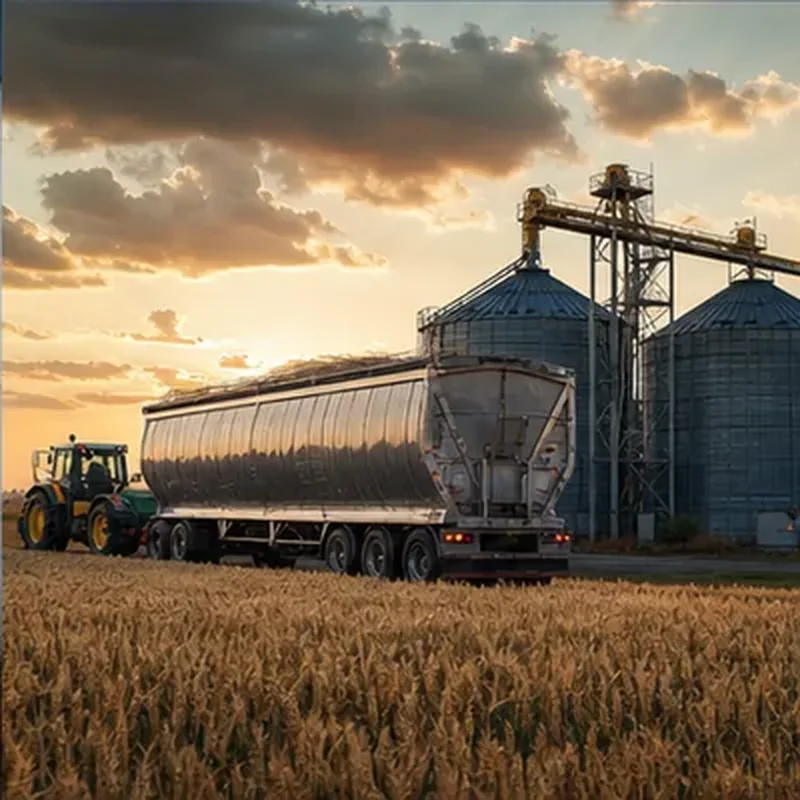
The Central Valley runs a completely different economy, meaning agriculture at a scale no other state approaches, with produce, dairy, nuts, wine and processed foods moving refrigerated freight to domestic markets and out through the ports. Manufacturing, technology hardware, aerospace and a construction economy serving forty million people fill in the rest.

The corridors that carry it

I-5 runs the state's spine from the Mexican border to Oregon, I-10 and I-15 carry freight east out of the southern metros, and Highway 99 serves the valley's agricultural corridor. Distances are national in scale, since Los Angeles to the Oregon line is a two-day drive, and the state's regulatory environment, including equipment and emissions requirements, shapes which carriers can serve which lanes.

Freight Flex in California

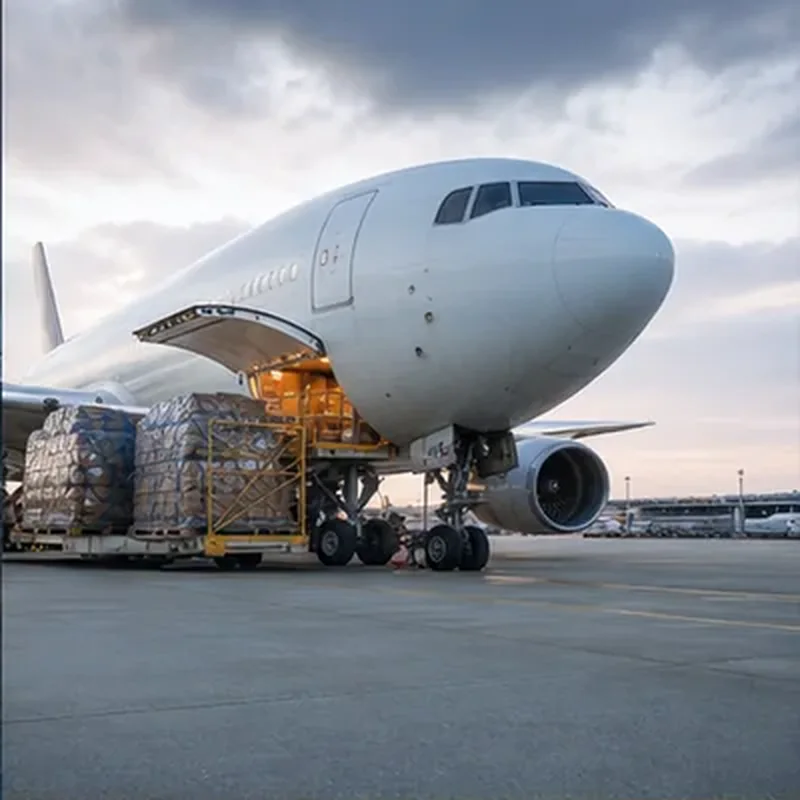
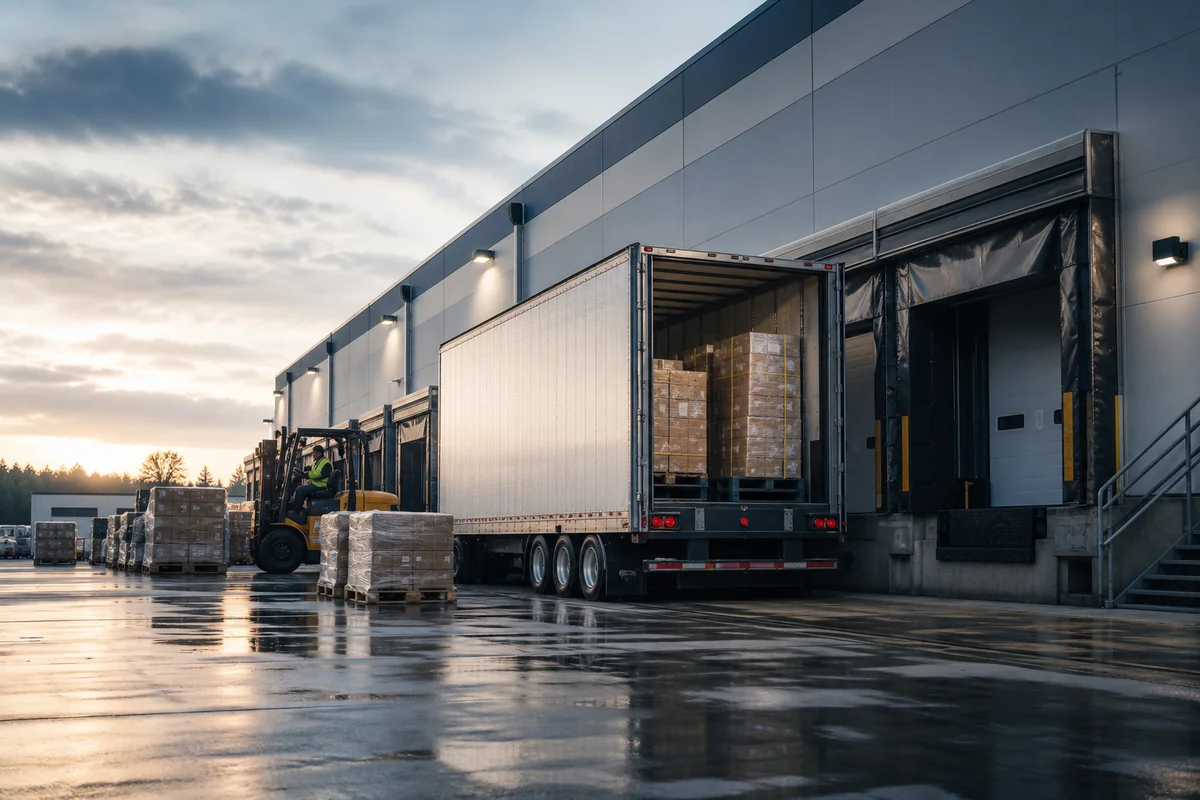
Freight Flex coordinates Drayage at the California ports with interchange at every steamship line, Transloading converting boxes to domestic distribution, Intermodal moves east on rail economics, Temperature-Controlled capacity for the valley's harvests, Full Truckload (FTL) and Less Than Truckload (LTL) coverage statewide and Cross-Border programs through the southern crossings. Carrier compliance tools and an agent success team available 24/7 support the move.
Every California Gateway

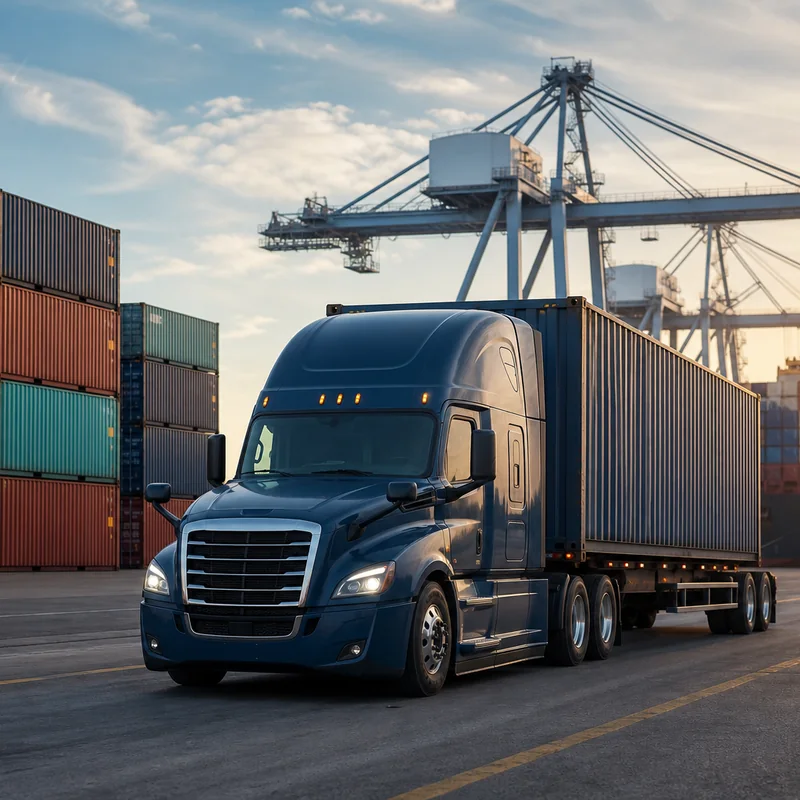
Drayage and transloading at the state's ports with pre-arrival plans and interchange at every steamship line, feeding distribution across the state and the country.

Built for the Valley

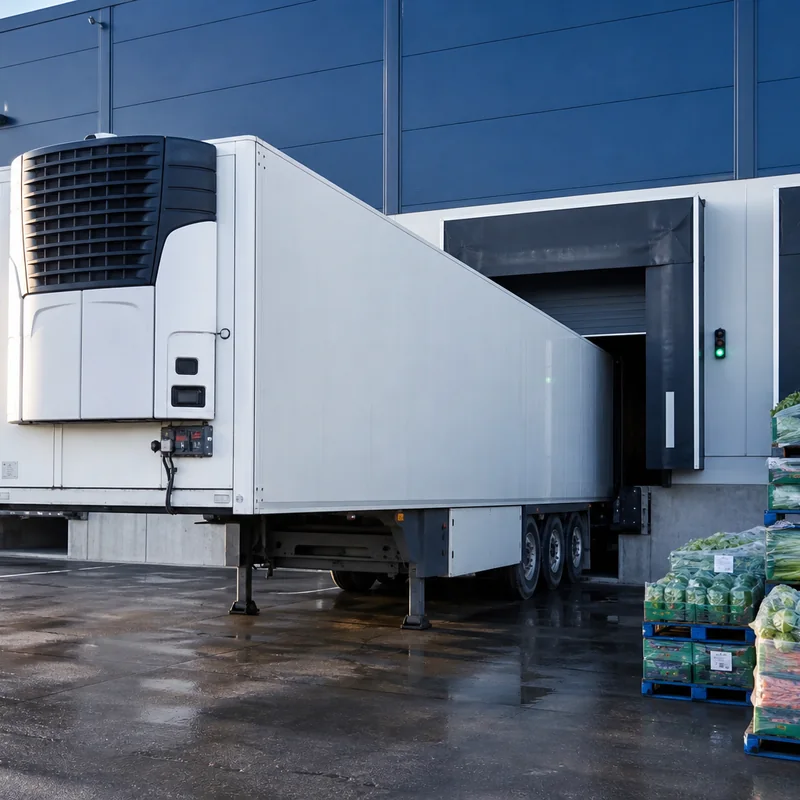
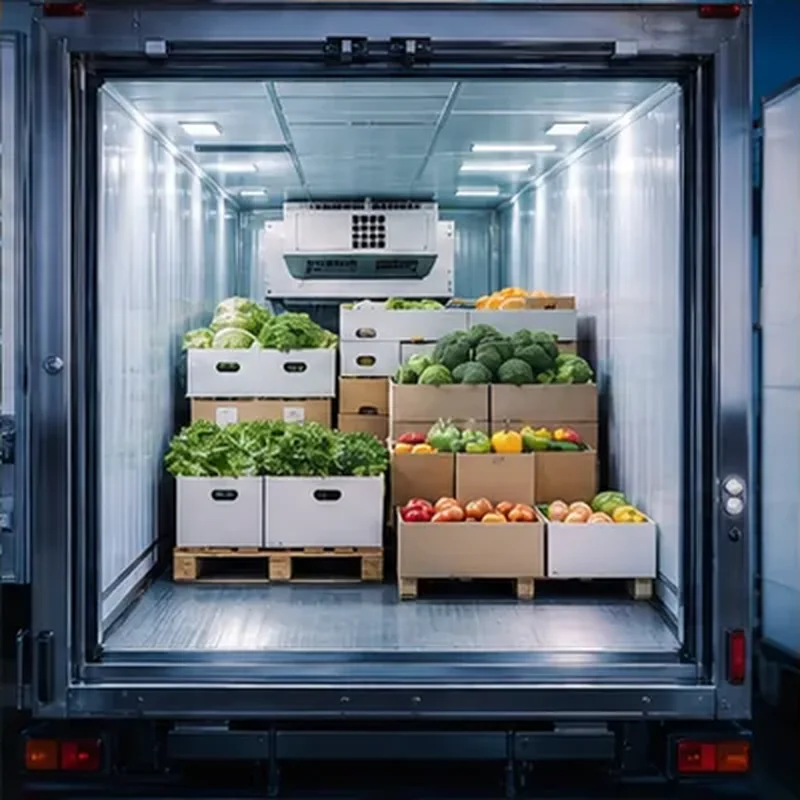
Reefer capacity with setpoints confirmed on every dispatch, serving harvest surges in the most productive agricultural region in America.

Compliance on Every Lane

Carrier compliance tools support shipment security, backed by an agent success team available 24/7. California volume never lowers the bar.

The Freight Flex promise

Your California freight moves on plan. Build With Flex.

For every shipper moving California freight, Freight Flex commits to having port plans ready before vessels berth, protecting agricultural cold chains through every handoff and covering the state's long lanes with vetted capacity through peak import waves and harvest surges alike. A state this large and this varied needs one team that knows which of its economies your freight belongs to, and plans accordingly.

0+
Shipments Coordinated
#0
Inc. 5000 Fastest-Growing Private Companies
0
States of Nationwide Coverage
0+
Freight Flex Offices
Operating standards

California freight standards. Vetted. Verified. Visible.

Freight Flex combines carrier compliance tools with an agent success team available 24/7 to help reduce cargo theft, fraud and claims and support shipment visibility. These standards ride on every California load we arrange.

  • Only work with Highway verified Motor Carriers.
  • 1+ year active authority required.
  • Double-brokering and identity fraud screened, then monitored in transit.
  • $1M Auto Liability + $100K Cargo Insurance required.
  • VIN verified on every shipment through Highway Load Lock.
  • Supplemental cargo insurance available up to $2,000,000 per shipment, beyond standard carrier coverage.
Freight services

The services California freight uses most. Two economies, one toolkit.

California freight spans the import chain and the agricultural chain. Drayage and transloading work the ports, intermodal carries freight east, temperature-controlled capacity moves the harvests, truckload and LTL cover the state's distribution and cross-border coordination handles the southern crossings.

See All Services
Industries

The industries that run on California freight. The state's economy.

California freight serves the country's most varied industrial base, meaning agriculture from the Central Valley, retail and ecommerce networks landing and distributing imports, consumer brands moving product at import scale, manufacturing including technology and aerospace, food and beverage processing and the forwarders and NVOCCs running the gateway's programs.

See All Industries
Planning California Freight

How shippers plan California freight. Two clocks, one state.

California asks shippers to plan against two very different calendars, meaning the import cycle at the ports and the harvest cycle in the valley, with the state's distances and regulations shaping both.

Import flows and the inland decision.

Every container landing in California faces the same early fork, meaning a straight Drayage move for regional freight, Transloading for boxes splitting to multiple destinations or converting floor-loaded cargo, or Intermodal rail for inventory heading east with calendar room. Choosing before the vessel berths is worth more than choosing perfectly, since free time is the clock that never stops.

Peak import season arrives on a known calendar, and programs that book dray, transload and delivery capacity ahead of the wave clear it while spot-shopped freight pays the peak. The Inland Empire is where most of that freight lands, and planning the port-to-warehouse sequence as one flow rather than three handoffs is the difference between a program and a scramble.

Harvest freight and the valley's calendar.

The Central Valley ships on the crop's schedule, with harvest windows compressing volume into weeks and reefer capacity tightening across the state exactly when growers need it. Temperature-Controlled freight through Freight Flex carries an exact setpoint and run mode on every dispatch, with precooling and airflow-conscious loading protecting product that started aging at harvest. Standing seasonal lanes committed before the surge ride through it.

Distances shape everything else, since a valley pickup to a Bay Area receiver is a different lane than a valley pickup to Chicago, and the long eastbound runs deserve Intermodal comparison when the calendar allows. Full Truckload (FTL) and Less Than Truckload (LTL) programs statewide run on honest transit expectations rather than optimistic mileage math, which in a state this size is the most useful discipline there is.

Reviews

What It’s Like to Build With Flex

Leave a Review
Pricing

Ready to Get Started?

Tell us the lane, commodity, weights and dimensions, and any port, temperature or appointment requirements. From one container to a statewide agricultural program, we will quote it across the services that fit.

California shipment details

Get a California Freight Quote

Submission received

Your quote request is in.

Thank you. A Freight Flex team member will review your shipment details and follow up shortly.

Build With Flex.