Colorado

Colorado Freight

Colorado runs a Front Range distribution corridor, energy operations on the plains and mountain routes that close without asking. Freight Flex coordinates Colorado freight across all of it, with vetted carriers and winters built into every schedule.

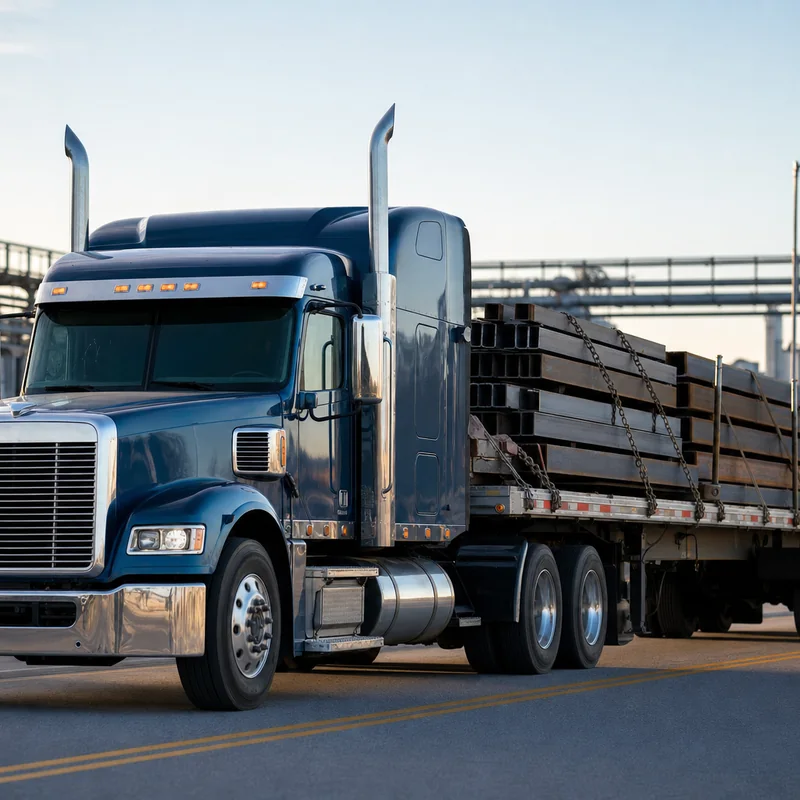
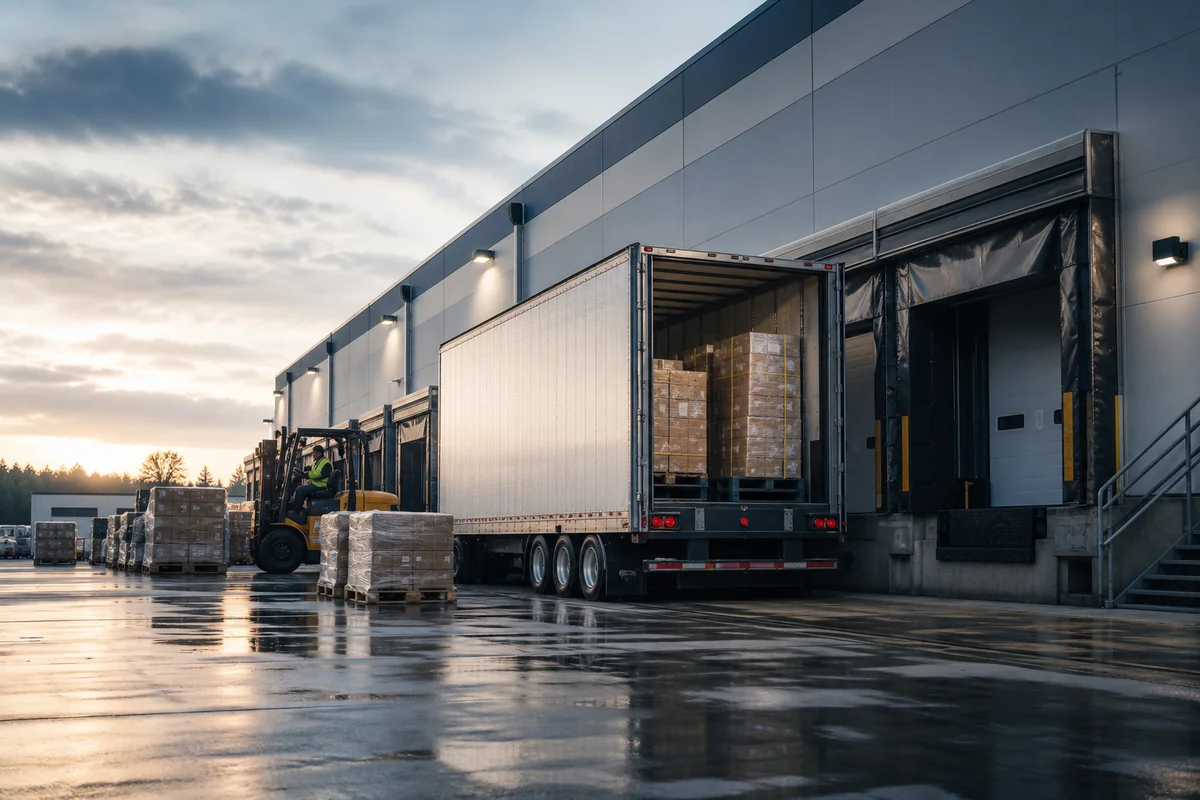
Freight trucks on a Colorado interstate with the Front Range in the distance
The Colorado Market

Freight coordination along the Front Range. Corridor, basin and mountains.

Colorado concentrates its population and its distribution along the Front Range, runs energy operations on the eastern plains and northern basins, and asks freight to cross mountains for anything heading west. Freight Flex coordinates all three.

What moves through Colorado

The Front Range corridor from Fort Collins through Denver to Colorado Springs holds nearly all the state's distribution activity, meaning retail and ecommerce replenishment, consumer goods, food distribution and building materials feeding a construction market that has run hot for years. Denver anchors it as the only major distribution hub for hundreds of miles in any direction.

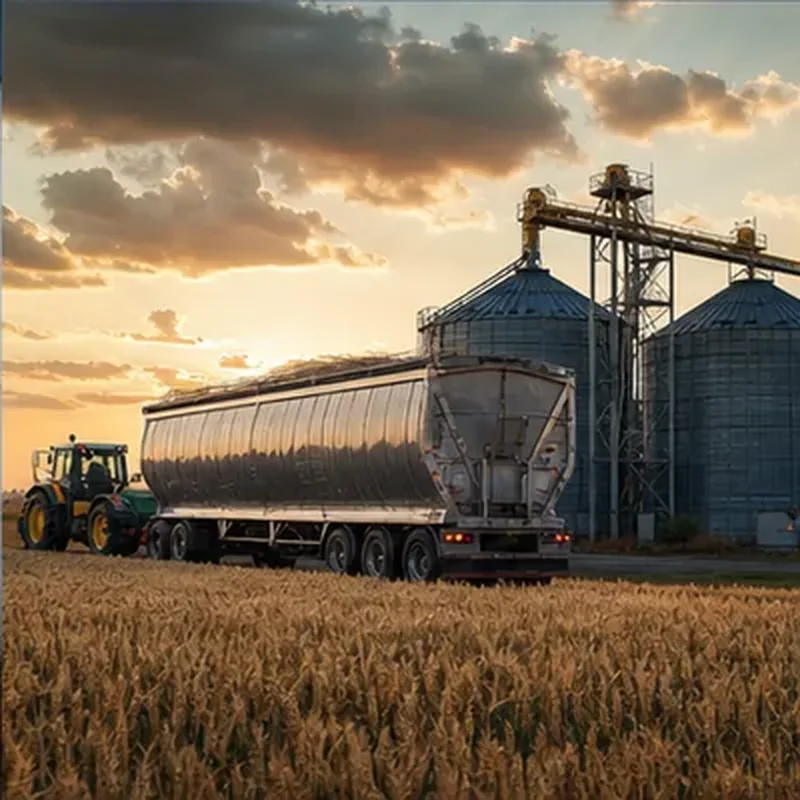
Energy operations across the Denver-Julesburg basin and the western slope move equipment, pipe and materials, agriculture on the eastern plains ships grain and cattle, and a growing manufacturing and aerospace sector adds high-value freight. Mountain communities create their own delivery challenges, particularly in resort areas during peak seasons.

The corridors that carry it

I-25 runs the Front Range north-south from Wyoming to New Mexico, I-70 crosses east-west from Kansas over the mountains toward Utah and I-76 connects northeast toward Nebraska. The I-70 mountain corridor is the state's defining constraint, since winter closures, chain laws and grade restrictions shape westbound schedules for months at a time.

Freight Flex in Colorado

Freight Flex coordinates Full Truckload (FTL) and Less Than Truckload (LTL) freight along the Front Range and beyond, Flatbed, Heavy Haul and Project Cargo coordination for energy and construction freight, Expedited equipment for basin and manufacturing urgency, Temperature-Controlled capacity for food distribution and Intermodal options on long eastern lanes. Carrier compliance tools and an agent success team available 24/7 support the move.

Mountain Routes Planned

I-70 closures, chain laws and grade restrictions get built into westbound schedules from October through spring rather than discovered at the tunnel.

The Front Range Corridor

Nearly all the state's distribution runs along one corridor, and programs planned around it reach Colorado's population efficiently instead of chasing it.

Compliance on Every Lane

Carrier compliance tools support shipment security, backed by an agent success team available 24/7. Mountain lanes never lower the bar.

The Freight Flex promise

The mountains never surprise your schedule. Build With Flex.

For every shipper moving Colorado freight, Freight Flex commits to planning mountain conditions into westbound schedules, covering Front Range distribution with vetted capacity and matching energy and construction freight to the right equipment before it ships. Winter gets budgeted for, sites get flagged and the geography stops being an excuse.

0+
Shipments Coordinated
#0
Inc. 5000 Fastest-Growing Private Companies
0
States of Nationwide Coverage
0+
Freight Flex Offices
Operating standards

Colorado freight standards. Vetted. Verified. Visible.

Freight Flex combines carrier compliance tools with an agent success team available 24/7 to help reduce cargo theft, fraud and claims and support shipment visibility. These standards ride on every Colorado load we arrange.

  • Only work with Highway verified Motor Carriers.
  • 1+ year active authority required.
  • Satisfactory or Unrated FMCSA safety rating required.
  • $1M Auto Liability + $100K Cargo Insurance required.
  • VIN verified on every shipment through Highway Load Lock.
  • Live ELD tracking required whenever applicable.
Freight services

The services Colorado freight uses most. Corridor and country.

Colorado freight covers distribution and industry. Truckload and LTL serve the Front Range corridor and the long regional lanes, flatbed and heavy haul move energy and construction freight, project cargo handles installations, and expedited and reefer capacity cover the urgent and the perishable.

See All Services
Industries

The industries that run on Colorado freight. The state's economy.

Colorado freight serves the region's anchor sectors, meaning energy operations across the basins, building materials for Front Range construction, retail and ecommerce distribution staging the mountain west, food and beverage networks, manufacturing including aerospace and agriculture on the eastern plains.

See All Industries
Planning Colorado Freight

How shippers plan Colorado freight. Corridor, basin, winter.

Colorado planning starts with the Front Range corridor where the population is, adds the energy freight the plains and slopes generate, and accounts for mountains that decide their own schedule from October through spring.

Front Range distribution and regional reach.

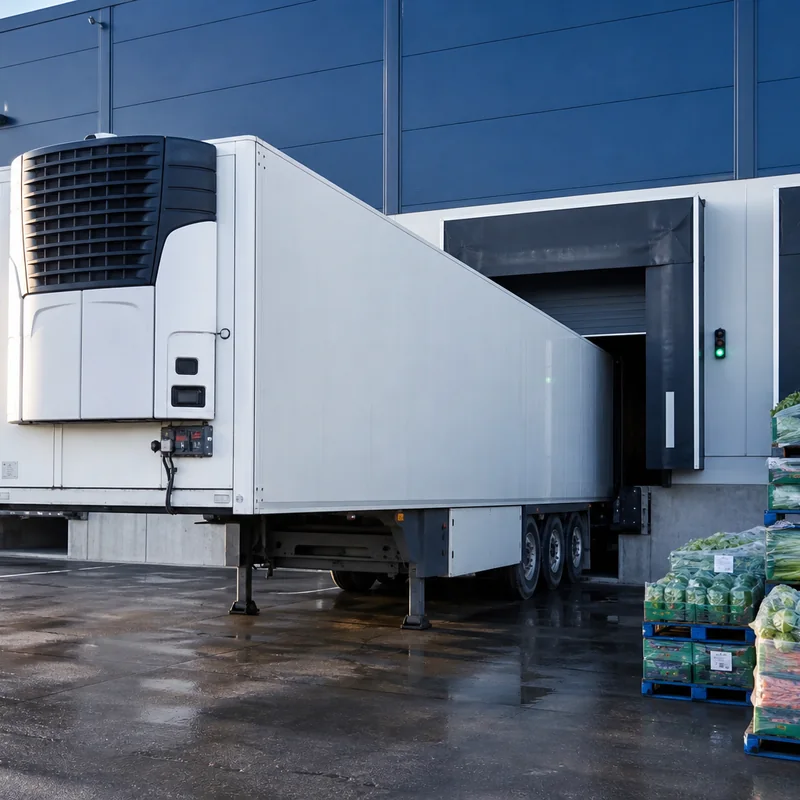
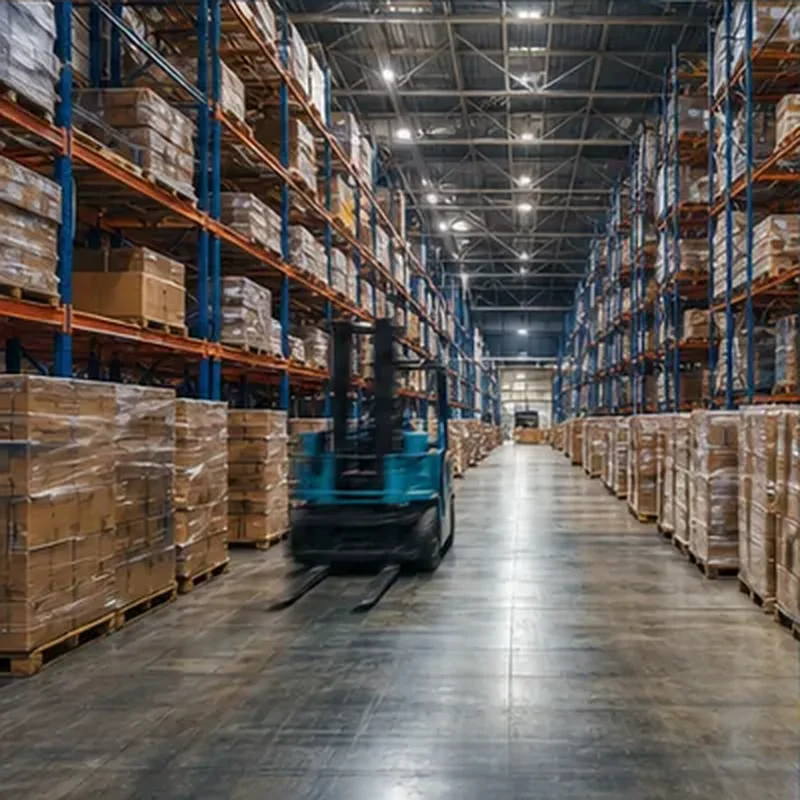
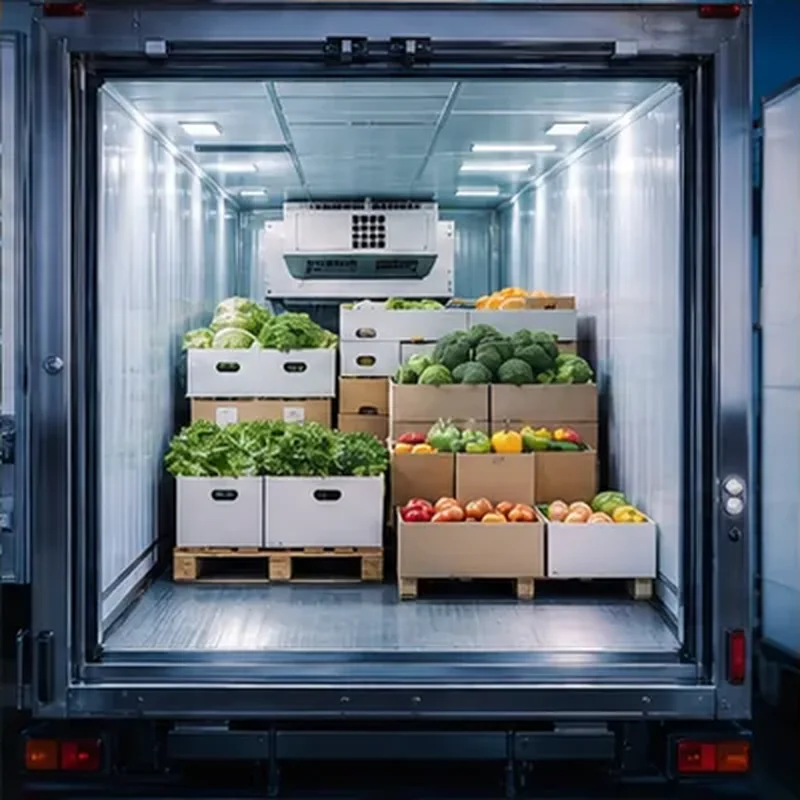
Nearly all Colorado distribution runs along one corridor, which simplifies planning when programs are built around it. Standing Full Truckload (FTL) lanes into the Front Range attract steadier capacity than spot-shopped freight, Less Than Truckload (LTL) priced on density serves the smaller receivers and Temperature-Controlled capacity carries food distribution with setpoints confirmed at dispatch.

Beyond the corridor, Colorado becomes a hub for a much larger territory, since Denver stages freight for markets hundreds of miles away in several directions. Lane balance matters accordingly, meaning two-way volume and realistic directional expectations buy the capacity that one-way freight cannot.

Energy freight and the mountain constraint.

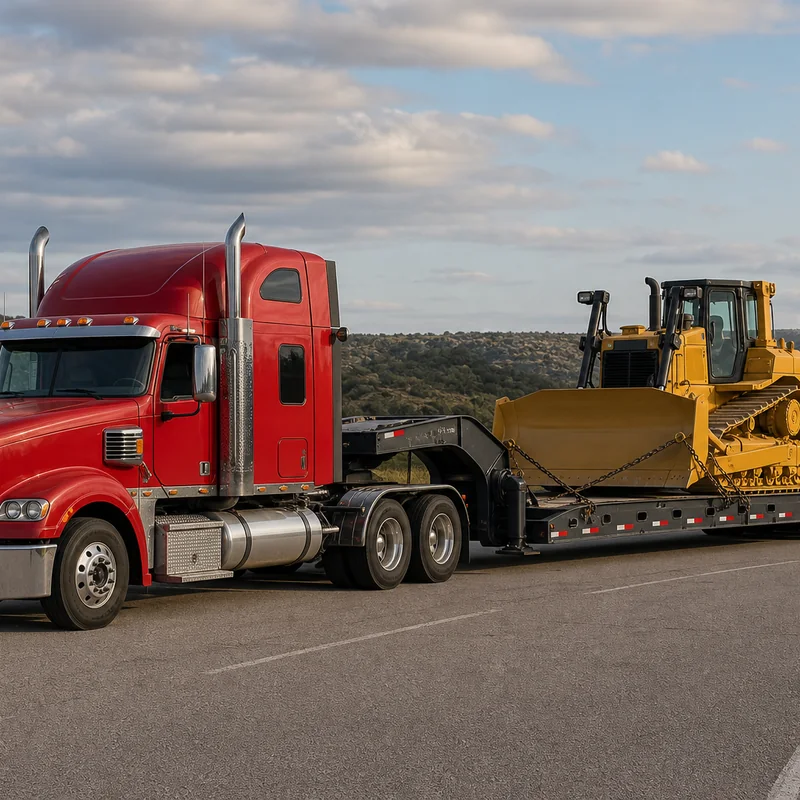
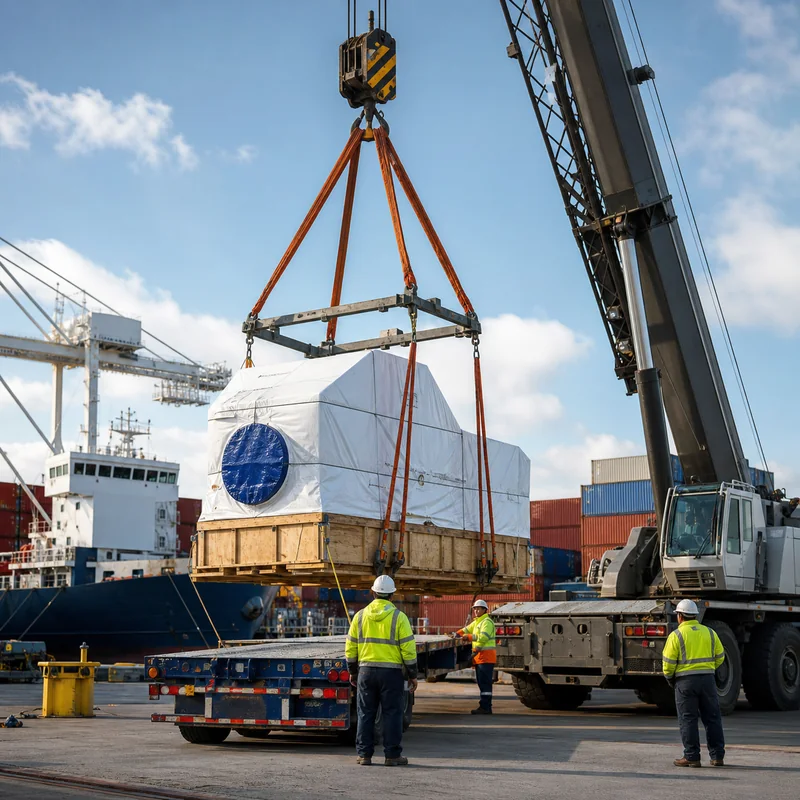
Basin and mountain freight tests plans, with Flatbed loads heading to sites where access is unpaved and Heavy Haul moves needing routes engineered around mountain clearances and grades. Multi-piece installations run through Project Cargo coordination against the work window, and when an operation is down, Expedited equipment moves the part with monitoring until it lands.

The I-70 mountain corridor is the constraint everyone eventually meets, since closures, chain laws and grade restrictions shape westbound transit from October through spring and the detours add hours rather than minutes. Standing programs carry seasonal buffers and time-critical freight keeps a recovery option priced, because arguing with a closed tunnel has never once worked.

Reviews

What It’s Like to Build With Flex

Leave a Review
Pricing

Ready to Get Started?

Tell us the lane, commodity, weights and dimensions, and any site conditions or seasonal timing constraints. From Front Range distribution to a basin equipment move, we will quote it with the mountains planned.

Colorado shipment details

Get a Colorado Freight Quote

Submission received

Your quote request is in.

Thank you. A Freight Flex team member will review your shipment details and follow up shortly.

Build With Flex.