Denver

Denver Freight

Denver serves an enormous territory with almost no competition, the distribution capital for a mountain region measured in hundreds of miles between markets. Freight Flex coordinates Denver freight across those distances, with vetted carriers and plans that respect mountain weather and mountain geography.

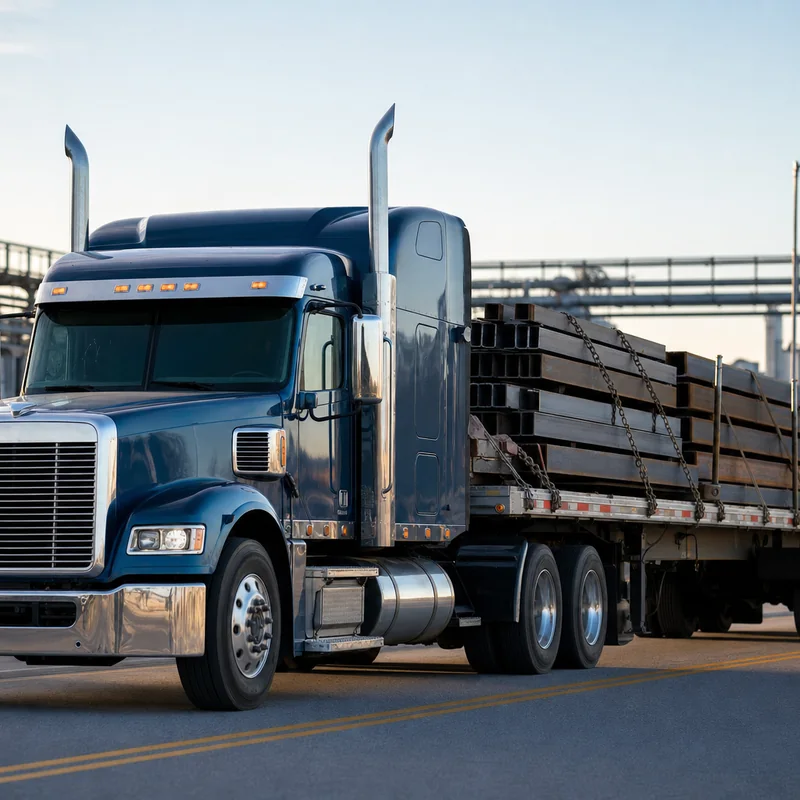
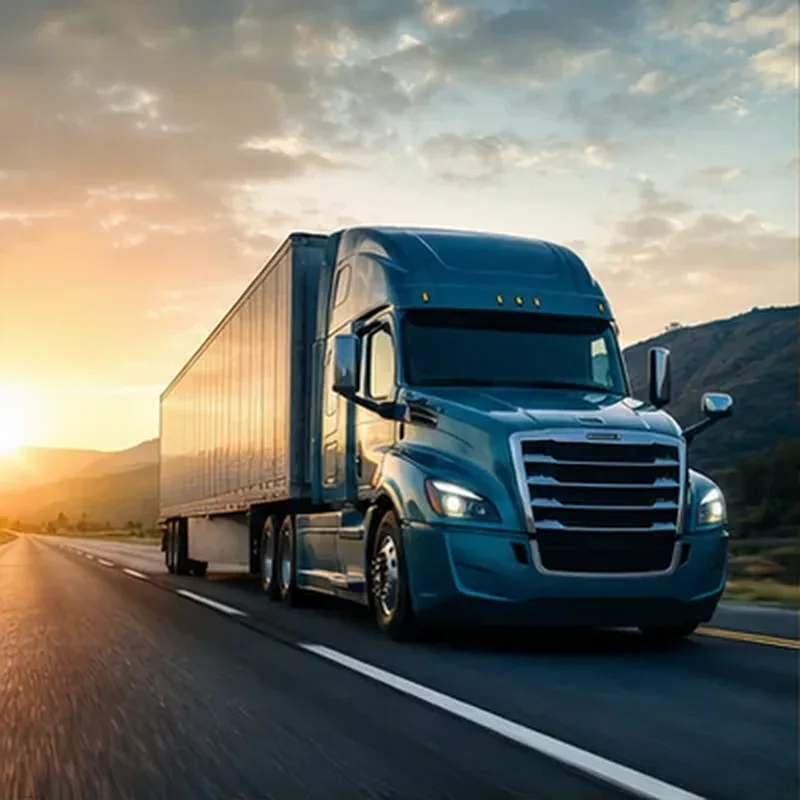
Freight trucks on an interstate approaching the Denver metro with the Front Range beyond
The Denver Market

Freight coordination for the mountain west. One hub, enormous territory.

Denver is the only major distribution market for hundreds of miles in any direction, which makes it the natural staging point for the entire Rocky Mountain region. Freight Flex coordinates Denver freight across that geography, from metro distribution to energy freight on the plains and slopes.

What moves through Denver

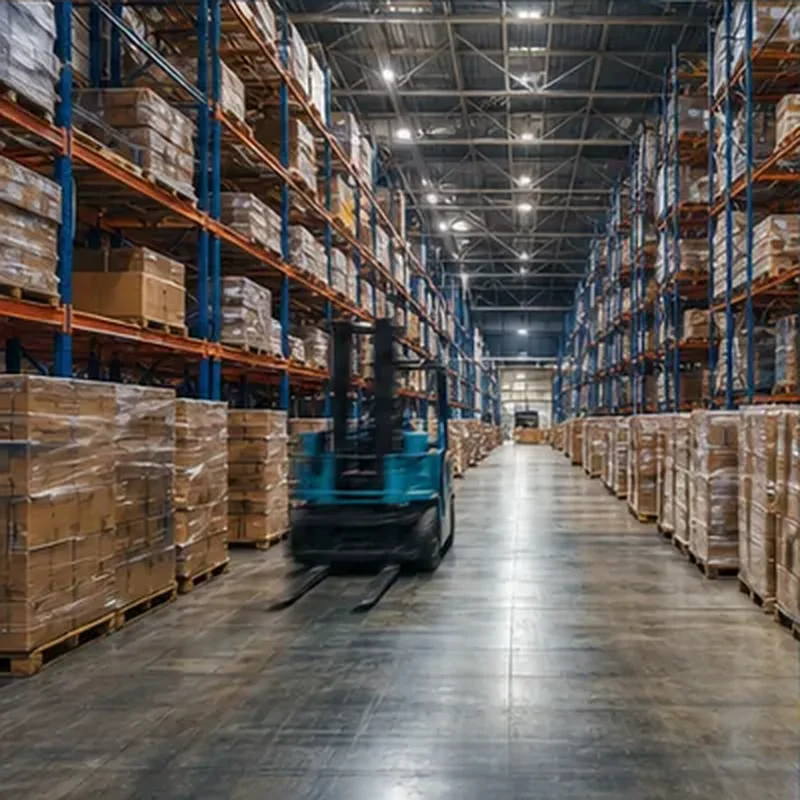
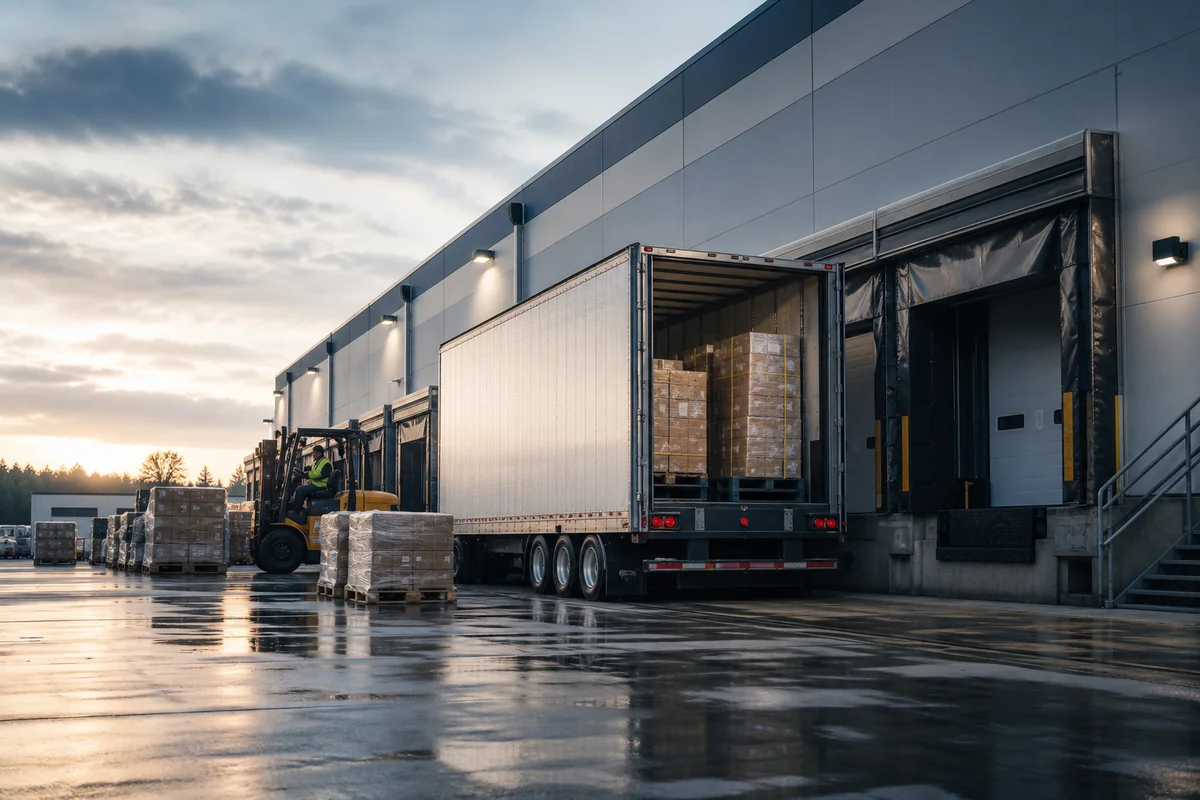
Denver freight serves a region rather than a metro. Distribution operations stage inventory here for Colorado, Wyoming, Montana, the Dakotas and the mountain markets beyond, meaning retail and ecommerce replenishment, consumer goods and food distribution flowing outward across distances that would count as national lanes in the East. The metro's own economy consumes plenty, with a fast-growing population, a serious construction market and a manufacturing base spread along the Front Range.

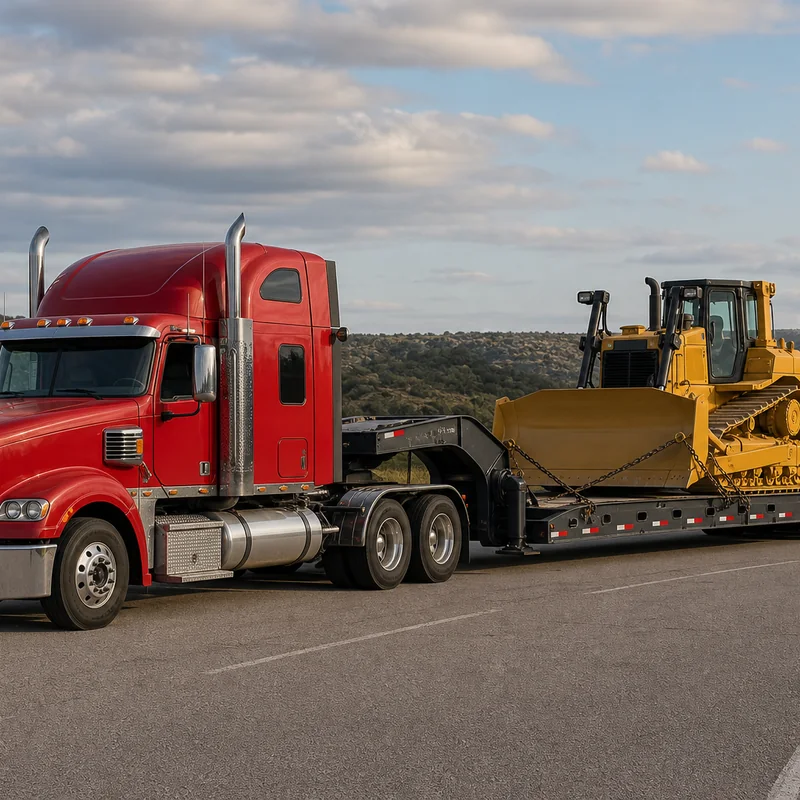
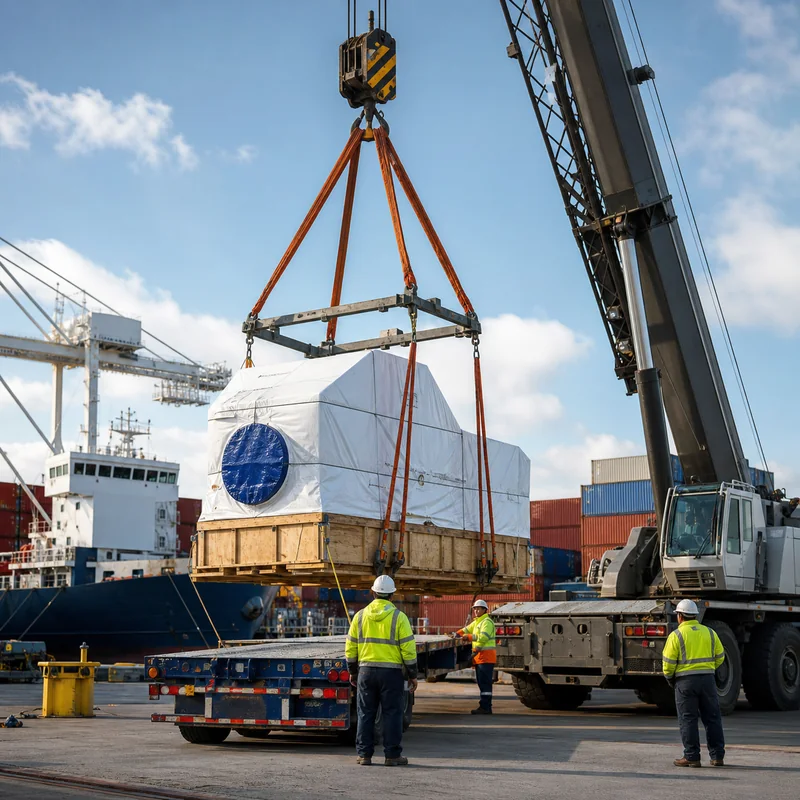
The energy layer gives the market its specialty freight, with operations across the Denver-Julesburg basin and the broader region moving equipment, pipe, materials and urgent parts, much of it on open decks and much of it destined for sites where the last mile is not paved.

The corridors that carry it

I-70 runs east toward Kansas City and west over the mountain passes, I-25 carries the Front Range corridor from Wyoming down to New Mexico, and I-76 connects northeast toward Nebraska. The defining feature is distance, since the nearest comparable metros sit several hundred miles away, which makes deadhead math, backhaul planning and lane balance central to Denver freight economics in a way they simply are not in denser markets.

Freight Flex in Denver

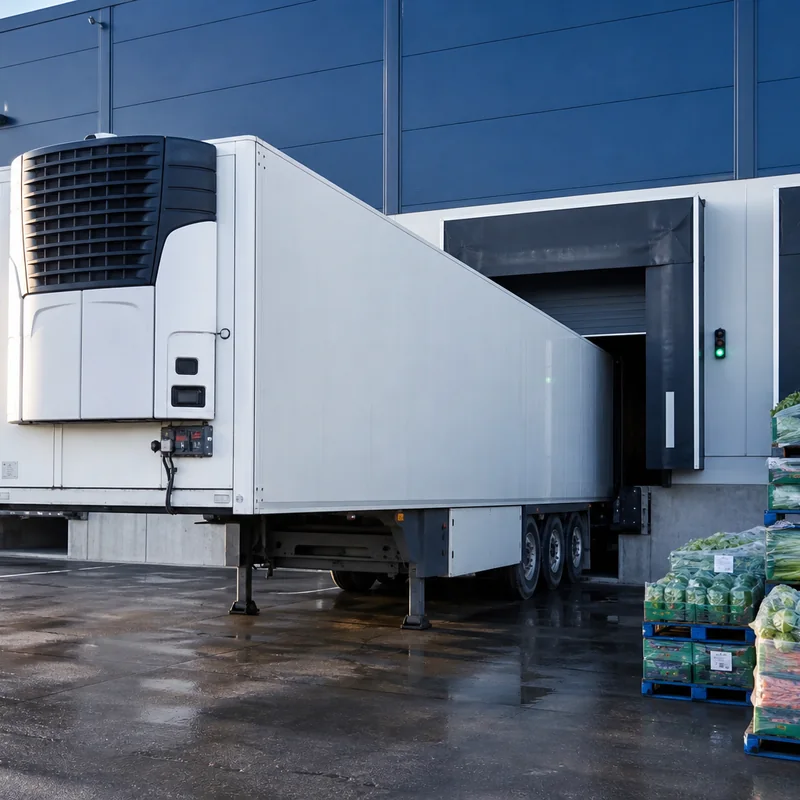
Freight Flex coordinates Full Truckload (FTL) and Less Than Truckload (LTL) freight across the mountain region, Flatbed, Heavy Haul and Project Cargo coordination for energy and construction freight, Expedited equipment for the parts runs the basins demand, Temperature-Controlled capacity for food distribution and Intermodal options on the long eastern lanes. Carrier compliance tools and an agent success team available 24/7 support the move.
The Region's Only Hub

Denver stages freight for a territory measured in hundreds of miles. Programs planned from here reach the whole mountain west, and the lane math gets planned rather than absorbed.

Ready for Basin Freight

Equipment, pipe and urgent parts to sites where the last mile is dirt, with site conditions flagged at booking and oversized pieces permitted before dispatch.

Compliance on Every Lane

Carrier compliance tools support shipment security, backed by an agent success team available 24/7. Remote lanes never lower the bar.

The Freight Flex promise

Distance never becomes an excuse. Build With Flex.

For every shipper moving Denver freight, Freight Flex commits to covering long mountain lanes with vetted capacity, sending carriers prepared for the sites and the seasons, and planning winter conditions into schedules rather than apologizing for them afterward. Energy freight gets equipment matched before it ships, regional distribution gets planned with honest lane math, and the geography that makes this market hard gets treated as the known quantity it is.

0+
Shipments Coordinated
#0
Inc. 5000 Fastest-Growing Private Companies
0
States of Nationwide Coverage
0+
Freight Flex Offices
Operating standards

Denver freight standards. Vetted. Verified. Visible.

Freight Flex combines carrier compliance tools with an agent success team available 24/7 to help reduce cargo theft, fraud and claims and support shipment visibility. On long lanes to remote sites, that discipline matters more, not less.

  • Only work with Highway verified Motor Carriers.
  • 1+ year active authority required.
  • Satisfactory or Unrated FMCSA safety rating required.
  • $1M Auto Liability + $100K Cargo Insurance required.
  • VIN verified on every shipment through Highway Load Lock.
  • Live ELD tracking required whenever applicable.
Freight services

The services Denver freight uses most. Distribution and energy.

Denver freight runs two economies. Truckload and LTL serve the regional distribution role across enormous distances, flatbed, heavy haul and project cargo move the energy and construction freight, temperature-controlled capacity carries food distribution and expedited answers the basin's urgent parts calls.

See All Services
Industries

The industries that run on Denver freight. The mountain west economy.

Denver freight serves the region's defining sectors, meaning energy operations across the basins, building materials feeding Front Range construction, retail and ecommerce distribution staging the mountain west, food and beverage networks serving scattered population centers, manufacturing along the corridor and agriculture on the eastern plains.

See All Industries
Planning Denver Freight

How shippers plan Denver freight. Distance and weather, both planned.

Denver planning is governed by two realities nobody can negotiate with, meaning the distances between markets and the mountains' weather, and programs that plan for both outperform programs that hope through them.

Lane math in a market without neighbors.

Freight economics in Denver run on balance, since a truck arriving from six hundred miles away needs a reason to come and a load to leave with. Programs that plan two-way volume, offer flexible pickup windows and hold realistic rate expectations by direction buy meaningfully better capacity than programs that shop each load blind. Standing Full Truckload (FTL) lanes on the Front Range corridor and eastern routes attract steadier carriers, while Less Than Truckload (LTL) coverage priced on density serves the smaller receivers scattered across the region.

Long eastbound lanes with calendar room deserve an Intermodal comparison, since rail changes the math on the miles that cost the most, and Freight Flex prices both so the decision is arithmetic rather than habit.

Energy freight, mountain sites and winter.

Basin and mountain freight tests plans in ways metro freight never does. Flatbed loads of pipe, skids and materials head to sites with dirt access and soft ground, oversized equipment needs Heavy Haul permits and routes engineered around mountain clearances, and multi-piece installations run through Project Cargo coordination against the work window. Flag the site honestly at booking, meaning the surface, the offload method, the gate and the contact, and the driver arrives prepared rather than stuck.

Winter is the region's other constant. Mountain passes close, plains storms shut down interstates and eastbound and westbound schedules both need seasonal buffers from October through spring. Time-critical freight keeps an Expedited recovery priced in advance, because in this geography the weather does not negotiate and the only real defense is having planned for it.

Reviews

What It’s Like to Build With Flex

Leave a Review
Pricing

Ready to Get Started?

Tell us the lane, commodity, weights and dimensions, and what the delivery site looks like. From regional distribution to a basin equipment move, we will quote it with the geography and the season built in.

Denver shipment details

Get a Denver Freight Quote

Submission received

Your quote request is in.

Thank you. A Freight Flex team member will review your shipment details and follow up shortly.

Build With Flex.