What moves through Kansas City
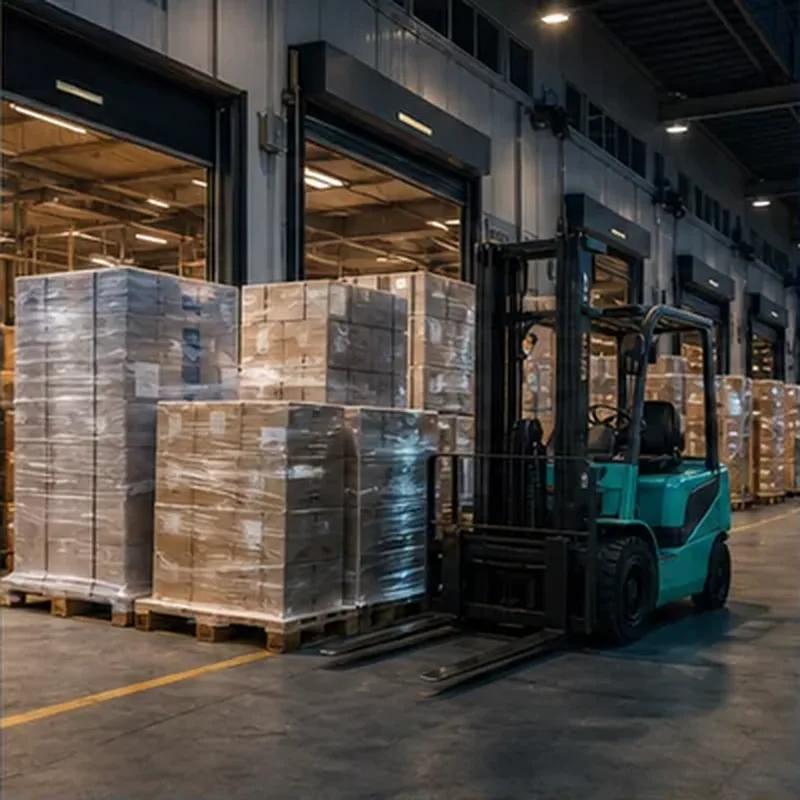
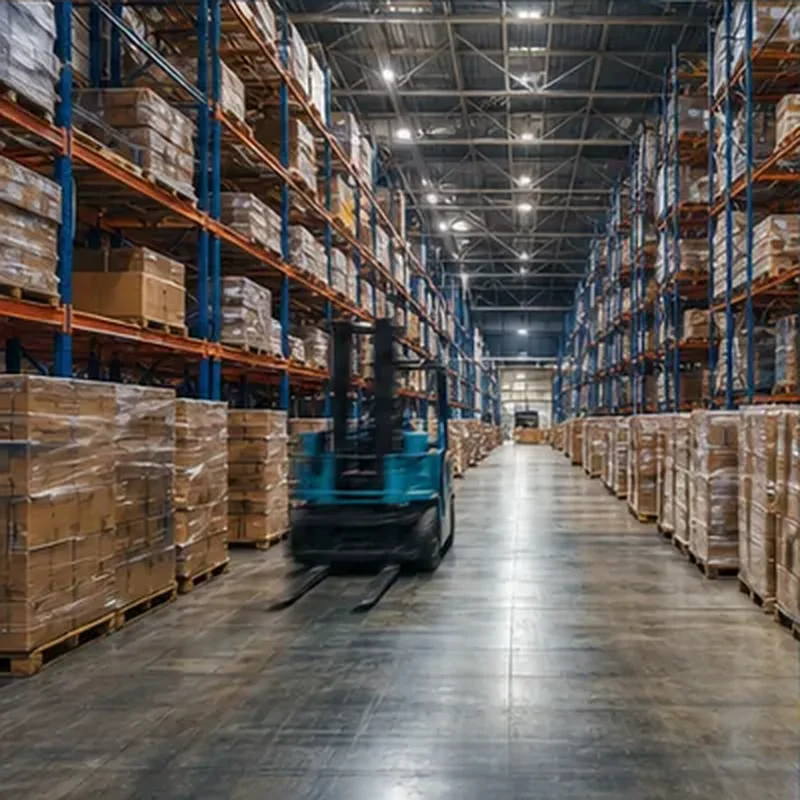
Kansas City's freight identity starts with rail, since the metro handles enormous rail volume and hosts one of the country's most significant intermodal complexes, including the logistics park that made KC a destination for national distribution. Around the ramps has grown a distribution economy serving the middle of the country, meaning retail and ecommerce inventory, consumer goods and the constant replenishment of a region that reaches both coasts within reasonable transit.
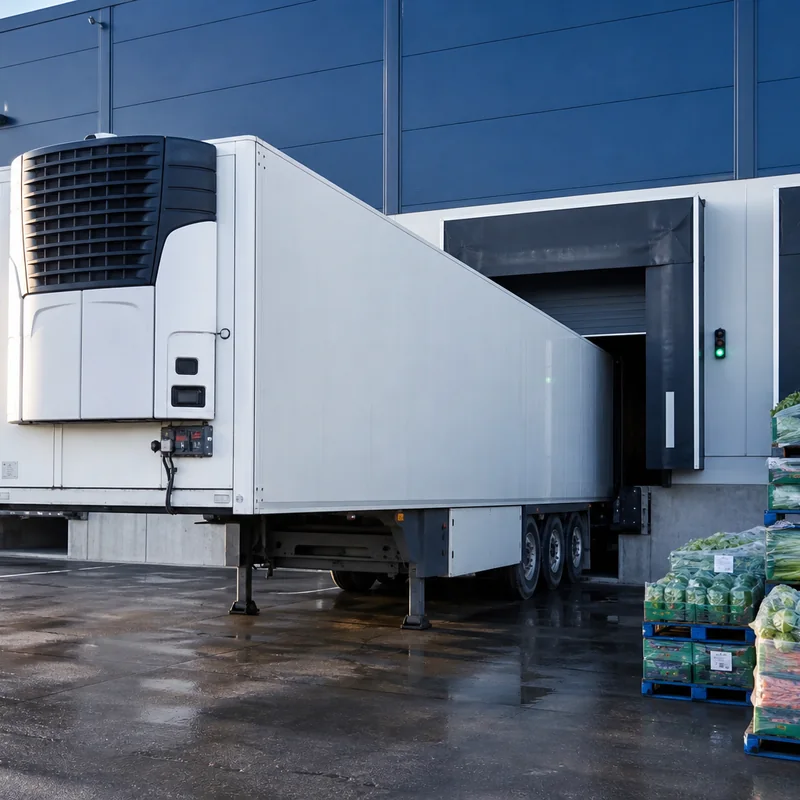
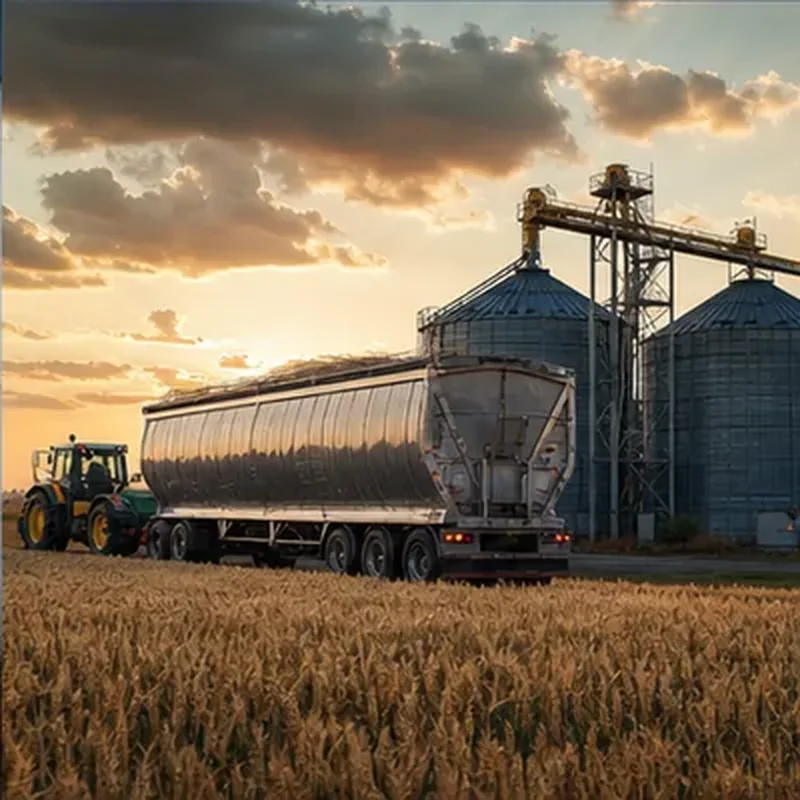
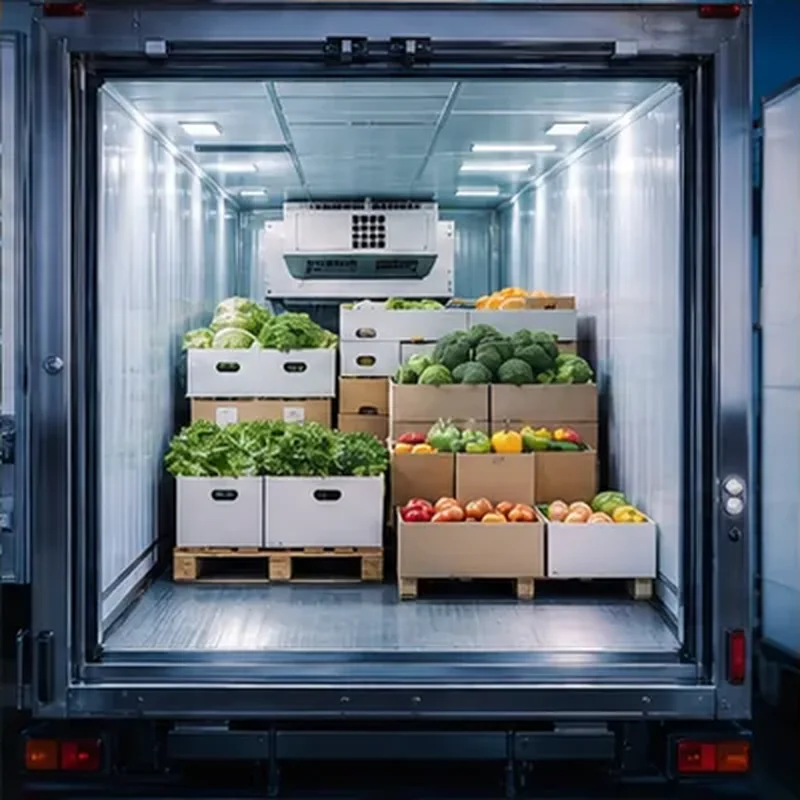
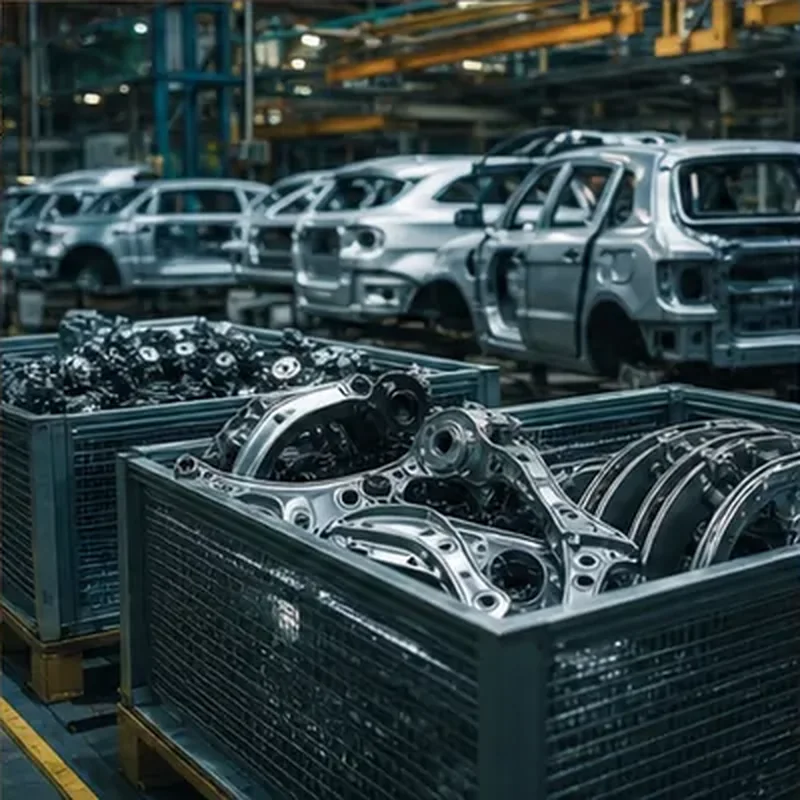
The agricultural economy runs beneath it, with grain, protein and food processing moving through the metro at serious scale, refrigerated freight serving the region's food production and manufacturing spread across the metro's industrial base. Add automotive assembly and the market's freight mix ends up as balanced as its geography.
The corridors that carry it
I-70 runs the east-west lane through the metro toward St. Louis and Denver, I-35 carries the north-south NAFTA corridor from Texas to Minnesota, and I-29 climbs the river north. The convergence makes KC a natural relay and a natural staging point, with roughly two-thirds of the US population reachable within two days by truck, which is exactly why distribution networks keep choosing it.
Freight Flex in Kansas City
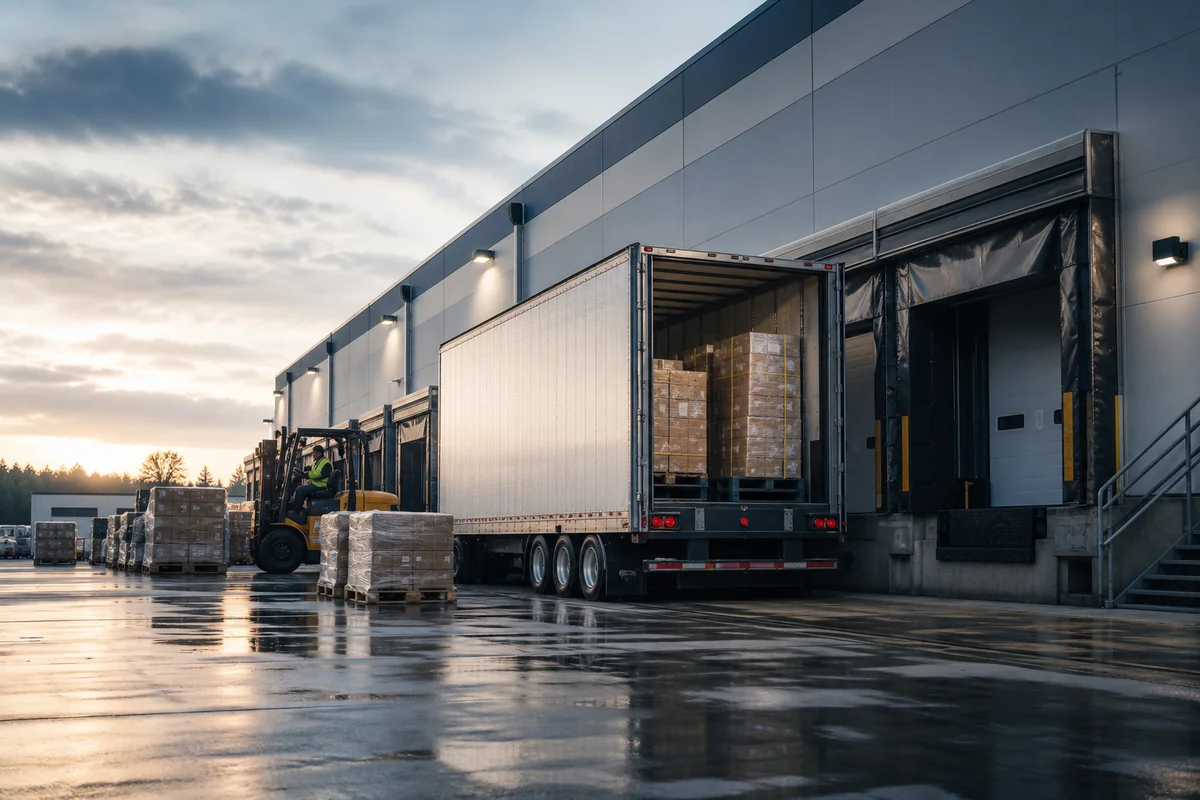
Freight Flex coordinates Intermodal moves through the KC ramps with both drays planned, Drayage between the ramps and the metro's warehouses, Full Truckload (FTL) and Less Than Truckload (LTL) coverage across the distribution networks, Temperature-Controlled capacity for the food economy and Expedited equipment when a central-position schedule needs saving. Carrier compliance tools and an agent success team available 24/7 support the move.