What moves through Atlanta
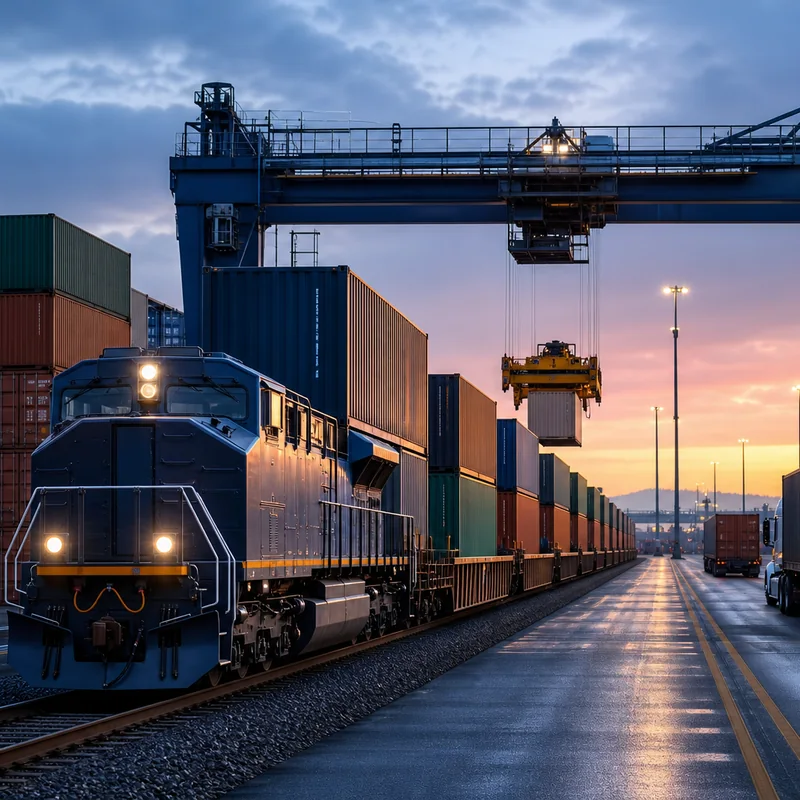
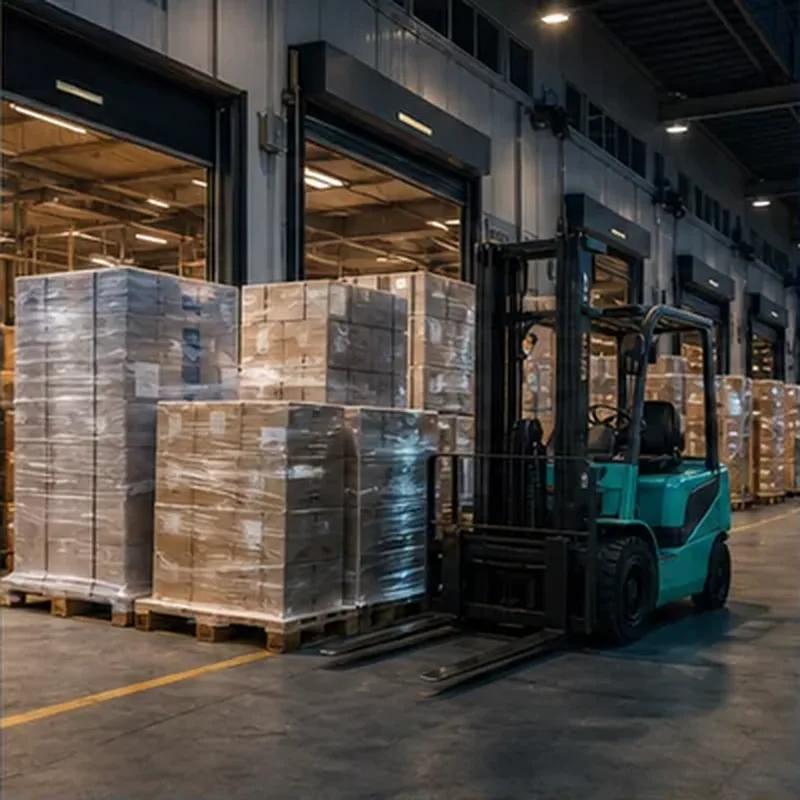
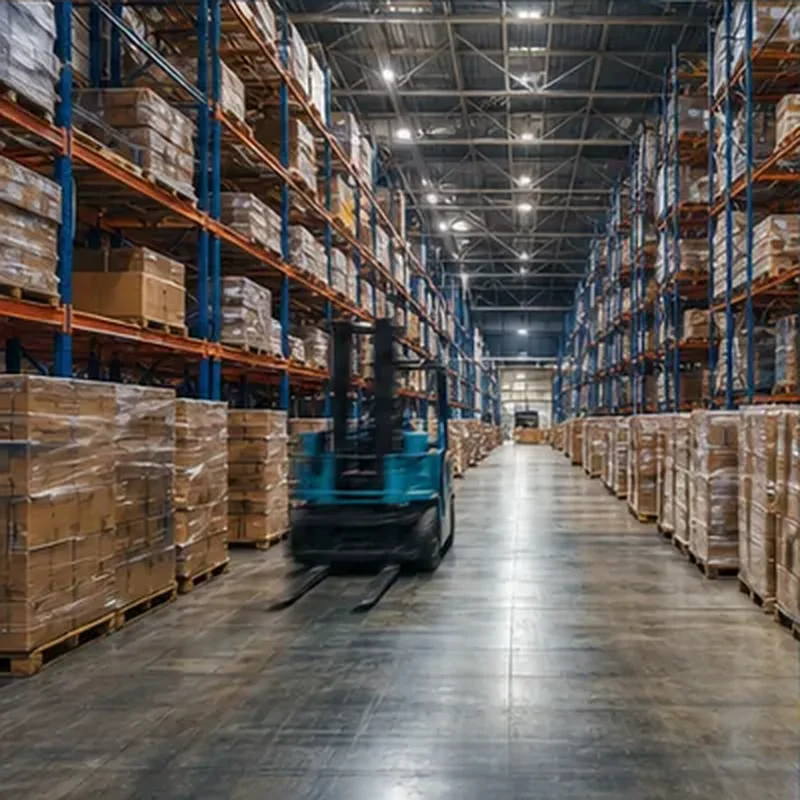
Atlanta's freight economy is distribution at regional command scale. National retailers, ecommerce networks and consumer brands run their Southeast operations from metro DC clusters, food and beverage distribution serves a booming population, manufacturing operates across the metro's industrial ring and the building materials trade feeds construction that has run hot for a generation. Inbound, the metro receives import freight railed and trucked up from Savannah's terminals, positioning the port's boxes at the center of the region.
The connective tissue is enormous, meaning intermodal ramps linking Atlanta to the coasts and the gateways, an air cargo operation at Hartsfield-Jackson connecting the Southeast to the world, and a trucking market as deep and contested as any in the South.
The corridors that carry it
I-75 and I-85 cross at the metro's heart, carrying the north-south trade of the entire eastern seaboard's interior, while I-20 runs the east-west lane from the Carolinas to Texas. That geometry makes Atlanta the natural relay for Southeast freight, with most of the region reachable in a day's drive, and it makes metro capacity a resource that tightens fast when produce season, peak retail or storm recovery pulls at it.
Freight Flex in Atlanta
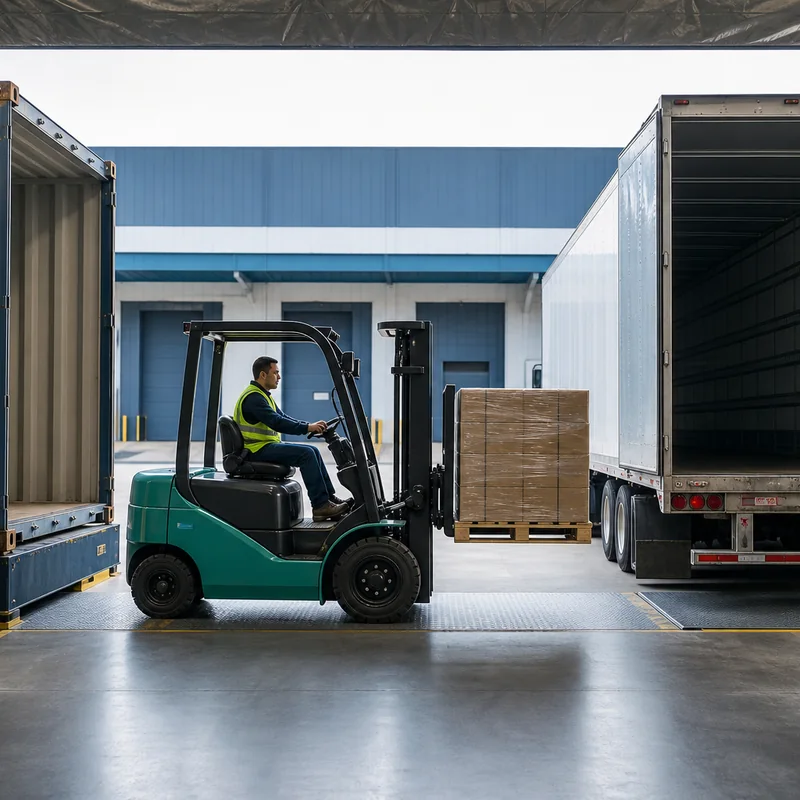
Freight Flex coordinates Full Truckload (FTL) and Less Than Truckload (LTL) freight across the metro's distribution networks, Intermodal moves through the Atlanta ramps, Transloading for Savannah import flows converting to regional distribution, Air Freight coordination at Hartsfield-Jackson with TSA-compliant drivers and Expedited equipment across a metro built for fast recoveries. Carrier compliance tools and an agent success team available 24/7 support the move.