Georgia

Georgia Freight

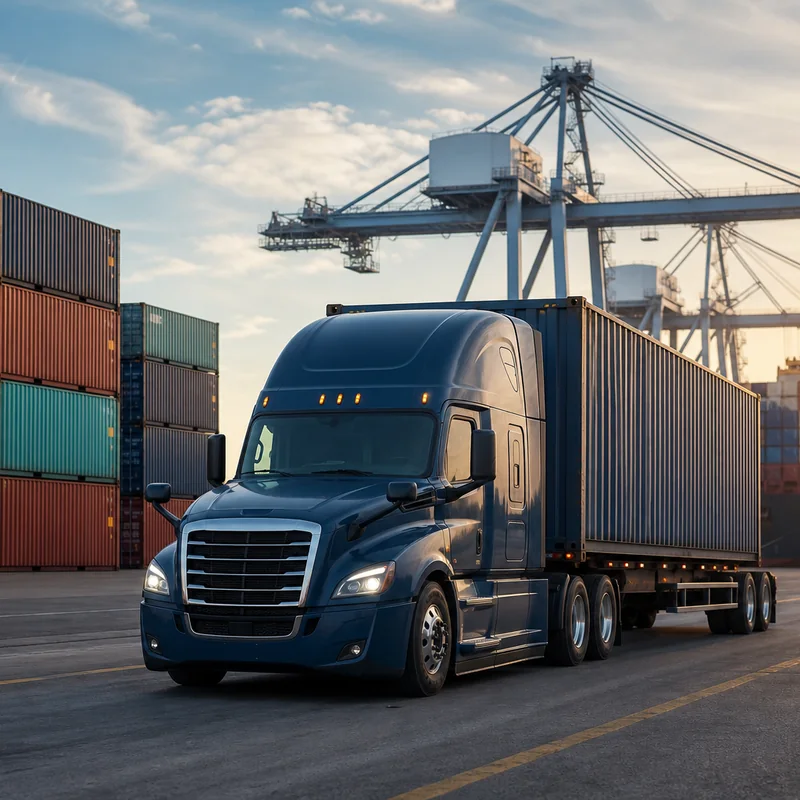
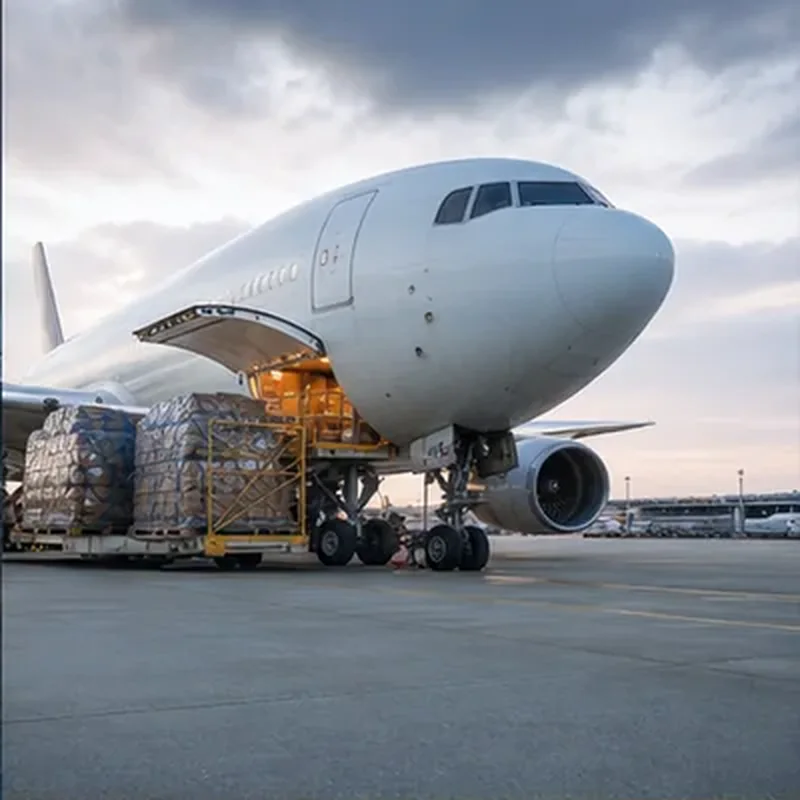
Georgia pairs one of America's fastest-growing container ports with the Southeast's distribution capital, connected by a corridor that carries the region's freight. Freight Flex coordinates Georgia freight across both ends and everything between, with vetted carriers on every lane.

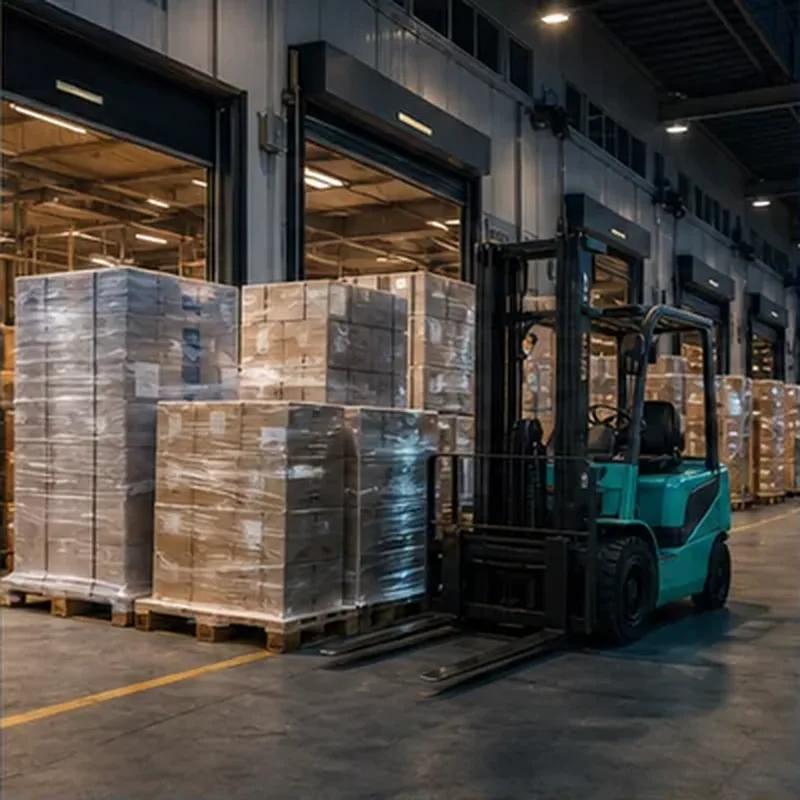
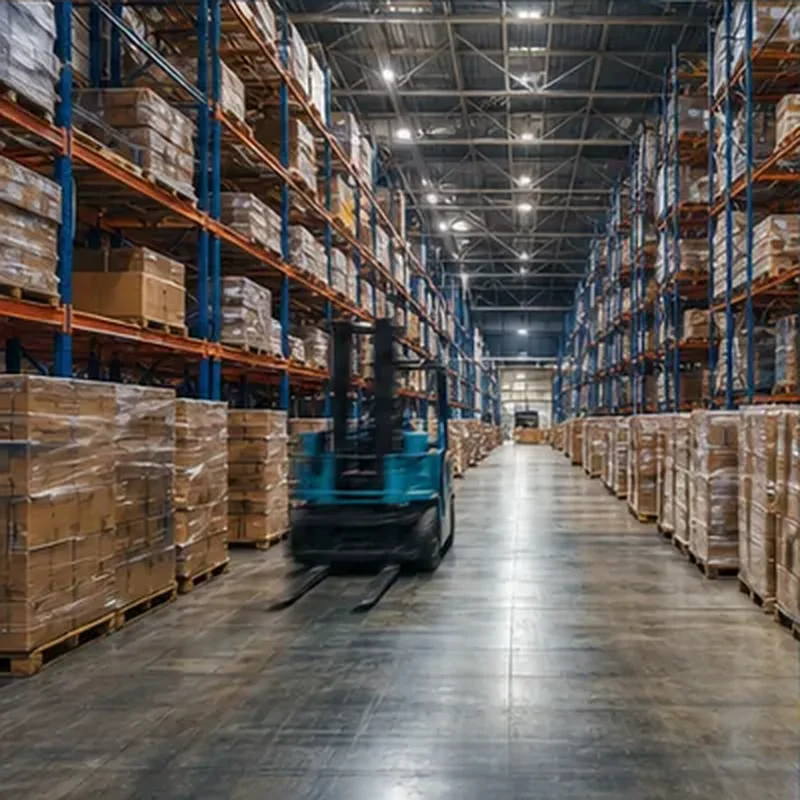
Port terminals and inland distribution corridors across Georgia
The Georgia Market

Freight coordination from the port to the hub. Savannah and Atlanta together.

Georgia's freight economy runs on a single powerful relationship, meaning containers landing at Savannah and moving inland to Atlanta's distribution networks and the Southeast beyond. Freight Flex coordinates that flow plus the agricultural and manufacturing freight the rest of the state produces.

What moves through Georgia

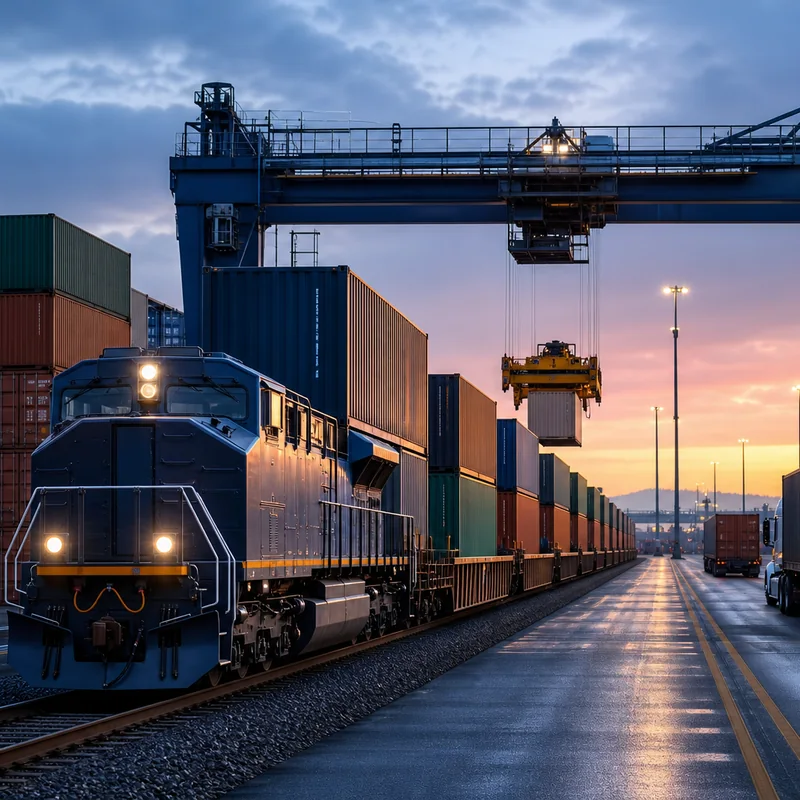
The state's headline freight story is the Savannah-to-Atlanta corridor, where import containers land at one of the country's largest single terminal operations and move inland by rail and truck to a metro that stages the Southeast for national retailers, ecommerce networks and consumer brands. That flow shapes capacity, pricing and equipment availability across the whole state.

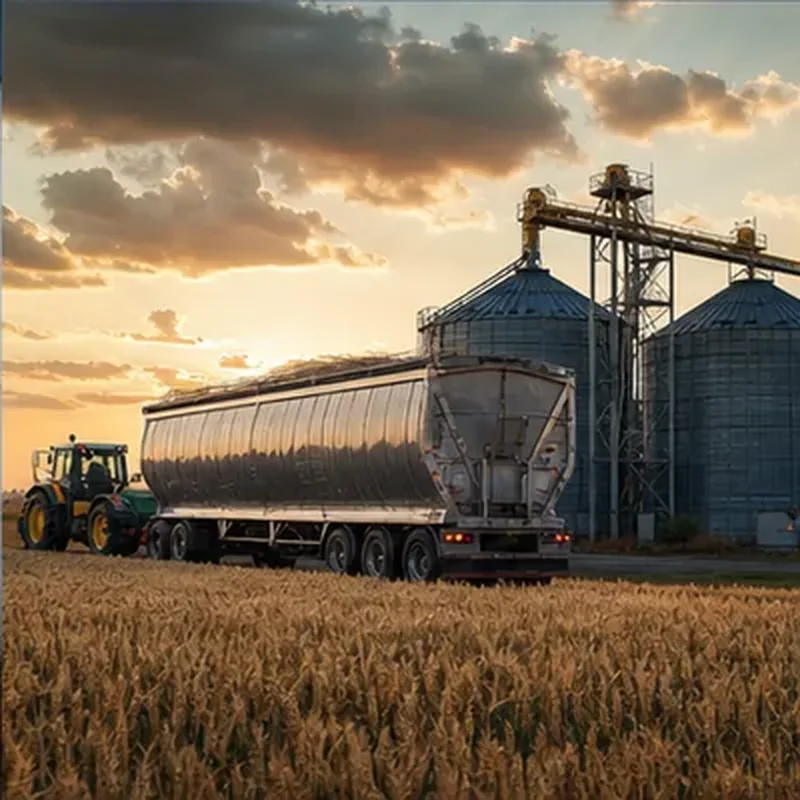
Beyond the corridor, Georgia produces serious freight in its own right, meaning agriculture from the southern counties including poultry, produce and peanuts, manufacturing spread across the state, forest products and building materials feeding relentless Southeast construction, and food processing that gives the state substantial refrigerated volume.

The corridors that carry it

I-75 runs north-south through Atlanta from Florida to Tennessee, I-85 carries the Piedmont industrial corridor toward the Carolinas, I-20 crosses east-west and I-16 connects Savannah to the interior. The port-to-hub geometry is the state's defining freight relationship, dense with truck volume and supported by rail that positions Savannah boxes deep inland.

Freight Flex in Georgia

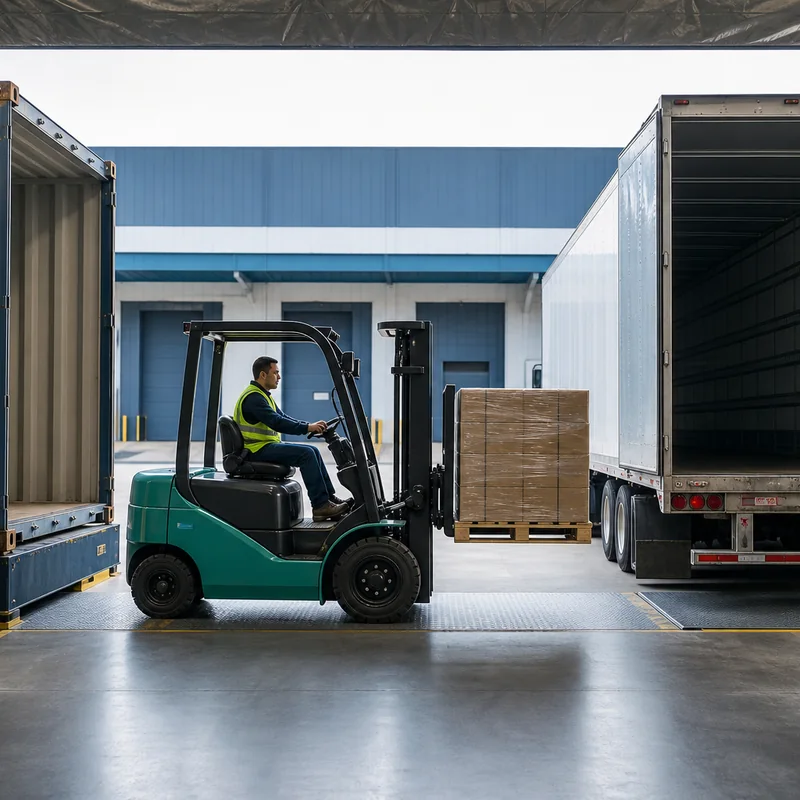
Freight Flex coordinates Drayage at the Savannah terminals with interchange at every steamship line, Transloading converting boxes to regional distribution, Intermodal moves inland, Full Truckload (FTL) and Less Than Truckload (LTL) coverage statewide, Temperature-Controlled capacity for the agricultural and food economy and Flatbed for building materials and manufacturing. Carrier compliance tools and an agent success team available 24/7 support the move.

Port to Hub as One Flow

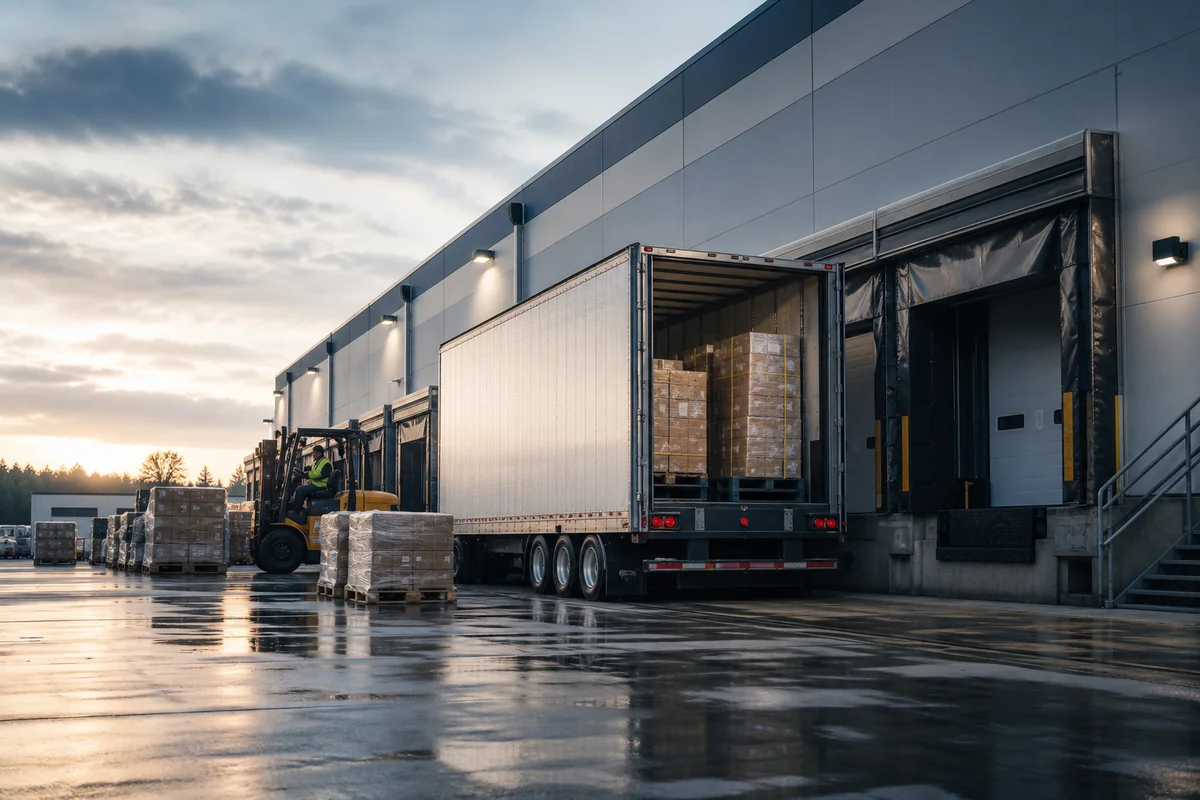
Savannah drayage, inland conversion and Atlanta delivery planned as a single sequence rather than three handoffs with gaps between them.

Ready for Georgia Agriculture

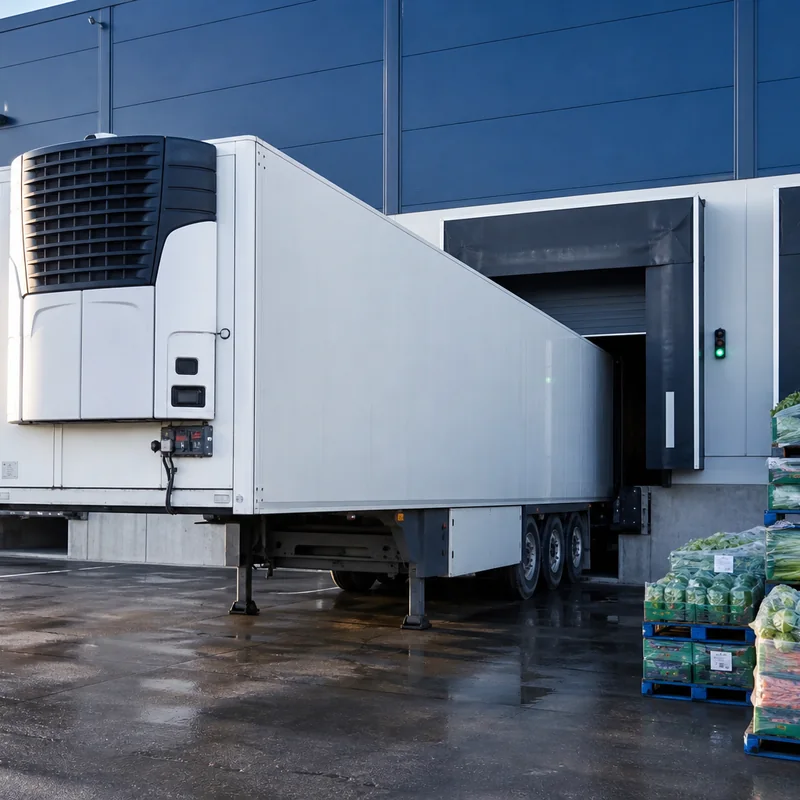
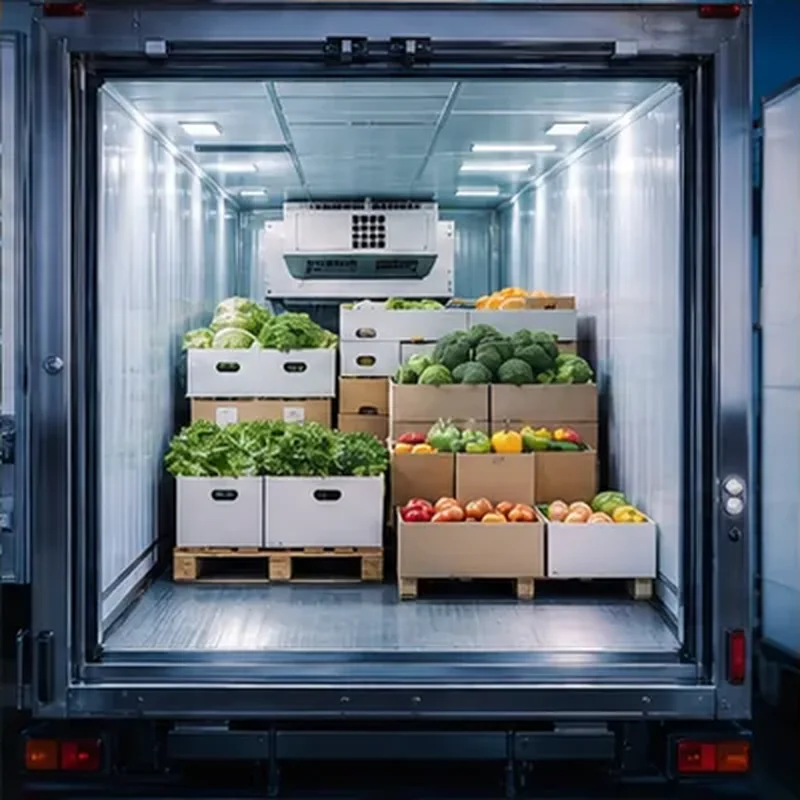
Reefer capacity with setpoints confirmed on every dispatch, serving poultry, produce and food processing on the schedule the season sets.

Compliance on Every Lane

Carrier compliance tools support shipment security, backed by an agent success team available 24/7. Corridor volume never lowers the bar.

The Freight Flex promise

The corridor works for you. Build With Flex.

For every shipper moving Georgia freight, Freight Flex commits to sequencing the Savannah-to-Atlanta flow as one plan, covering statewide lanes with vetted capacity and protecting agricultural cold chains through every handoff. Peak import waves and harvest surges both arrive on schedules we plan for, and one team stays accountable from the terminal gate to the final door.

0+
Shipments Coordinated
#0
Inc. 5000 Fastest-Growing Private Companies
0
States of Nationwide Coverage
0+
Freight Flex Offices
Operating standards

Georgia freight standards. Vetted. Verified. Visible.

Freight Flex combines carrier compliance tools with an agent success team available 24/7 to help reduce cargo theft, fraud and claims and support shipment visibility. These standards ride on every Georgia load we arrange.

  • Only work with Highway verified Motor Carriers.
  • 1+ year active authority required.
  • Double-brokering and identity fraud screened, then monitored in transit.
  • $1M Auto Liability + $100K Cargo Insurance required.
  • VIN verified on every shipment through Highway Load Lock.
  • Supplemental cargo insurance available up to $2,000,000 per shipment, beyond standard carrier coverage.
Freight services

The services Georgia freight uses most. Gateway to hub.

Georgia freight runs the corridor and the countryside. Drayage works the Savannah terminals, transloading and intermodal position freight inland, truckload and LTL carry the statewide distribution, temperature-controlled capacity serves agriculture and food, and flatbed moves the materials economy.

See All Services
Industries

The industries that run on Georgia freight. The state's economy.

Georgia freight serves a broad base, meaning retail and ecommerce networks staging the Southeast, agriculture from the southern counties, food and beverage processing and distribution, manufacturing statewide, building materials for constant construction and the forwarders and NVOCCs running Savannah programs.

See All Industries
Planning Georgia Freight

How shippers plan Georgia freight. Corridor first.

Georgia planning starts with the corridor, meaning how import freight gets from the water to the hub and outward, then adds the agricultural calendar that governs a large share of the state's remaining volume.

The Savannah-to-Atlanta decision.

Import freight landing at Savannah faces its inland fork early, meaning rail into the Atlanta ramps for steady programs, Transloading near the coast that converts containers to palletized Southeast distribution, or direct truck for freight that cannot wait on a train. Freight Flex sequences the coastal leg and the inland delivery as one plan, so the box, the conversion and the DC appointment stop being separate problems.

Pre-arrival discipline governs the port side, with Drayage arranged before the vessel berths and chassis and appointment strategy set while conditions are calm. Peak import season arrives on a known calendar, and capacity booked ahead of the wave clears it.

Agriculture, food and the statewide lanes.

South Georgia ships on the season, with poultry, produce and processing moving refrigerated freight that tightens reefer capacity regionally on a predictable schedule. Temperature-Controlled dispatches carry an exact setpoint and run mode, and standing seasonal lanes committed early ride through the surges that catch spot-shopped freight.

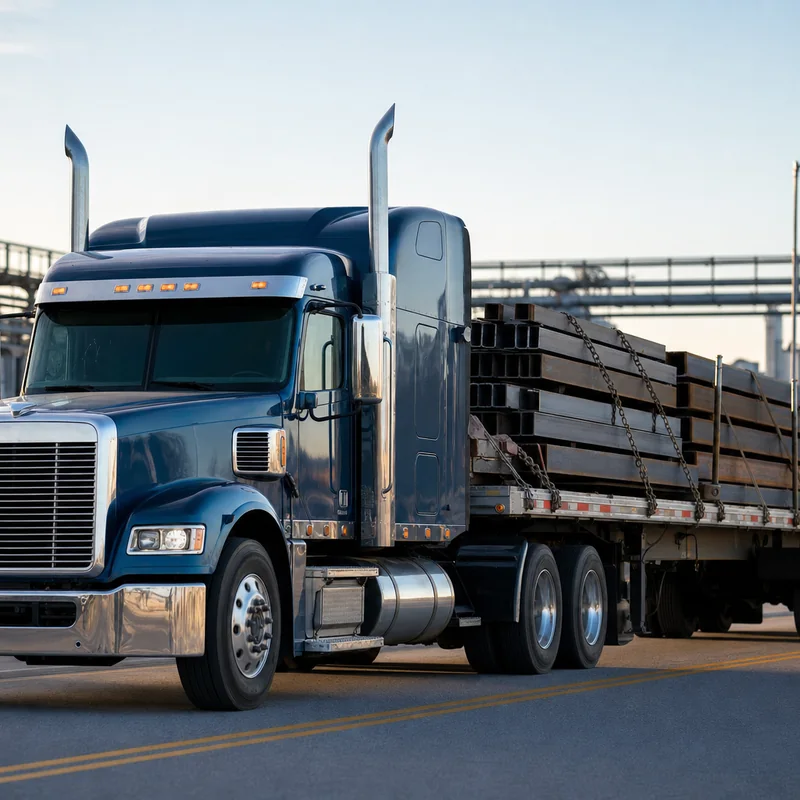
The rest of the state runs on Full Truckload (FTL) and Less Than Truckload (LTL) coverage with density-based pricing, plus Flatbed capacity for building materials and manufacturing freight with securement matched to the commodity. Hurricane season adds coastal contingency planning from June through November, meaning which freight advances ahead of a storm window and how the port recovery sequence runs, decided before the forecast rather than during it.

Reviews

What It’s Like to Build With Flex

Leave a Review
Pricing

Ready to Get Started?

Tell us the lane or container details, commodity, weights and dimensions, and any temperature or appointment requirements. From one Savannah box to a statewide program, we will quote the full sequence.

Georgia shipment details

Get a Georgia Freight Quote

Submission received

Your quote request is in.

Thank you. A Freight Flex team member will review your shipment details and follow up shortly.

Build With Flex.