What moves through Savannah
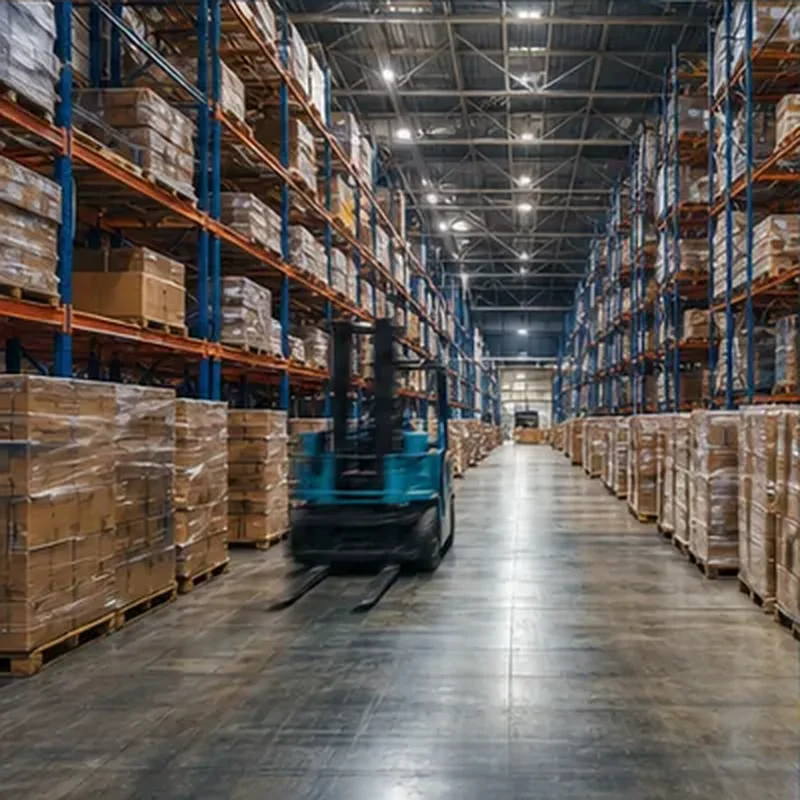
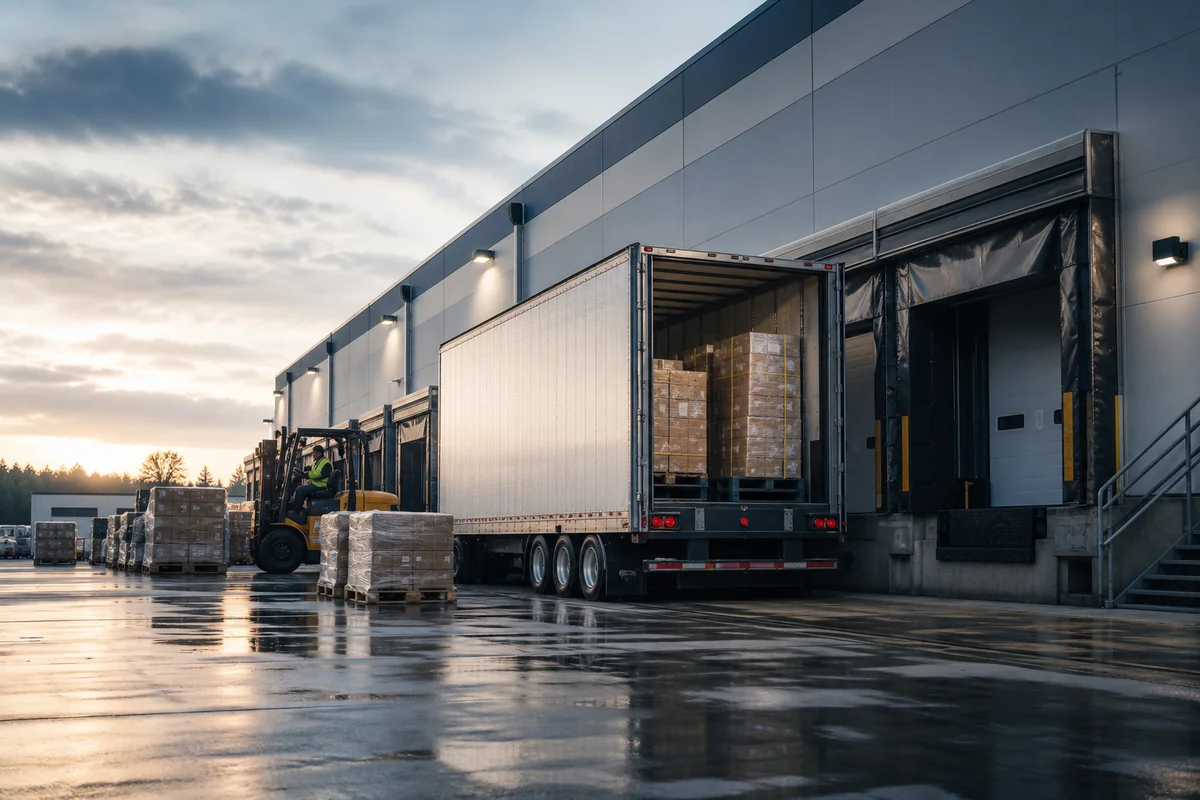
Savannah's container operation handles enormous and still-growing box volumes, landing retail inventory, ecommerce product, consumer goods, furniture, machinery and components for the Southeast and the country's interior. The port's rise built a warehouse economy around it, with distribution and transload facilities lining the corridors out of the terminals, importers positioning inventory at the water's edge and manufacturers across Georgia and the Carolinas feeding exports back through the gates.
The export story matters here more than at most gateways, since Southeast manufacturing, forest products, clay and agricultural exports give Savannah genuinely two-way freight, and carriers value the market accordingly.
The corridors that carry it
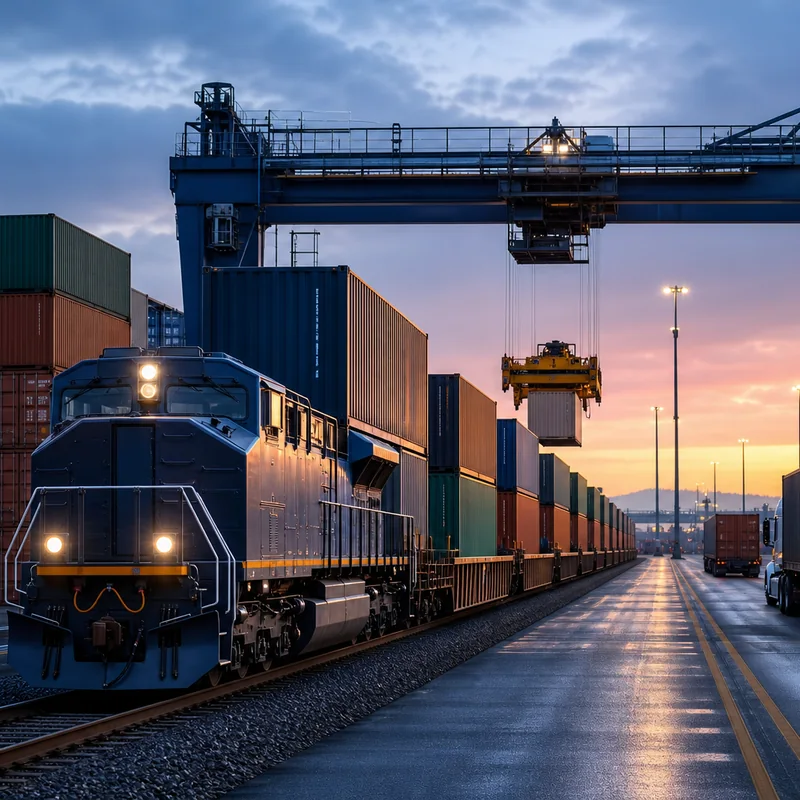
I-95 runs the coastal spine north and south, I-16 shoots straight inland toward Macon and the Atlanta connection, and on-terminal rail ties the port into the intermodal network that positions Savannah boxes deep into the country. The Atlanta relationship defines the inland map, with rail and dense truck lanes moving import freight to the regional hub and the region's exports flowing back.
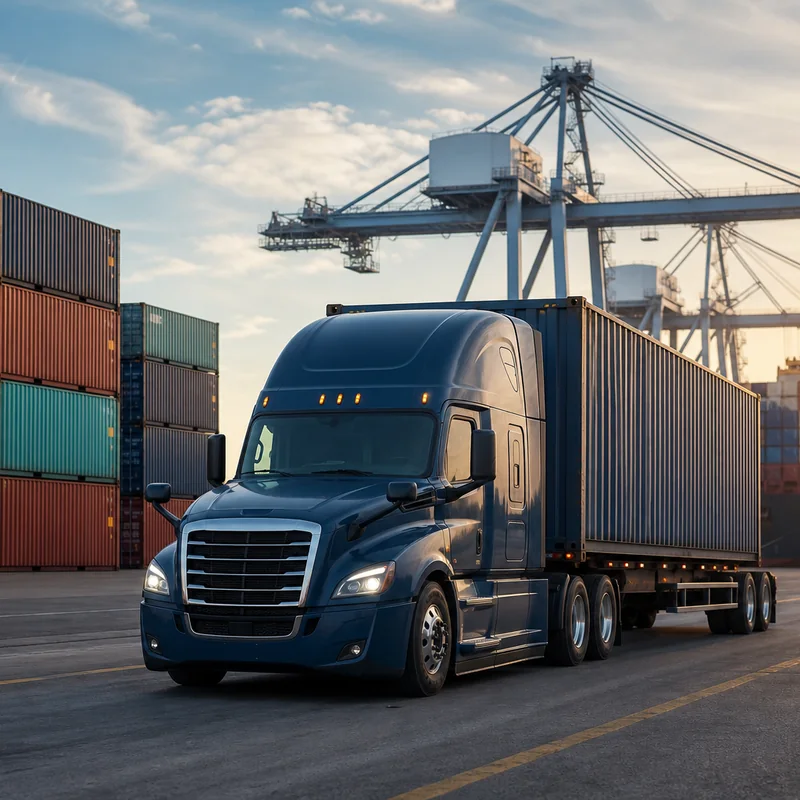
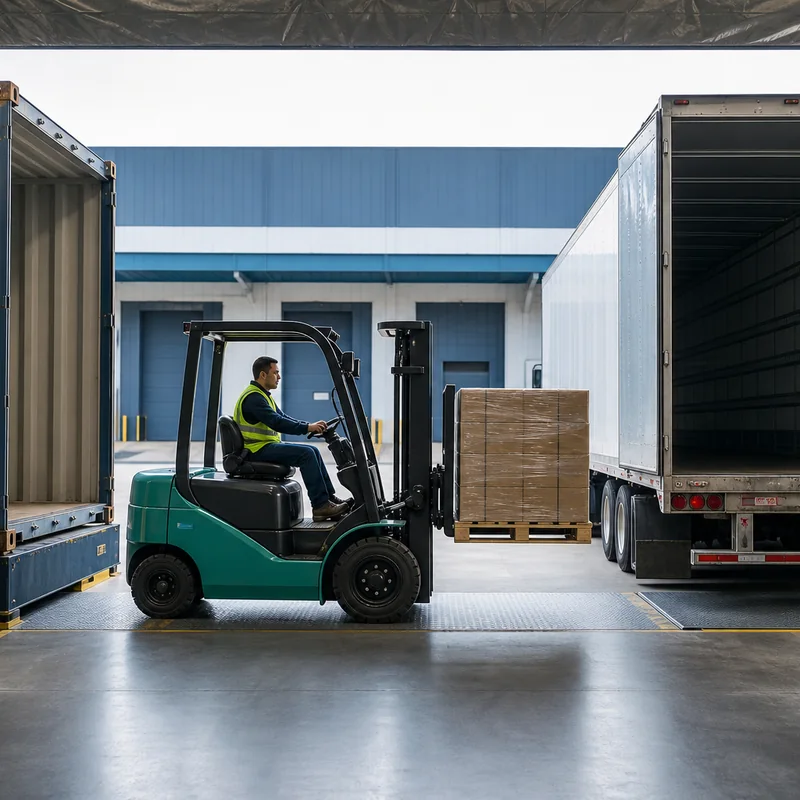
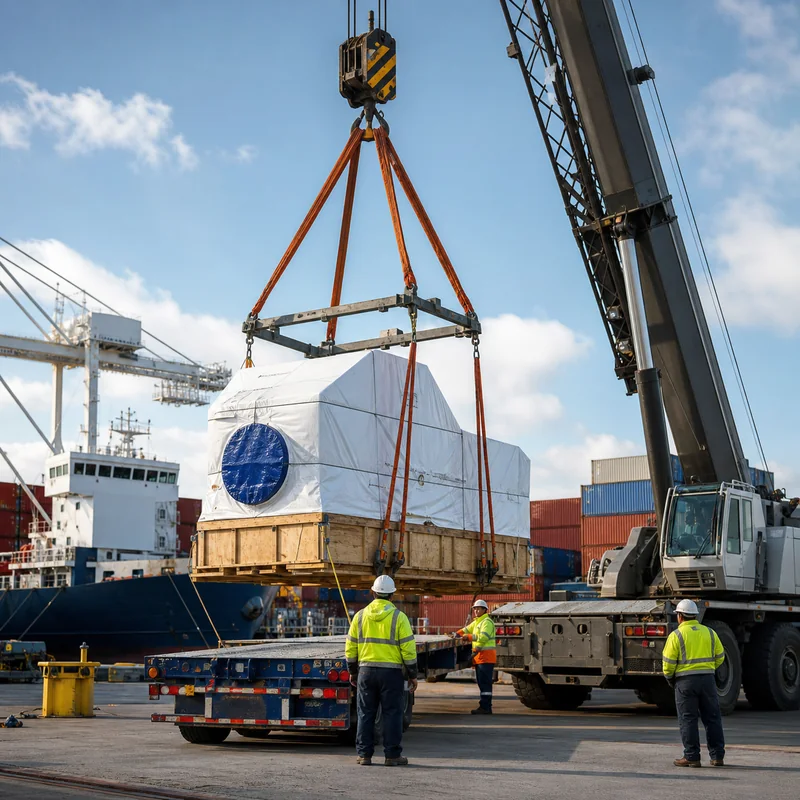
Freight Flex in Savannah
Freight Flex coordinates Drayage at the Savannah terminals with interchange at every steamship line, Transloading that converts import boxes to regional distribution in the port-side corridor, Intermodal moves through the on-terminal rail, Full Truckload (FTL) coverage on the inland lanes and Project Cargo coordination for the breakbulk and out-of-gauge pieces the port also lands. Carrier compliance tools and an agent success team available 24/7 support the move.