What moves through Chicago
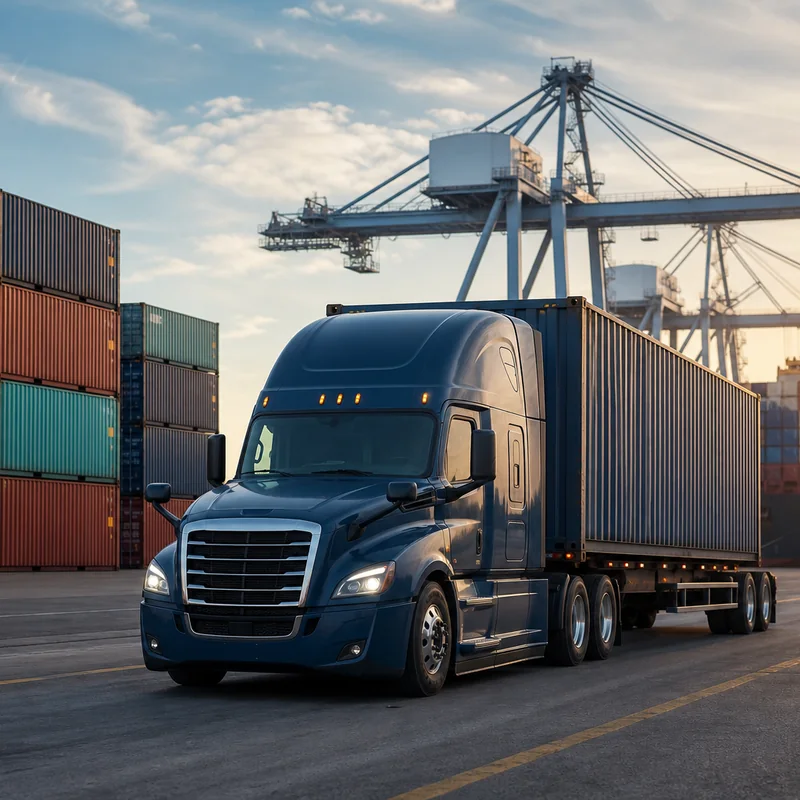
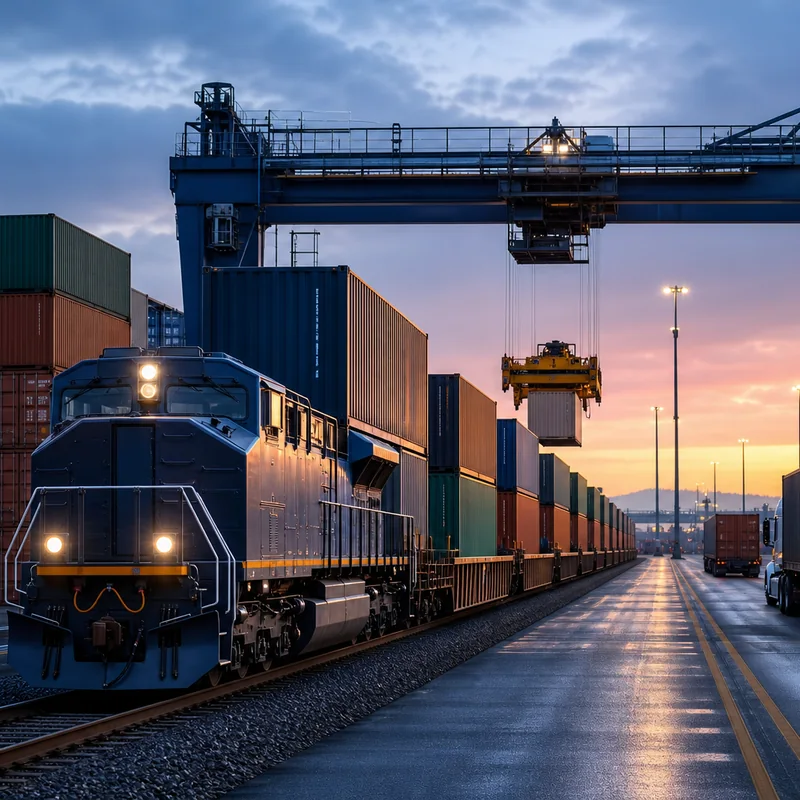
Chicago's freight identity starts with the rails. The metro is the interchange point between the eastern and western Class I railroads, ringed by intermodal ramps that make it the largest inland container hub in the hemisphere. Containers from the coasts land here for deconsolidation and distribution, domestic intermodal moves originate and terminate across the ramp network, and the trucking market around it all runs some of the densest freight in the country.
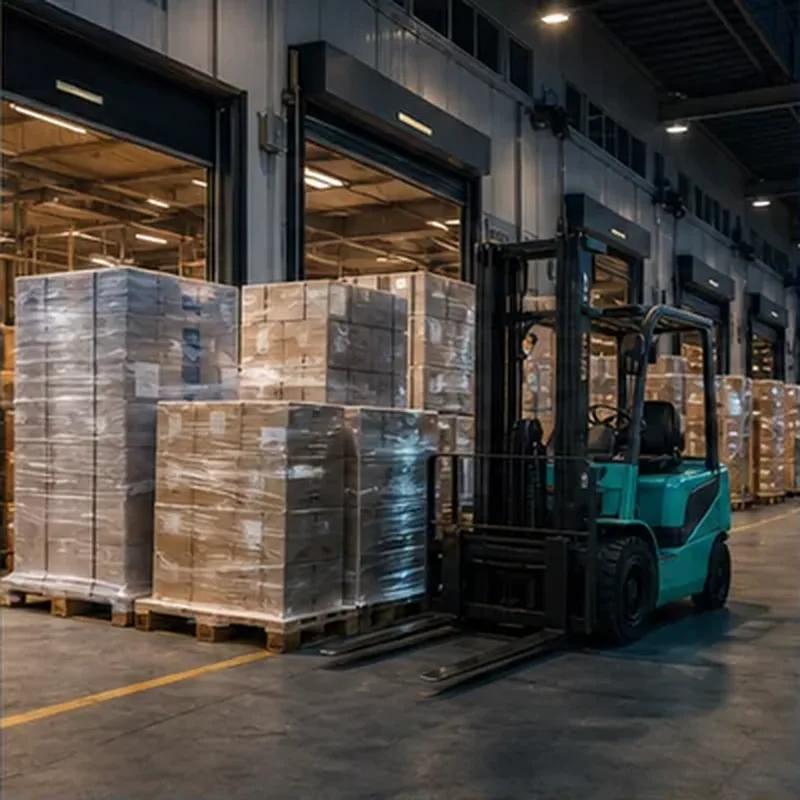
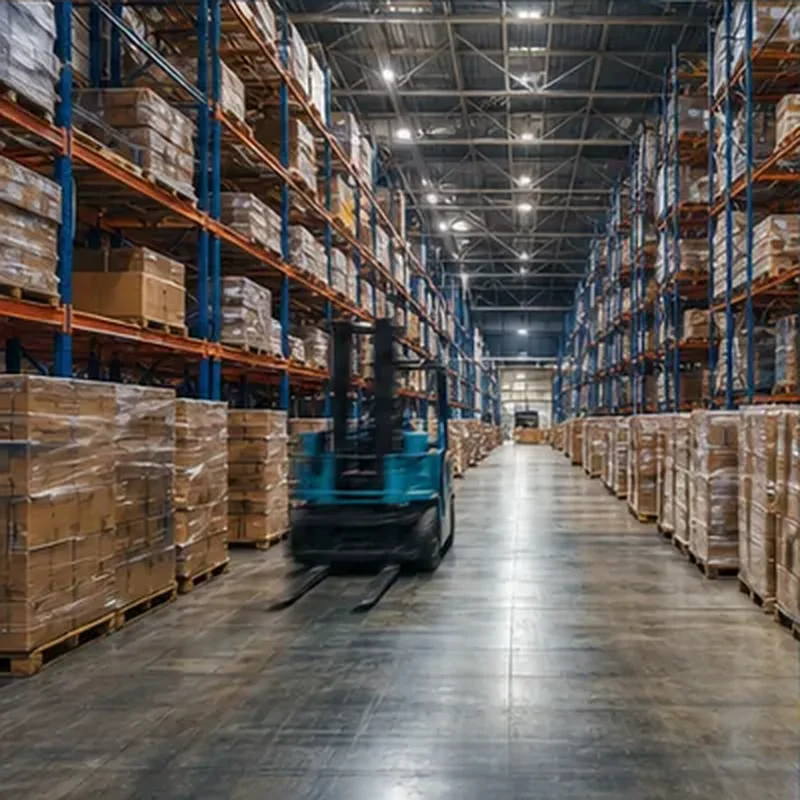
Layered on the rail foundation is a massive physical economy, meaning food processing and distribution networks with deep roots in the metro, manufacturing across the industrial corridors, national retail and ecommerce distribution staging the Midwest, and O'Hare's air cargo operation connecting the middle of the country to the world.
The corridors and the congestion
Six interstates radiate from the metro, with I-80 and I-90 carrying the transcontinental flows, I-55 running to St. Louis and the South, and I-94 connecting the Great Lakes industrial belt. The density is the advantage and the problem at once, since Chicago freight contends with ramp congestion, chassis availability, winter weather that tests every schedule and receiving networks with strict appointment systems. Freight that plans for Chicago's friction moves through it, and freight that ignores it becomes a case study.
Freight Flex in Chicago
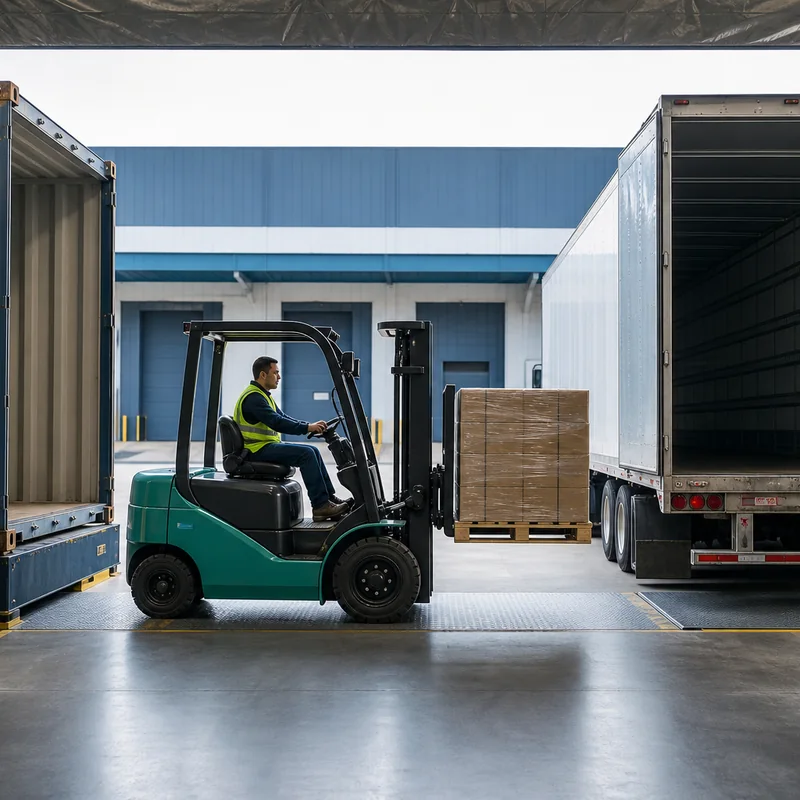
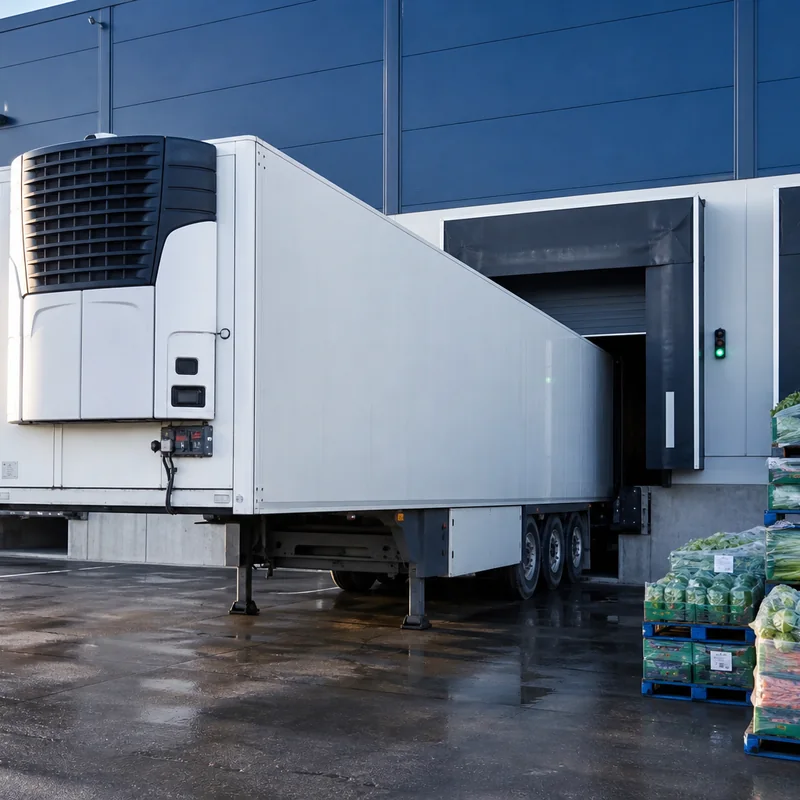
Freight Flex coordinates the market's full mix, meaning Intermodal moves through the Chicago ramps, Drayage between the ramps, yards and warehouses with carriers who know the gates, Transloading for containers converting to regional distribution, Full Truckload (FTL) and Less Than Truckload (LTL) across the metro's networks, Temperature-Controlled capacity for the food economy and Expedited equipment when a Chicago schedule tightens. Carrier compliance tools and an agent success team available 24/7 support the move.