Michigan

Michigan Freight

Michigan builds vehicles, ships components across an international border daily and moves agricultural freight from the same state's orchards and fields. Freight Flex coordinates Michigan freight across all of it, with vetted carriers and crossings planned before departure.

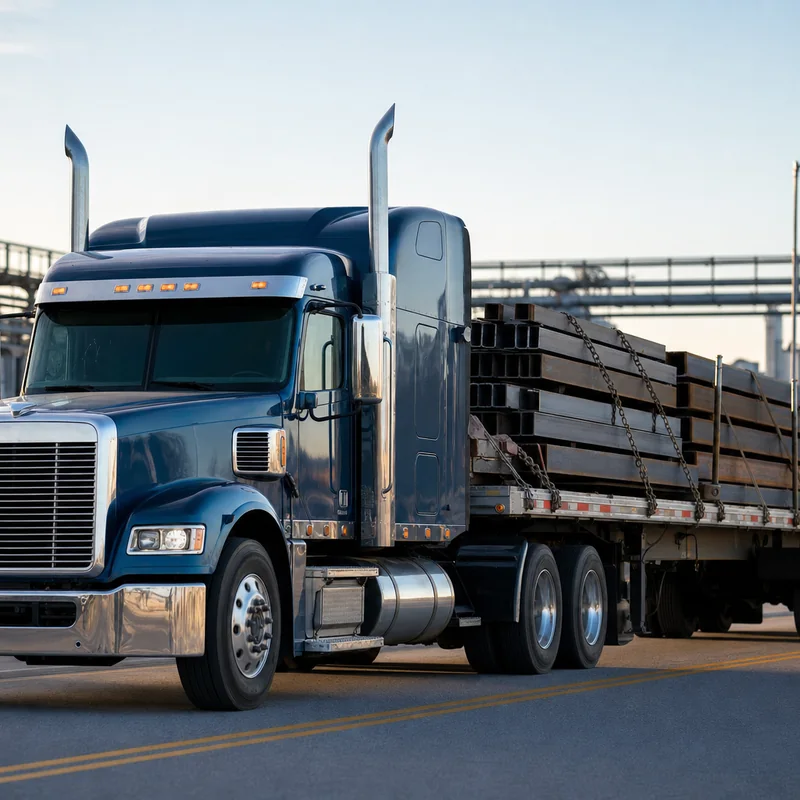
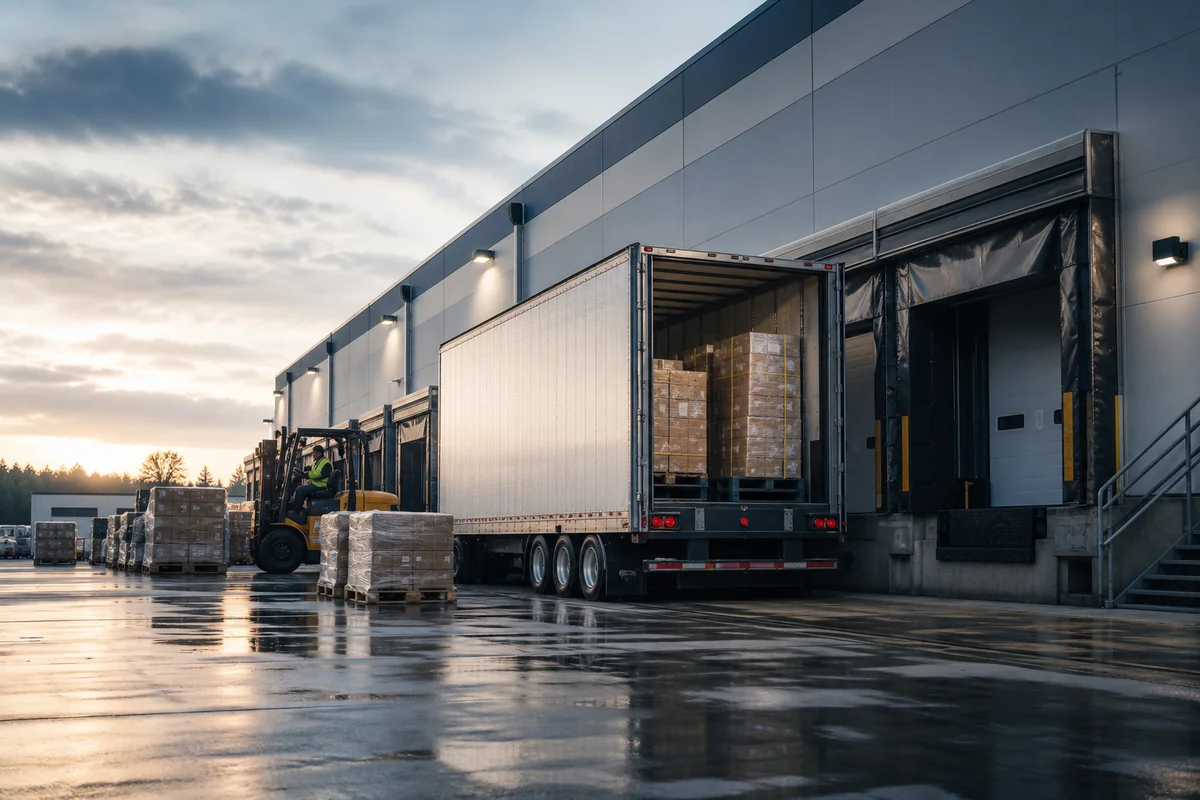
Automotive and industrial freight moving along Michigan interstate corridors
The Michigan Market

Freight coordination across the automotive belt. Plants, borders and orchards.

Michigan's freight economy is anchored by automotive manufacturing and the Canadian trade that feeds it, with agriculture, furniture and food processing filling out a more varied profile than the state's reputation suggests. Freight Flex coordinates all of it.

What moves through Michigan

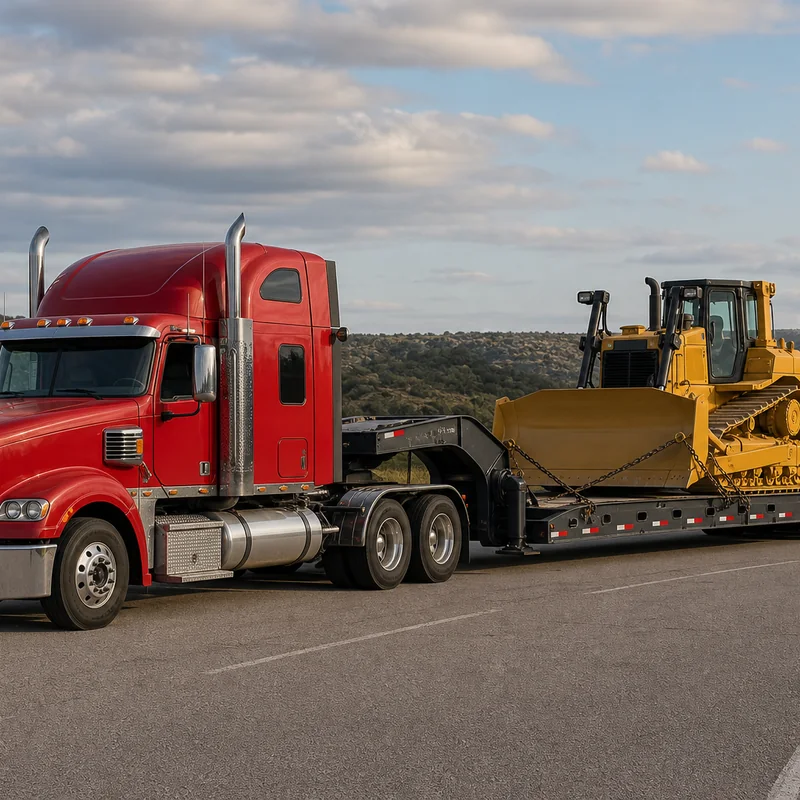
Automotive dominates and rightly so, with assembly plants and a tier supplier network spread across southeast Michigan and beyond, moving components in returnable racks and finished vehicles on specialized equipment, much of it crossing into Ontario and back as part of a single production sequence. Machinery, tooling and industrial equipment move alongside on open decks.

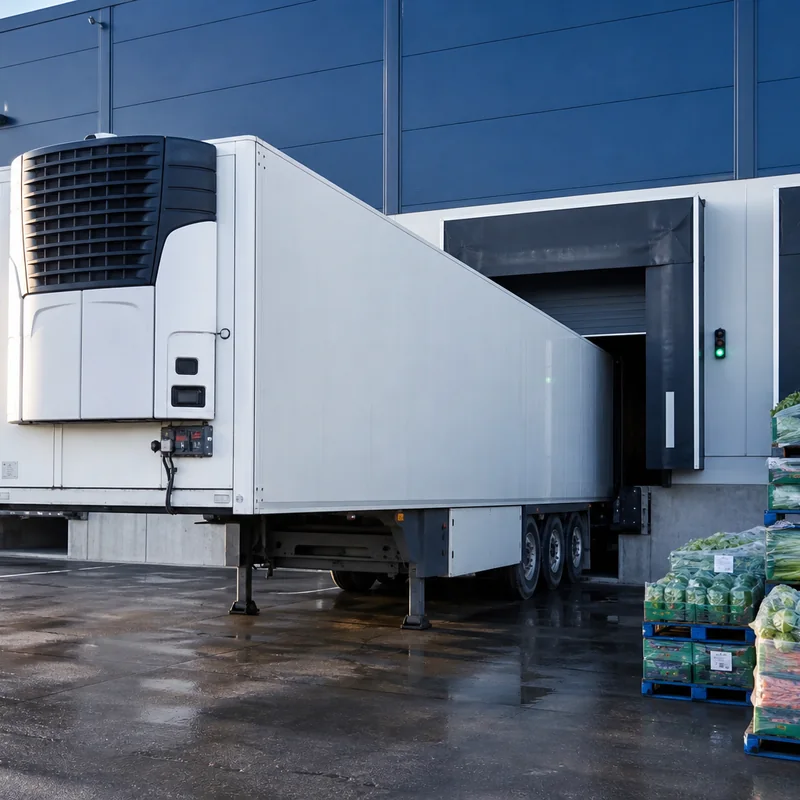
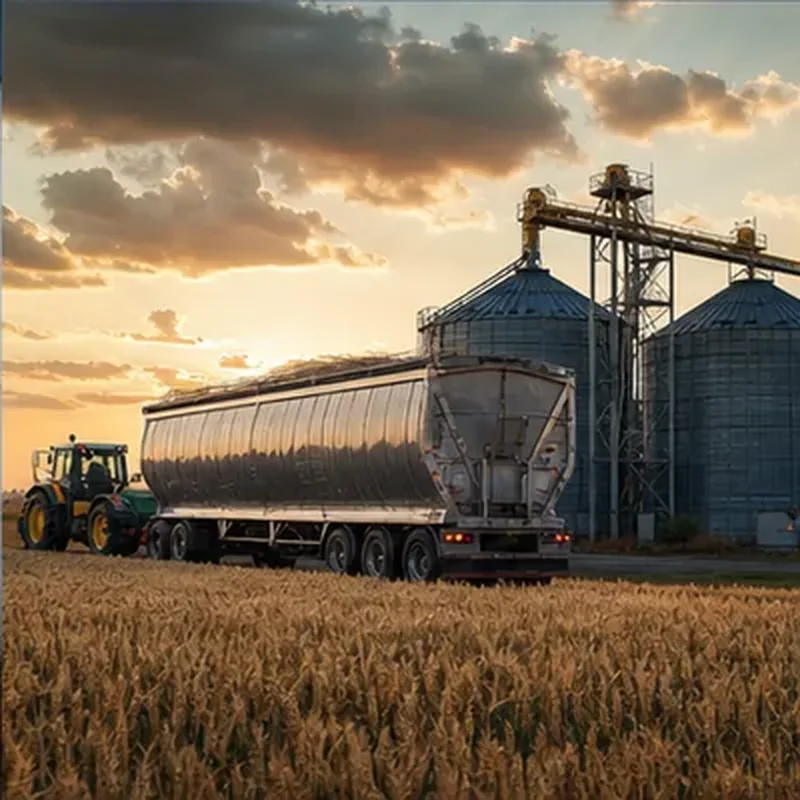
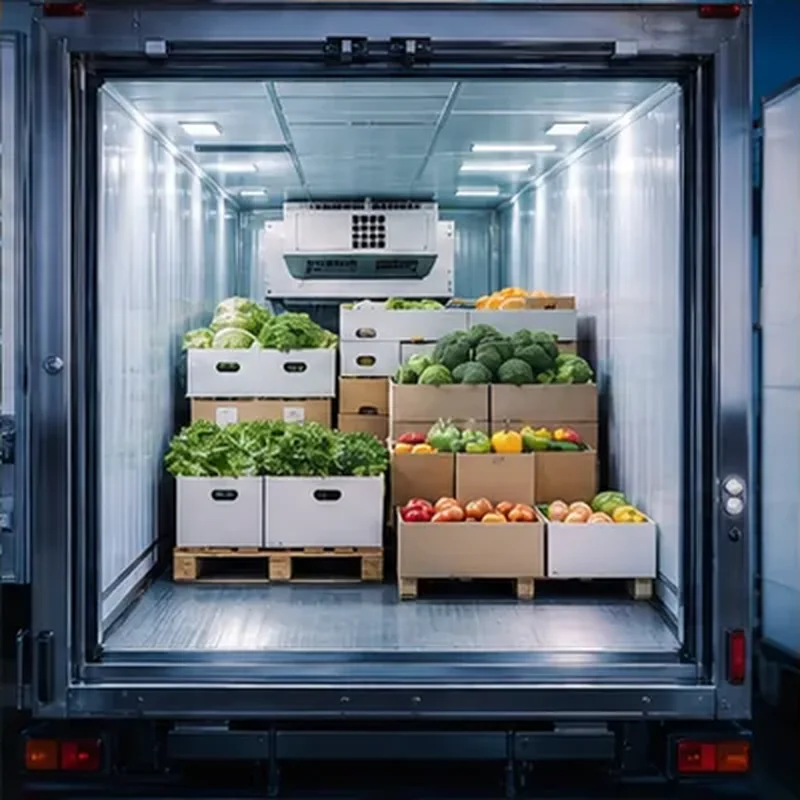
Beyond the plants, western Michigan runs office furniture and consumer goods manufacturing at scale, the state's agricultural regions ship fruit, produce and processed food on refrigerated equipment, and food and beverage production adds steady volume. The Great Lakes ports handle bulk and project cargo.

The corridors that carry it

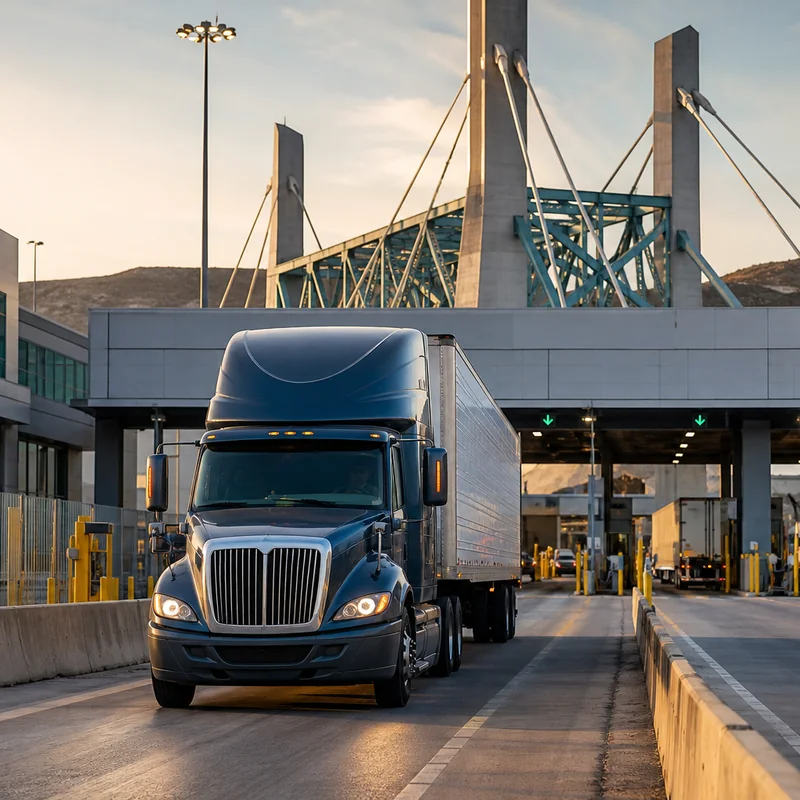
I-75 runs north-south from Ohio through Detroit to the northern reaches, I-94 crosses toward Chicago and connects the plant corridor, I-96 links Detroit to Grand Rapids and I-69 heads toward the Port Huron crossing. The Detroit-Windsor and Port Huron-Sarnia gateways carry heavy Canadian trade, making border planning routine rather than exceptional.

Freight Flex in Michigan

Freight Flex coordinates Cross-Border programs through the Michigan gateways, Full Truckload (FTL) on the standing supplier lanes, Expedited equipment monitored around the clock for line-down freight, Flatbed and Heavy Haul capacity for machinery and tooling, Temperature-Controlled capacity for agriculture and Less Than Truckload (LTL) coverage statewide. Carrier compliance tools and an agent success team available 24/7 support the move.

Planned to the Hour

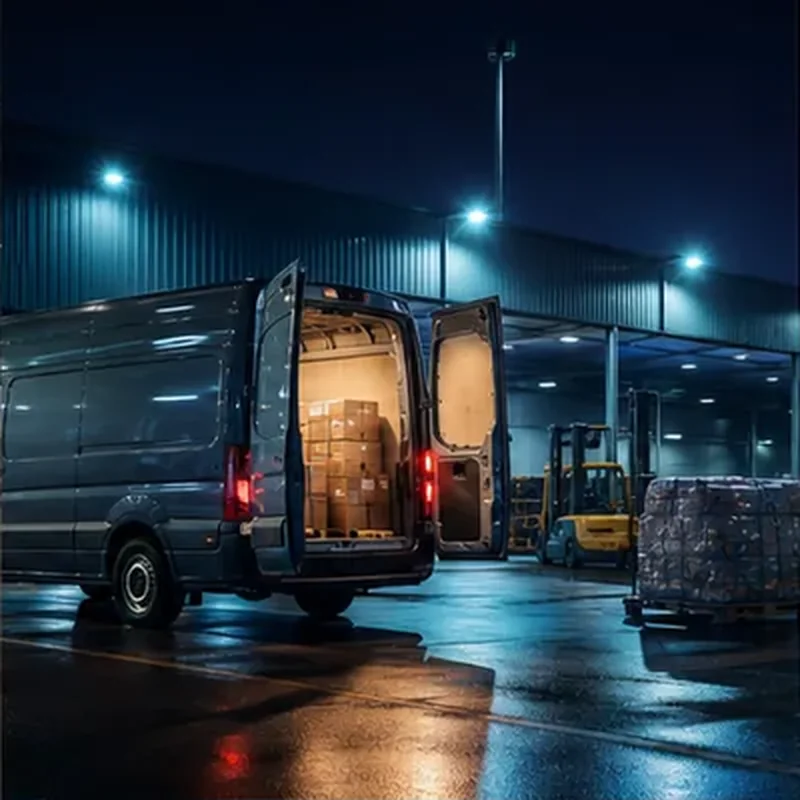
Automotive freight is planned against delivery hours, not delivery days, with recovery options priced before the day a sequence is threatened.

Canadian Crossings, Routine

Detroit-Windsor and Port Huron crossings planned before departure with documentation confirmed and carriers vetted on both sides of the line.

Compliance on Every Lane

Carrier compliance tools support shipment security, backed by an agent success team available 24/7. Component freight gets the security it needs.

The Freight Flex promise

Michigan's lines keep running. Build With Flex.

For every shipper moving Michigan freight, Freight Flex commits to planning freight against production sequences, coordinating Canadian crossings before the truck departs and holding expedited capacity ready for the hours that decide a day. Agricultural freight gets its setpoints confirmed, machinery moves get permitted before dispatch and winter gets built into every schedule.

0+
Shipments Coordinated
#0
Inc. 5000 Fastest-Growing Private Companies
0
States of Nationwide Coverage
0+
Freight Flex Offices
Operating standards

Michigan freight standards. Vetted. Verified. Visible.

Freight Flex combines carrier compliance tools with an agent success team available 24/7 to help reduce cargo theft, fraud and claims and support shipment visibility. Automotive components are prime theft targets on unforgiving schedules, which makes these standards production insurance.

  • Only work with Highway verified Motor Carriers.
  • 1+ year active authority required.
  • Double-brokering and identity fraud screened, then monitored in transit.
  • $1M Auto Liability + $100K Cargo Insurance required.
  • VIN verified on every shipment through Highway Load Lock.
  • MacroPoint GPS for ELD-exempt Sprinter vans and straight trucks.
Freight services

The services Michigan freight uses most. Plants, borders, orchards.

Michigan freight covers three economies. Cross-border coordination handles the Canadian crossings, truckload and expedited serve the automotive sequences, flatbed and heavy haul move machinery and tooling, temperature-controlled capacity carries the agricultural freight and LTL fills in statewide.

See All Services
Industries

The industries that run on Michigan freight. The state's economy.

Michigan freight serves a varied base, meaning automotive assembly and its supplier network, manufacturing across the state including furniture and consumer goods, agriculture from the fruit belt and farm regions, food and beverage processing, building materials for regional construction and retail distribution.

See All Industries
Planning Michigan Freight

How shippers plan Michigan freight. Sequences and seasons.

Michigan planning centers on the automotive clock and the Canadian border, with the agricultural calendar and northern winters shaping everything outside the plants.

Production sequences across an international line.

Michigan's automotive supply chains treat the Canadian crossings as internal steps, and freight has to behave accordingly. Standing Cross-Border programs fix the gateway, the carriers on both sides, the broker coordination and the documentation flow once, then execute repeatedly, converting the border into a process a production schedule can depend on. Documentation stays aligned before pickup, since a trailer stopped at the bridge idles operations in two countries at once.

The escalation path sits beside the standing lanes, meaning Expedited equipment right-sized and monitored until the dock signs, with the recovery options priced before the day a shortage threatens a line. Tooling and machinery relocations run on Flatbed and Heavy Haul equipment against shutdown windows scheduled months ahead.

Agriculture, furniture and Michigan winters.

Western and northern Michigan ship a completely different freight profile, meaning fruit and produce on Temperature-Controlled equipment with setpoints confirmed at dispatch, furniture and consumer goods on standard trailers and food processing volume year-round. Harvest surges tighten reefer capacity regionally on a predictable calendar, so standing seasonal lanes committed early ride through them.

Winter shapes the entire state from November through March, with lake-effect snow and deep cold slowing schedules and creating protect-from-freeze requirements for freight that never thought of itself as temperature-sensitive. Standing Full Truckload (FTL) and Less Than Truckload (LTL) programs carry seasonal transit buffers, because a plan that ignores a Michigan January is not really a plan.

Reviews

What It’s Like to Build With Flex

Leave a Review
Pricing

Ready to Get Started?

Tell us the lane, commodity, weights and dimensions, and any crossing, production schedule or temperature requirements. From a standing supplier flow to a harvest program, we will quote it across the services that fit.

Michigan shipment details

Get a Michigan Freight Quote

Submission received

Your quote request is in.

Thank you. A Freight Flex team member will review your shipment details and follow up shortly.

Build With Flex.