Minneapolis-St. Paul

Twin Cities Freight

The Twin Cities anchor the Upper Midwest, serving a vast region with a freight market that plans around winter for half the year. Freight Flex coordinates Minneapolis-St. Paul freight across the region, with vetted carriers and schedules built for the seasons this market actually has.

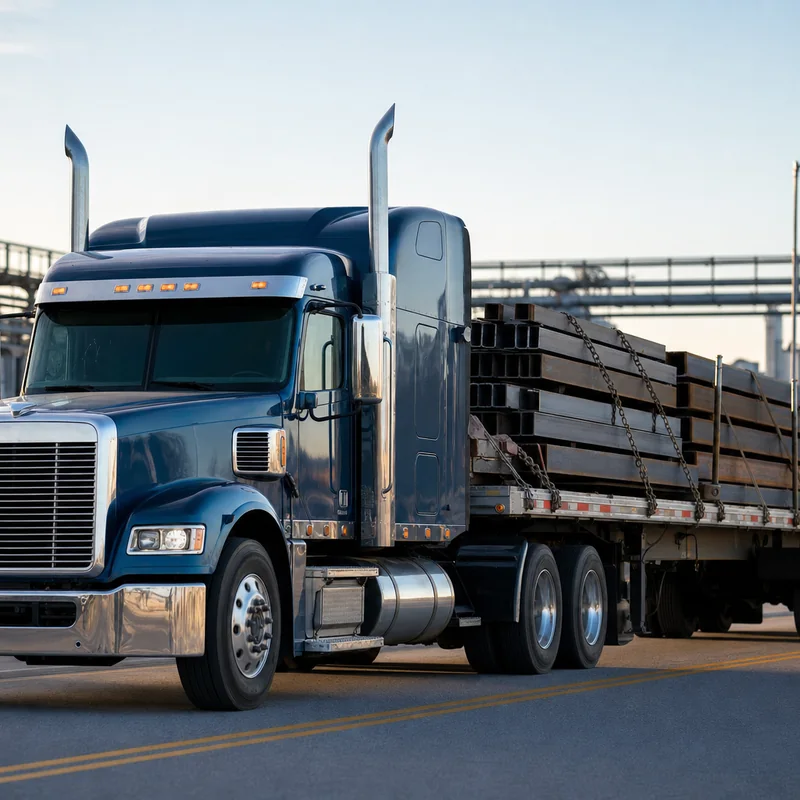
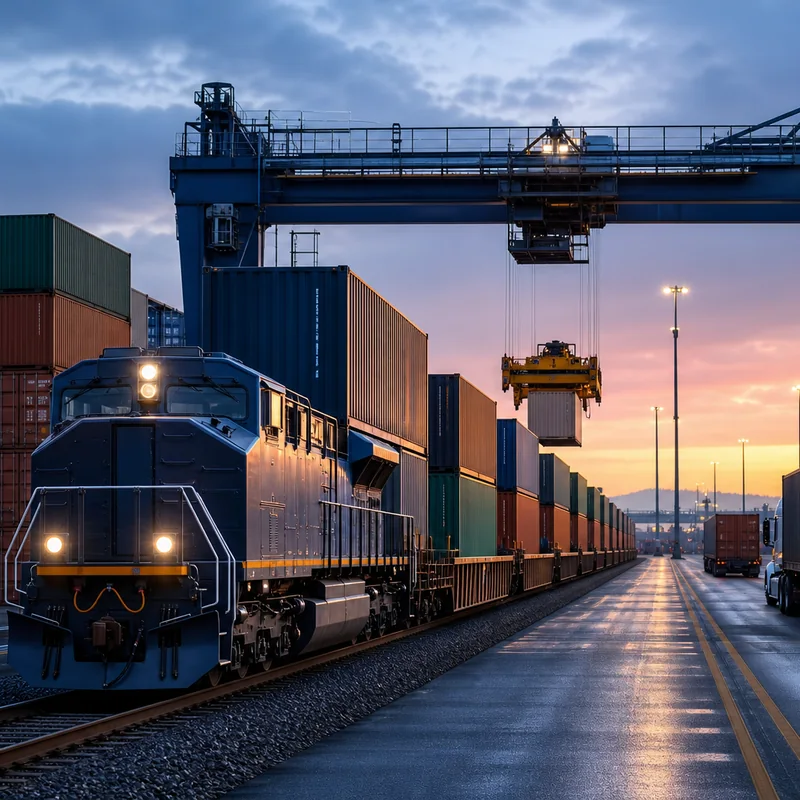
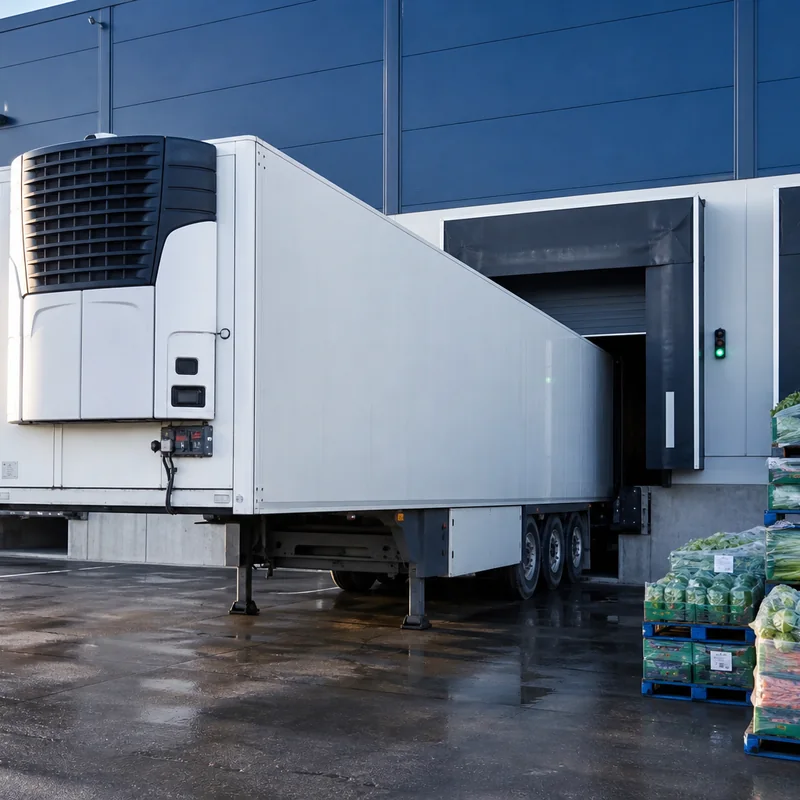
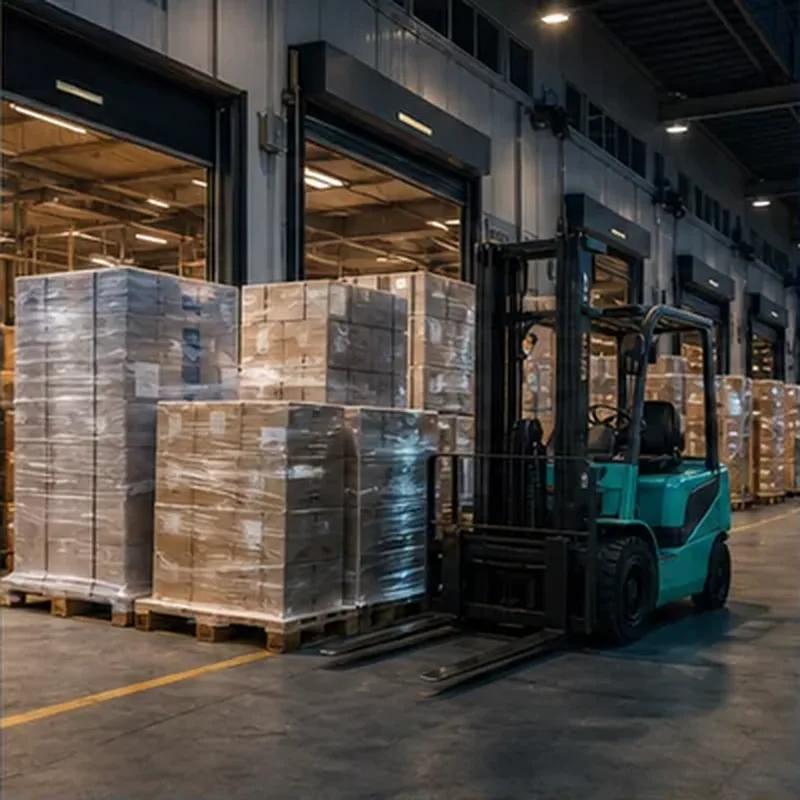
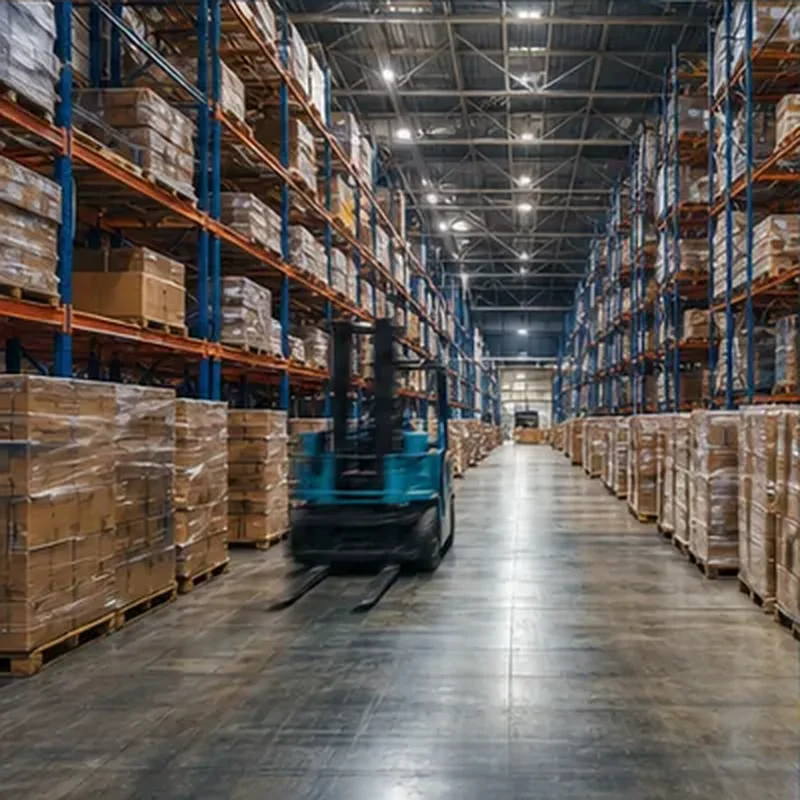
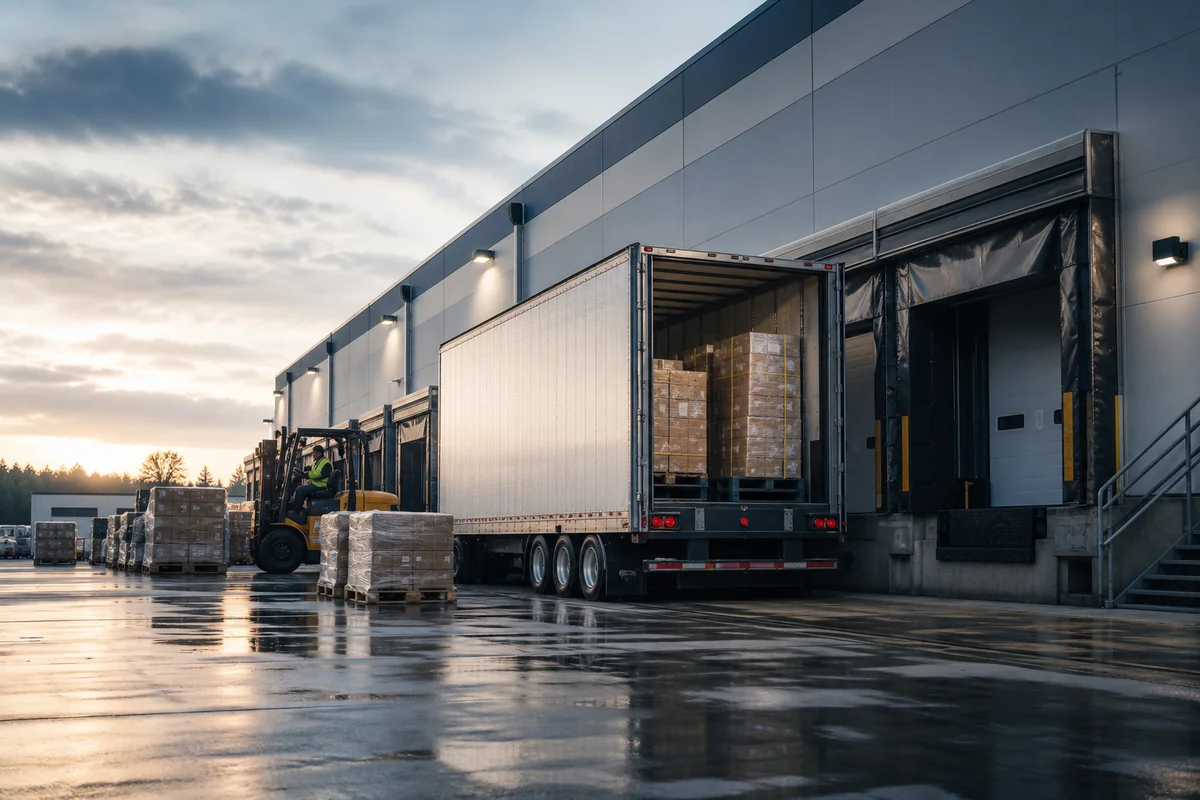
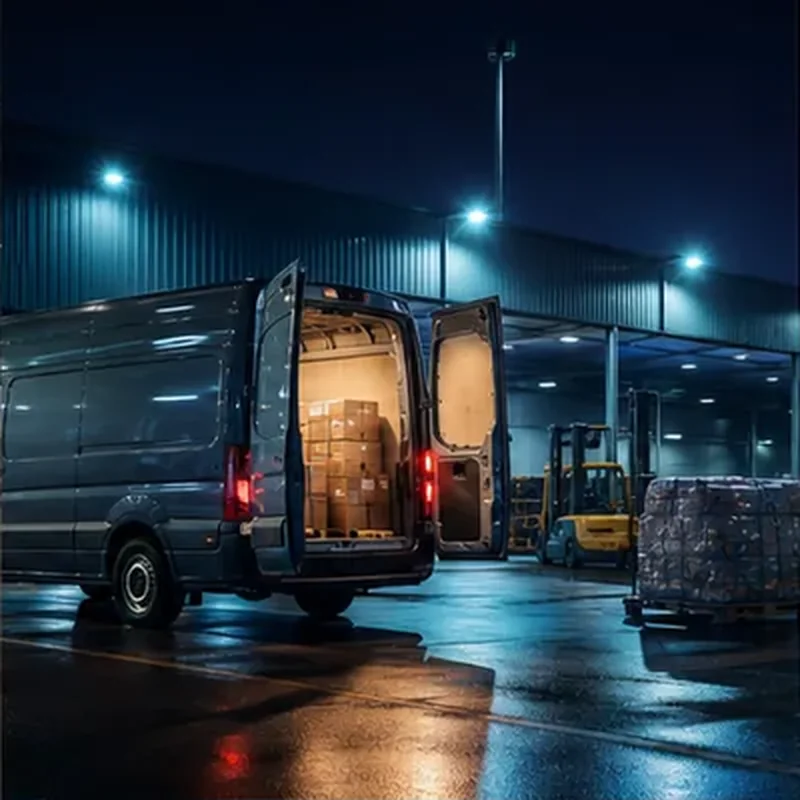
Freight trucks and distribution facilities across the Minneapolis-St. Paul metro
The Twin Cities Market

Freight coordination for the Upper Midwest. A region served from one metro.

Minneapolis-St. Paul is the distribution and corporate center for a region stretching across Minnesota, the Dakotas and western Wisconsin. Freight Flex coordinates Twin Cities freight across that territory, from metro distribution to agricultural freight on the plains.

What moves through the Twin Cities

Twin Cities freight serves a region larger than most states. National retailers headquartered here run enormous distribution operations, food and beverage companies with deep regional roots move product nationally, medical device manufacturing gives the market a high-value specialty layer, and consumer goods distribution feeds population centers scattered across hundreds of miles.

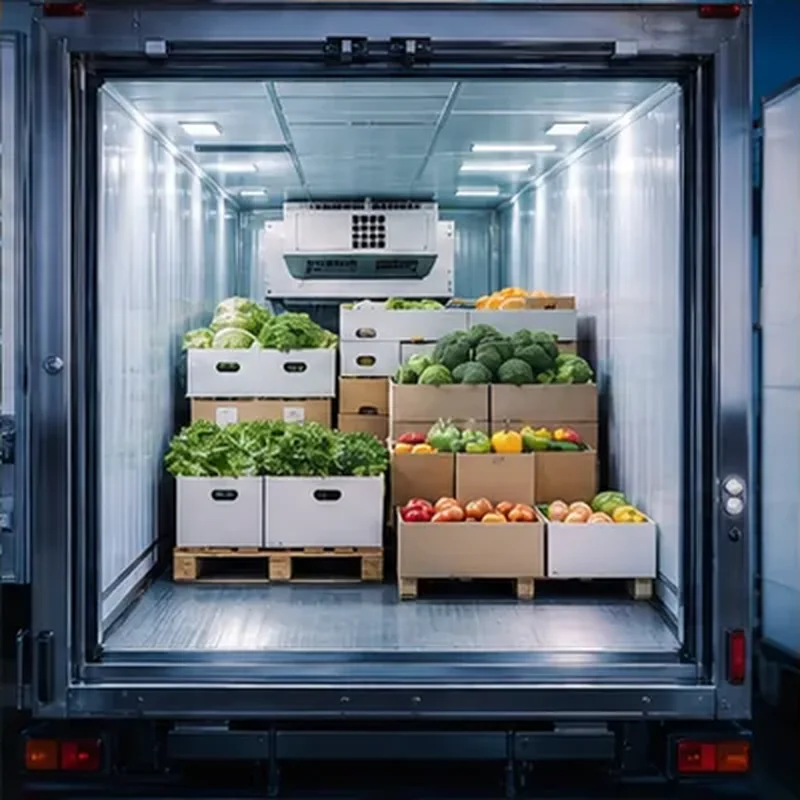
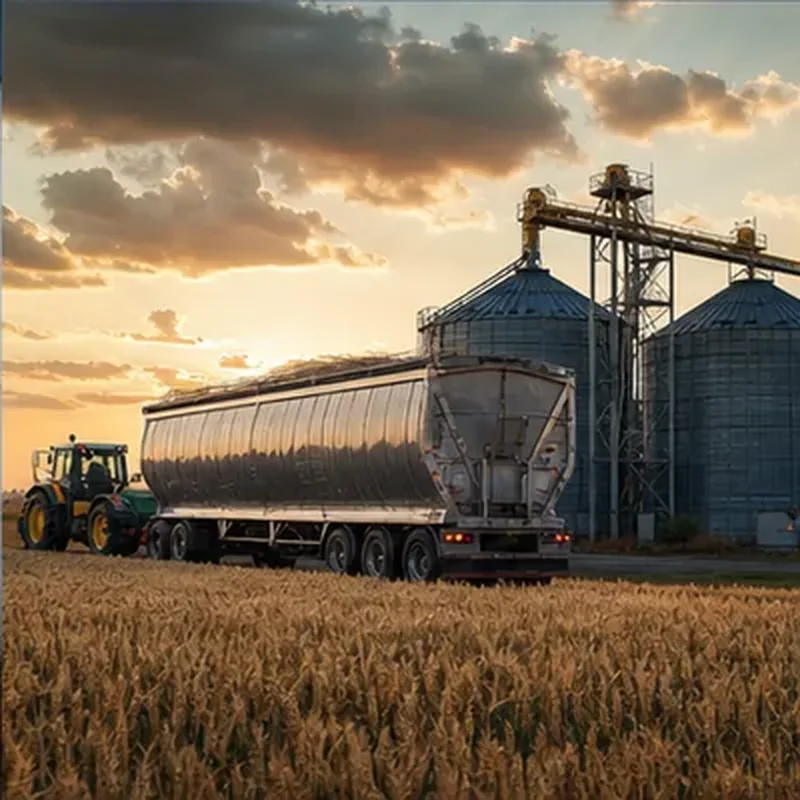
The agricultural economy runs beneath everything, with grain, protein and food processing from the surrounding states moving through the metro, refrigerated freight serving both the harvest and the food manufacturing base, and building materials feeding steady regional construction.

The corridors that carry it

I-94 runs east toward Wisconsin and Chicago and west across the Dakotas, I-35 carries the north-south corridor from the Canadian border down through Iowa and beyond, and I-494 and I-694 ring the metro's distribution belt. Distances define the outbound map, since the next major markets sit several hundred miles away in most directions, which makes lane balance and backhaul planning central to Twin Cities freight economics.

Freight Flex in the Twin Cities

Freight Flex coordinates Full Truckload (FTL) and Less Than Truckload (LTL) freight across the region, Temperature-Controlled capacity for the food and agricultural economy, Expedited equipment for medical device and time-critical freight, Intermodal options on the long lanes and Flatbed capacity for the construction and industrial base. Carrier compliance tools and an agent success team available 24/7 support the move.

Planned for Real Winters

Seasonal transit buffers, cold-weather equipment realities and protect-from-freeze requirements built into schedules from November through spring, not discovered in January.

The Upper Midwest From Here

One metro serves a region measured in hundreds of miles. Programs staged here get planned with honest lane math instead of optimistic radius thinking.

Compliance on Every Lane

Carrier compliance tools support shipment security, backed by an agent success team available 24/7. Long regional lanes never lower the bar.

The Freight Flex promise

Winter never becomes an excuse. Build With Flex.

For every shipper moving Twin Cities freight, Freight Flex commits to building seasonal realities into schedules rather than apologizing for them, protecting freeze-sensitive freight through the cold months and covering long regional lanes with vetted capacity. Food and agricultural programs get their setpoints confirmed on every dispatch, and a market where the weather is a fact of life gets a freight plan that treats it as one.

0+
Shipments Coordinated
#0
Inc. 5000 Fastest-Growing Private Companies
0
States of Nationwide Coverage
0+
Freight Flex Offices
Operating standards

Twin Cities freight standards. Vetted. Verified. Visible.

Freight Flex combines carrier compliance tools with an agent success team available 24/7 to help reduce cargo theft, fraud and claims and support shipment visibility. These standards ride on every Minneapolis-St. Paul load we arrange.

  • Only work with Highway verified Motor Carriers.
  • 1+ year active authority required.
  • Satisfactory or Unrated FMCSA safety rating required.
  • $1M Auto Liability + $100K Cargo Insurance required.
  • VIN verified on every shipment through Highway Load Lock.
  • Live ELD tracking required whenever applicable.
Freight services

The services Twin Cities freight uses most. Region and season.

Twin Cities freight covers a region and a calendar. Truckload and LTL carry the distribution volume across long lanes, temperature-controlled capacity serves the food economy and freeze-sensitive freight, expedited handles medical device urgency, intermodal covers the longest lanes and flatbed moves the construction materials.

See All Services
Industries

The industries that run on Twin Cities freight. The Upper Midwest economy.

Twin Cities freight serves the region's anchor sectors, meaning retail distribution networks headquartered here, food and beverage production and processing, agriculture from the surrounding states, healthcare and medical device manufacturing, consumer brands serving the region and building materials for regional construction.

See All Industries
Planning Twin Cities Freight

How shippers plan Twin Cities freight. Seasons and distances.

Twin Cities planning is governed by two facts, meaning the region's size and the length of its winter, and programs that plan for both outperform programs that treat either as an inconvenience.

Winter freight and protect-from-freeze planning.

Cold is the region's defining freight variable. Beverages, liquids, pharmaceuticals, coatings and plenty of ordinary consumer goods cannot freeze, which means Temperature-Controlled equipment running heat is as important here as refrigeration is in Phoenix, and the requirement belongs on the dispatch rather than in someone's memory. Loading practices matter too, since freight sitting on a cold dock takes damage that never shows until the receiver opens it.

Transit planning changes with the season, with storms closing interstates across the plains and slowing every schedule from November through spring. Standing Full Truckload (FTL) programs carry seasonal buffers, and time-critical freight keeps an Expedited recovery priced in advance rather than negotiated during a blizzard.

Regional reach and honest lane math.

Serving the Upper Midwest from one metro means long lanes with thin return volume in several directions, and freight economics follow. Programs that plan two-way volume, offer flexible pickup windows and hold realistic expectations by direction buy better capacity than programs shopping each load cold. Less Than Truckload (LTL) coverage priced on density serves the region's smaller receivers efficiently, and long lanes east and south with calendar room deserve an Intermodal comparison.

The agricultural calendar adds its own rhythm, with harvest pulling equipment regionally on schedule every year and food processing freight moving on the crop's timeline. Standing lanes covered ahead of those waves ride through them, which in a region this large is the difference between a program and a permanent scramble.

Reviews

What It’s Like to Build With Flex

Leave a Review
Pricing

Ready to Get Started?

Tell us the lane, commodity, weights and dimensions, and any temperature or freeze-protection requirements. From regional distribution to a harvest-season program, we will quote it with the calendar built in.

Minneapolis-St. Paul shipment details

Get a Twin Cities Freight Quote

Submission received

Your quote request is in.

Thank you. A Freight Flex team member will review your shipment details and follow up shortly.

Build With Flex.