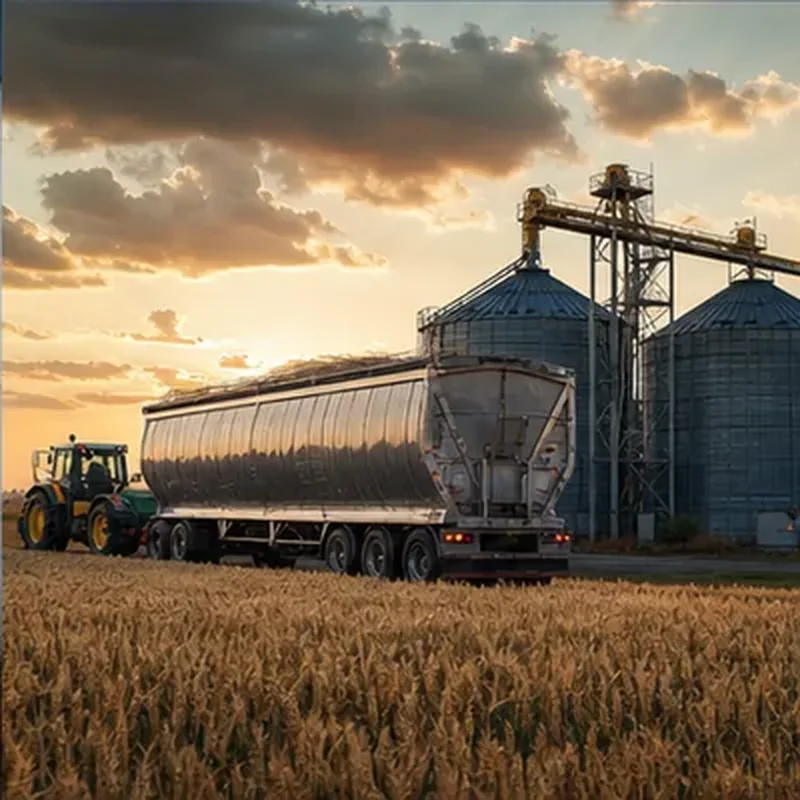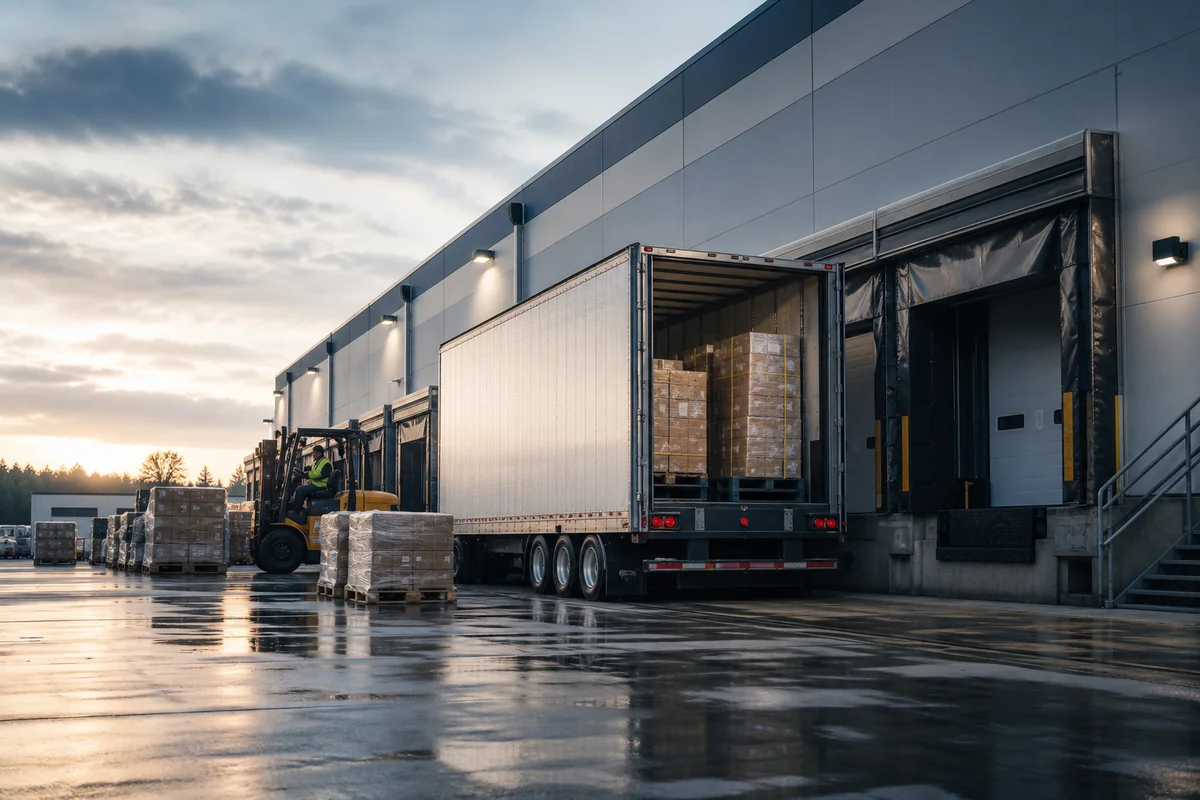
What moves through Milwaukee
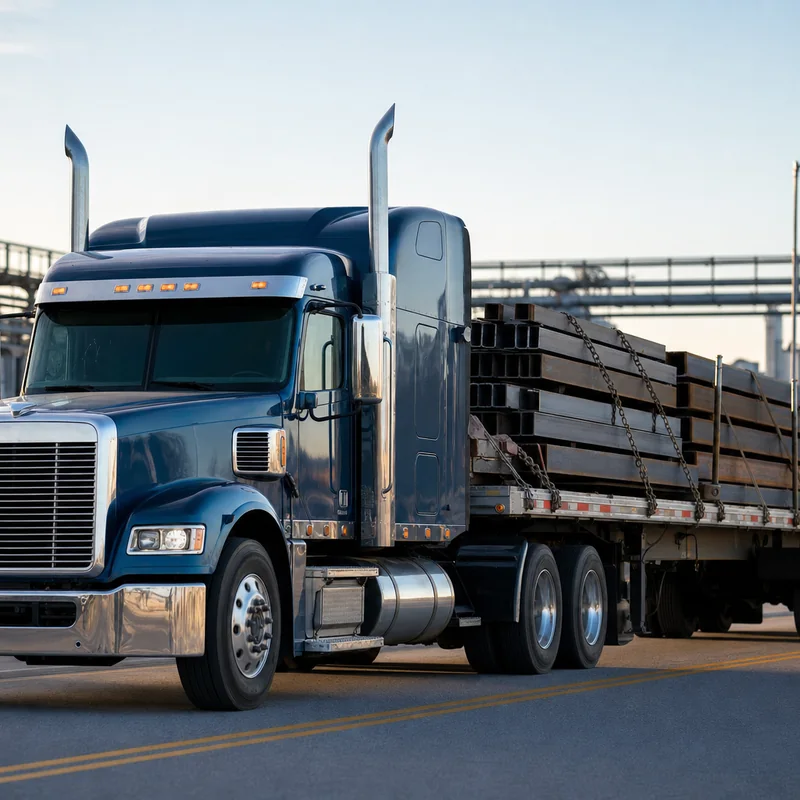
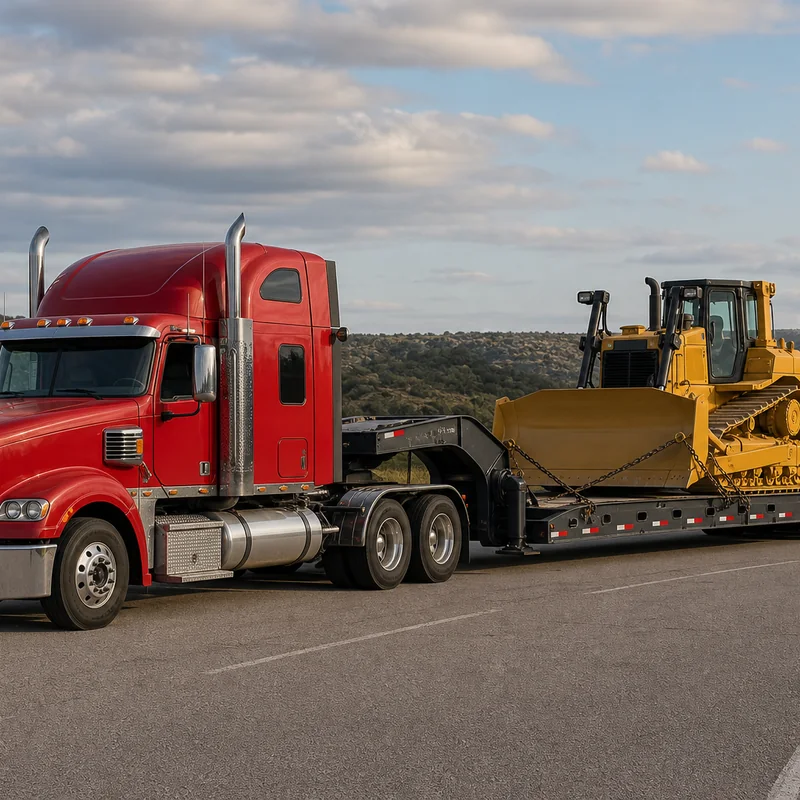
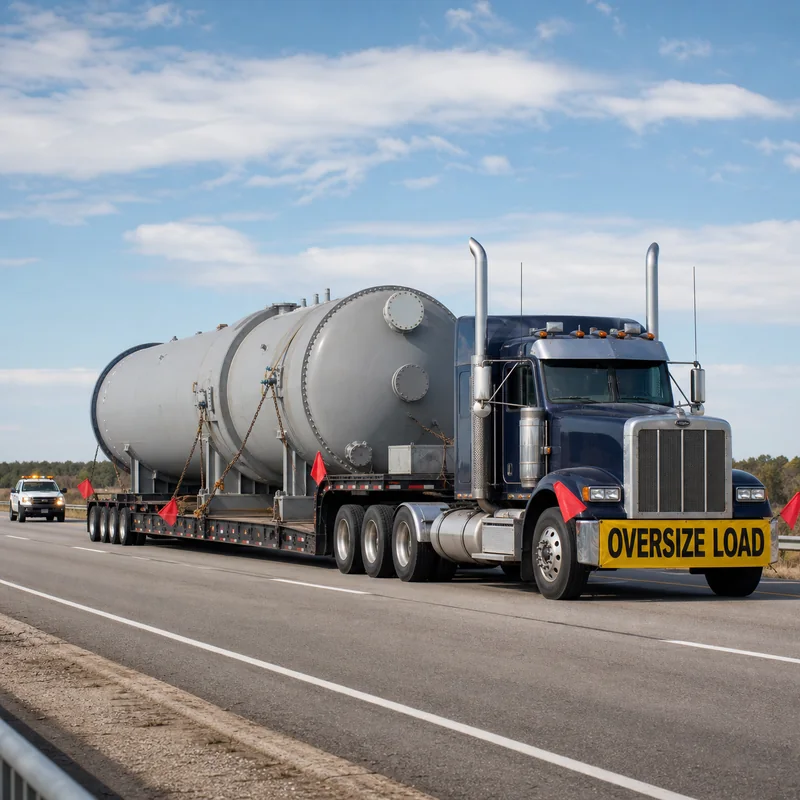
Machinery leads the industrial freight, with engines, mining and construction equipment, industrial controls and fabricated products shipping from plants across the metro, much of it heavy, oversized or both. Metals and components feed those operations inbound.
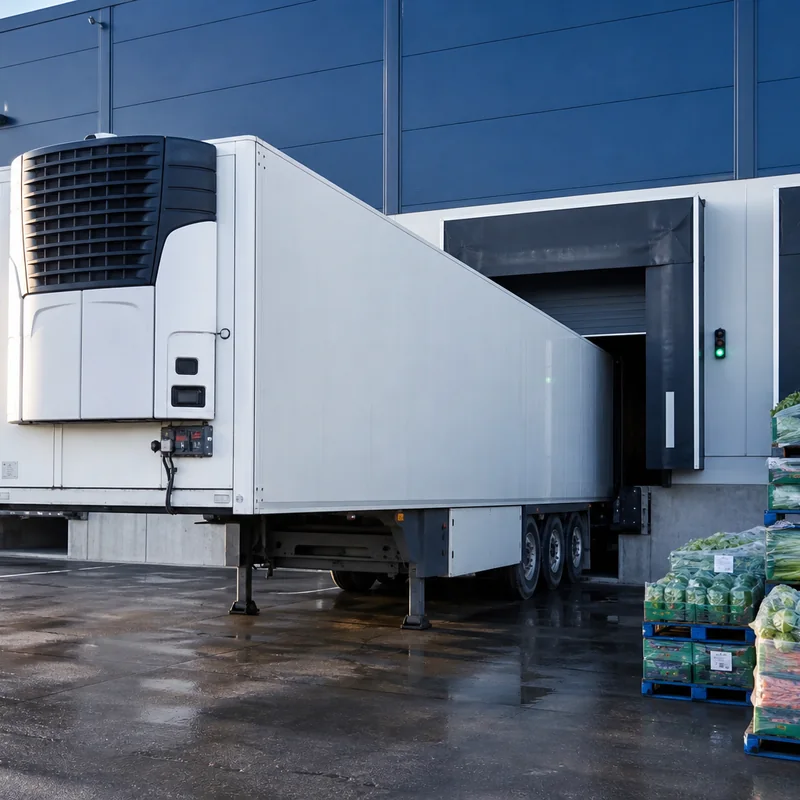
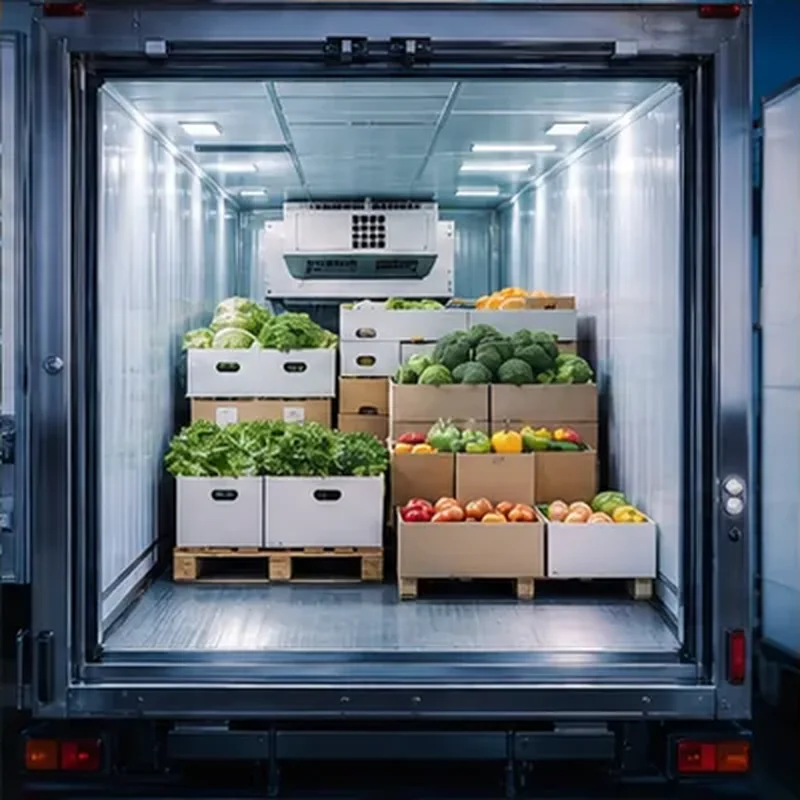
Food and beverage is the other pillar, with brewing, packaging and food processing shipping refrigerated and ambient product nationally, and the metro's distribution economy serves eastern Wisconsin. The Port of Milwaukee handles Great Lakes bulk and breakbulk during the shipping season, and building materials feed steady regional construction.
The corridors that carry it
I-94 runs south to Chicago and northwest toward Madison and the Twin Cities, I-43 follows the lakeshore north toward Green Bay and I-894 rings the metro. The Chicago proximity is the defining fact, since Milwaukee freight can access that market's capacity and lanes while operating outside its congestion, which is worth real money to shippers who plan for it.
Freight Flex in Milwaukee
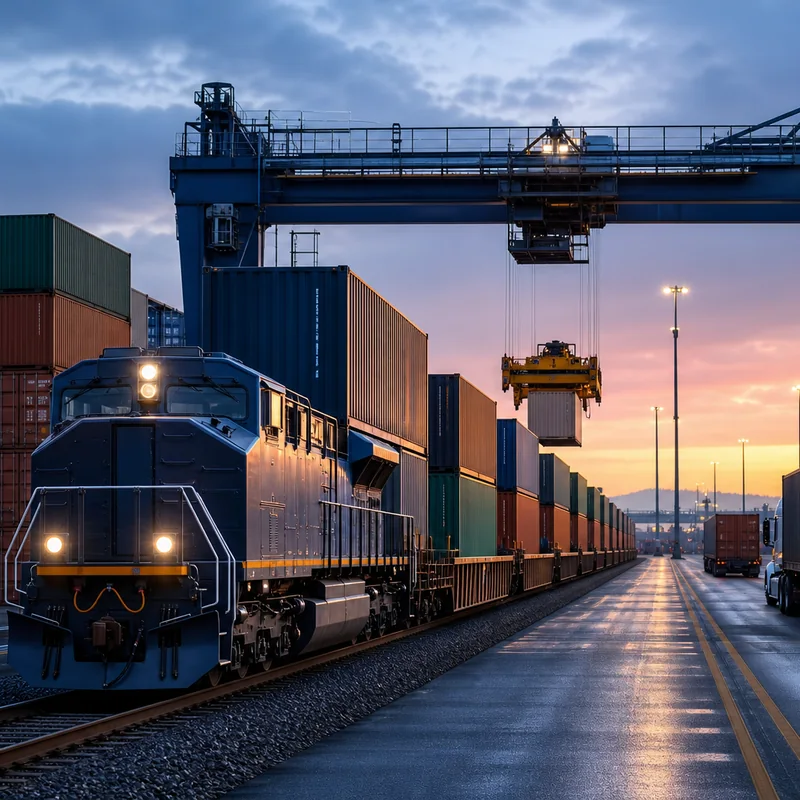
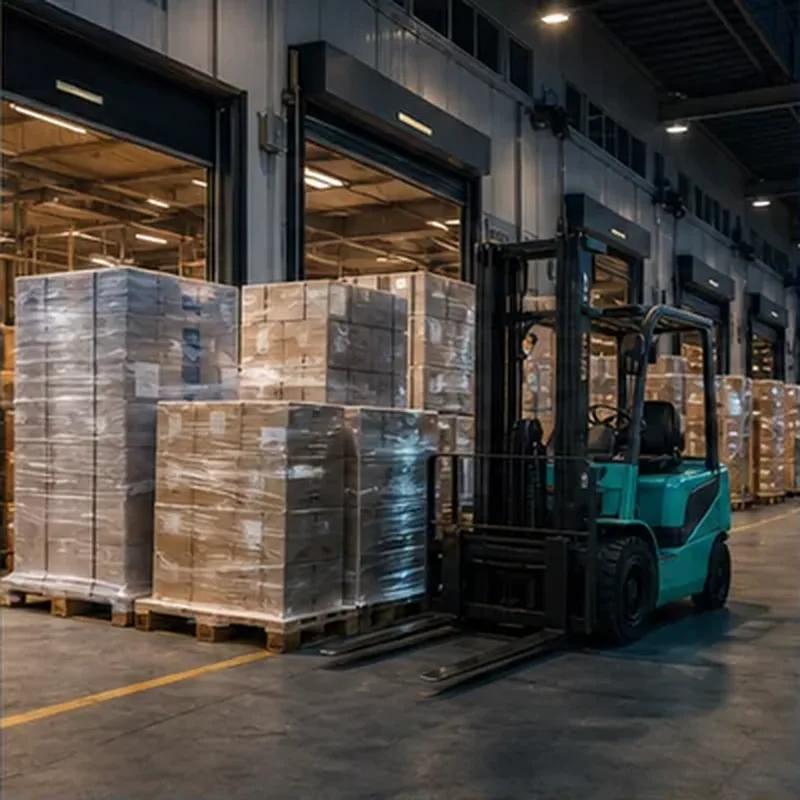
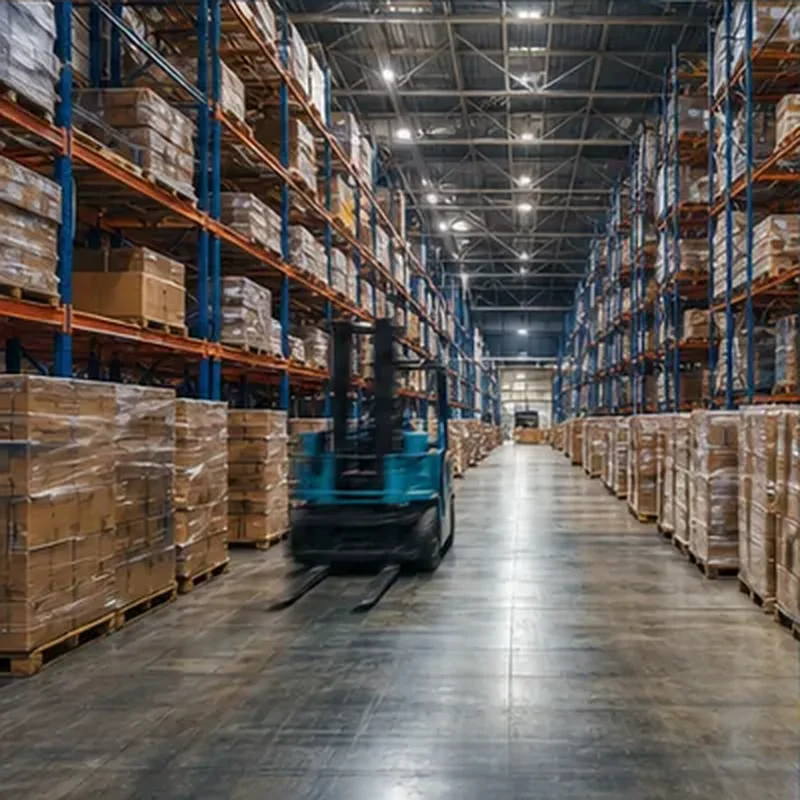
Freight Flex coordinates Flatbed, Heavy Haul and Over-Dimensional (OD) capacity for machinery, Temperature-Controlled capacity for food and beverage freight, Full Truckload (FTL) and Less Than Truckload (LTL) coverage across the metro, Intermodal options through the regional ramps and Expedited equipment when a production schedule tightens. Carrier compliance tools and an agent success team available 24/7 support the move.