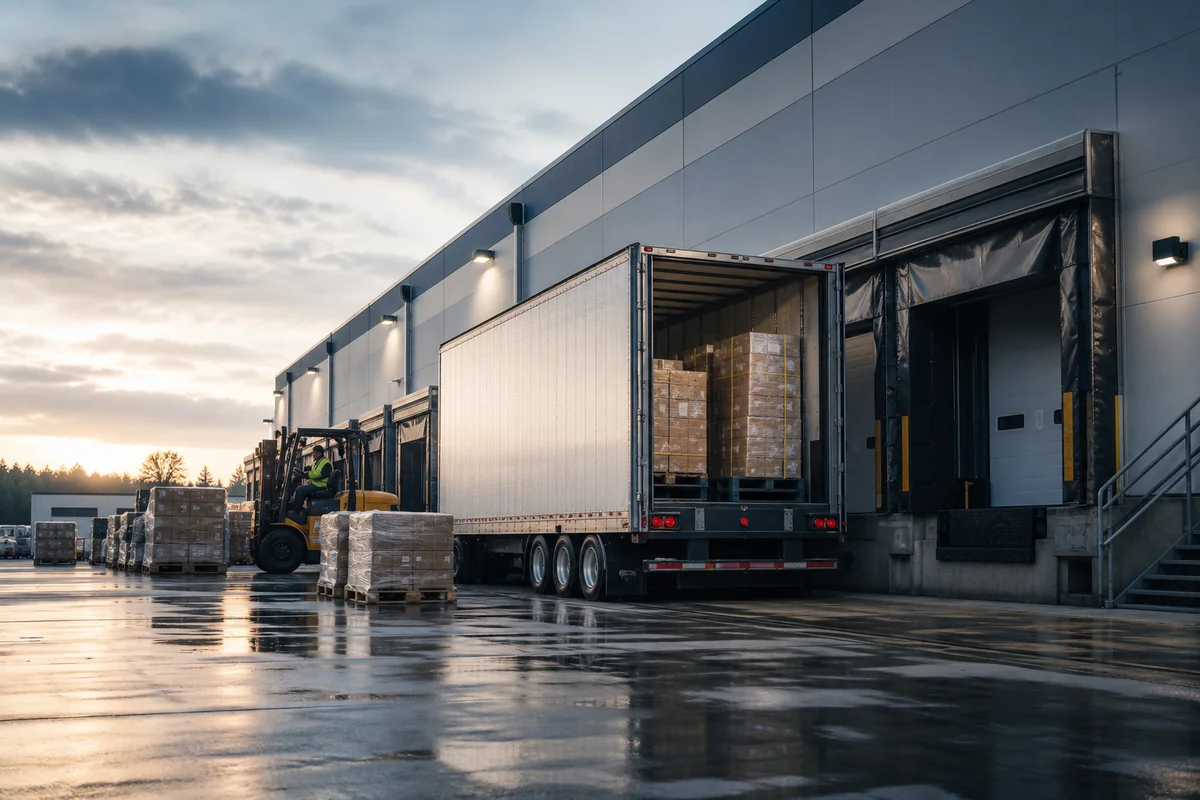
St. Louis

St. Louis Freight

St. Louis has been where America's freight crosses the river since before there were interstates, and the rail, road and barge networks still converge here. Freight Flex coordinates St. Louis freight across the crossing, with vetted carriers and plans built for a market that connects four directions.

Rail yards and river barge terminals along the Mississippi at St. Louis
The St. Louis Market

Freight coordination at the Mississippi crossing. Rail, road and river.

St. Louis sits where the country's central corridors meet the Mississippi, with major rail interchange, four interstates and one of the busiest inland river ports in America. Freight Flex coordinates St. Louis freight across all three networks and the industrial economy they serve.

What moves through St. Louis

St. Louis freight reflects a market that has always been a crossing point. Rail interchange moves enormous volume through the metro, connecting eastern and western networks, while the inland river port handles agricultural products, chemicals, metals and bulk commodities moving on the Mississippi system. Around that infrastructure runs a substantial manufacturing base, meaning automotive assembly, aerospace, chemicals and food processing, plus a distribution economy serving the middle of the country.

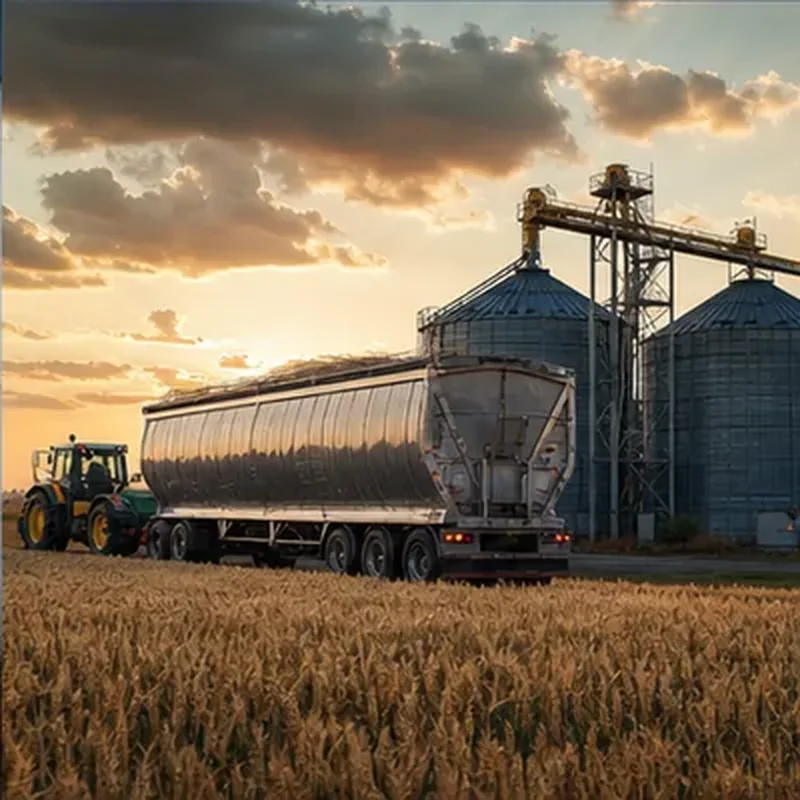
Agriculture anchors the regional layer, with grain and food products moving through the metro from the surrounding farm belt, and the freight profile ends up genuinely mixed, meaning boxes, bulk, open deck and reefer all in serious volume.

The corridors that carry it

I-70 runs east-west through the metro toward Kansas City and Indianapolis, I-55 carries the Chicago-to-Gulf corridor, I-64 heads east toward Louisville and I-44 runs southwest toward Oklahoma. Four interstates plus rail interchange plus barge access makes St. Louis a genuine multimodal market, and it puts most of the country's population within a reasonable transit for programs staged here.

Freight Flex in St. Louis

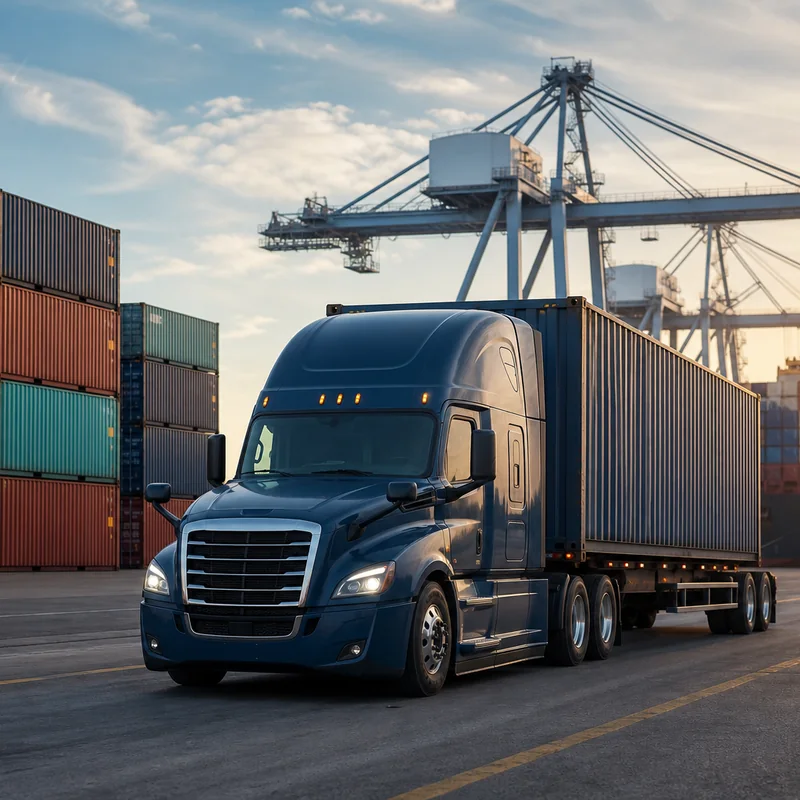
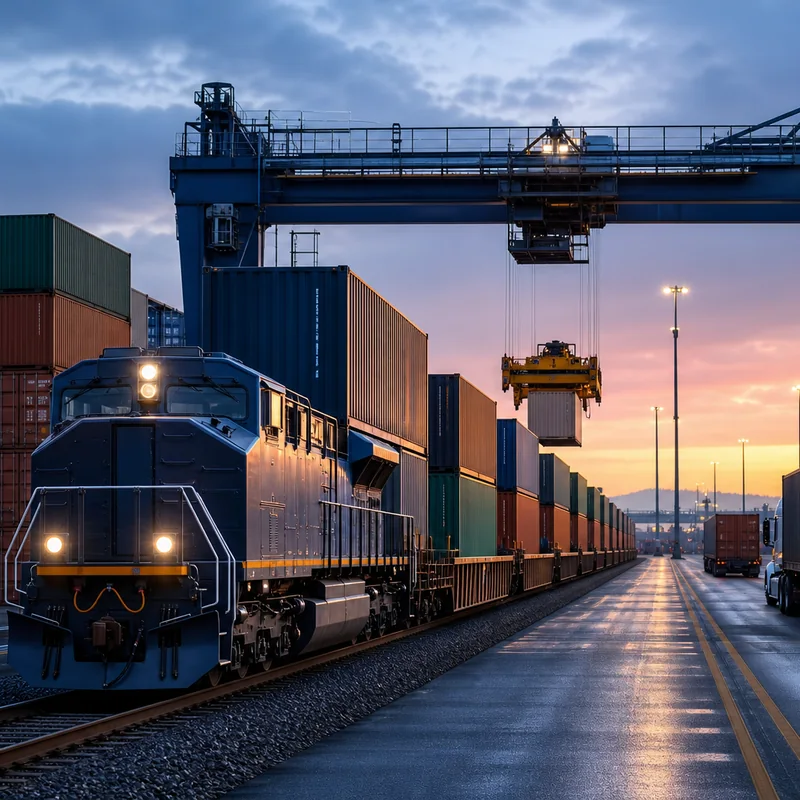
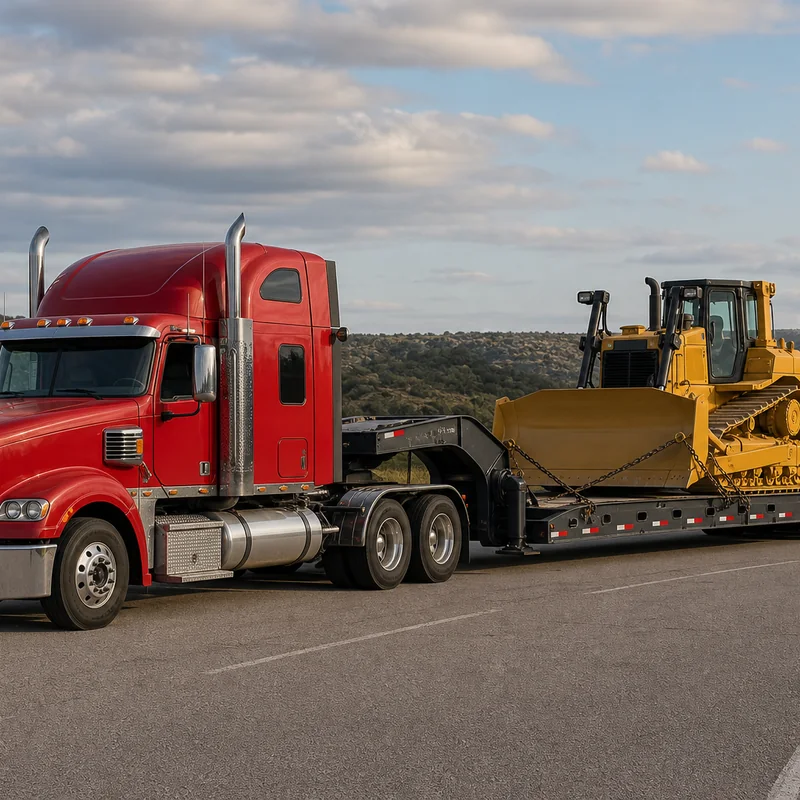
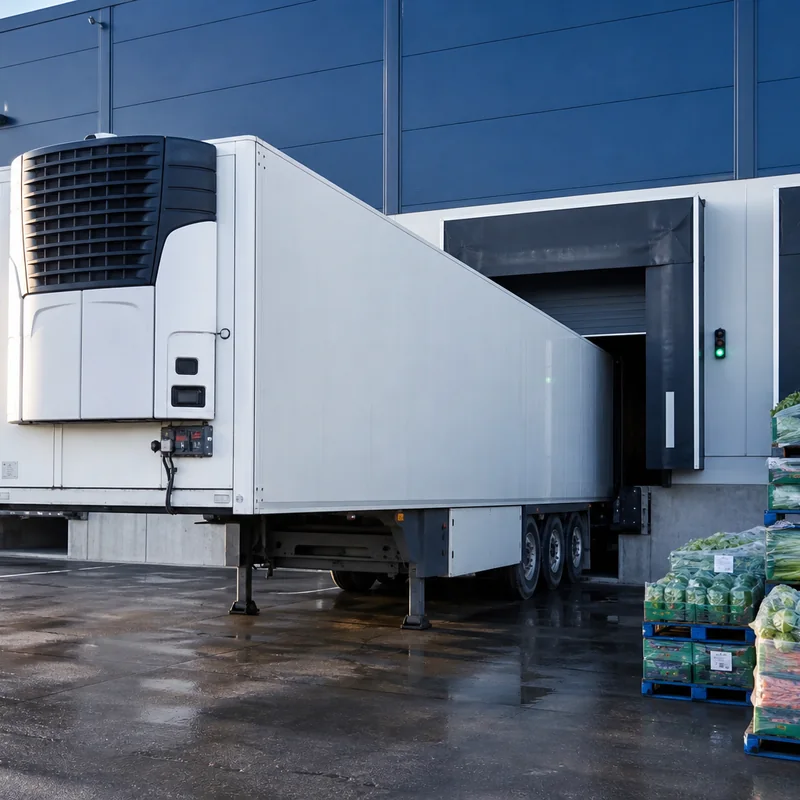
Freight Flex coordinates Full Truckload (FTL) and Less Than Truckload (LTL) freight across the metro's distribution networks, Intermodal and Drayage through the rail complexes, Flatbed and Heavy Haul capacity for the manufacturing and industrial economies, Temperature-Controlled capacity for food processing and Expedited equipment when a plant schedule tightens. Carrier compliance tools and an agent success team available 24/7 support the move.
Four Directions, Multiple Modes

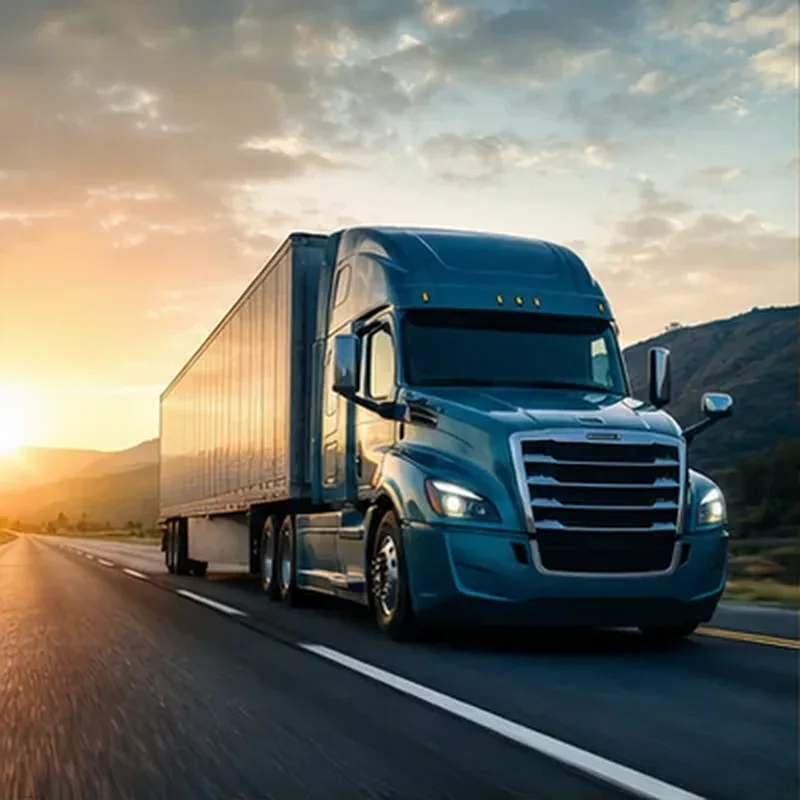
Rail interchange, four interstates and river access converge here. Programs staged in St. Louis get real mode choice, priced side by side instead of assumed.

Built for Industrial Freight

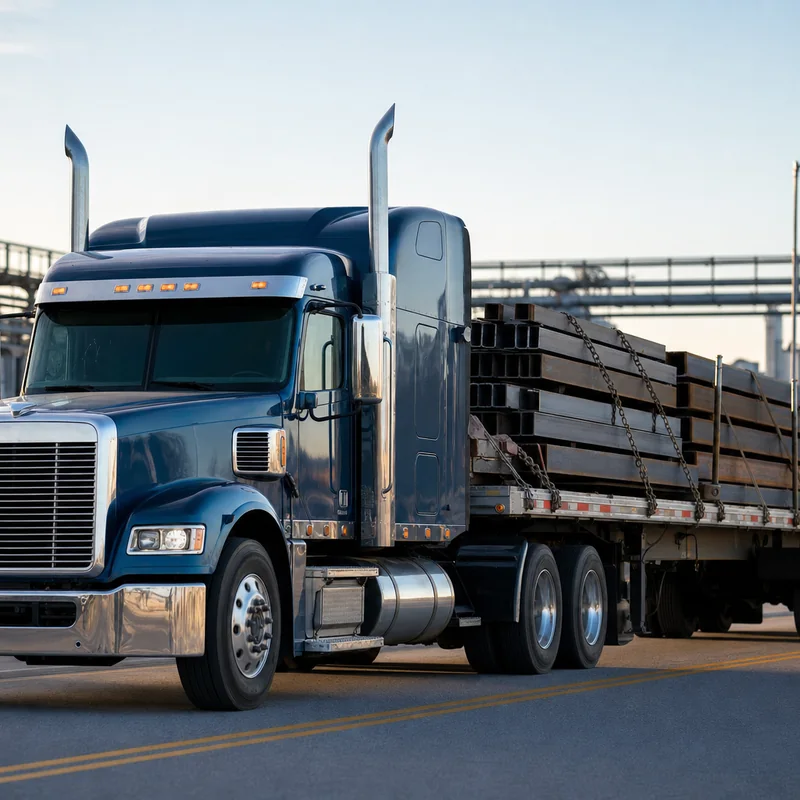
Manufacturing, chemicals and metals move on the right equipment with securement matched to the commodity, and oversized pieces get permitted before dispatch.

Compliance on Every Lane

Carrier compliance tools support shipment security, backed by an agent success team available 24/7. Crossing volume never lowers the bar.

The Freight Flex promise

Your freight crosses cleanly. Build With Flex.

For every shipper moving St. Louis freight, Freight Flex commits to planning intermodal moves as complete sequences, matching industrial freight with the right equipment before it ships and covering the metro's lanes with vetted capacity in all four directions. Winter weather and river-season rhythms get built into schedules, and a market with this many options gets a partner who prices them honestly instead of defaulting to one.

0+
Shipments Coordinated
#0
Inc. 5000 Fastest-Growing Private Companies
0
States of Nationwide Coverage
0+
Freight Flex Offices
Operating standards

St. Louis freight standards. Vetted. Verified. Visible.

Freight Flex combines carrier compliance tools with an agent success team available 24/7 to help reduce cargo theft, fraud and claims and support shipment visibility. These standards ride on every St. Louis load we arrange.

  • Only work with Highway verified Motor Carriers.
  • 1+ year active authority required.
  • Satisfactory or Unrated FMCSA safety rating required.
  • $1M Auto Liability + $100K Cargo Insurance required.
  • VIN verified on every shipment through Highway Load Lock.
  • Supplemental cargo insurance available up to $2,000,000 per shipment, beyond standard carrier coverage.
Freight services

The services St. Louis freight uses most. A multimodal market.

St. Louis freight uses the options the crossing provides. Intermodal and drayage work the rail complexes, truckload and LTL carry the distribution volume in four directions, flatbed and heavy haul serve the industrial economy, temperature-controlled capacity moves the food processing output and expedited covers the urgencies.

See All Services
Industries

The industries that run on St. Louis freight. The crossing's economy.

St. Louis freight serves the region's anchor sectors, meaning manufacturing and automotive assembly across the metro, agriculture and food processing from the surrounding farm belt, food and beverage distribution, energy and industrial materials moving through the corridors, retail distribution and building materials for regional construction.

See All Industries
Planning St. Louis Freight

How shippers plan St. Louis freight. Options, used deliberately.

St. Louis planning rewards shippers who actually use the market's optionality, meaning comparing modes on real numbers and matching the region's industrial freight to the right equipment before it ships.

Using a multimodal market on purpose.

Most markets give shippers one realistic mode and a theoretical alternative. St. Louis gives real choice, since the rail interchange makes Intermodal genuinely competitive on long lanes, four interstates keep Full Truckload (FTL) capacity deep in every direction and the river handles bulk that never belonged on a truck. The discipline is comparing rather than defaulting, so Freight Flex prices rail against road on every lane where both compete and plans the Drayage on both ends of intermodal moves as part of the linehaul rather than an afterthought.

Regional distribution runs Less Than Truckload (LTL) priced on density from real dimensions, with the metro's central position putting a large share of the country within reasonable transit and appointment discipline confirmed at booking.

Industrial freight and the region's seasons.

The metro's manufacturing base ships freight that needs classification before it needs a truck, meaning machinery, metals and chemical-adjacent product riding Flatbed with securement matched to the commodity, and pieces past legal limits moving through Heavy Haul with permits pulled against verified routes. Exact loaded dimensions sent early get the right deck the first time, which is the difference between a scheduled move and a rebooked one.

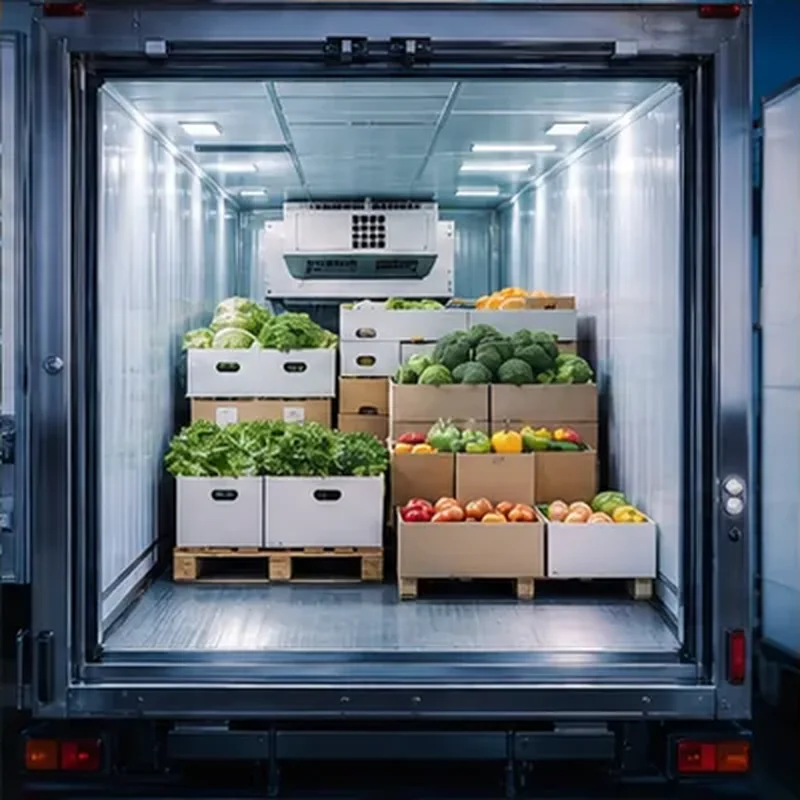
Seasons shape the rest. Harvest pulls equipment regionally on the crop calendar, food processing freight rides Temperature-Controlled equipment with setpoints confirmed at dispatch, and winter weather across the central corridors demands seasonal transit buffers in standing programs. Time-critical freight keeps an Expedited recovery priced in advance, because a crossing this busy is only an advantage when the plan can absorb a bad day.

Reviews

What It’s Like to Build With Flex

Leave a Review
Pricing

Ready to Get Started?

Tell us the lane, commodity, weights and dimensions, and any equipment or temperature requirements. From one intermodal move to an industrial program, we will quote the options side by side.

St. Louis shipment details

Get a St. Louis Freight Quote

Submission received

Your quote request is in.

Thank you. A Freight Flex team member will review your shipment details and follow up shortly.

Build With Flex.