What moves through Kansas
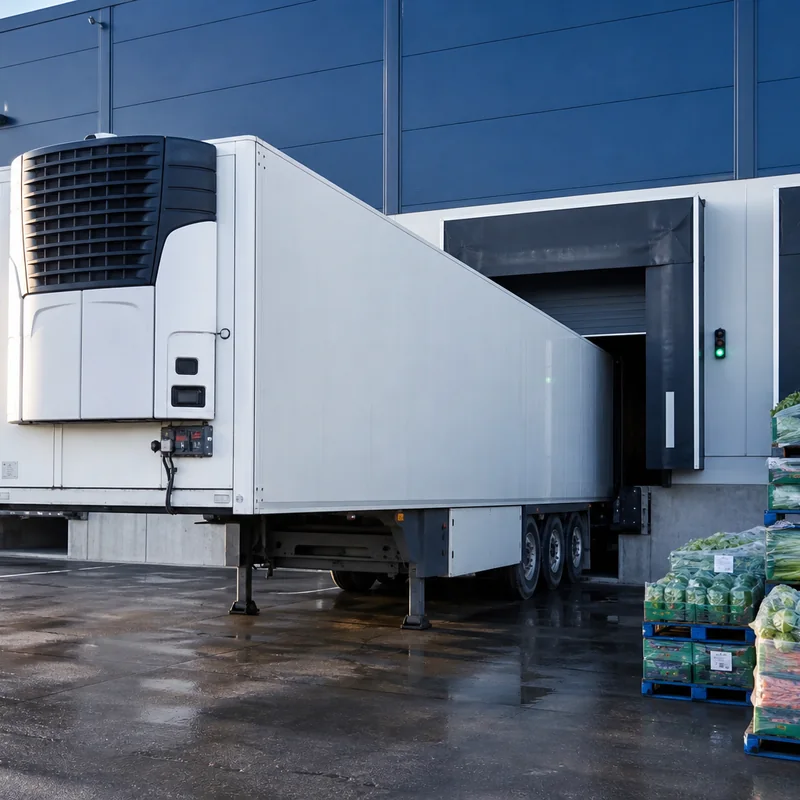
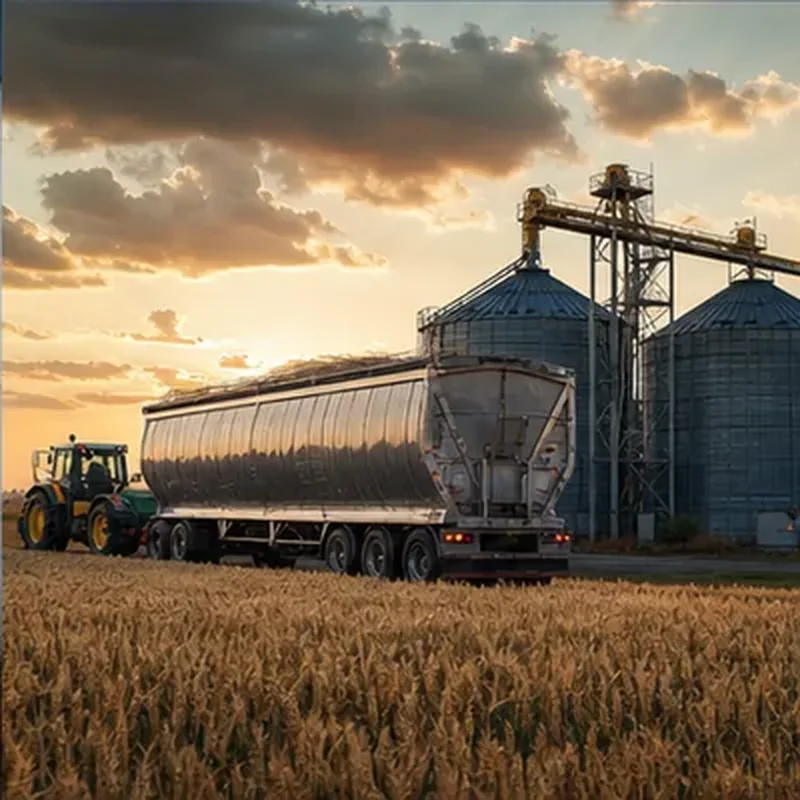
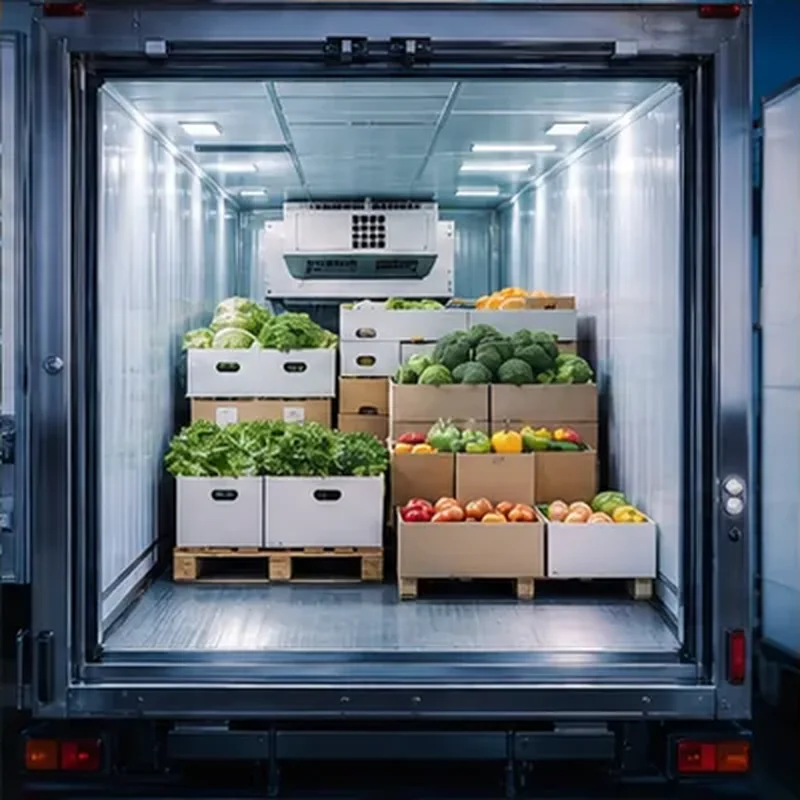
Agriculture drives the volume, with wheat, corn and soybeans moving through elevators, rail and truck networks, and the state's beef processing industry shipping enormous refrigerated volume to distribution networks nationwide. That protein economy makes reefer capacity a constant concern rather than a seasonal one.
Aviation manufacturing around Wichita adds high-value precision freight, including components and assemblies with handling requirements that match their value. Manufacturing, food processing and building materials fill out the profile, and the eastern side of the state connects into the Kansas City freight complex.
The corridors that carry it
I-70 runs east-west across the state from Kansas City toward Denver, I-35 carries the north-south corridor from Oklahoma toward Iowa, and I-135 and US highways serve the interior. Distances are the defining feature, since western Kansas sits hours from any major market, which makes deadhead and backhaul math central to every rate.
Freight Flex in Kansas
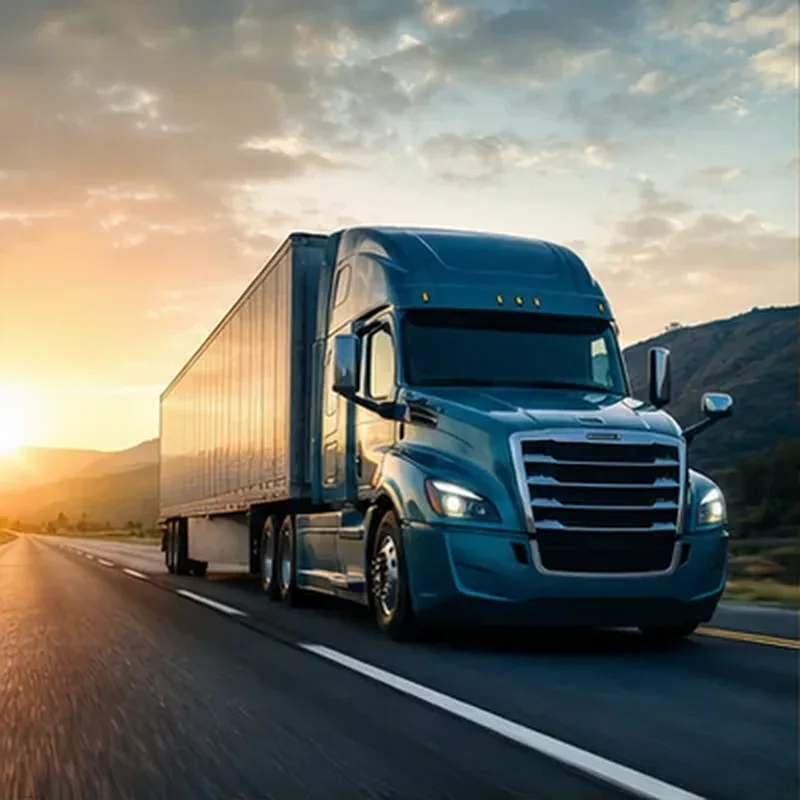
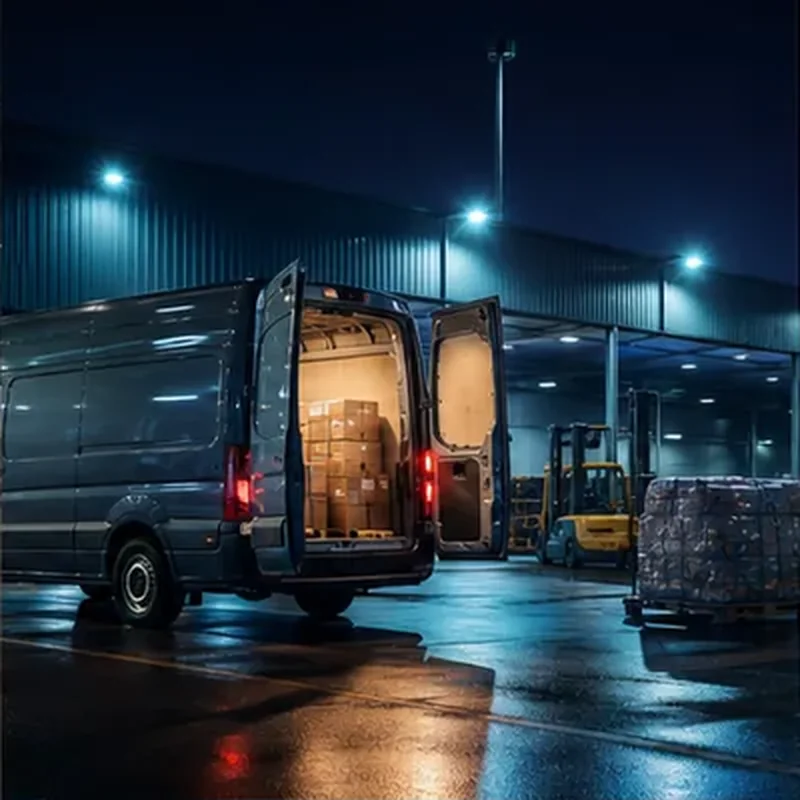
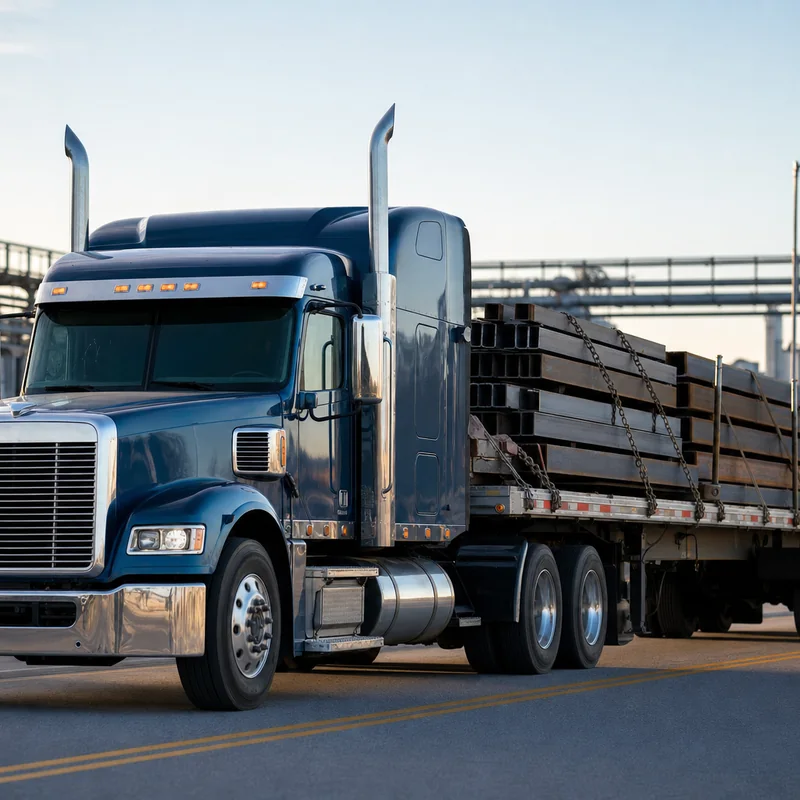
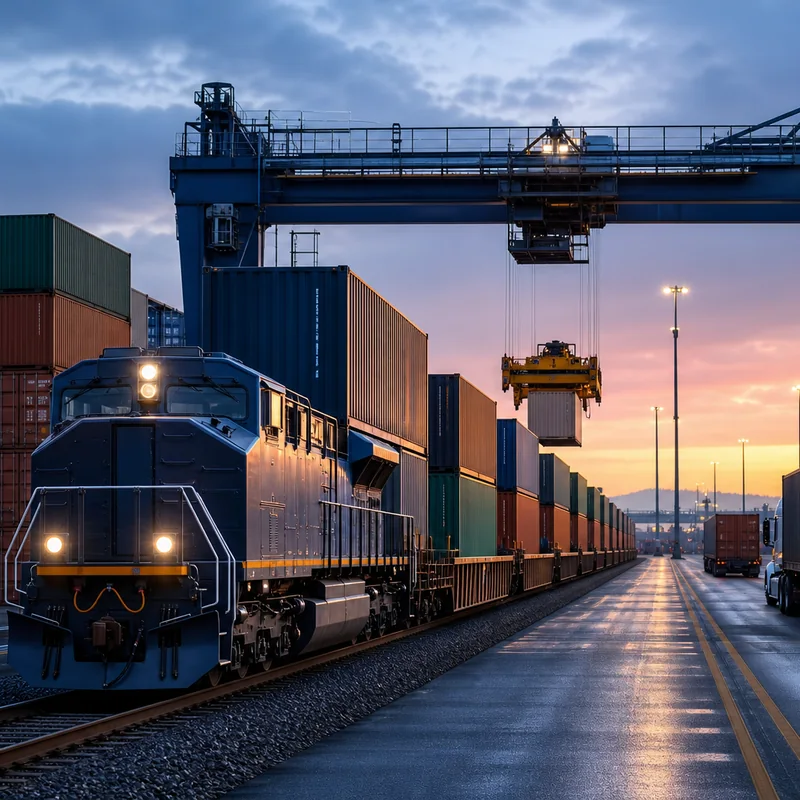
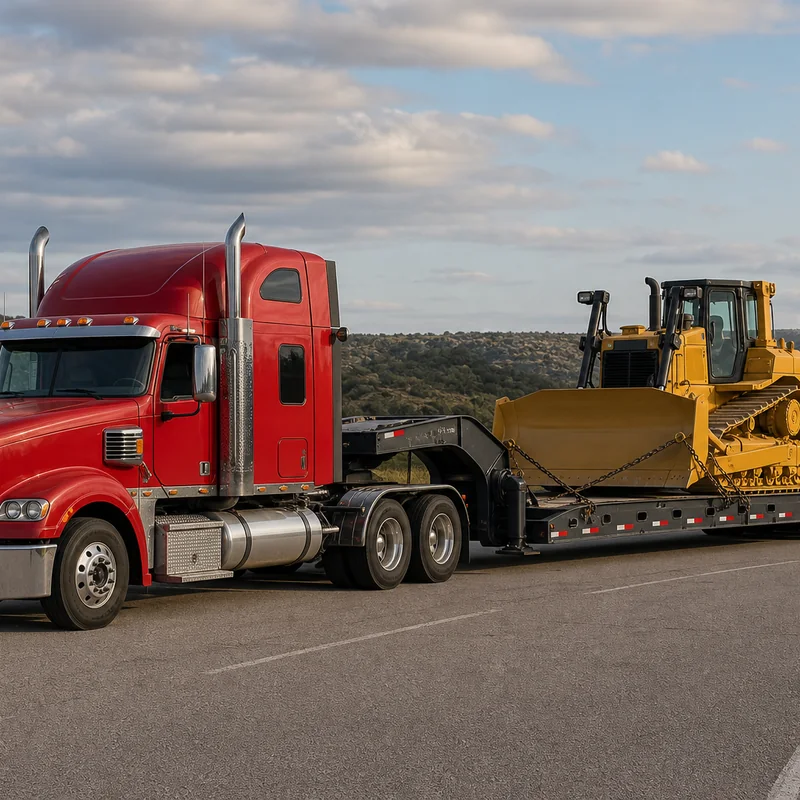
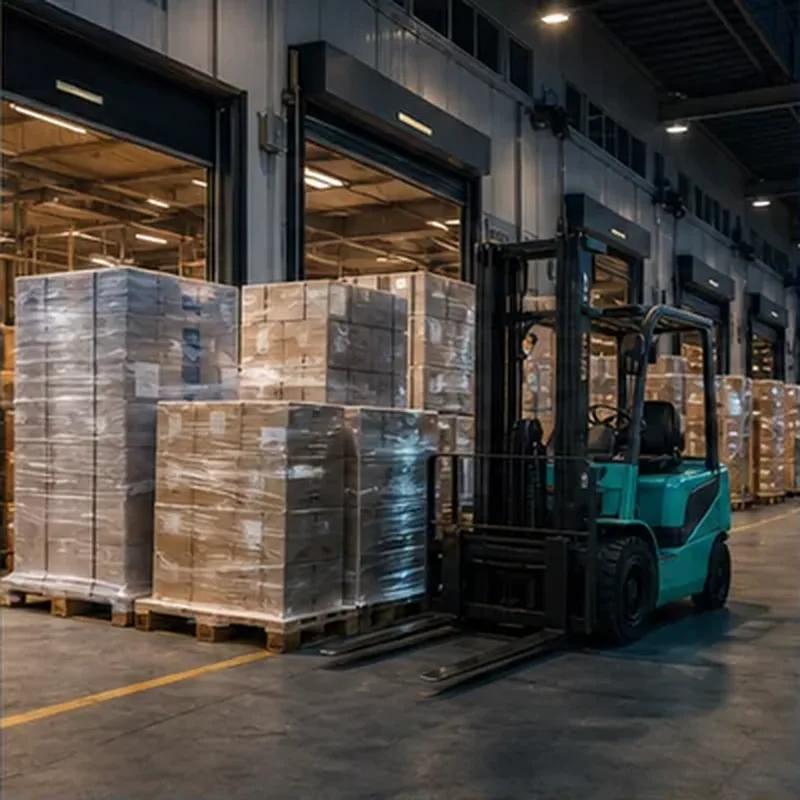
Freight Flex coordinates Temperature-Controlled capacity for beef and food processing, Full Truckload (FTL) and Less Than Truckload (LTL) coverage statewide, Flatbed and Heavy Haul capacity for agricultural equipment and manufacturing freight, Expedited equipment for aviation and production urgency and Intermodal options on long eastbound lanes. Carrier compliance tools and an agent success team available 24/7 support the move.