What moves through New York and New Jersey
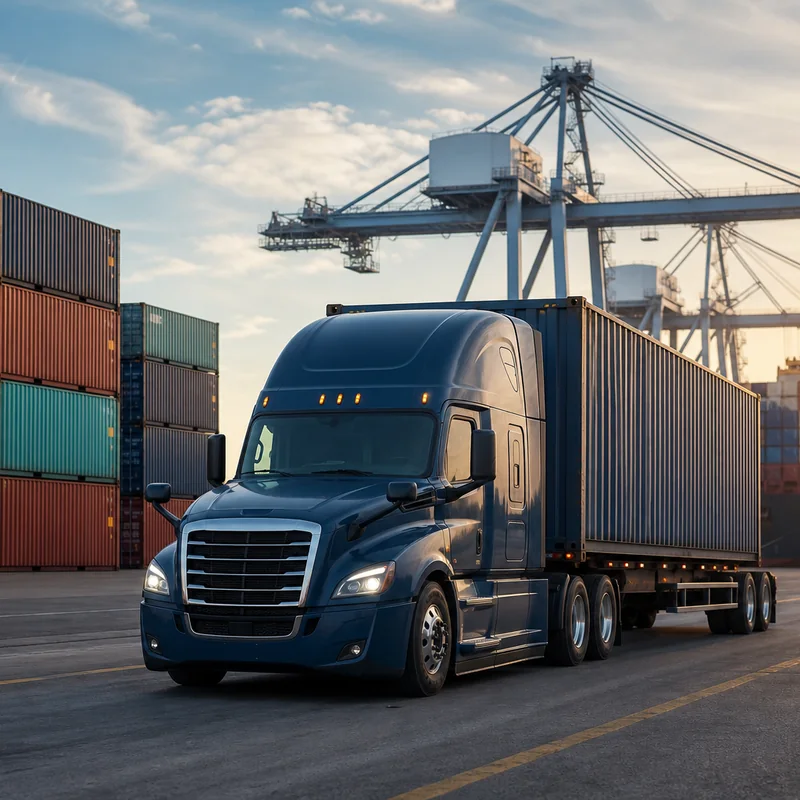
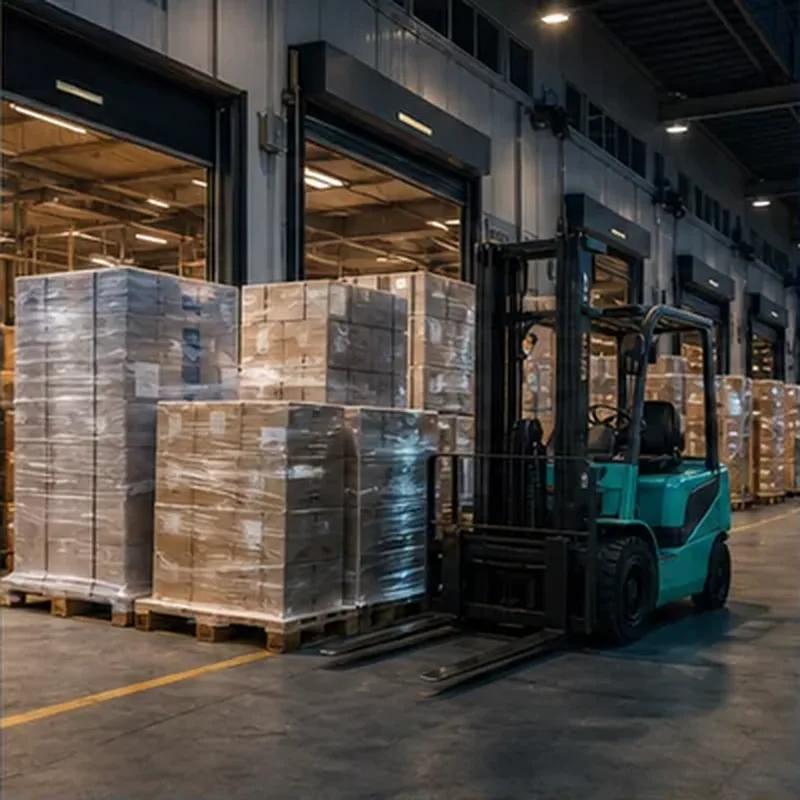
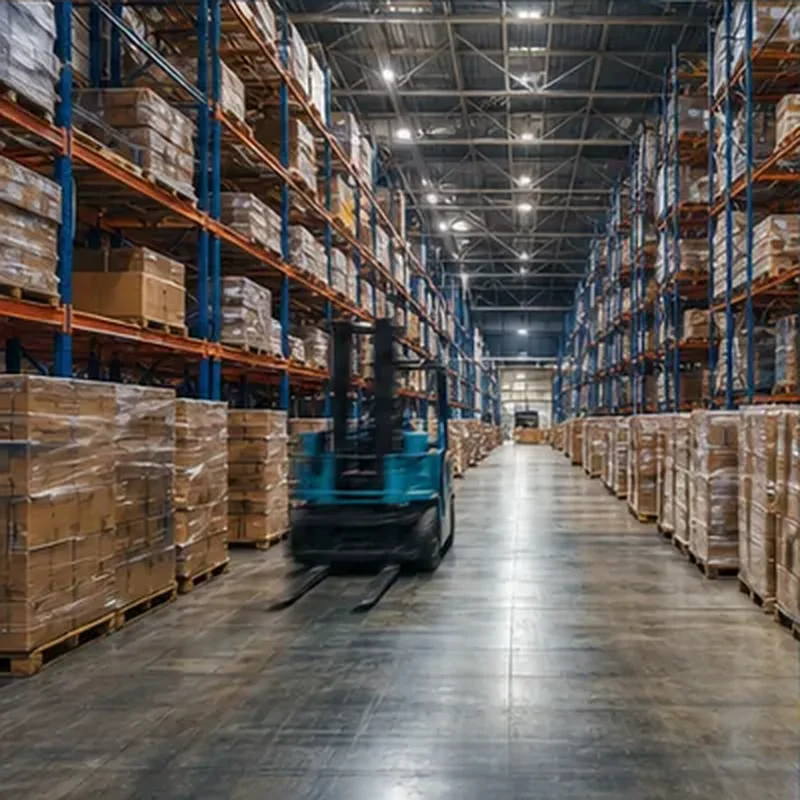
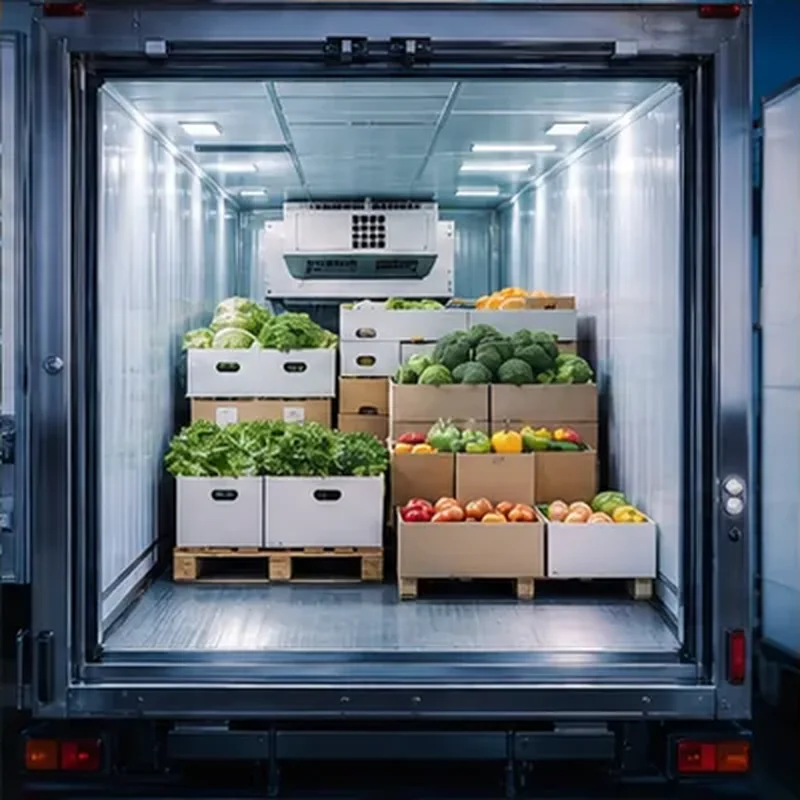
The port's terminals land the East Coast's biggest container volumes, feeding a warehouse economy stacked along the New Jersey Turnpike's exits, meaning retail and ecommerce inventory, consumer goods, apparel, food and beverage imports and the endless flow a twenty-million-person market consumes. Around the import engine runs the metro's own economy, with food distribution at massive scale, pharmaceutical and healthcare corridors across New Jersey, manufacturing legacies and a final-mile environment unlike anywhere else in the country.
The market's character is density in every direction, meaning dense freight volumes, dense receiving schedules and delivery geography that includes bridges with commercial restrictions, boroughs with their own rules and docks measured in minutes of available curb.
The corridors that carry it
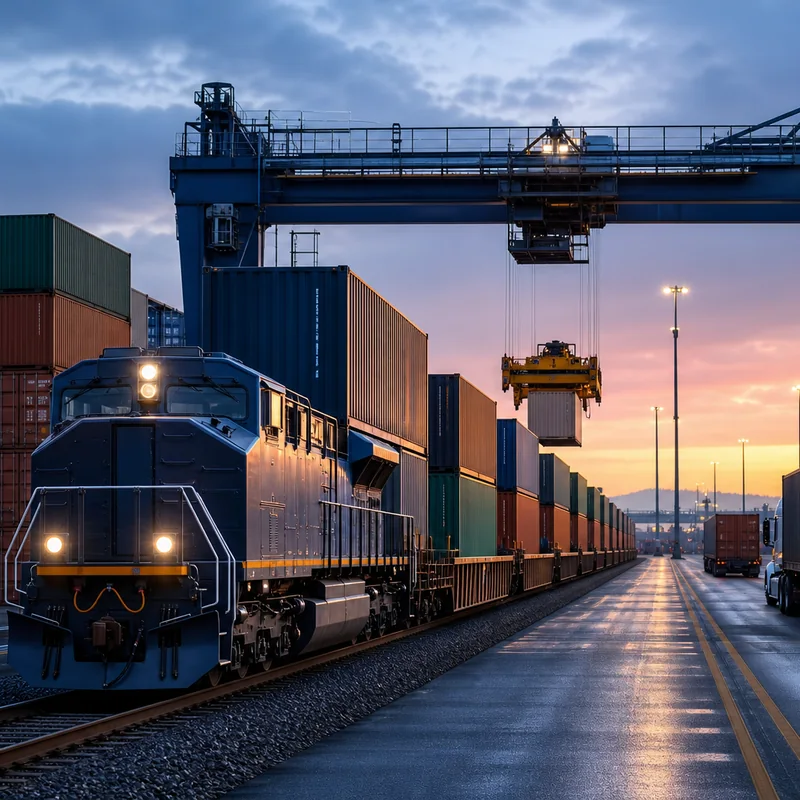
The Turnpike and I-95 carry the market's spine, I-78 and I-80 run freight west toward Pennsylvania's distribution corridor, and the ExpressRail terminals connect the port straight into the intermodal network. The Lehigh Valley and central Jersey warehouse belts function as the metro's inventory staging ground, close enough to serve the population, far enough to afford the square footage, and the shuttle economy between them and the city never stops.
Freight Flex in New York-New Jersey
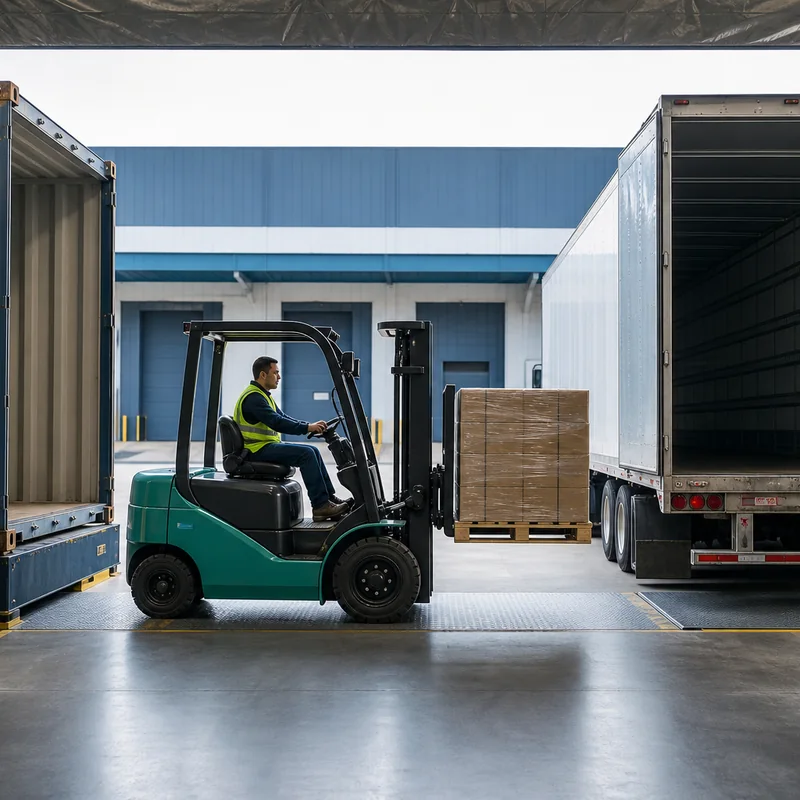
Freight Flex coordinates Drayage at the port terminals with interchange at every steamship line, Transloading converting import boxes to regional distribution, Less Than Truckload (LTL) and Full Truckload (FTL) coverage across the metro's receiving networks, Intermodal through the rail terminals and Expedited equipment for the schedules the metro compresses. Carrier compliance tools and an agent success team available 24/7 support the move.