What moves through New Jersey
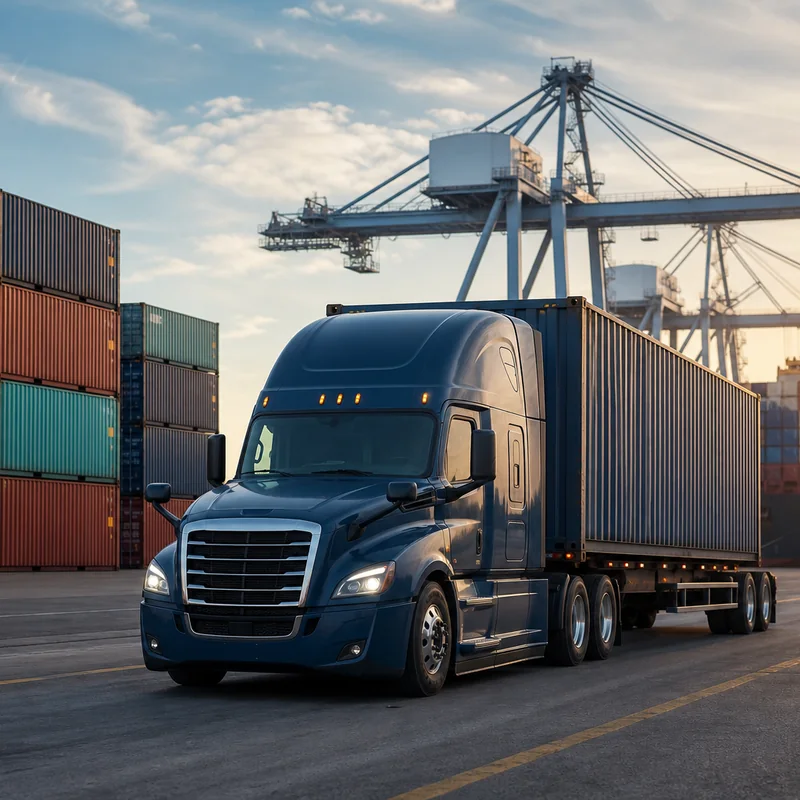
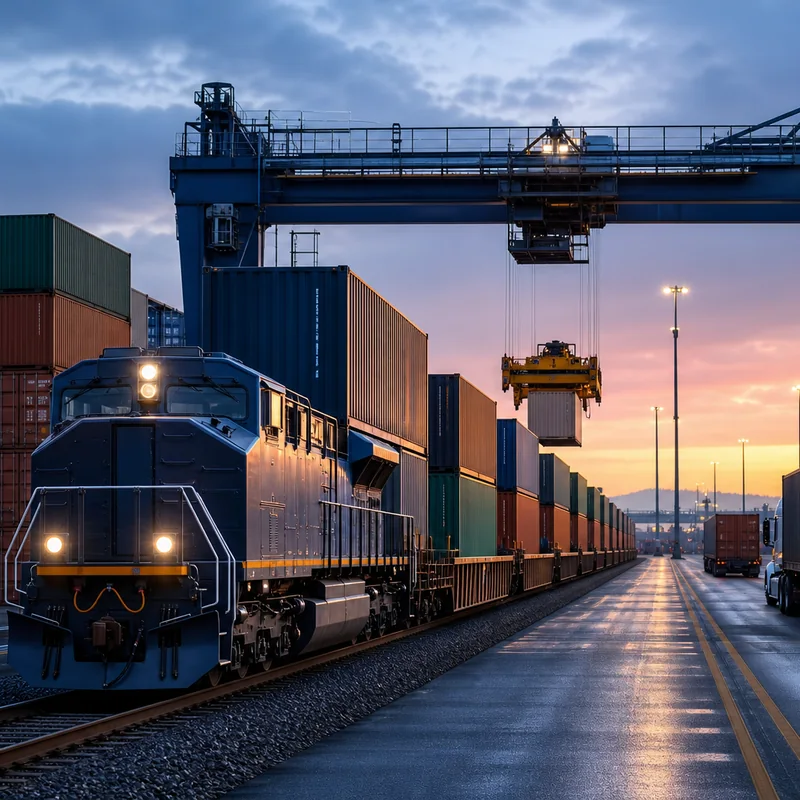
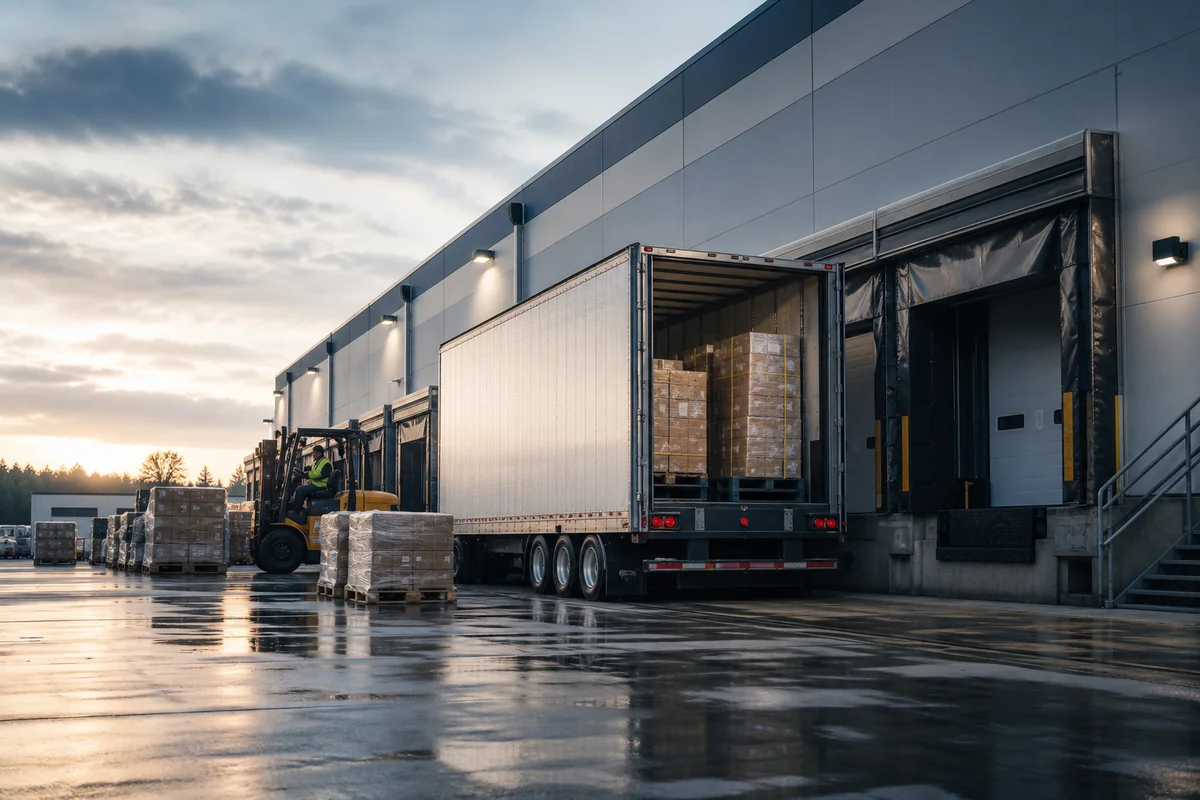
The port terminals land the East Coast's largest container volumes, feeding a warehouse economy stacked along the Turnpike that supplies twenty million consumers within a short drive. Retail, ecommerce and consumer goods dominate that flow, with food and beverage distribution running just as hard for a market that eats constantly.
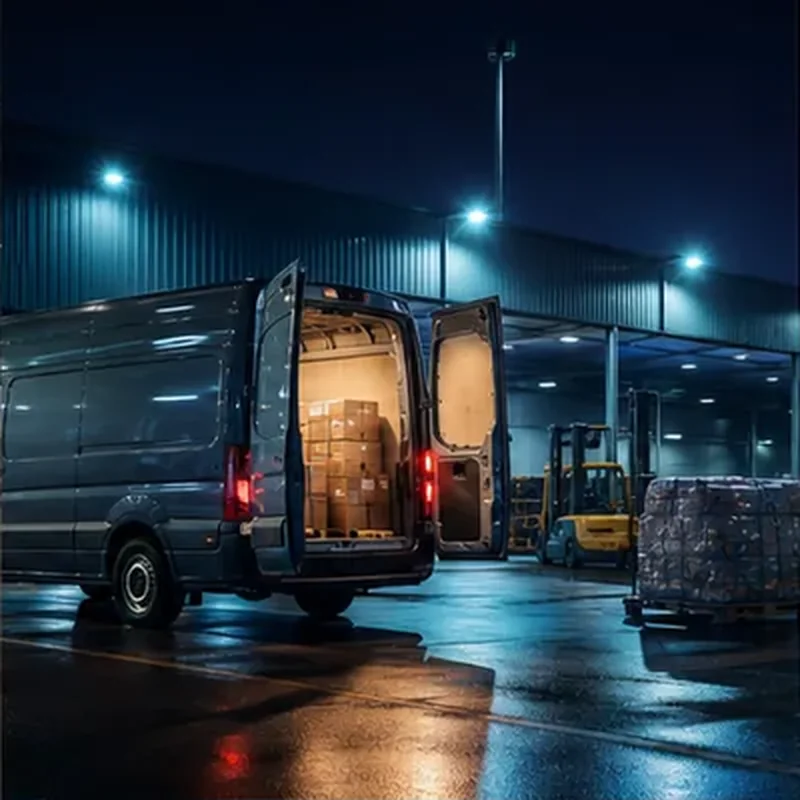
New Jersey's pharmaceutical and life sciences corridor is the other defining layer, meaning high-value, temperature-sensitive and specification-driven freight with compliance requirements that shape how it must be handled. Chemicals, manufacturing and a substantial healthcare distribution sector round out one of the most freight-dense states in the country.
The corridors that carry it
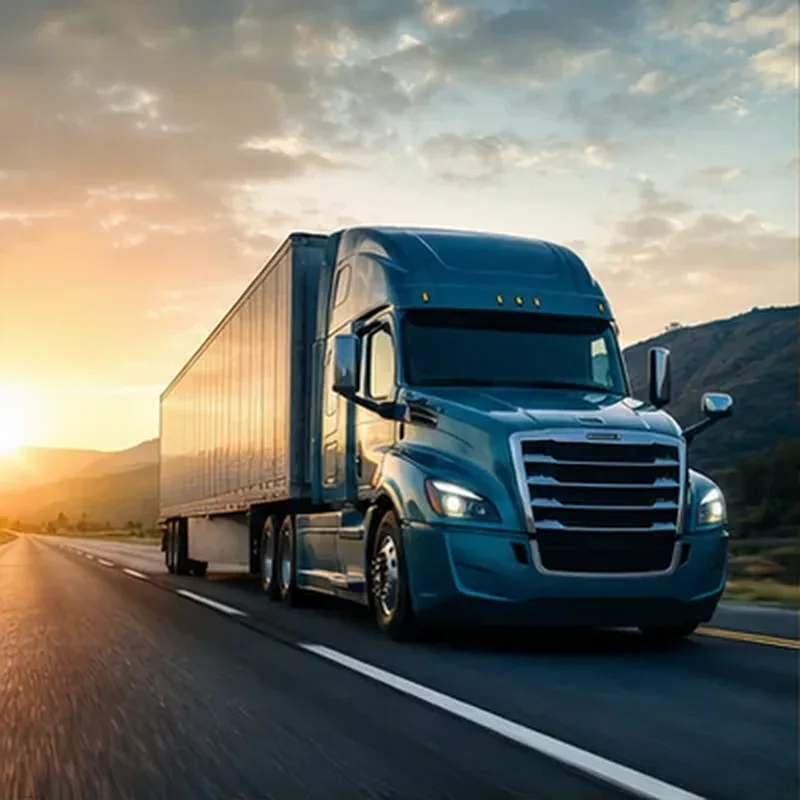
The New Jersey Turnpike and I-95 run the state's spine, I-78 and I-80 carry freight west toward Pennsylvania's distribution corridors, and I-287 and the Garden State Parkway fill in the rest. The distances are short and the volumes are enormous, which makes congestion, appointment discipline and delivery constraints the market's defining operational challenges.
Freight Flex in New Jersey
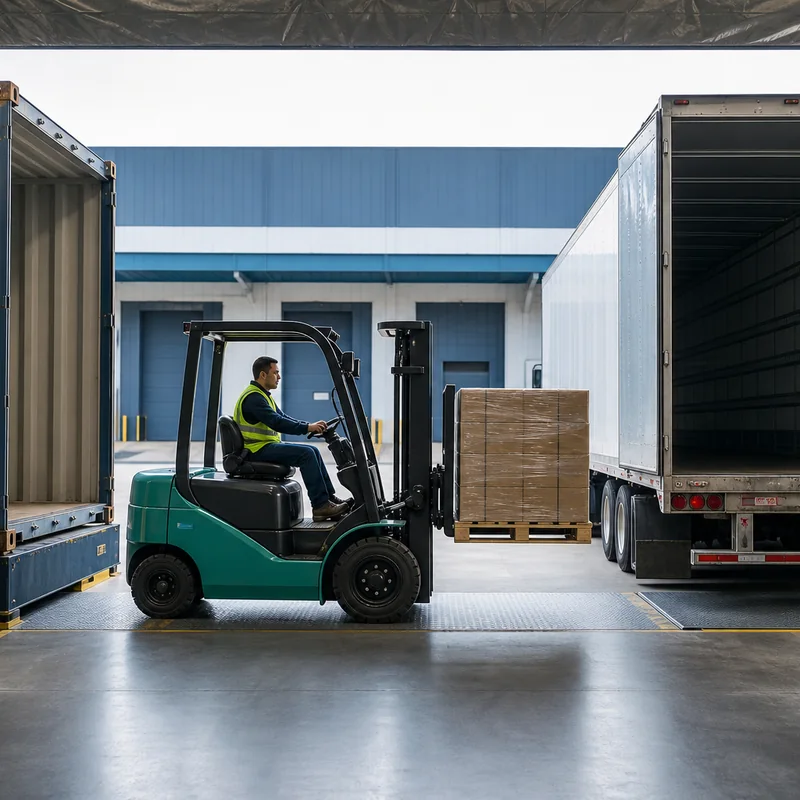
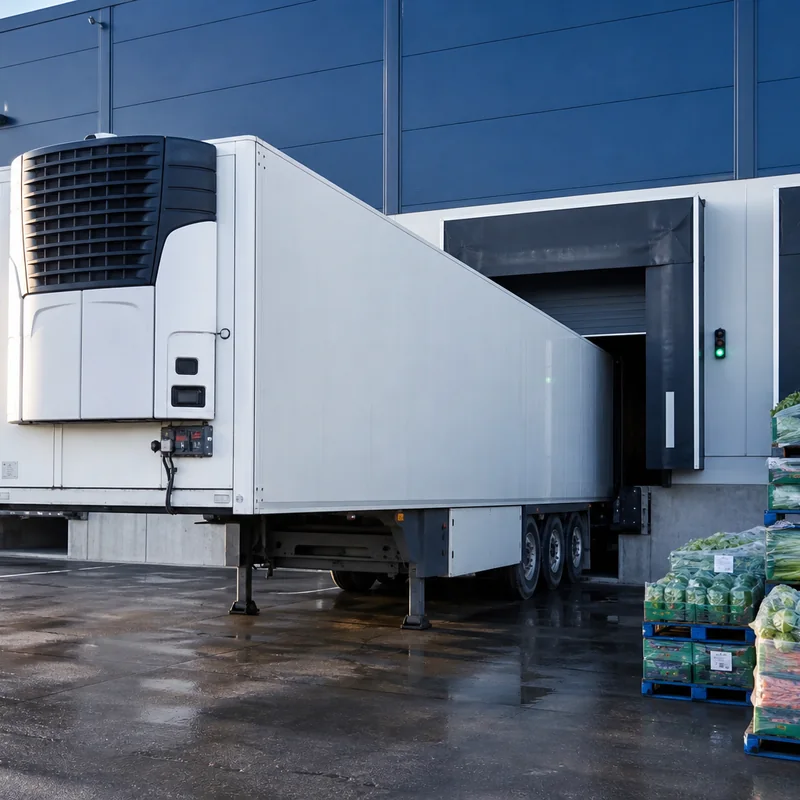
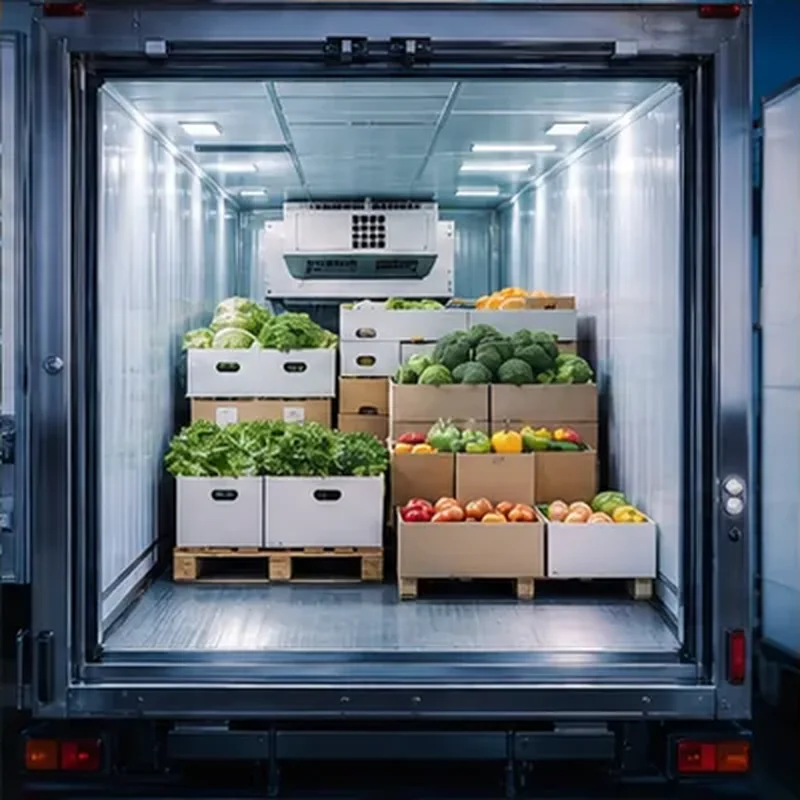
Freight Flex coordinates Drayage at the port terminals with interchange at every steamship line, Transloading converting boxes to regional distribution, Less Than Truckload (LTL) and Full Truckload (FTL) coverage across the metro's dense receiving networks, Temperature-Controlled capacity for pharmaceutical and food freight and Expedited equipment for the schedules this market compresses. Carrier compliance tools and an agent success team available 24/7 support the move.