Philadelphia

Philadelphia Freight

The Delaware River ports handle more perishable cargo than almost anywhere in America, and the metro behind them consumes and distributes at Northeast scale. Freight Flex coordinates Philadelphia freight across the gateway and the market, with cold chain discipline and vetted carriers.

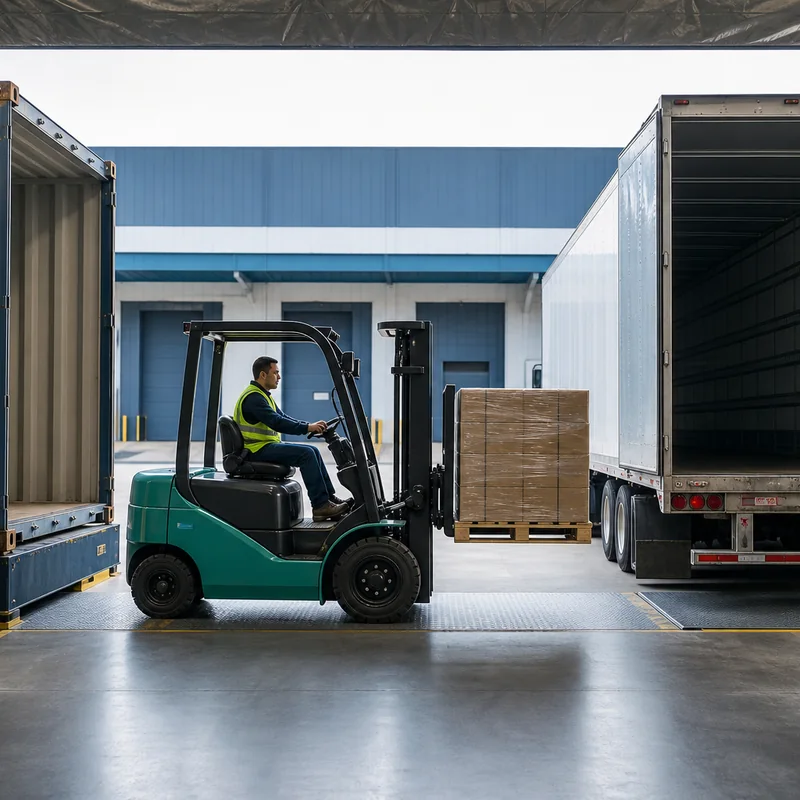
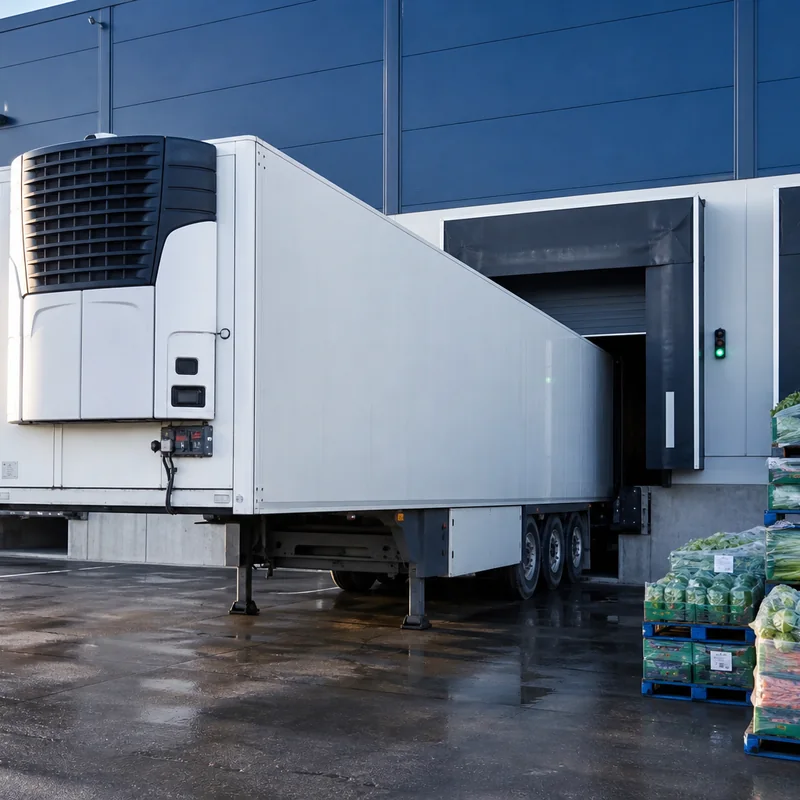
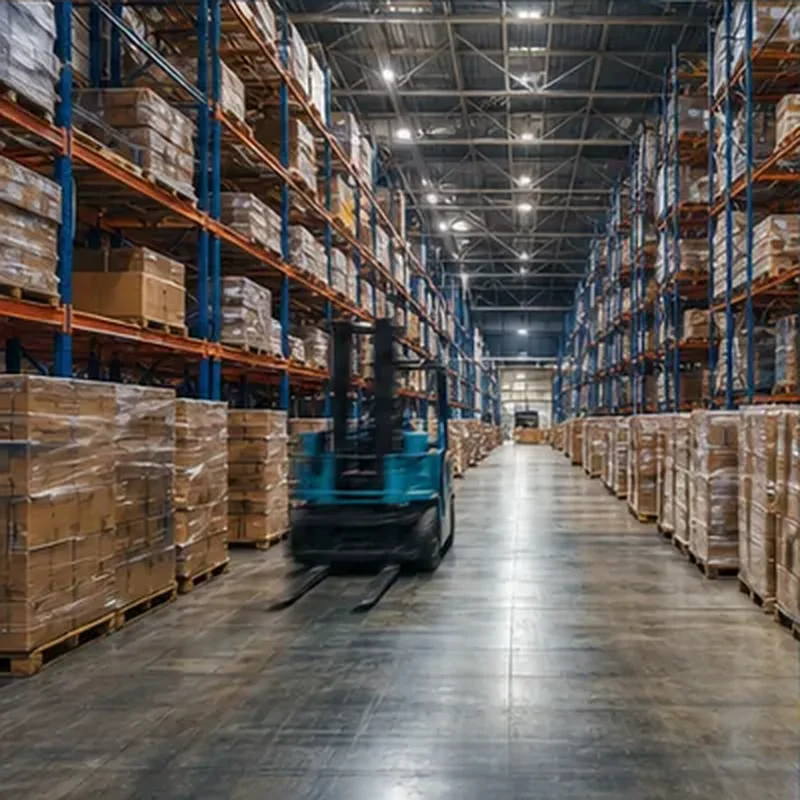
Container and refrigerated cargo operations at the Philadelphia Delaware River terminals
The Philadelphia Market

Freight coordination at the Delaware River gateway. Perishables, pharma and the Northeast.

Philadelphia's ports are a national center for refrigerated import cargo, its pharmaceutical corridor runs into New Jersey and Delaware, and its metro serves six million people. Freight Flex coordinates Philadelphia freight across all three with the disciplines each demands.

What moves through Philadelphia

Philadelphia's gateway identity is perishables. The Delaware River terminals handle enormous volumes of refrigerated import cargo, meaning fruit, produce and other temperature-controlled commodities arriving on cold chains that started thousands of miles away, alongside containerized general cargo, forest products and vehicles. That reefer specialization shapes the market's equipment mix and its operational culture.

The metro's other freight anchors are just as distinctive, with a pharmaceutical and life sciences corridor running through the region, healthcare distribution at serious scale, food and beverage networks feeding a dense population, and a manufacturing base spread across the metro and southern New Jersey.

The corridors that carry it

I-95 runs the coastal spine through the metro toward New York in one direction and Baltimore and Washington in the other, I-76 and the Turnpike connect west toward Harrisburg and the distribution corridor, and I-476 handles the regional ring. Philadelphia sits close enough to the NY-NJ market to share lanes with it and far enough south to serve the mid-Atlantic independently, which gives shippers real routing options.

Freight Flex in Philadelphia

Freight Flex coordinates Drayage at the Delaware River terminals with interchange at every steamship line, Temperature-Controlled capacity carrying the perishables economy with setpoints confirmed on every dispatch, Transloading converting boxes to regional distribution, Less Than Truckload (LTL) and Full Truckload (FTL) coverage across the metro and Expedited equipment for pharmaceutical and healthcare urgency. Carrier compliance tools and an agent success team available 24/7 support the move.


A Reefer Gateway

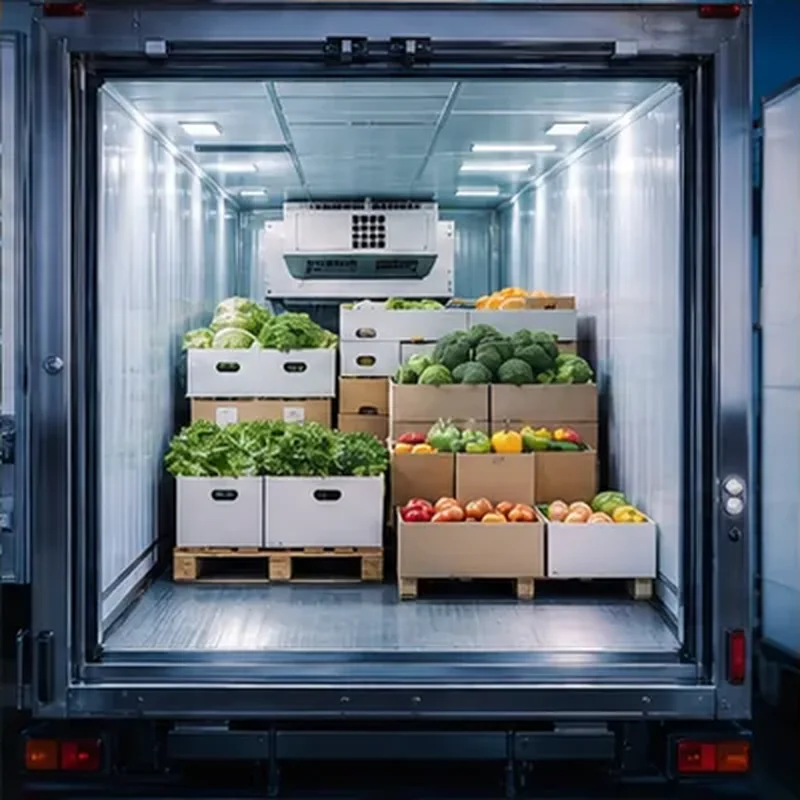
Perishable imports move with the cold chain carried through drayage and delivery, with setpoints confirmed on every dispatch instead of assumed at the terminal.

Pharma-Grade Discipline

Healthcare and pharmaceutical freight gets specifications treated as requirements, with carriers vetted, fraud screened and the VIN verified on every shipment.

Compliance on Every Lane

Carrier compliance tools and an agent success team available 24/7 help keep freight covered. High-value regional freight rides with the standards it deserves.

The Freight Flex promise

Your cold chain survives the gateway. Build With Flex.

For every shipper moving Philadelphia freight, Freight Flex commits to carrying temperature requirements through every handoff from terminal to final delivery, planning port moves before the vessel berths and covering the metro's dense lanes with vetted capacity. Pharmaceutical and healthcare shipments get literal spec compliance, and the market's defining specialty, meaning freight that spoils if anyone improvises, gets a partner who never does.

0+
Shipments Coordinated
#0
Inc. 5000 Fastest-Growing Private Companies
0
States of Nationwide Coverage
0+
Freight Flex Offices
Operating standards

Philadelphia freight standards. Vetted. Verified. Cold.

Freight Flex combines carrier compliance tools with an agent success team available 24/7 to help reduce cargo theft, fraud and claims and support shipment visibility. On perishable and pharmaceutical freight, that discipline is product integrity.

  • Only work with Highway verified Motor Carriers.
  • 1+ year active authority required.
  • Double-brokering and identity fraud screened, then monitored in transit.
  • $1M Auto Liability + $100K Cargo Insurance required.
  • VIN verified on every shipment through Highway Load Lock.
  • Live ELD tracking required whenever applicable.
Freight services

The services Philadelphia freight uses most. Cold chain and gateway.

Philadelphia freight runs on gateway and cold chain services together. Drayage works the terminals, temperature-controlled capacity carries the perishables, transloading converts the boxes, LTL and truckload move the metro's distribution volume and expedited answers pharmaceutical and healthcare urgency.

See All Services
Industries

The industries that run on Philadelphia freight. The regional economy.

Philadelphia freight serves the market's defining sectors, meaning food and beverage moving through a major perishables gateway, healthcare and pharmaceutical distribution across the corridor, retail and ecommerce networks serving the metro, consumer brands landing imports and manufacturing across the region.

See All Industries
Planning Philadelphia Freight

How shippers plan Philadelphia freight. Cold chains and corridors.

Philadelphia planning turns on two disciplines, meaning protecting refrigerated imports through every handoff and using the metro's position between New York and Baltimore deliberately.

Perishable imports and the terminal-to-door cold chain.

Refrigerated cargo landing at the Delaware River terminals has already spent weeks on a cold chain, and the domestic legs are where that investment gets protected or wasted. Drayage arranged before the vessel berths gets the equipment, the appointment and the temperature requirement set together, and Temperature-Controlled delivery carries an exact setpoint and run mode to the receiver's door. Produce receivers check temperatures on arrival, so the spec that protects the product also protects the sale.

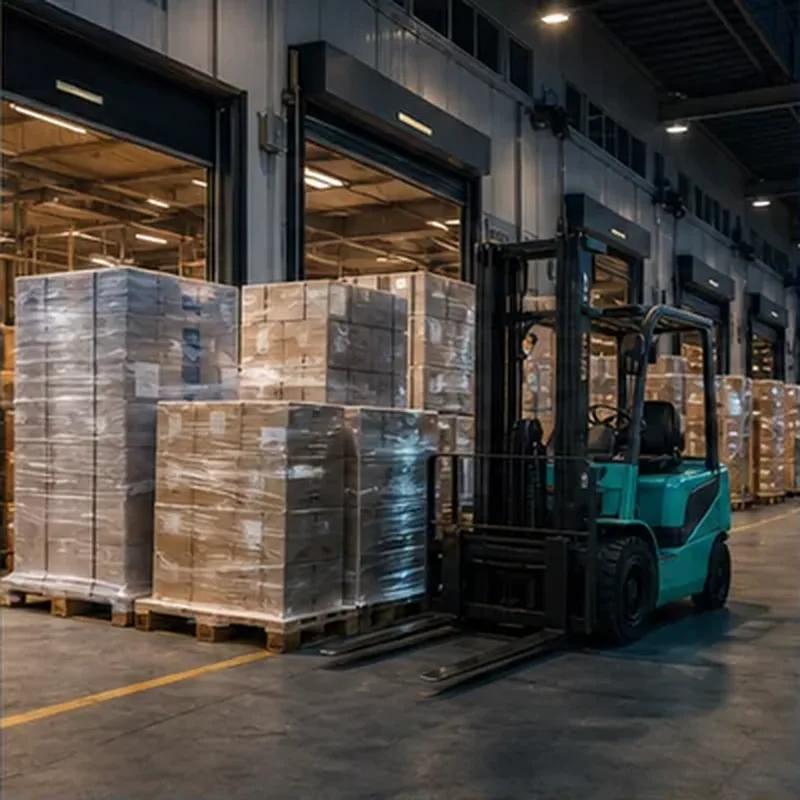
For cargo distributing to multiple destinations, Transloading near the port converts boxes into palletized reefer freight while returning containers inside free time, which on perishable programs solves the per diem problem and the shelf-life problem at once.

Pharma corridors and mid-Atlantic positioning.

The region's pharmaceutical and healthcare freight runs on precision, meaning temperature specifications, handling requirements and documentation that belong on the dispatch rather than in a quality agreement nobody forwarded. Freight Flex treats those as requirements, matches loads with vetted carriers and keeps Expedited options priced for the shipments where hours matter clinically.

The metro's position is the other planning lever. Philadelphia sits close enough to share lanes with the NY-NJ market and the Harrisburg corridor while serving the mid-Atlantic on its own, so Full Truckload (FTL) and Less Than Truckload (LTL) programs can be built around whichever gateway and staging point actually prices best. Comparing rather than defaulting is worth real money across a year in a region with this many options.

Reviews

What It’s Like to Build With Flex

Leave a Review
Pricing

Ready to Get Started?

Tell us the lane or container details, commodity, temperature requirements, weights and dimensions, and any receiving constraints. From one reefer import to a mid-Atlantic program, we will quote it with the cold chain built in.

Philadelphia shipment details

Get a Philadelphia Freight Quote

Submission received

Your quote request is in.

Thank you. A Freight Flex team member will review your shipment details and follow up shortly.

Build With Flex.