What moves through New York City
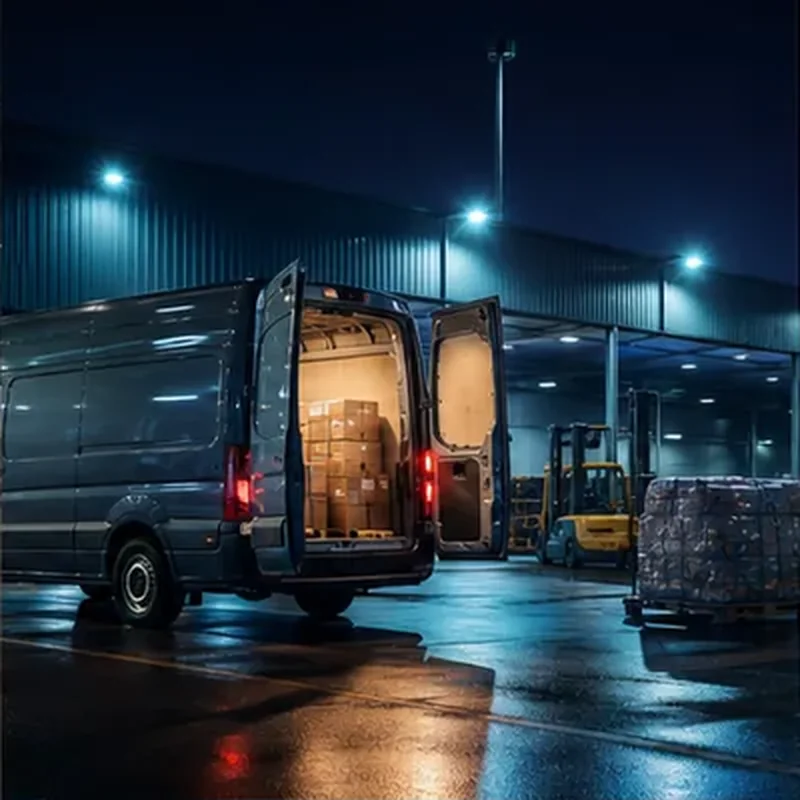
The city consumes at extraordinary density, meaning retail and ecommerce inventory, food and beverage supplying tens of thousands of restaurants and grocers, pharmaceutical and healthcare product for a dense hospital network, and consumer goods flowing constantly through the boroughs.
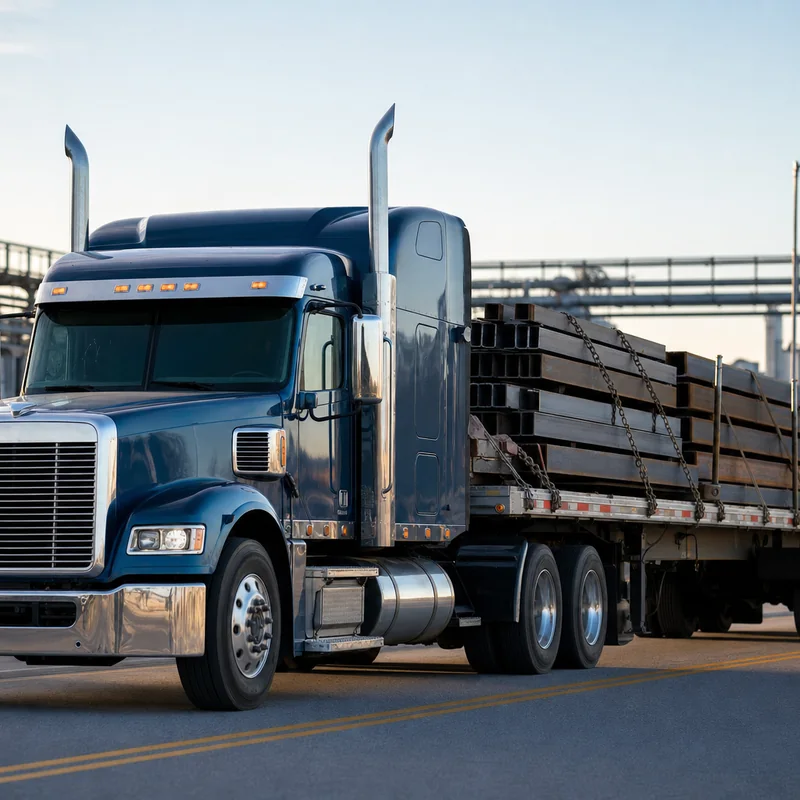
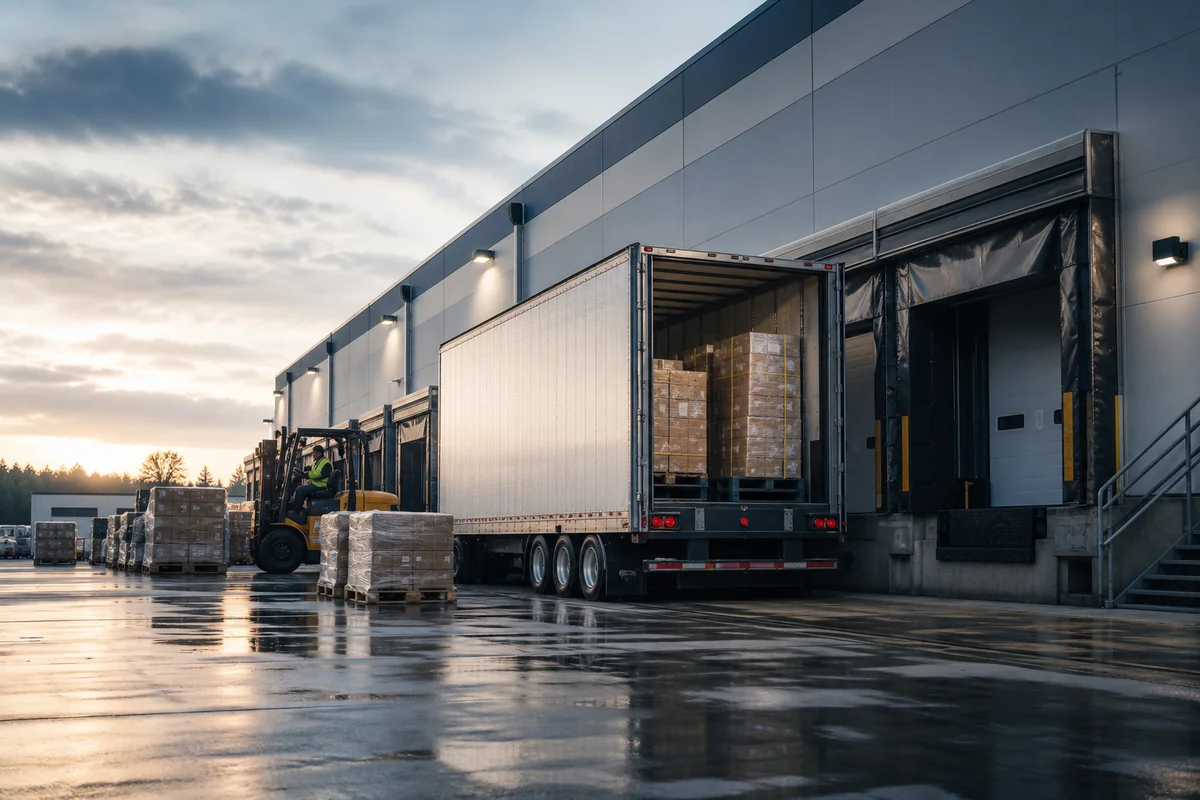
Construction materials feed continuous development, hospitality and event freight moves through venues and hotels, and the fashion, media and design industries generate their own specialized shipments. Almost all of it arrives from outside the city, staged in warehouses in New Jersey, the Bronx and the outer boroughs before final delivery.
What makes delivery difficult
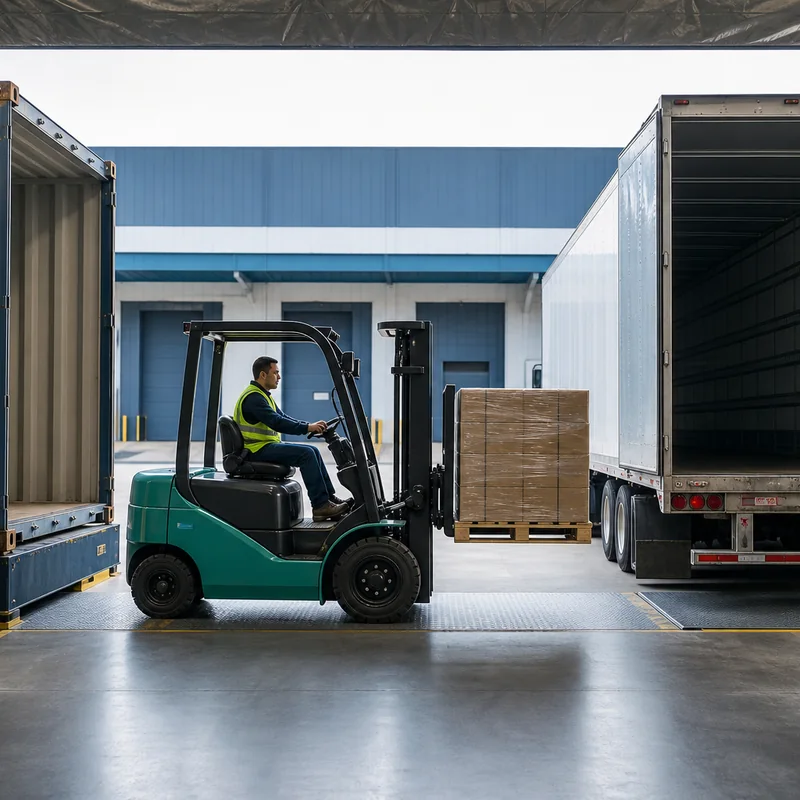
Commercial vehicle restrictions govern which trucks can use which roads, parkways bar commercial traffic entirely, bridge and tunnel limits shape routing, and many receiving locations offer no dock at all. Delivery windows in Manhattan can be measured in minutes, curb access is contested and redelivery slots are scarce.
That combination means an unprepared carrier is a failed delivery, and the information that prevents it, meaning the route, the window, the door and the contact, has to be gathered before dispatch rather than discovered on arrival.
Freight Flex in New York City
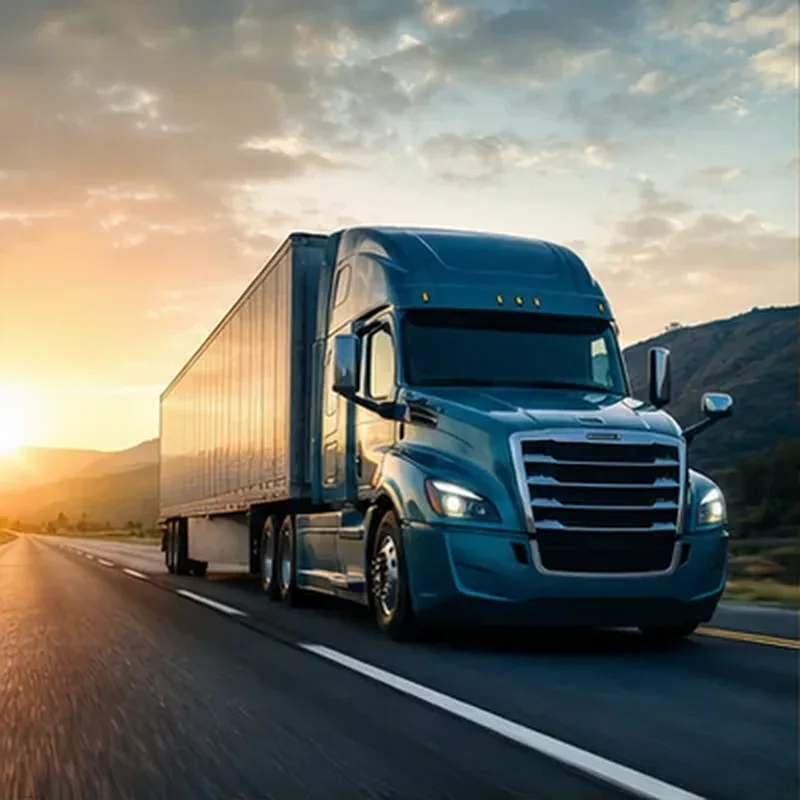
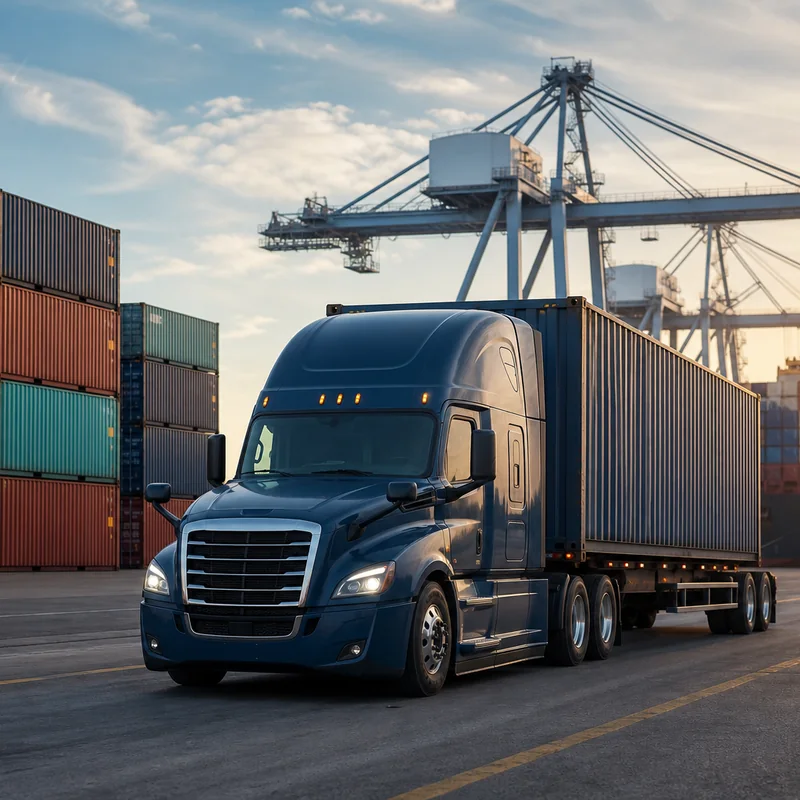
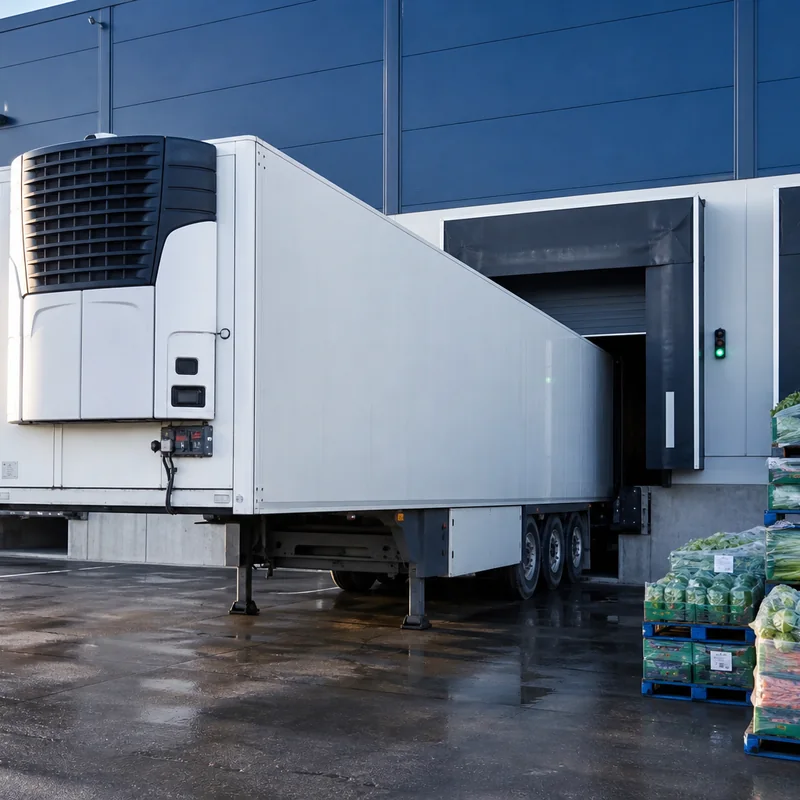
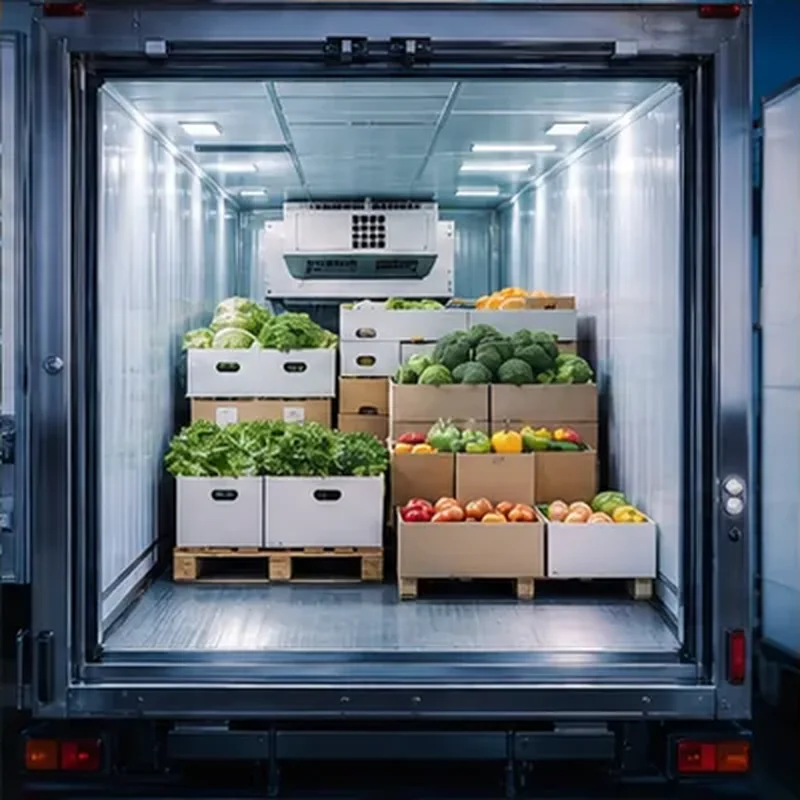
Freight Flex coordinates Less Than Truckload (LTL) and Full Truckload (FTL) freight into the boroughs with constraints confirmed at booking, Temperature-Controlled capacity for food and pharmaceutical freight, Drayage and Transloading from the NY-NJ gateway and Expedited equipment for the schedules this city compresses. Carrier compliance tools and an agent success team available 24/7 support the move.