What moves through Sioux Falls
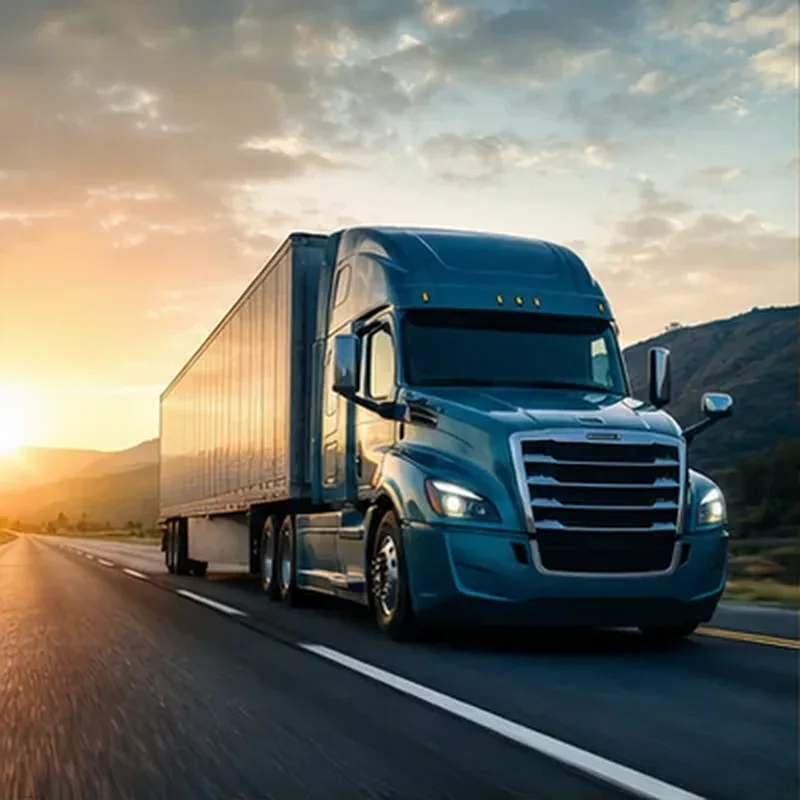
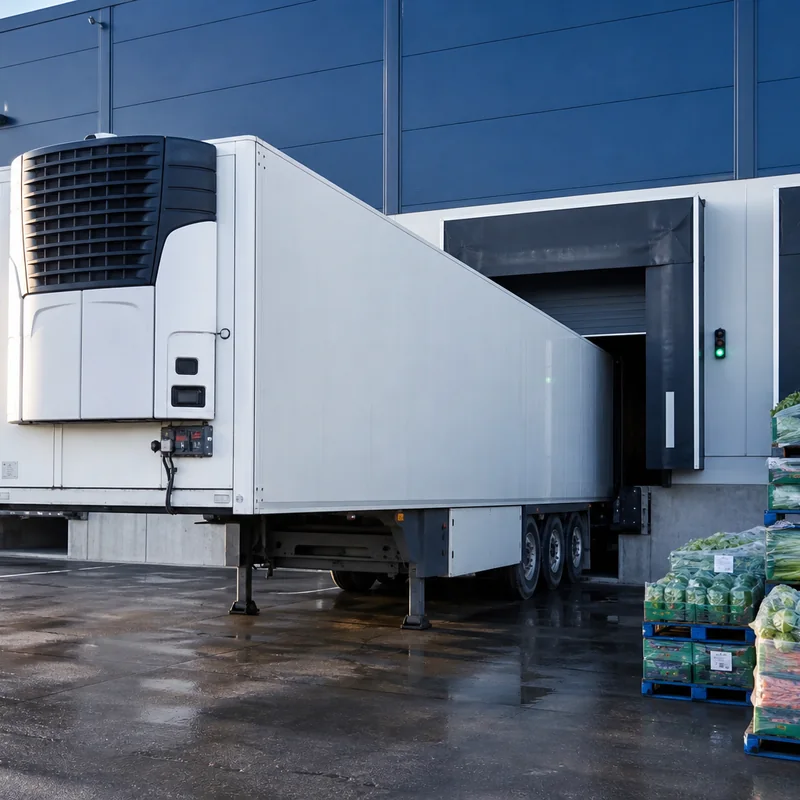
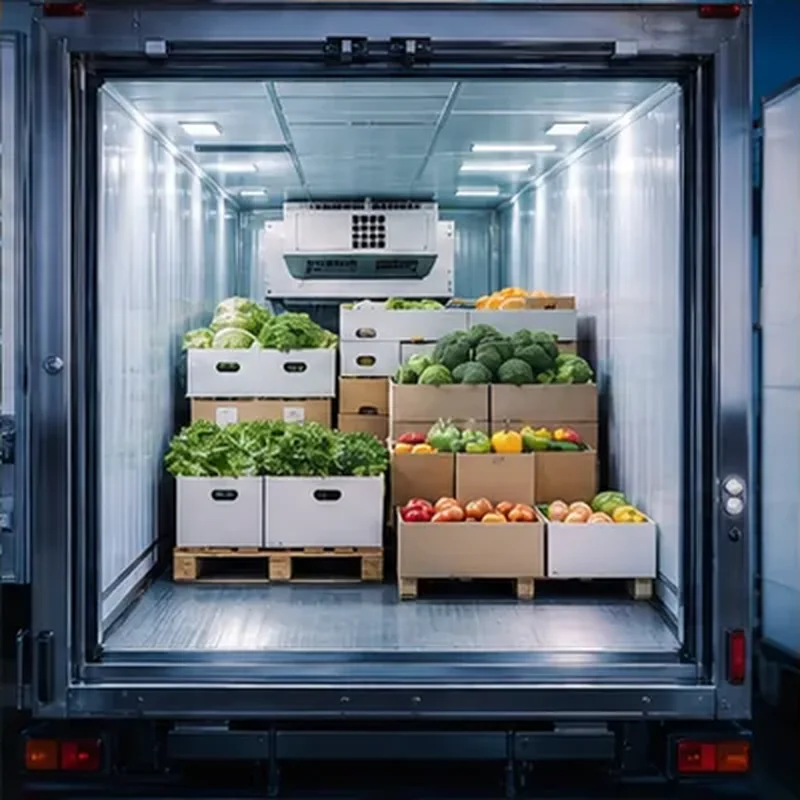
Protein processing leads the refrigerated freight, with beef and pork operations shipping to distribution networks nationwide on schedules that run continuously rather than seasonally. That steady demand makes reliable weekly reefer capacity the market's defining requirement.
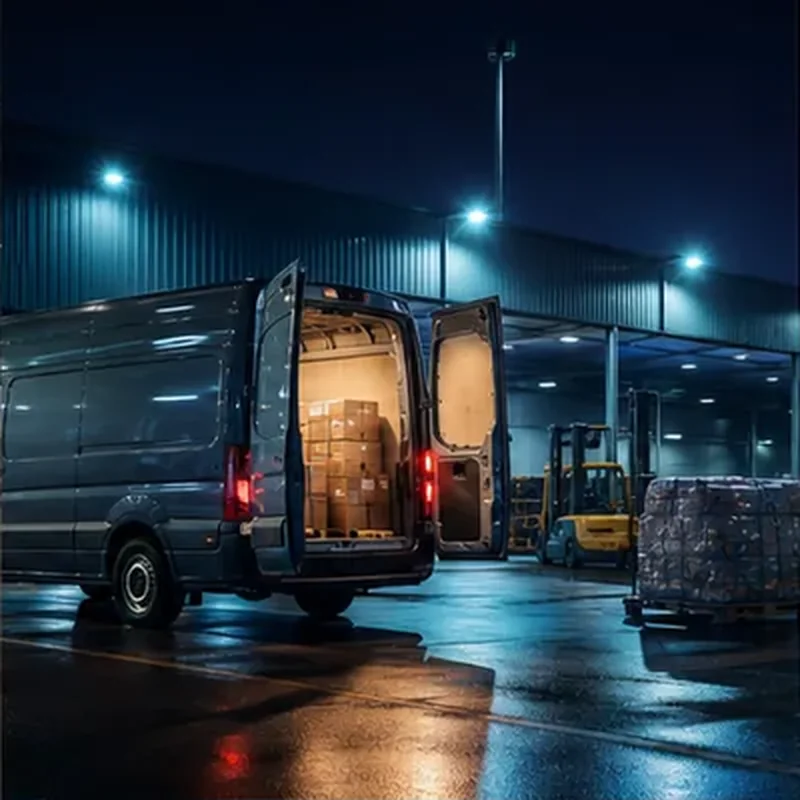
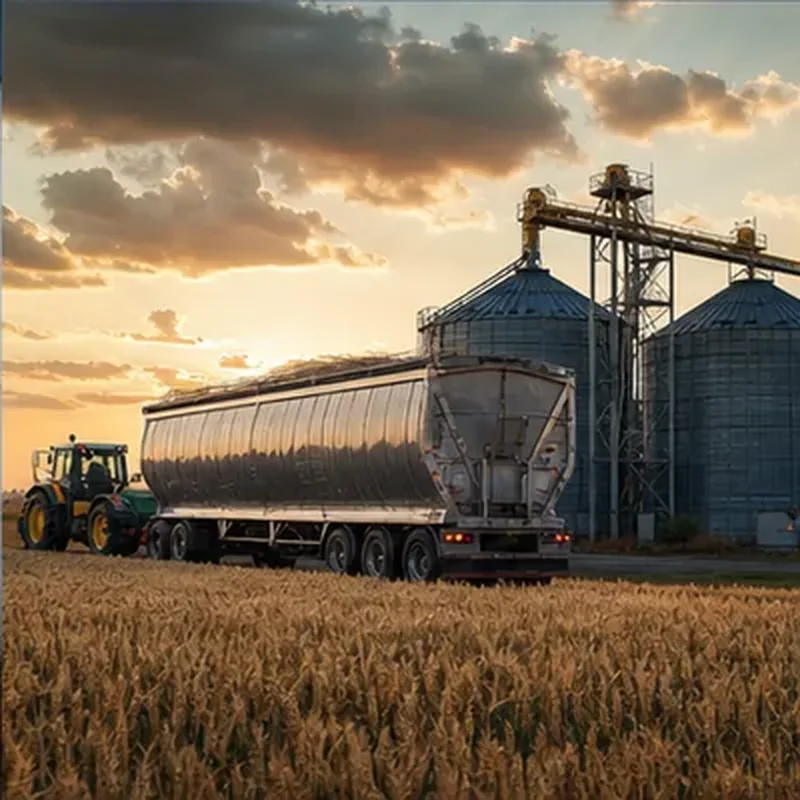
Agriculture from the surrounding counties moves grain, cattle and crop products, food processing adds year-round volume, and distribution serves the eastern Dakotas and southwestern Minnesota. Manufacturing and financial services drive inbound freight, and construction materials feed a growing metro.
The corridors that carry it
I-29 runs north-south along the eastern edge of the Dakotas between Fargo and Omaha, I-90 crosses east-west from Minnesota toward the Black Hills and I-229 rings the metro. That crossing makes Sioux Falls the natural distribution point for a region where the alternatives are hours away.
Freight Flex in Sioux Falls
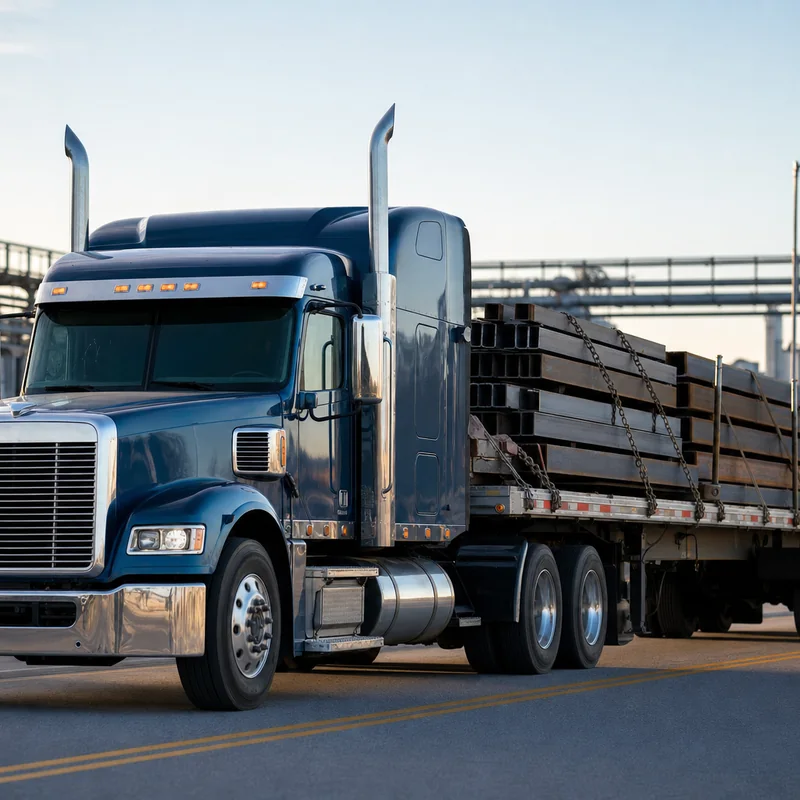
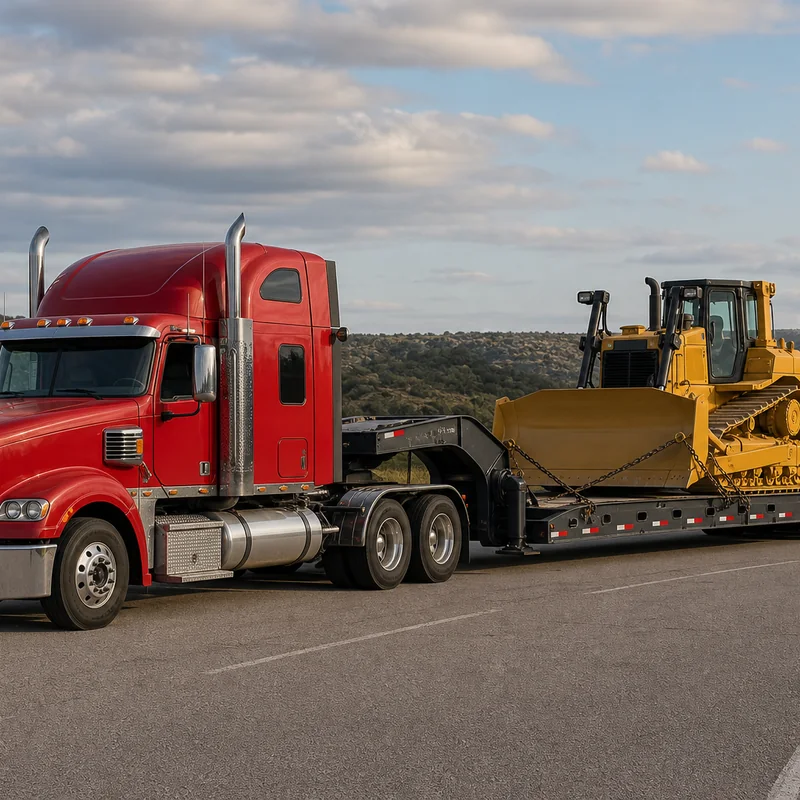
Freight Flex coordinates Temperature-Controlled capacity for protein and food processing, Full Truckload (FTL) and Less Than Truckload (LTL) coverage across the region, Flatbed and Heavy Haul capacity for agricultural equipment and industrial freight and Expedited equipment when a processing schedule tightens. Carrier compliance tools and an agent success team available 24/7 support the move.