West Virginia

West Virginia Freight

West Virginia ships energy, chemicals and industrial freight through terrain that punishes anyone who plans a route on a map alone. Freight Flex coordinates West Virginia freight with carriers who know the mountain routes and permits engineered before anything rolls.

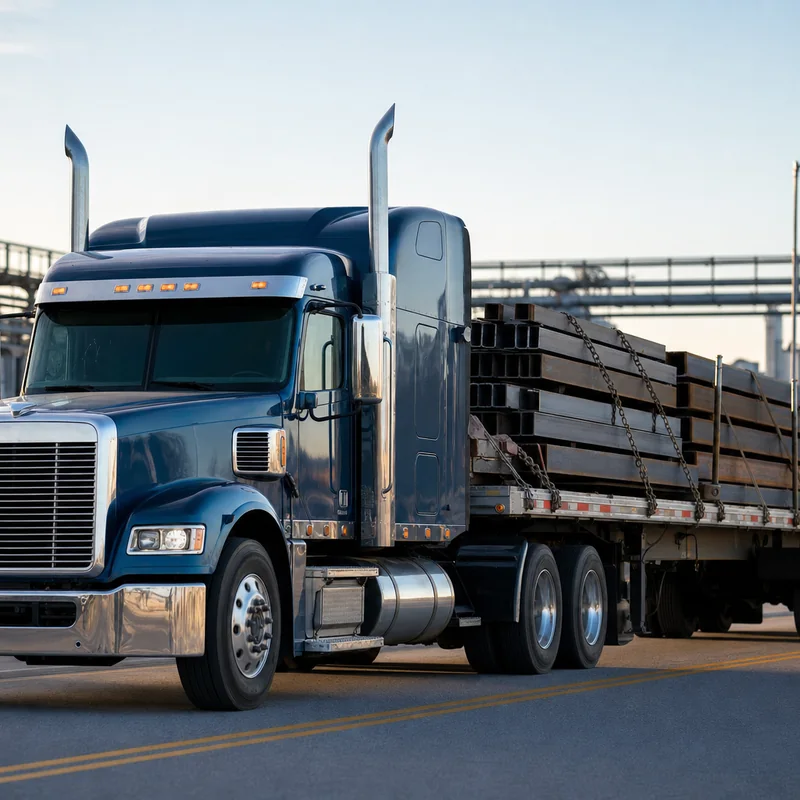
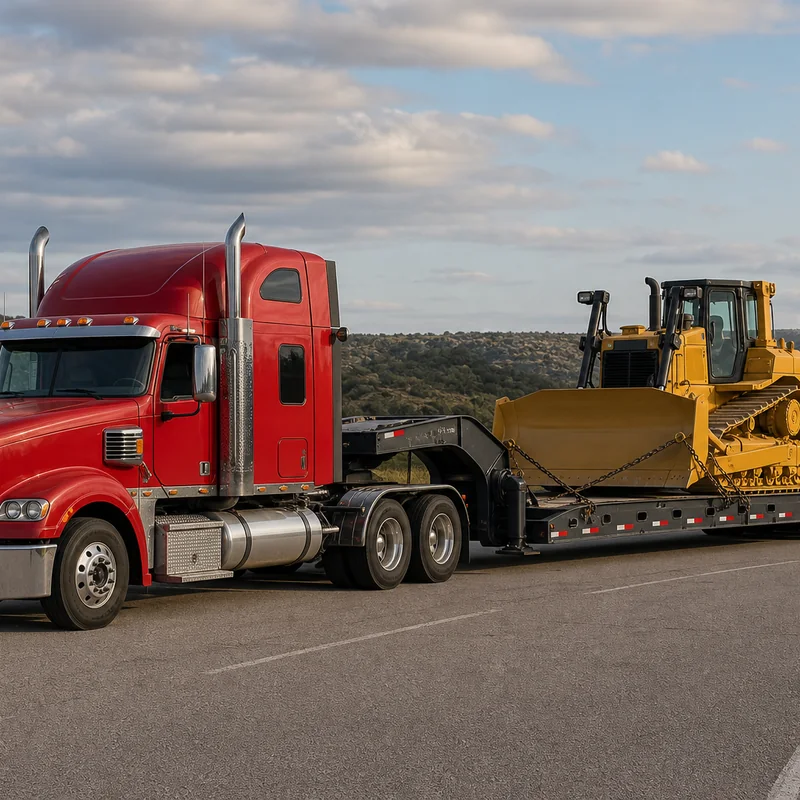
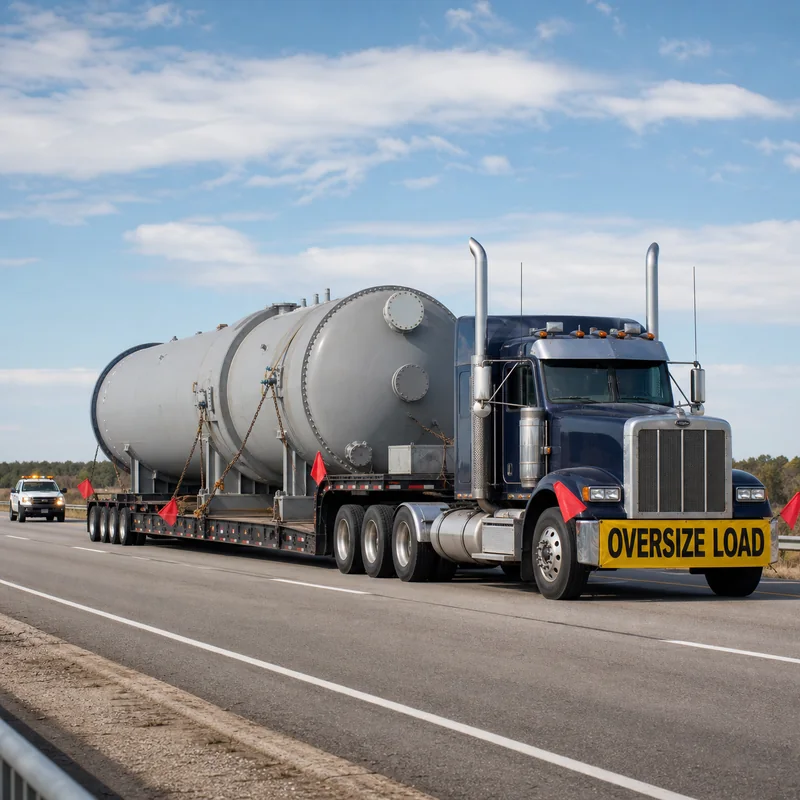
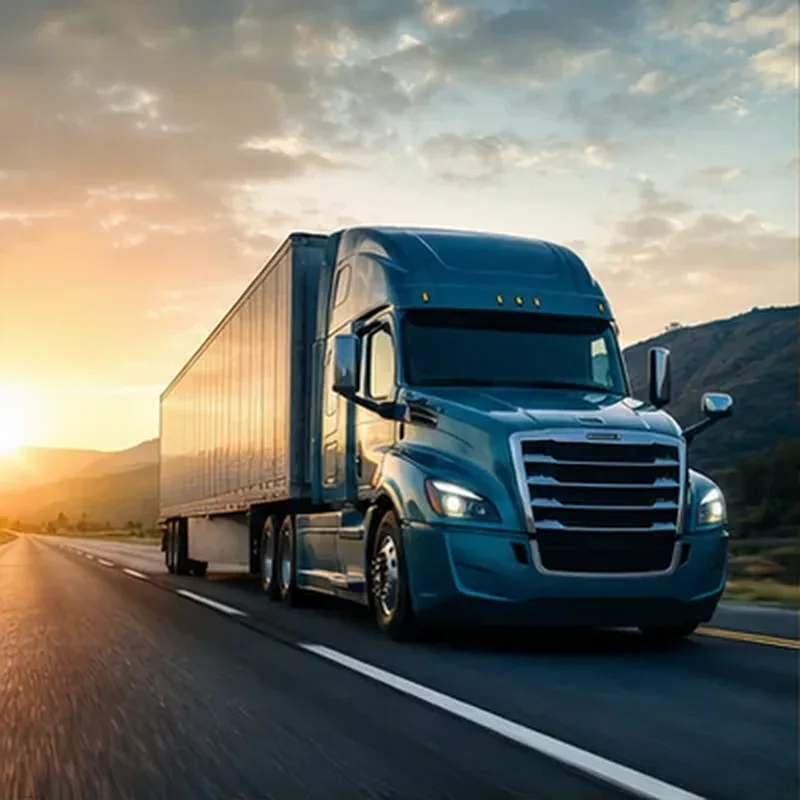
Freight trucks navigating a mountain highway through West Virginia
The West Virginia Market

Freight coordination through mountain country. Energy, chemicals and terrain.

West Virginia's freight runs on energy operations, chemical production along the Kanawha Valley and manufacturing spread through the valleys, all moving through terrain that shapes every route decision. Freight Flex coordinates that freight with the planning it demands.

What moves through West Virginia

Energy anchors the state's freight, with coal, natural gas operations and the equipment, pipe and materials those industries consume moving constantly, often to sites at the end of narrow valley roads. The Marcellus and Utica activity in the north adds drilling equipment, water handling and infrastructure freight.

Chemical production along the Kanawha Valley ships specialty and industrial products, manufacturing operates across the state including automotive components and metals, and forest products move from the timber regions. Distribution serves a population spread thinly across difficult geography, which makes coverage rather than volume the market's defining challenge.

The corridors that carry it

I-77 runs north-south through the state, I-79 connects the north toward Pennsylvania, I-64 crosses toward Virginia and Kentucky and I-68 and I-81 clip the eastern panhandle. The interstates are only part of the picture, since a great deal of West Virginia freight leaves them for state routes through valleys where clearances, weight limits and switchbacks decide what equipment can actually get there.

Freight Flex in West Virginia

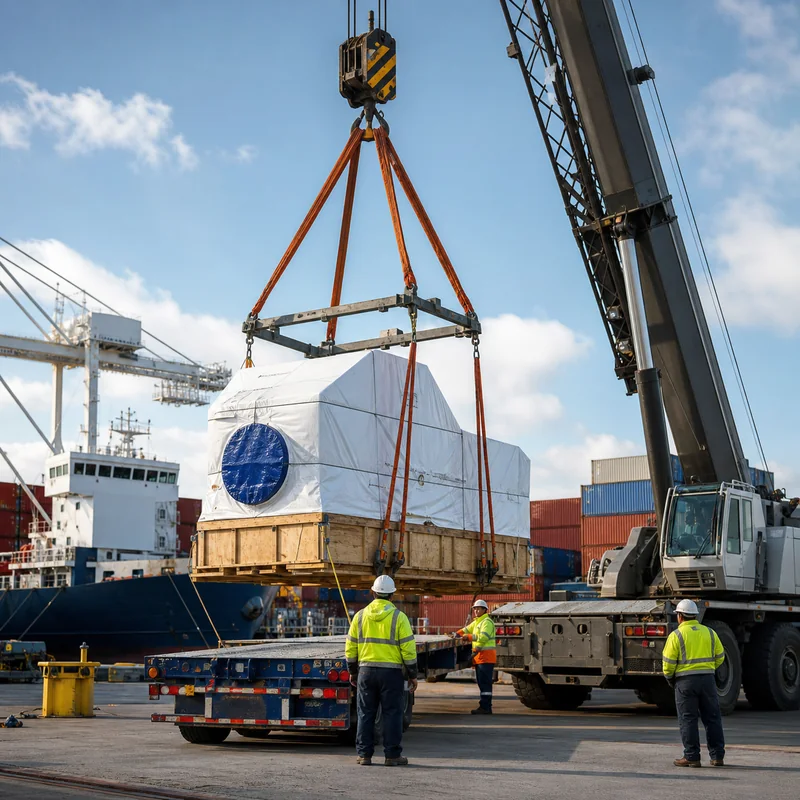
Freight Flex coordinates Flatbed, Heavy Haul and Over-Dimensional (OD) capacity for energy and industrial freight, Project Cargo coordination for installations, Full Truckload (FTL) and Less Than Truckload (LTL) coverage statewide and Expedited equipment when an operation is waiting on a part. Carrier compliance tools and an agent success team available 24/7 support the move.
Routes Verified, Not Assumed

Mountain clearances, weight limits and valley access get checked before dispatch, because a route that looks fine on a map can stop a load cold in this state.

Built for Energy Country

Pipe, equipment and materials to sites at the end of narrow roads, with access conditions flagged at booking and the right equipment matched to the destination.

Compliance on Every Lane

Carrier compliance tools support shipment security, backed by an agent success team available 24/7. Difficult lanes never lower the bar.

The Freight Flex promise

The terrain gets planned, not discovered. Build With Flex.

For every shipper moving West Virginia freight, Freight Flex commits to verifying routes before dispatch, matching equipment to what a site can actually receive and covering lanes other providers avoid. Winter conditions get built into schedules, oversized moves get permitted against real routes and the mountains stop being a surprise on your invoice.

0+
Shipments Coordinated
#0
Inc. 5000 Fastest-Growing Private Companies
0
States of Nationwide Coverage
0+
Freight Flex Offices
Operating standards

West Virginia freight standards. Vetted. Verified. Visible.

Freight Flex combines carrier compliance tools with an agent success team available 24/7 to help reduce cargo theft, fraud and claims and support shipment visibility. On difficult routes to remote sites, that discipline matters more, not less.

  • Only work with Highway verified Motor Carriers.
  • 1+ year active authority required.
  • Satisfactory or Unrated FMCSA safety rating required.
  • $1M Auto Liability + $100K Cargo Insurance required.
  • VIN verified on every shipment through Highway Load Lock.
  • Supplemental cargo insurance available up to $2,000,000 per shipment, beyond standard carrier coverage.
Freight services

The services West Virginia freight uses most. Open deck country.

West Virginia freight leans industrial and open deck. Flatbed, heavy haul and over-dimensional planning move the energy and manufacturing freight, project cargo coordinates installations, truckload and LTL cover the distribution lanes and expedited answers when an operation is down.

See All Services
Planning West Virginia Freight

How shippers plan West Virginia freight. Terrain first.

West Virginia planning starts with the route, since terrain determines what equipment can reach a site more often than any other factor, and finishes with the winter that reshapes schedules for months.

Routes, clearances and site access.

In most states a route is a formality. Here it is the plan. Valley roads carry weight limits and clearance restrictions, switchbacks defeat long trailers and a delivery address that looks reachable can be impractical for the equipment the freight needs. Heavy Haul and Over-Dimensional (OD) moves get permits pulled against verified routes with clearances checked, and Flatbed loads get matched to what the site can actually receive.

Flag the destination honestly at booking, meaning road conditions, turning room, offload method and the contact who knows the property. That information is worth more here than in any other market, since the alternative is a truck stopped miles from a site with no way to turn around.

Energy operations, chemicals and winter.

Energy freight moves constantly to sites the interstates never touch, meaning pipe, tanks, equipment and materials that need the right deck and a carrier prepared for the road. When an operation is down, Expedited equipment moves the part with monitoring around the clock, and multi-piece installations run through Project Cargo coordination sequenced against the work plan.

Chemical and manufacturing freight along the Kanawha Valley runs standing Full Truckload (FTL) lanes, with Less Than Truckload (LTL) priced on density serving the smaller receivers. Winter is severe and long in the mountains, closing routes and slowing everything from November through spring, so standing programs carry seasonal buffers and time-critical freight keeps a recovery option priced before the snow makes the point.

Reviews

What It’s Like to Build With Flex

Leave a Review
Pricing

Ready to Get Started?

Tell us the lane, commodity, exact dimensions and weight, and everything you know about the delivery site and its access. From one flatbed load to an energy installation, we will quote it with the terrain planned.

West Virginia shipment details

Get a West Virginia Freight Quote

Submission received

Your quote request is in.

Thank you. A Freight Flex team member will review your shipment details and follow up shortly.

Build With Flex.