What moves through Richmond
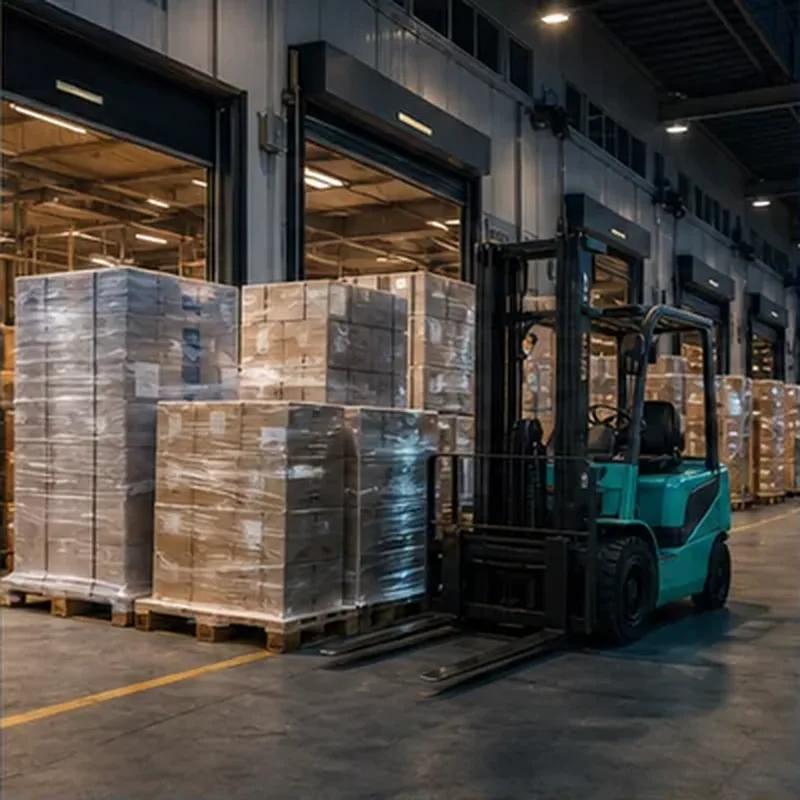
Distribution drives the volume, with retail, ecommerce and consumer goods operations using the metro's position between the Northeast and the Southeast, close enough to Washington to serve it and far enough south to operate affordably. Warehouse development has followed.
Manufacturing includes pharmaceutical production, paper and packaging, food processing and building products, giving the market real outbound freight. The Port of Virginia at Norfolk sits close enough that Richmond functions as an inland distribution point for import cargo, and tobacco and agriculture from the surrounding counties add regional volume.
The corridors that carry it
I-95 runs the coastal spine north to Washington and south toward the Carolinas, I-64 connects east to Norfolk and west toward the mountains, I-85 heads southwest and I-295 rings the metro. That geometry makes Richmond a natural staging point for freight moving up and down the East Coast.
Freight Flex in Richmond
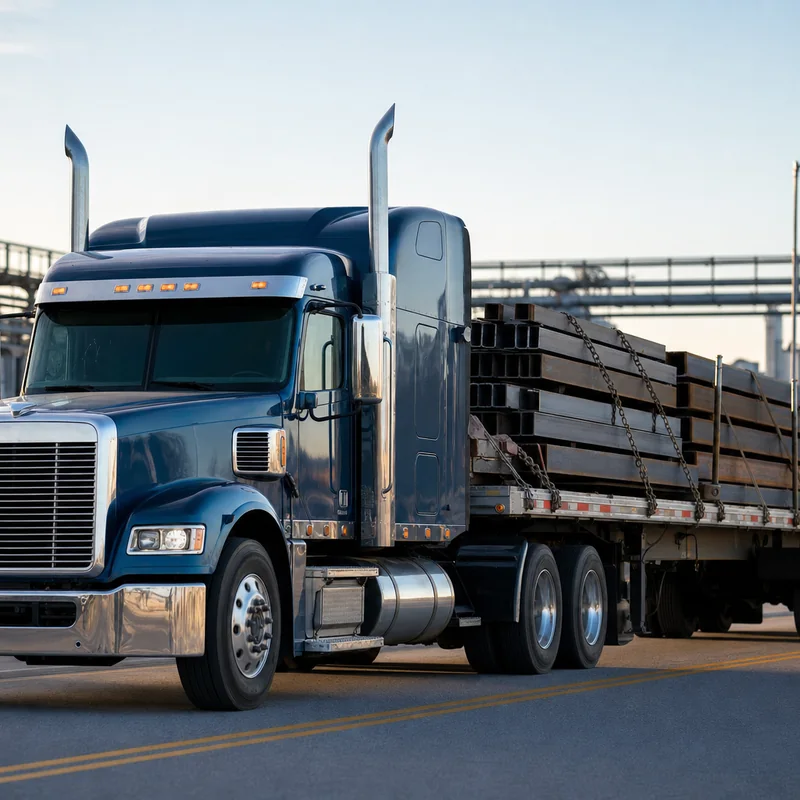
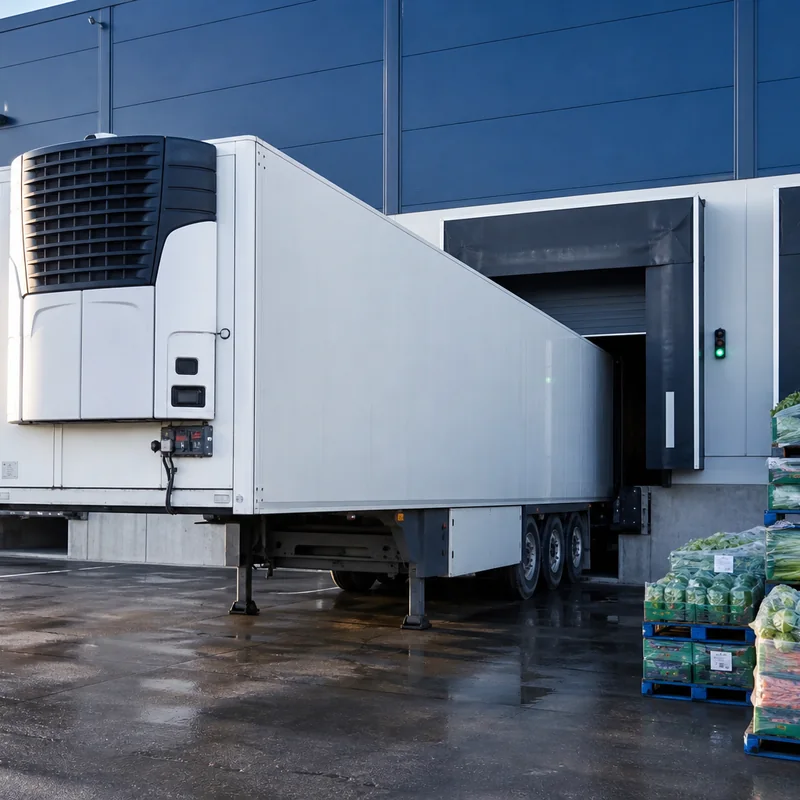
Freight Flex coordinates Full Truckload (FTL) and Less Than Truckload (LTL) freight across the corridor, Drayage and Transloading connecting the Port of Virginia, Intermodal options on long lanes, Temperature-Controlled capacity for pharmaceutical and food freight and Flatbed capacity for industrial and building materials. Carrier compliance tools and an agent success team available 24/7 support the move.