Virginia

Virginia Freight

Virginia holds a deep-water gateway on one end and the world's densest data center corridor on the other, connected by interstates that carry the East Coast's traffic. Freight Flex coordinates Virginia freight across both, with vetted carriers on every lane.

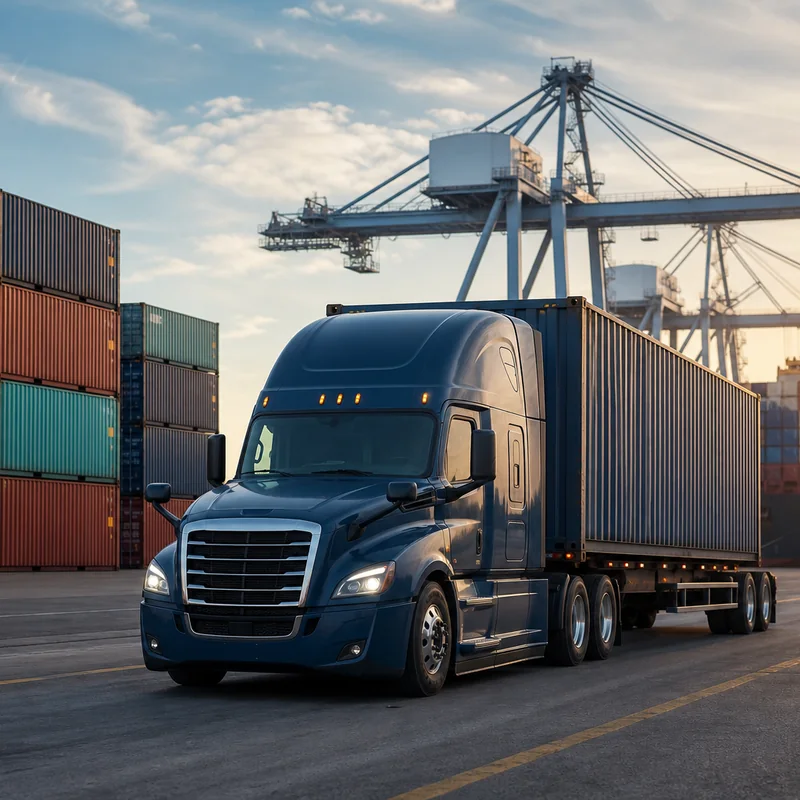
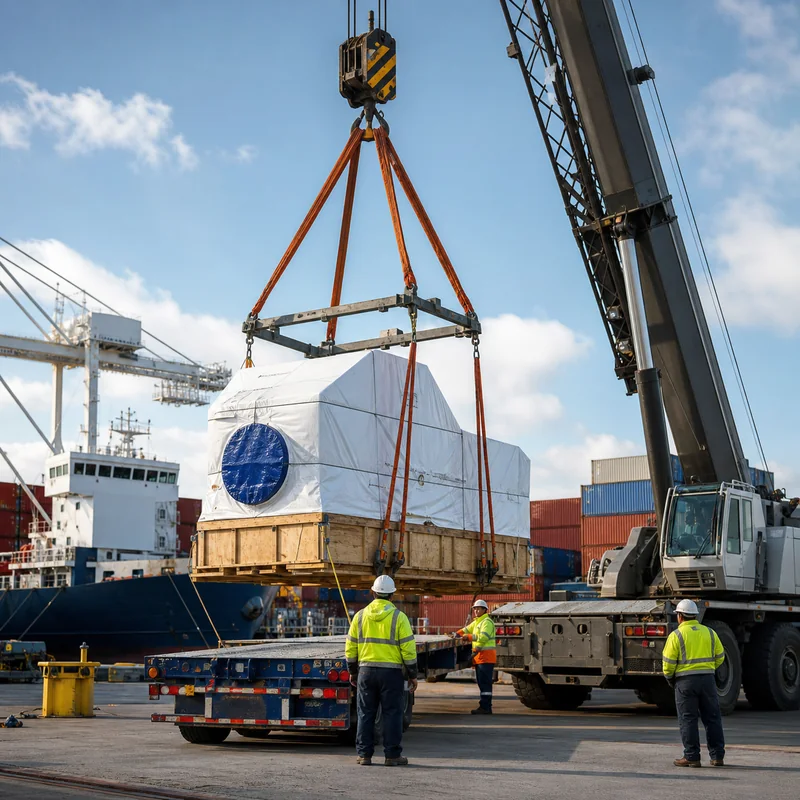
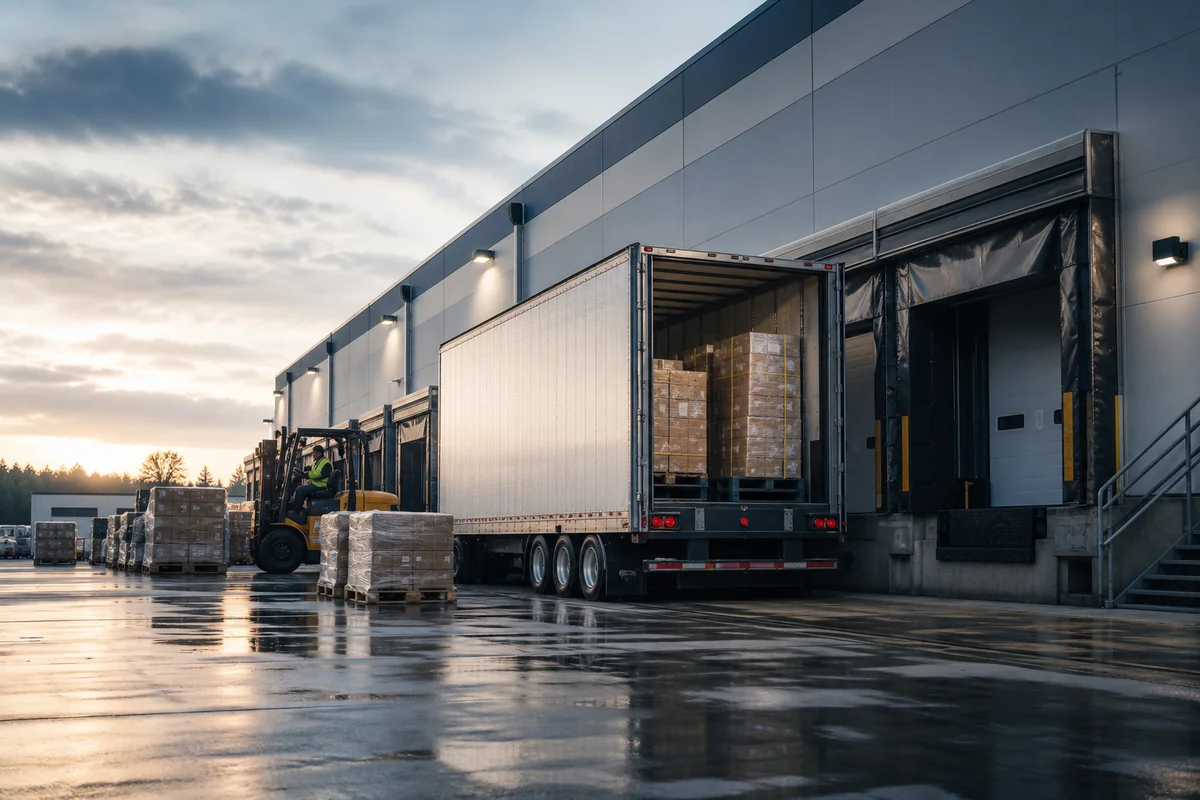
Port terminals and data center construction freight across Virginia
The Virginia Market

Freight coordination from the port to the data corridor. Containers and construction.

Virginia's freight economy runs on two engines, meaning the Port of Virginia's container and rail capability at Hampton Roads and the enormous data center buildout in the northern part of the state. Freight Flex coordinates both plus everything between.

What moves through Virginia

The Port of Virginia at Norfolk handles containerized imports and exports for the mid-Atlantic and, thanks to strong rail, for markets well inland. Agricultural and forest product exports move out through the terminals, and import distribution feeds the region.

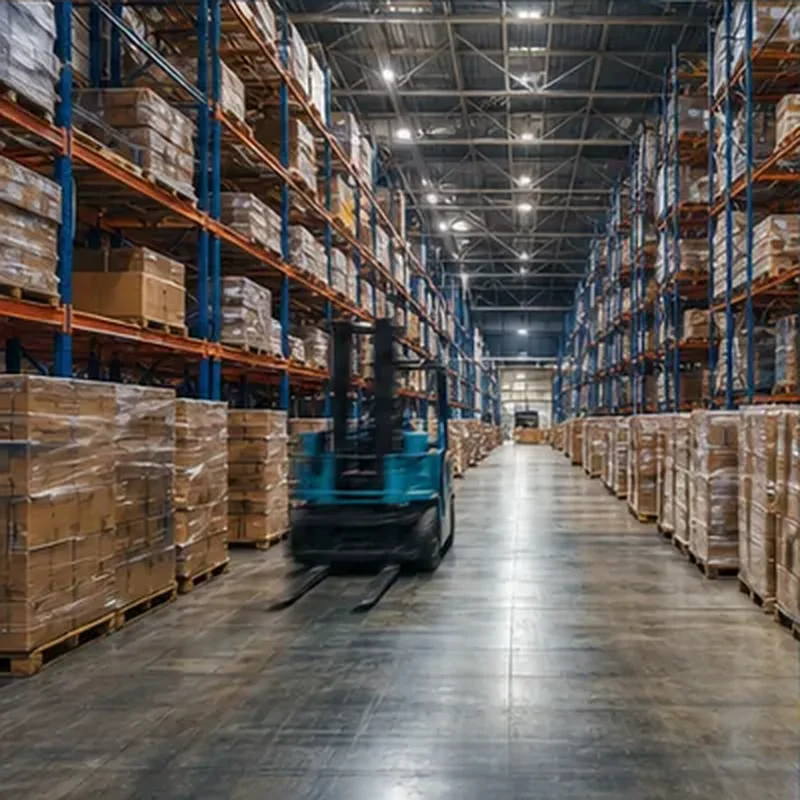
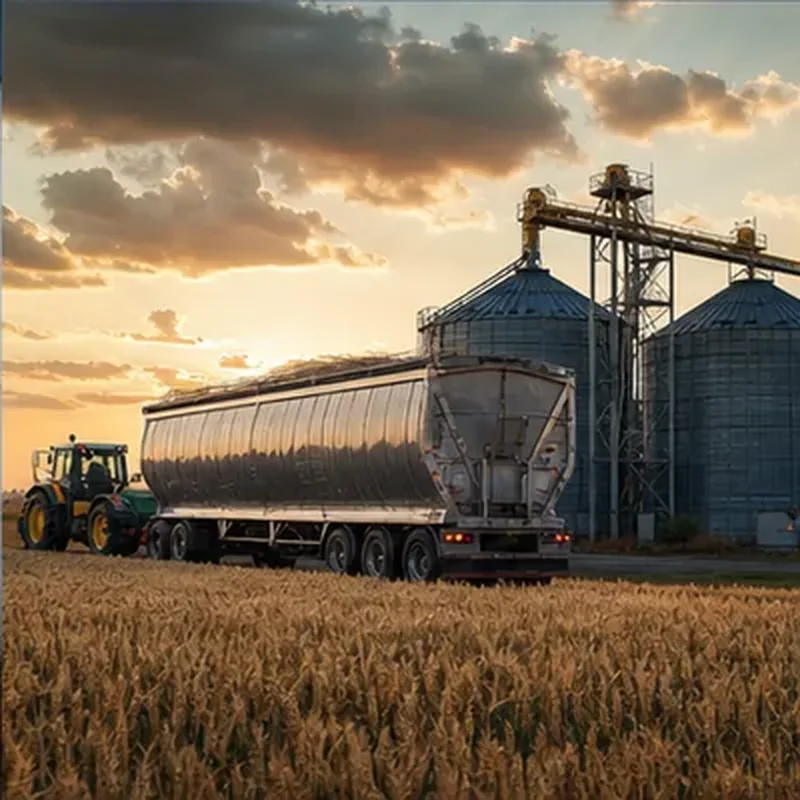
Northern Virginia runs a completely different freight profile, meaning the data center corridor that pulls transformers, switchgear, generators, racks, servers and construction materials into a concentrated area on commissioning schedules set years ahead. Between the two, the state ships manufacturing, agriculture from the Shenandoah and Piedmont, and building materials for steady growth.

The corridors that carry it

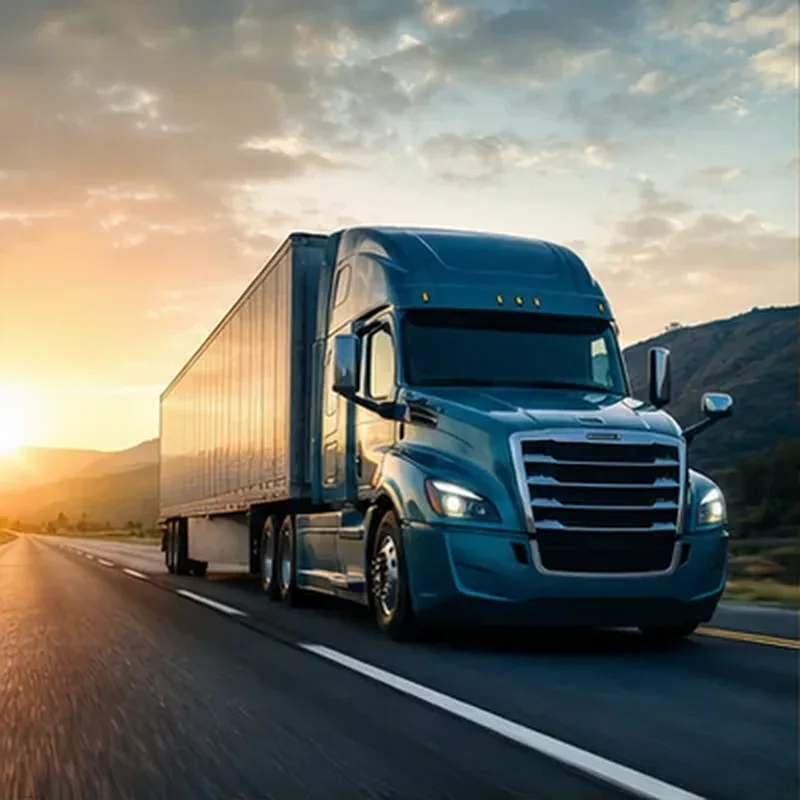
I-95 runs the coastal spine through Richmond toward Washington, I-64 connects Hampton Roads to Richmond and the interior, I-81 carries the inland corridor down the Shenandoah Valley and I-66 and I-495 serve the northern metro. That geometry links the port to the interior and the interior to the densest construction market on the East Coast.

Freight Flex in Virginia

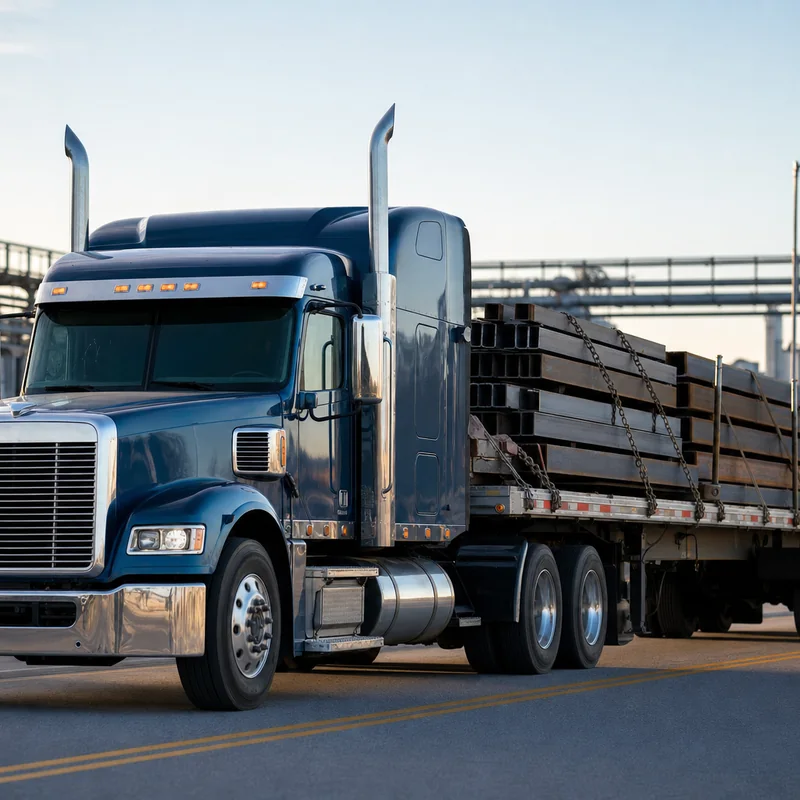
Freight Flex coordinates Drayage and Intermodal at the Port of Virginia, Project Cargo, Heavy Haul and Over-Dimensional (OD) planning for the data center buildout, Flatbed capacity for construction materials, Expedited equipment for high-value deployment freight and Full Truckload (FTL) and Less Than Truckload (LTL) coverage statewide. Carrier compliance tools and an agent success team available 24/7 support the move.

Ready for the Data Corridor

Transformers, switchgear and deployment freight sequenced against commissioning dates, with permits and site protocols confirmed before anything rolls.

Port Rail That Reaches Inland

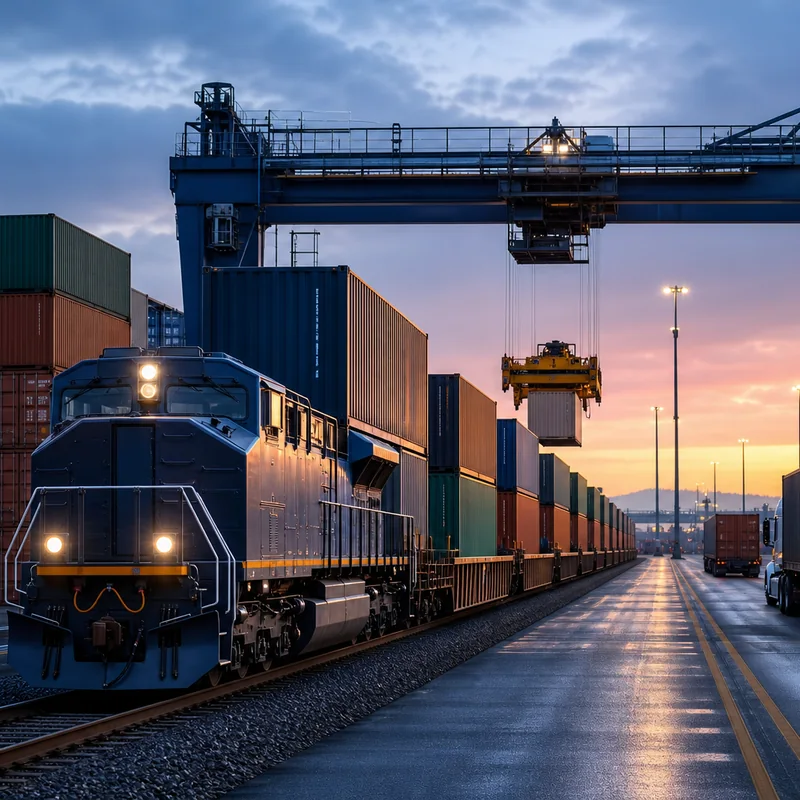
On-dock rail makes intermodal genuinely competitive from Hampton Roads, and Freight Flex plans both drays so the savings survive the last mile.

Compliance on Every Lane

Carrier compliance tools support shipment security, backed by an agent success team available 24/7. High-value freight gets the security it needs.

The Freight Flex promise

Ports and builds both stay on schedule. Build With Flex.

For every shipper moving Virginia freight, Freight Flex commits to planning port moves before the vessel berths, sequencing data center freight against commissioning milestones and protecting high-value deployment shipments with vetted carriers and around-the-clock monitoring. One team covers the gateway, the corridor and the construction, which in this state is exactly what the freight requires.

0+
Shipments Coordinated
#0
Inc. 5000 Fastest-Growing Private Companies
0
States of Nationwide Coverage
0+
Freight Flex Offices
Operating standards

Virginia freight standards. Vetted. Verified. Visible.

Freight Flex combines carrier compliance tools with an agent success team available 24/7 to help reduce cargo theft, fraud and claims and support shipment visibility. These standards ride on every Virginia load we arrange.

  • Only work with Highway verified Motor Carriers.
  • 1+ year active authority required.
  • Double-brokering and identity fraud screened, then monitored in transit.
  • $1M Auto Liability + $100K Cargo Insurance required.
  • VIN verified on every shipment through Highway Load Lock.
  • Supplemental cargo insurance available up to $2,000,000 per shipment, beyond standard carrier coverage.
Freight services

The services Virginia freight uses most. Gateway and buildout.

Virginia freight runs two programs. Drayage and intermodal work the port, project cargo, heavy haul and over-dimensional planning move the data center infrastructure, flatbed carries construction materials, expedited protects deployment freight and truckload and LTL cover the corridors.

See All Services
Industries

The industries that run on Virginia freight. The state's economy.

Virginia freight serves two very different engines, meaning data center construction and deployment in the north, retail and ecommerce distribution across the state, manufacturing and building materials, agriculture from the valleys, energy equipment moving through the corridors and the forwarders running port programs.

See All Industries
Planning Virginia Freight

How shippers plan Virginia freight. Two engines, two disciplines.

Virginia planning asks for fluency in gateway logistics and project logistics at once, since a container program and a data center buildout share a state and nothing else about how they run.

Data center freight and the commissioning clock.

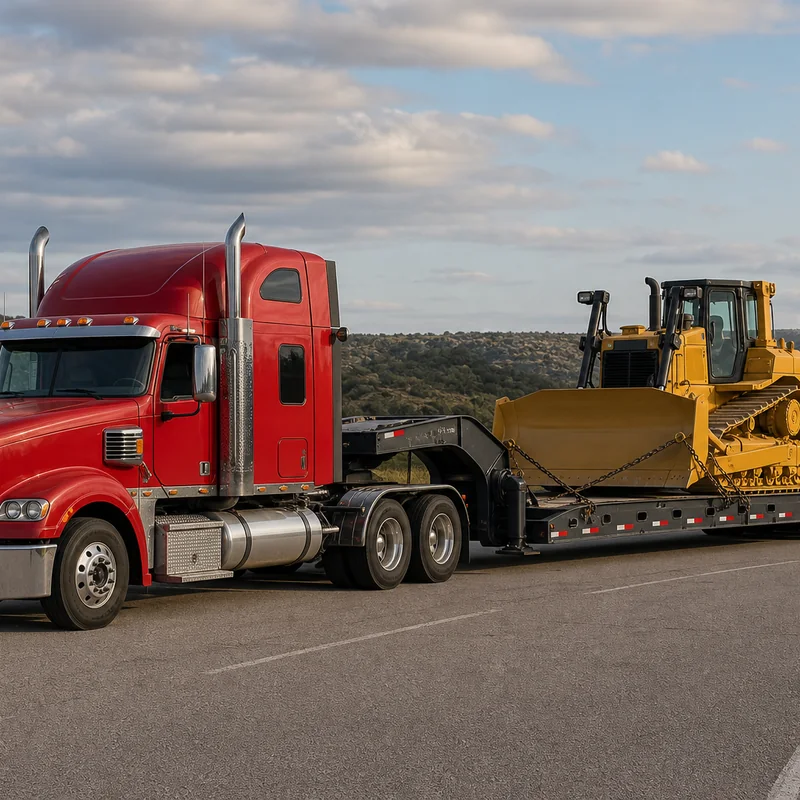
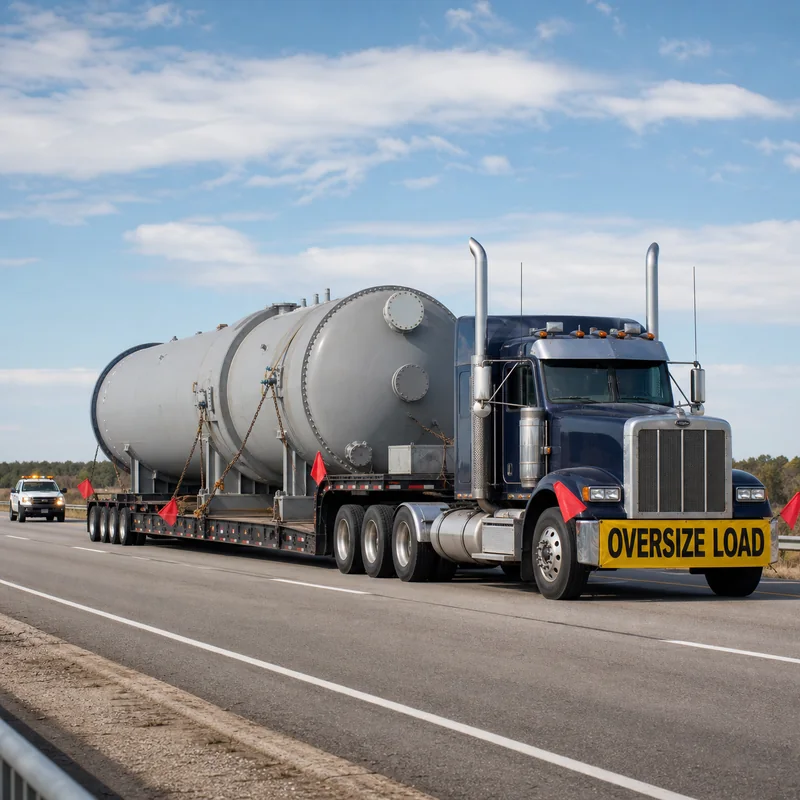
Northern Virginia's buildout moves freight on schedules set years ahead, meaning transformers, switchgear and infrastructure arriving in sequence against commissioning dates. Project Cargo coordination builds the plan from the equipment list, identifying which pieces need Heavy Haul permits and escorts, which ride as Over-Dimensional (OD) loads and where the schedule has float. Permits are route-specific and date-specific, so the oversized pieces set the horizon.

Deployment freight is the other half, meaning trailers of racks and servers carrying enormous value that ride Expedited on dedicated vehicles with monitoring around the clock, site security protocols confirmed at booking and supplemental cargo insurance available when the value warrants it.

Port work and the inland connection.

Containers through the Port of Virginia follow the standard gateway rule, meaning the Drayage plan exists before the vessel berths. The port's on-dock rail is its structural advantage, making Intermodal competitive for freight bound well inland, and Freight Flex plans the destination dray as part of the linehaul so rail savings survive the last mile.

Inland, Full Truckload (FTL) and Less Than Truckload (LTL) coverage runs the I-95, I-64 and I-81 corridors, with Flatbed capacity for building materials feeding both the construction corridor and steady regional growth. Winter in the Shenandoah and mountain routes adds seasonal transit buffers to standing programs, and coastal hurricane contingency runs June through November at Hampton Roads.

Reviews

What It’s Like to Build With Flex

Leave a Review
Pricing

Ready to Get Started?

Tell us the lane or equipment list, with commodity, weights, dimensions and any site, security or vessel requirements. From one container to a data center build program, we will quote it across the services that fit.

Virginia shipment details

Get a Virginia Freight Quote

Submission received

Your quote request is in.

Thank you. A Freight Flex team member will review your shipment details and follow up shortly.

Build With Flex.