What moves between the US and Mexico
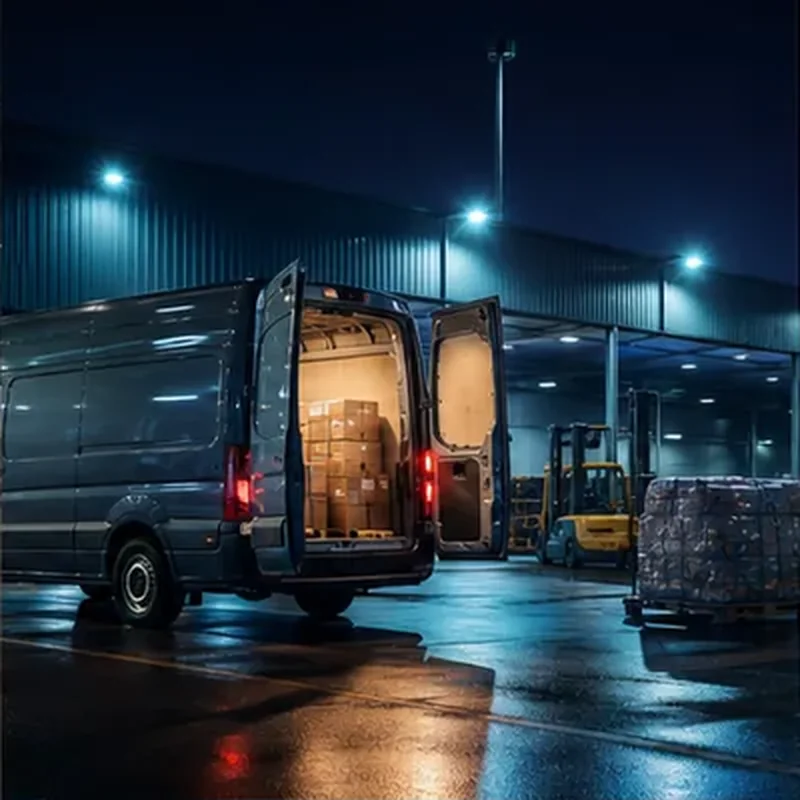
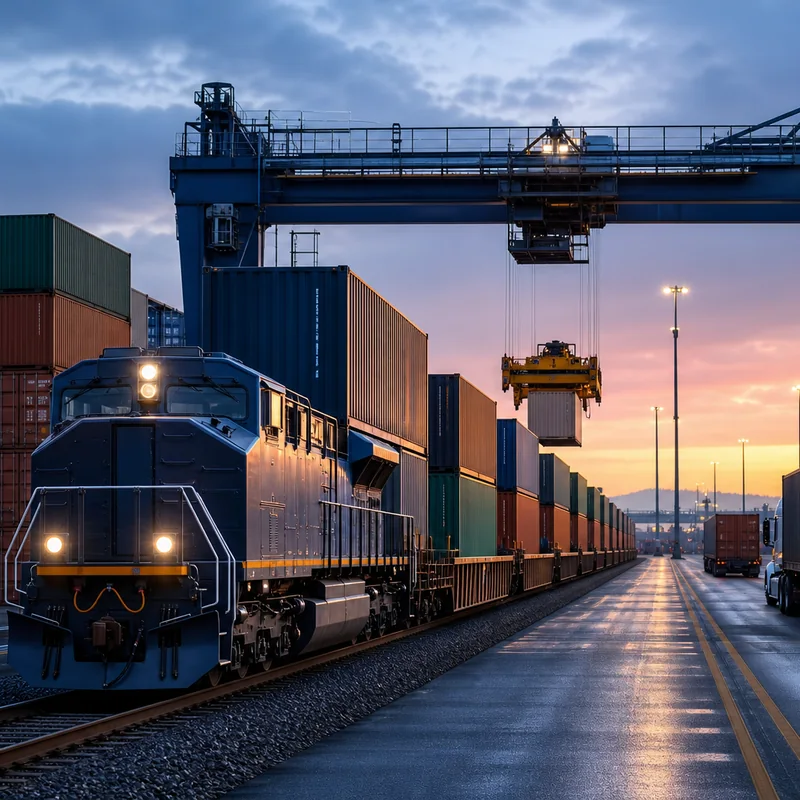
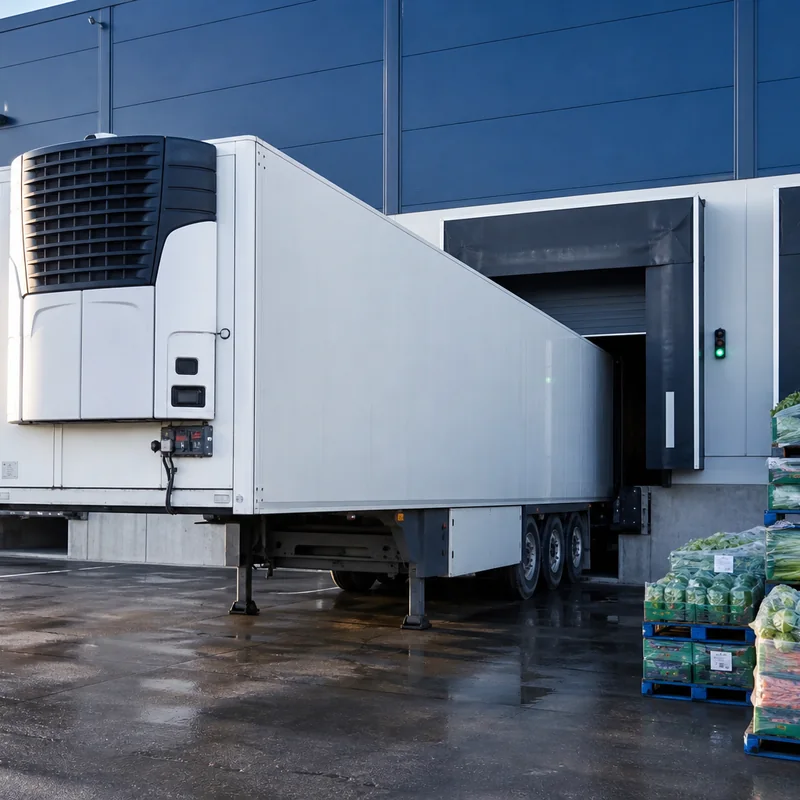
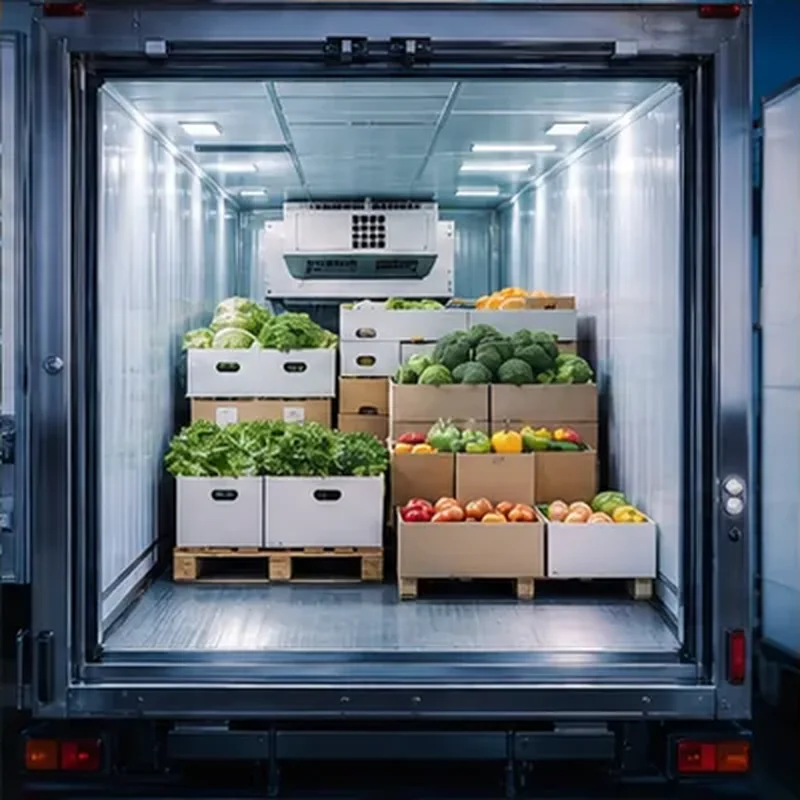
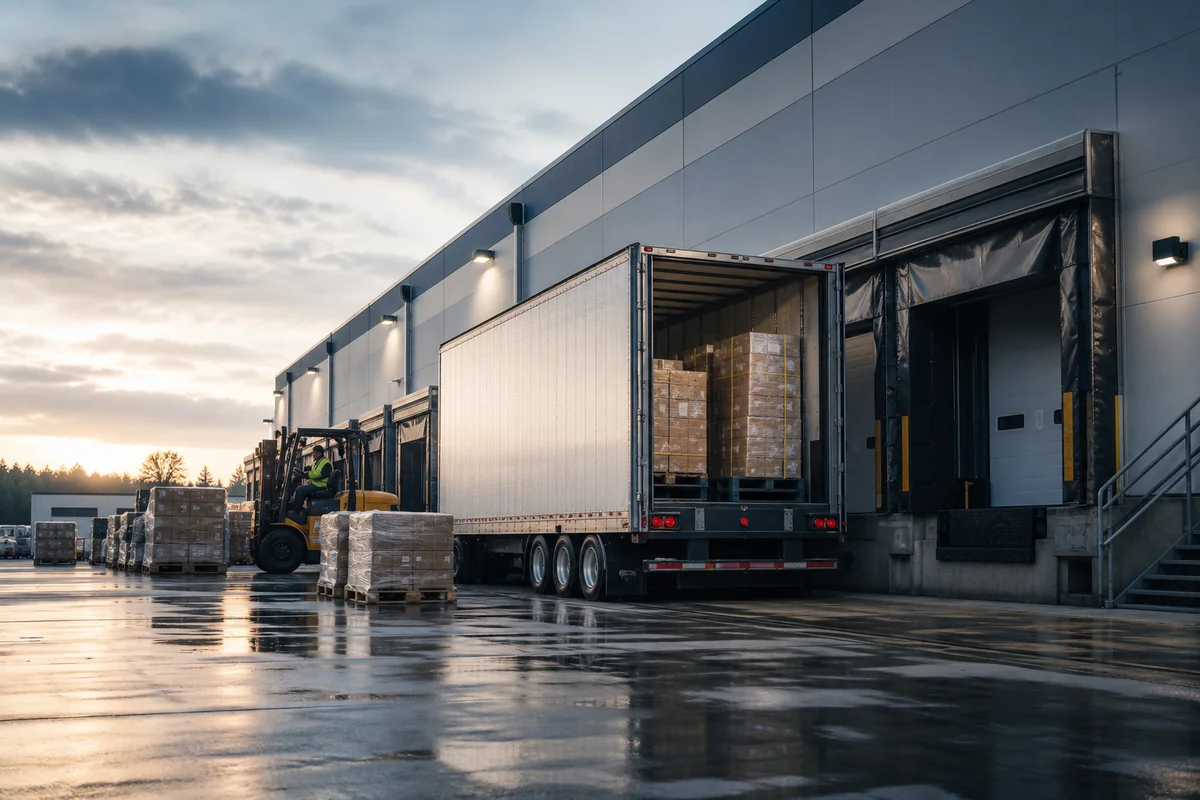
The US-Mexico freight relationship is manufacturing at continental scale. Automotive components and finished vehicles flow both directions as supply chains stitch plants across the border, nearshored electronics, appliances and industrial goods ship north from manufacturing centers like Monterrey, Saltillo and the Bajio, and southbound freight carries the materials, components and machinery that feed those operations. Northbound produce adds a second economy, with fresh fruits and vegetables crossing through the Texas and Arizona gateways on refrigerated equipment against unforgiving shelf-life clocks.
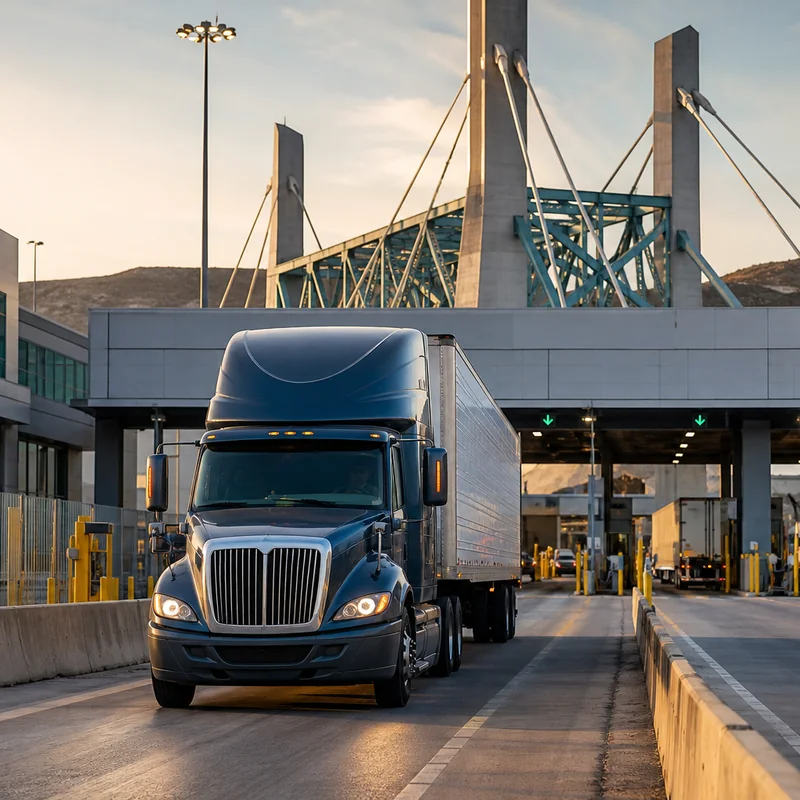
Nearly all of it funnels through a handful of gateways, with Laredo carrying the largest share of the hemisphere's land trade, El Paso and the Rio Grande Valley crossings handling their own massive flows, and Nogales anchoring the produce trade from the west coast of Mexico.
How cross-border freight actually works
Most US-Mexico freight changes hands near the line, moving through a transfer carrier at the border before continuing on the other side, and that transfer is where unmanaged freight loses its schedule. The documentation has to tell one story across the commercial invoice, packing list and customs entries on both sides, the transfer has to be scheduled rather than found, and every party needs accurate information in their own language. Freight that crosses smoothly is freight where all three were true before the truck departed.
Freight Flex and Mexico freight
Freight Flex manages Mexico-to-Mexico freight between domestic origins and destinations as well as cross-border freight through Cross-Border coordination. Cross-border moves sequence the linehaul, border transfer and delivering carrier as one plan with bilingual support at every handoff. Full trailers ride Full Truckload (FTL), northbound produce moves on Temperature-Controlled equipment with the setpoint carried across the transfer, and urgent freight runs Expedited. Carrier compliance tools support each leg, with an agent success team available 24/7.