What moves between the US and Canada
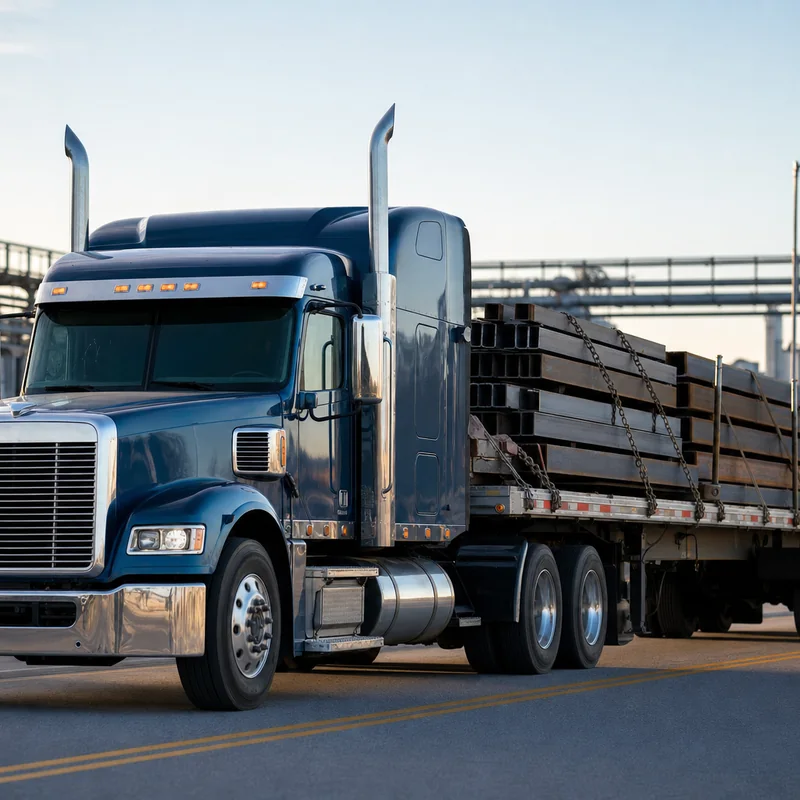
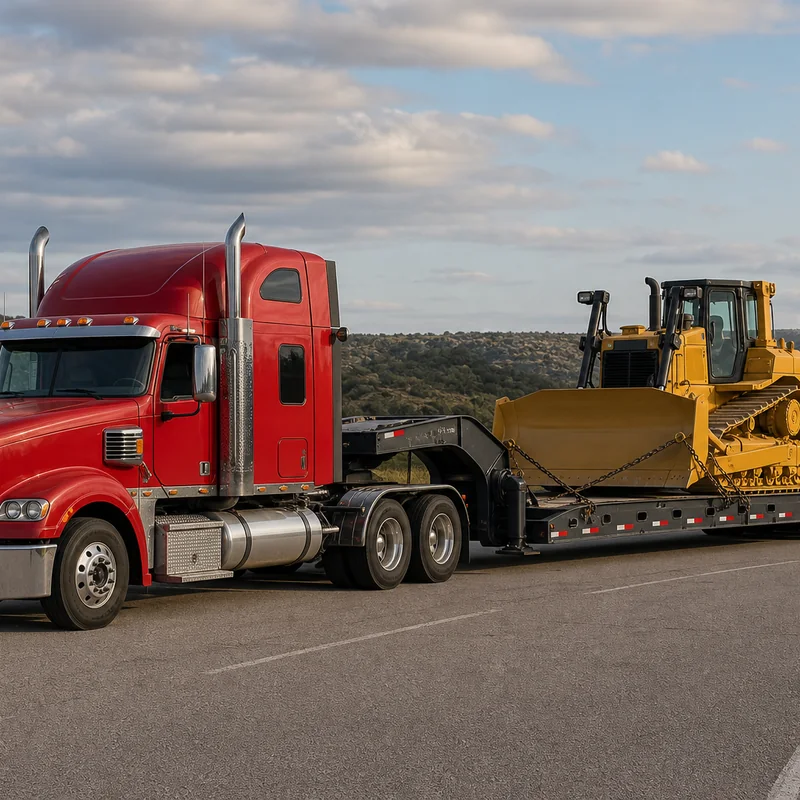
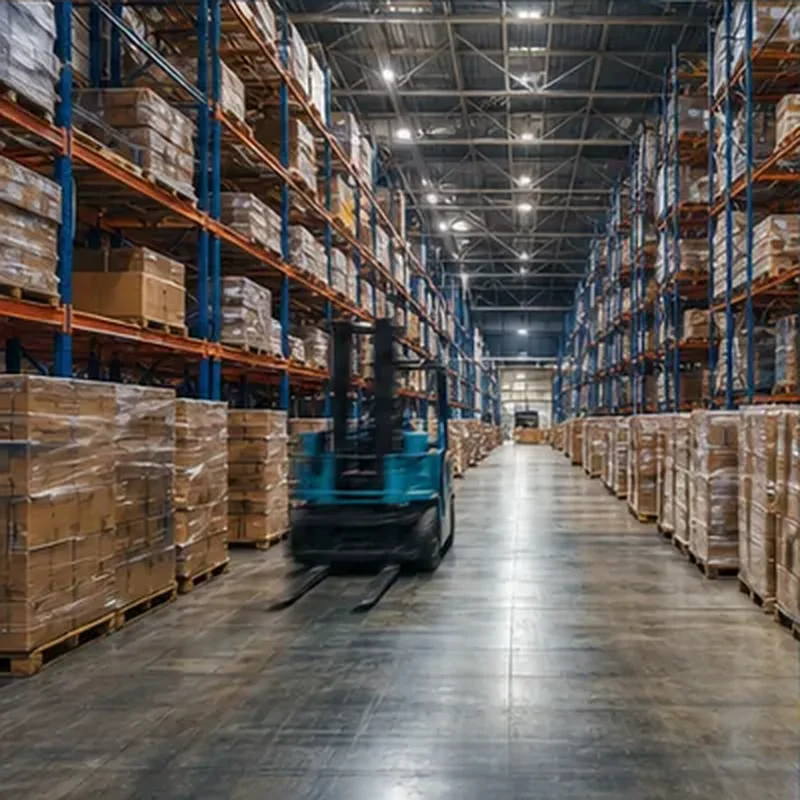
US-Canada freight is deeply industrial. Automotive supply chains run both directions through the Ontario-Michigan corridor, where the Detroit-Windsor crossing carries some of the heaviest trade flows on the continent. Canadian lumber and building materials feed US construction, energy products and equipment move across the northern basins, manufactured goods and machinery flow both ways, and food and agricultural trade runs in both directions with the seasons.
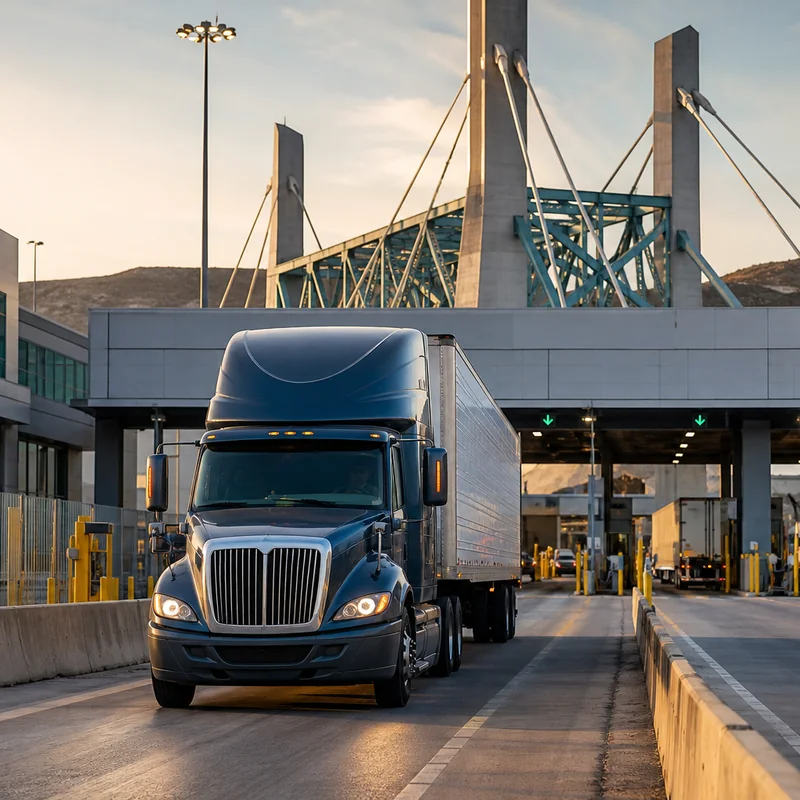
The gateways concentrate the flow, with Detroit-Windsor and Port Huron-Sarnia anchoring the automotive and manufacturing trade, the Buffalo-Niagara crossings serving the Northeast, and the Blaine and Sweetgrass corridors connecting the Pacific Northwest and northern plains. Each crossing has its own rhythms, and freight planned for the specific gateway crosses cleaner than freight pointed vaguely north.
The Canadian ports in your US supply chain
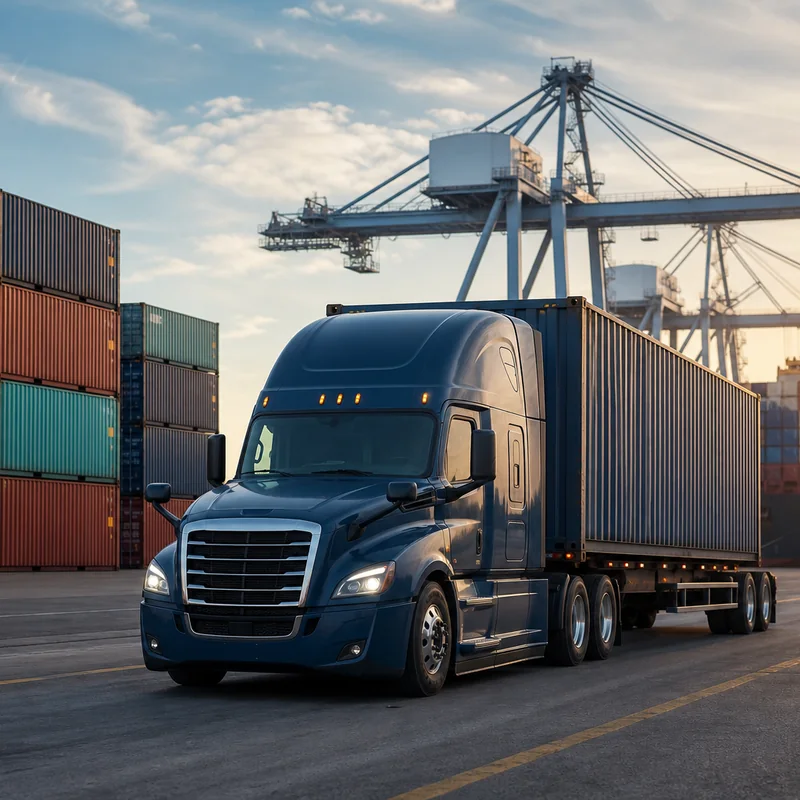
Canada's container ports are US freight infrastructure in practice. Vancouver and Prince Rupert land Asian imports that move inland by rail and truck into US markets, and Montreal anchors Atlantic trade for the Northeast and Midwest. Freight Flex provides complete Drayage service and coverage for all US and Canada ports and ramps through more than 120 intermodal carriers, stevedoring companies and portside operation facilities, with interchange maintained at every steamship line, so a container landing in Canada gets the same disciplined plan as one landing in Los Angeles.
Freight Flex and Canada freight
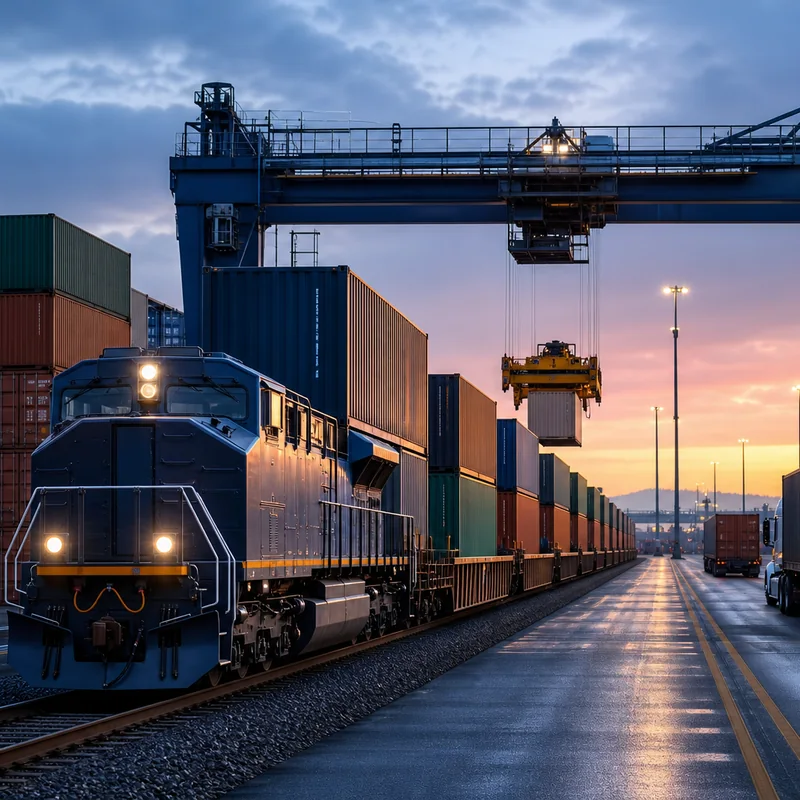
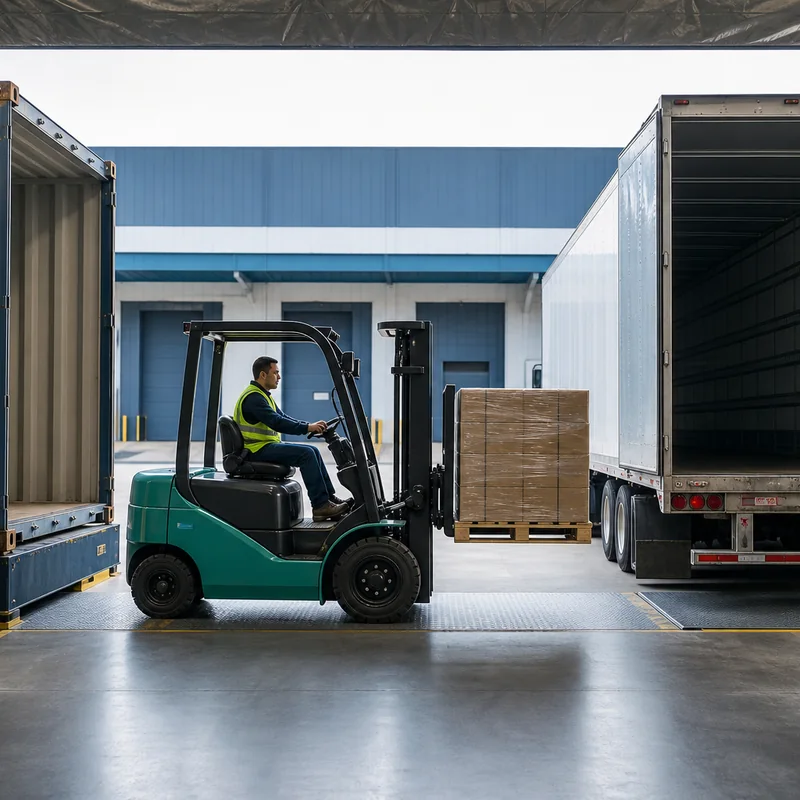
Freight Flex manages Canada-to-Canada freight between provinces as well as cross-border moves. Cross-border shipments run through Cross-Border coordination with the crossing scheduled before departure and documentation confirmed before pickup. Full trailers ride Full Truckload (FTL), partial shipments move on Less Than Truckload (LTL) quoted on density, long lanes with calendar room run Intermodal, and Transloading converts port containers to domestic distribution. Carrier compliance tools and an agent success team available 24/7 support the move.