What moves to and from Alaska
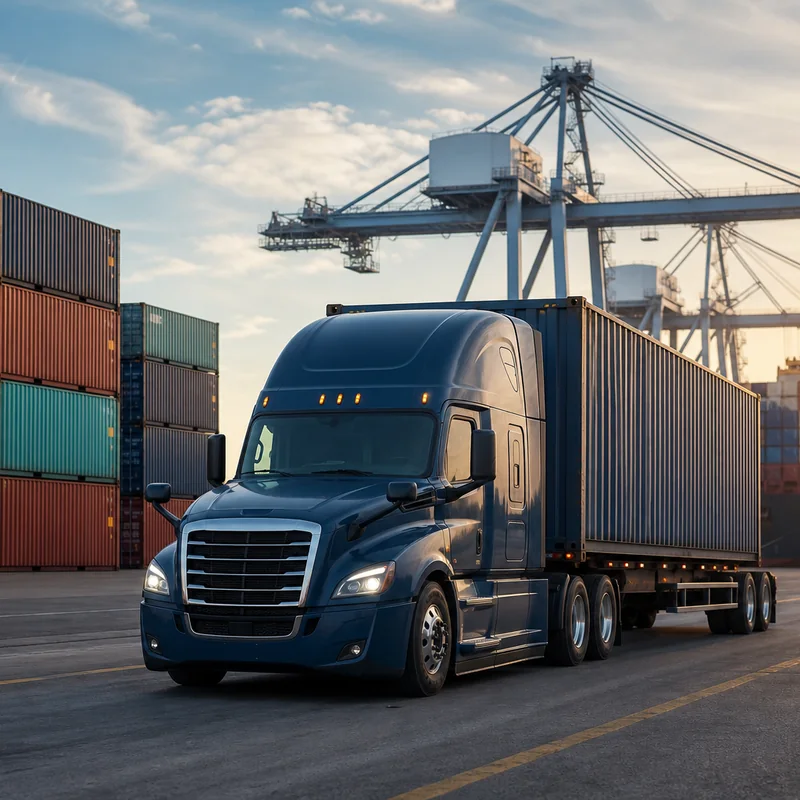
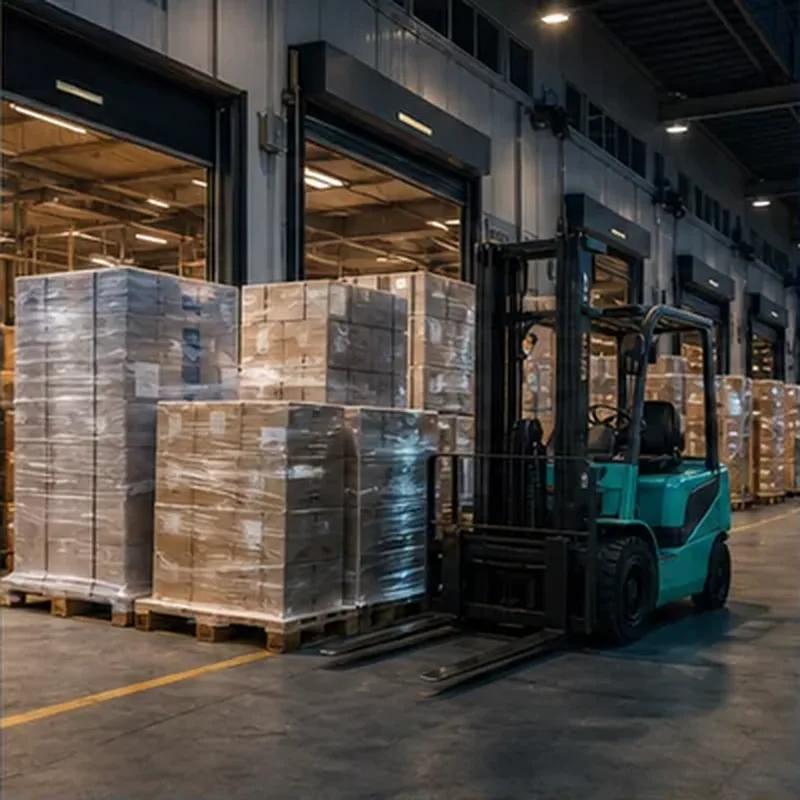
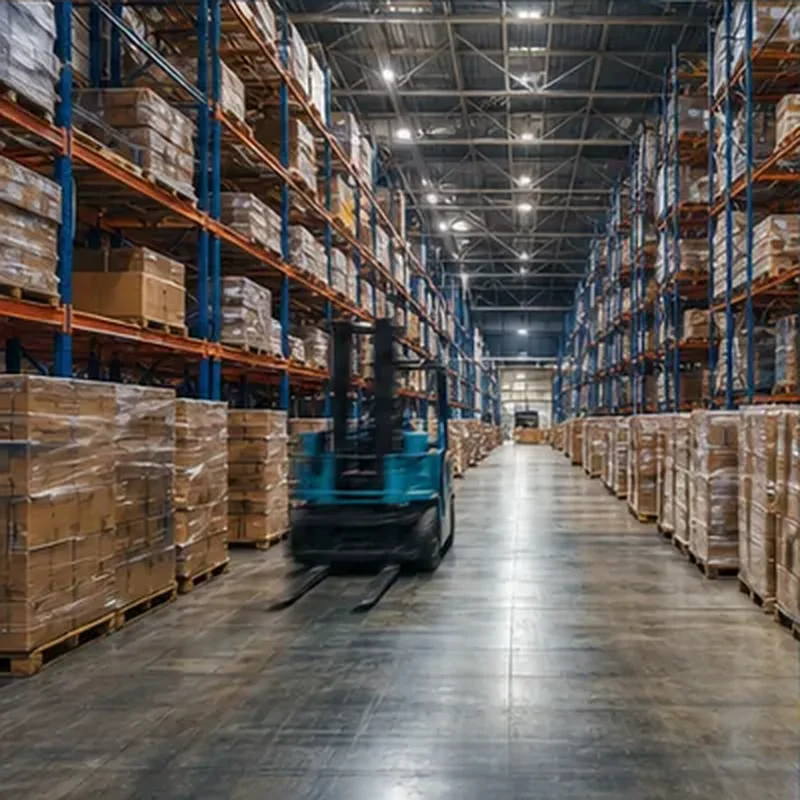
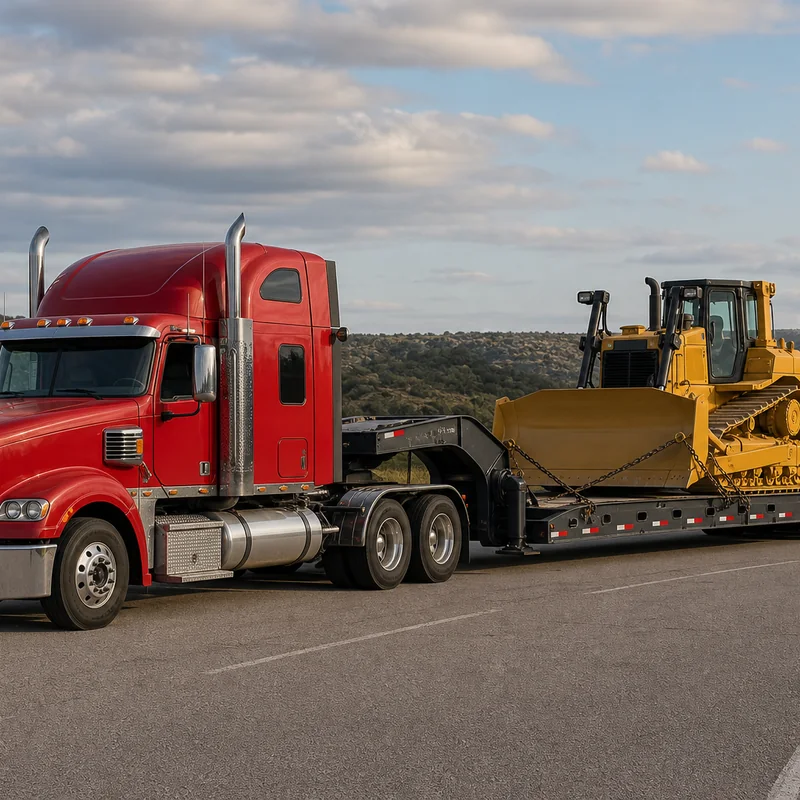
Nearly everything Alaska consumes arrives from outside, meaning retail and grocery inventory, building materials, equipment, vehicles and industrial supplies moving north by barge, ocean vessel or air. Most of it stages at Pacific Northwest terminals first, which is where the domestic freight decision gets made.
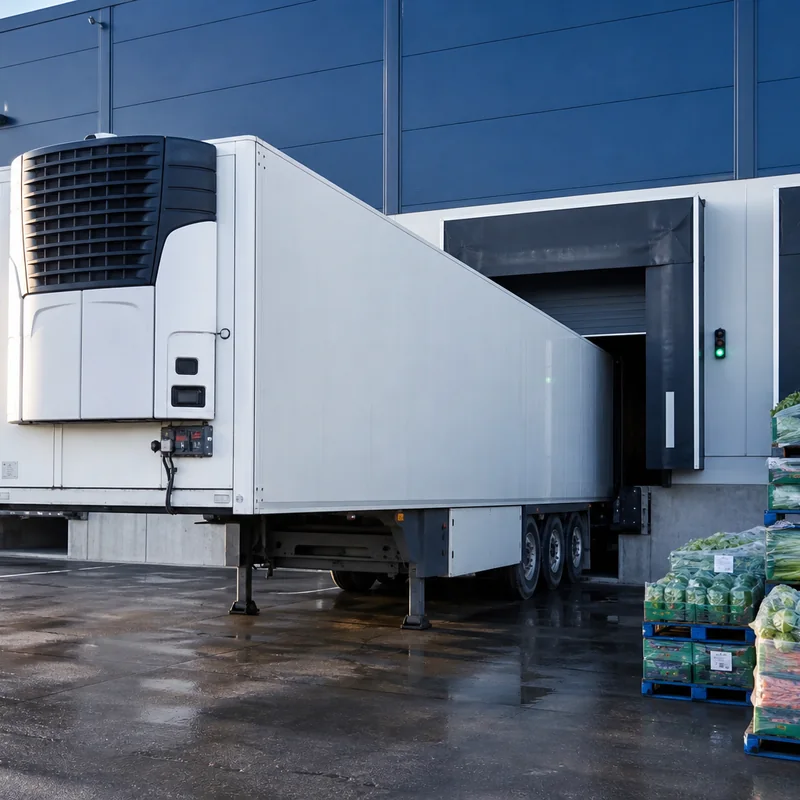
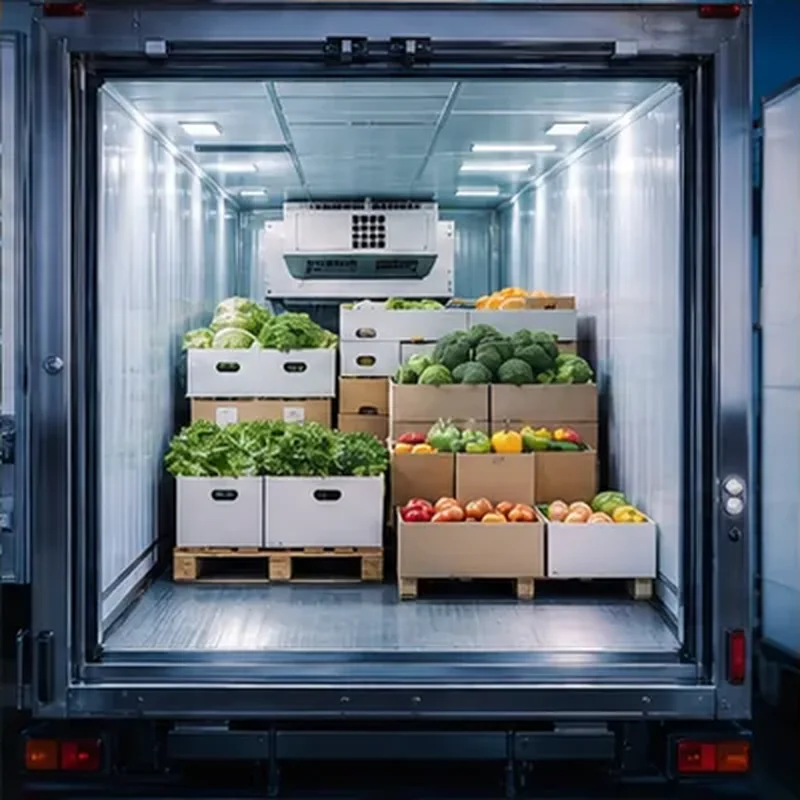
Outbound, Alaska ships seafood in volume, with salmon, crab and whitefish moving south on refrigerated equipment and by air, plus energy and resource-related freight moving through specialized channels. Both directions run on schedules that do not wait, since a missed barge means a week and a missed flight means a spoiled load.
How the legs connect
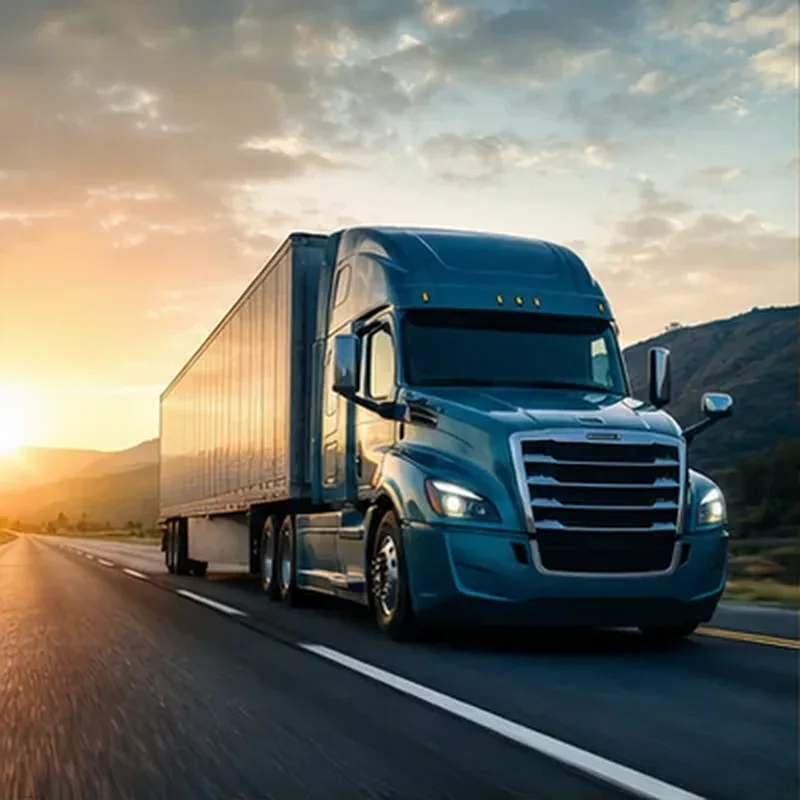
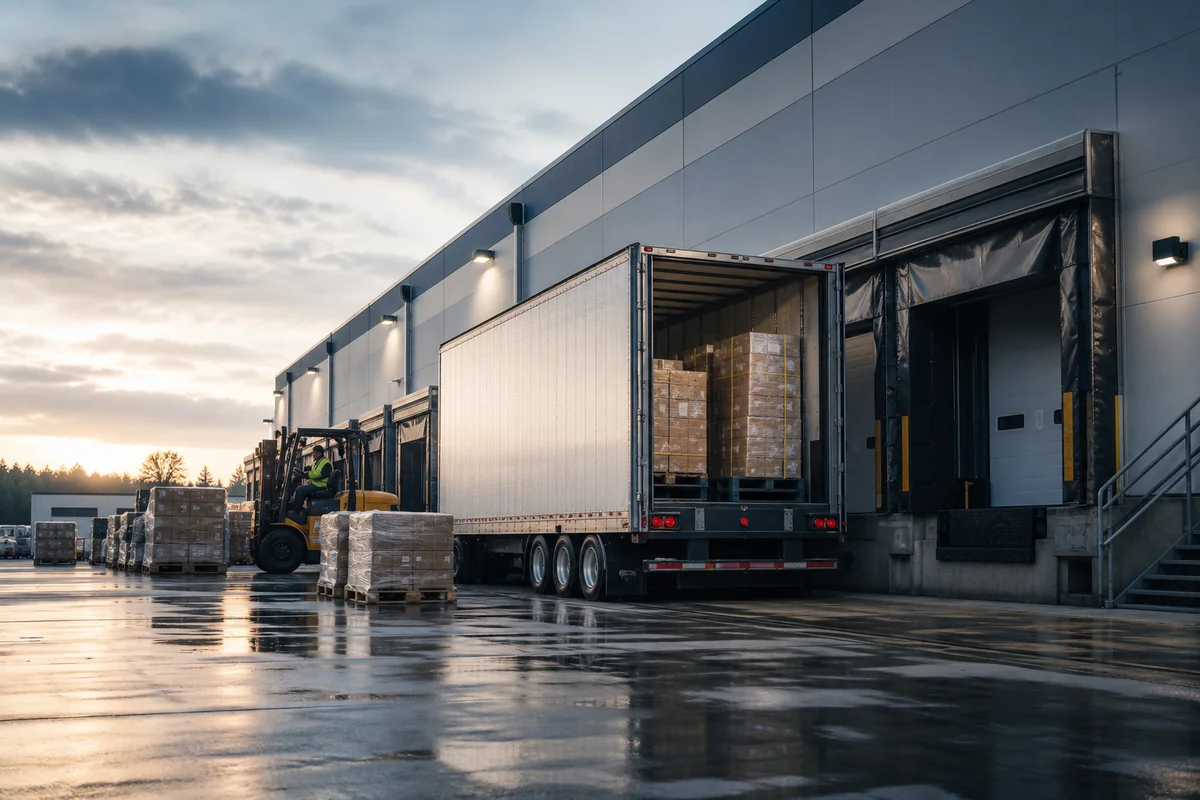
The practical Alaska freight question is almost always about the domestic side, meaning getting cargo from an origin anywhere in the Lower 48 to the right Seattle-Tacoma terminal, port or airport before the cutoff. Barge and ocean services run on fixed schedules with firm receiving deadlines, and air cargo operates on its own tender cutoffs.
Once cargo lands in Alaska, distribution runs through local and regional operators serving Anchorage, Fairbanks and the communities beyond, most of which are reached by road, air or water depending on location and season.
Freight Flex and Alaska freight
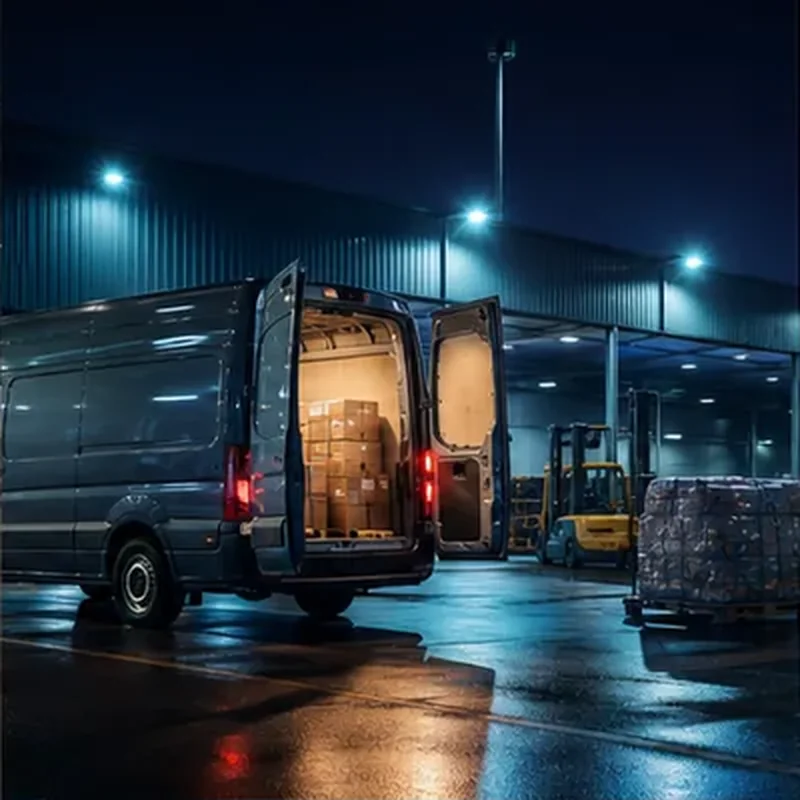
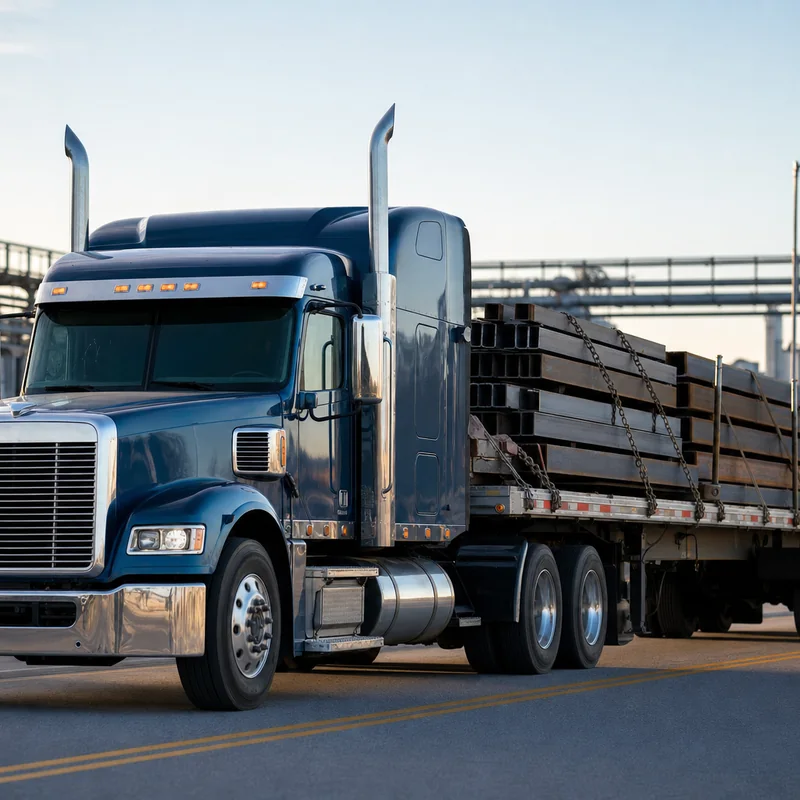
Freight Flex coordinates the domestic legs, meaning Full Truckload (FTL) and Less Than Truckload (LTL) freight to Pacific Northwest terminals timed to sailing cutoffs, Temperature-Controlled capacity for seafood moving south and perishables moving north, Expedited equipment when a cutoff is at risk and Air Freight coordination under our TSA Certified Indirect Air Carrier status. Carrier compliance tools and an agent success team available 24/7 support the move.