What moves through Seattle-Tacoma
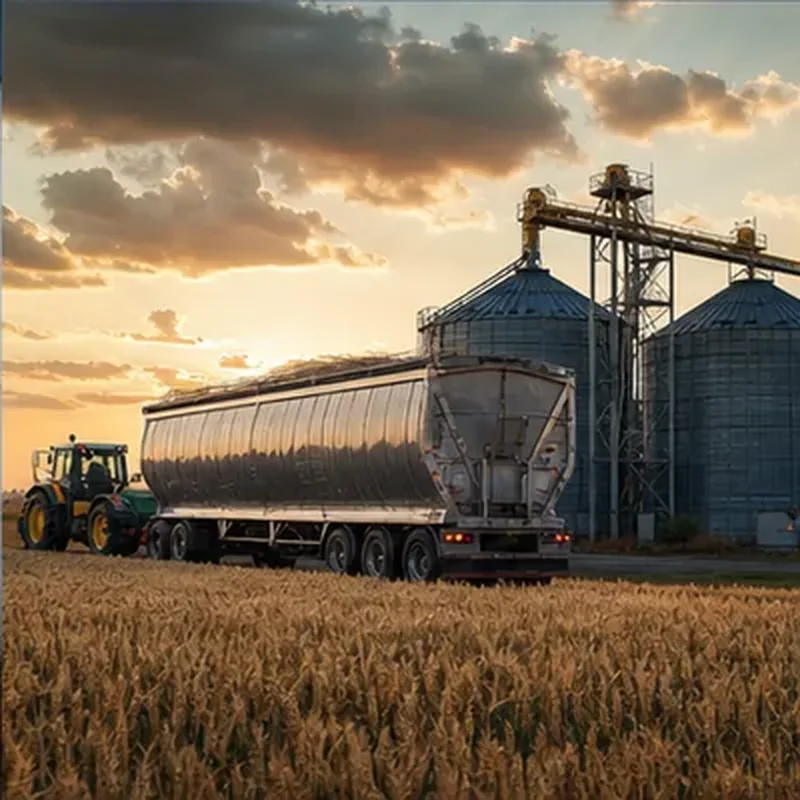
The Puget Sound terminals land the Northwest's import economy, meaning retail and ecommerce inventory, consumer goods and components flowing off transpacific services into the region's distribution networks and onward by rail to the interior. The export side runs just as hard, with Washington's agricultural economy shipping apples, hay, potatoes and processed food to Asia, forest products moving through the gates and the region's manufacturing, anchored by one of the world's great aerospace clusters, feeding components and finished goods both directions.
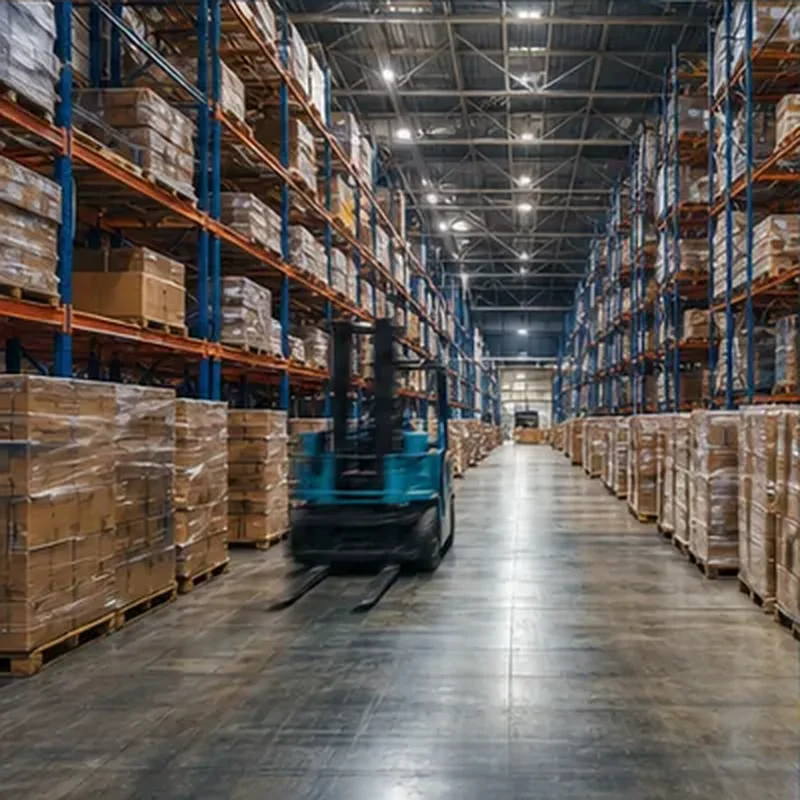
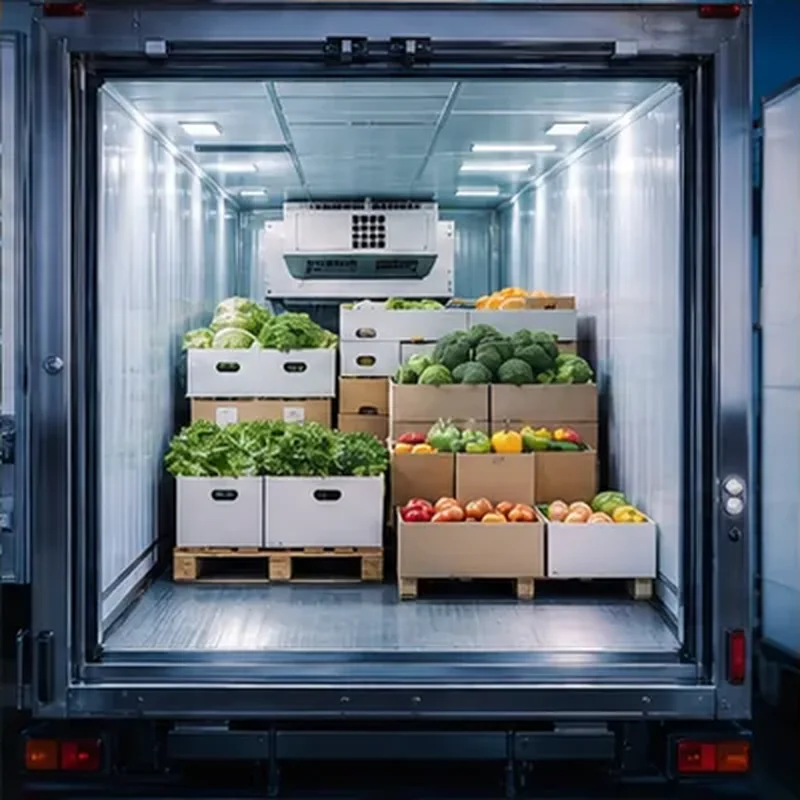
Around the gateway runs a major metro economy in its own right, with distribution serving four million people, food networks moving the state's harvest and a manufacturing base that ships precision freight with precision expectations.
The corridors that carry it
I-5 carries the coastal spine from the border at Blaine down through Portland and to California, and I-90 runs east over the passes, connecting the Sound to the agricultural interior and the northern transcontinental lanes. The passes are the planning constant, since winter closures and chain requirements shape eastbound schedules for months at a time, and freight that budgets for the mountains keeps its promises while freight that ignores them apologizes.
Freight Flex in Seattle-Tacoma
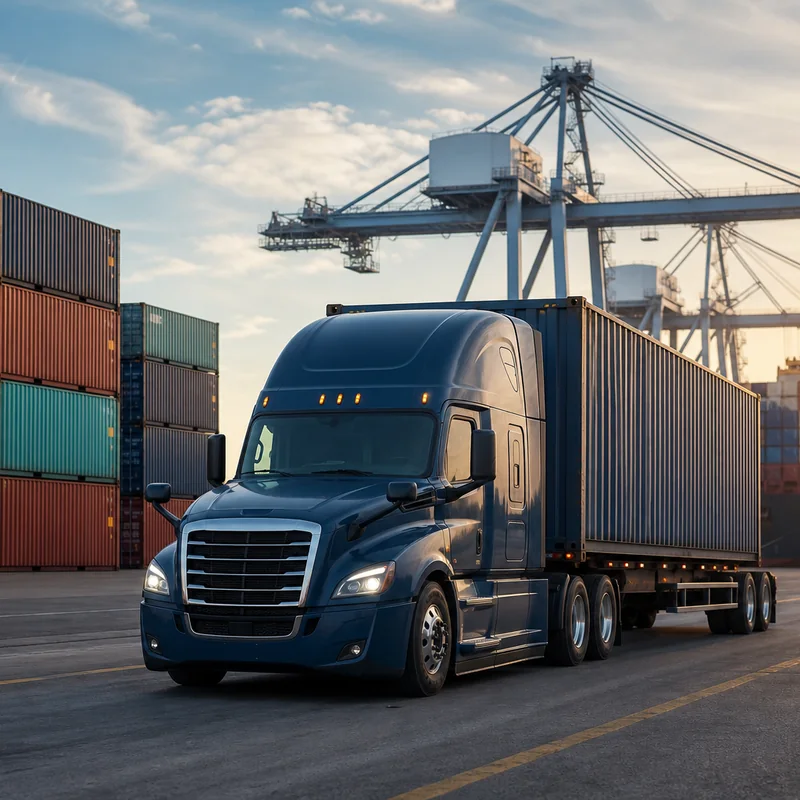
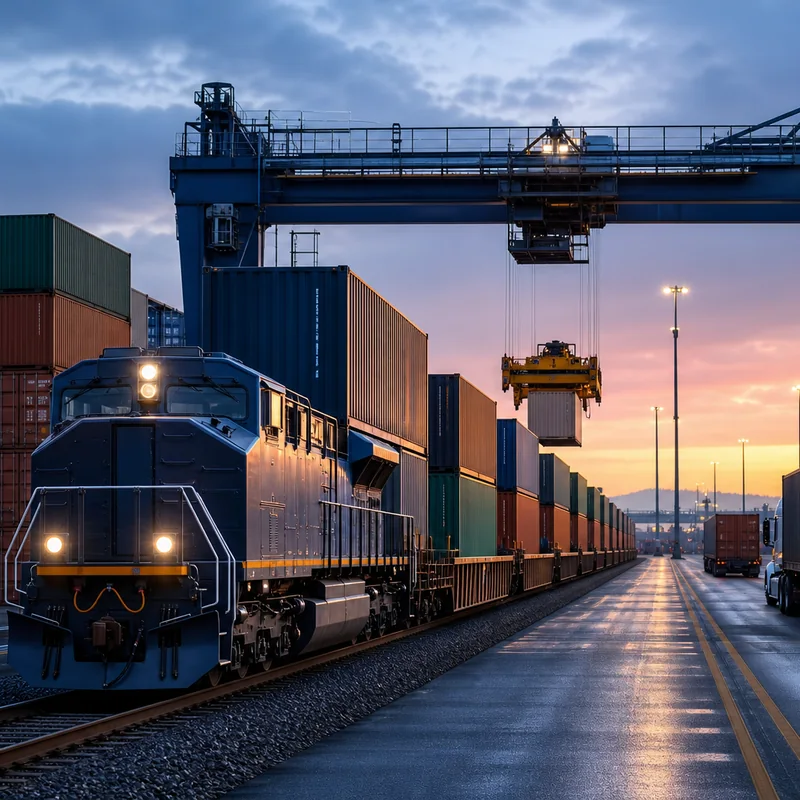
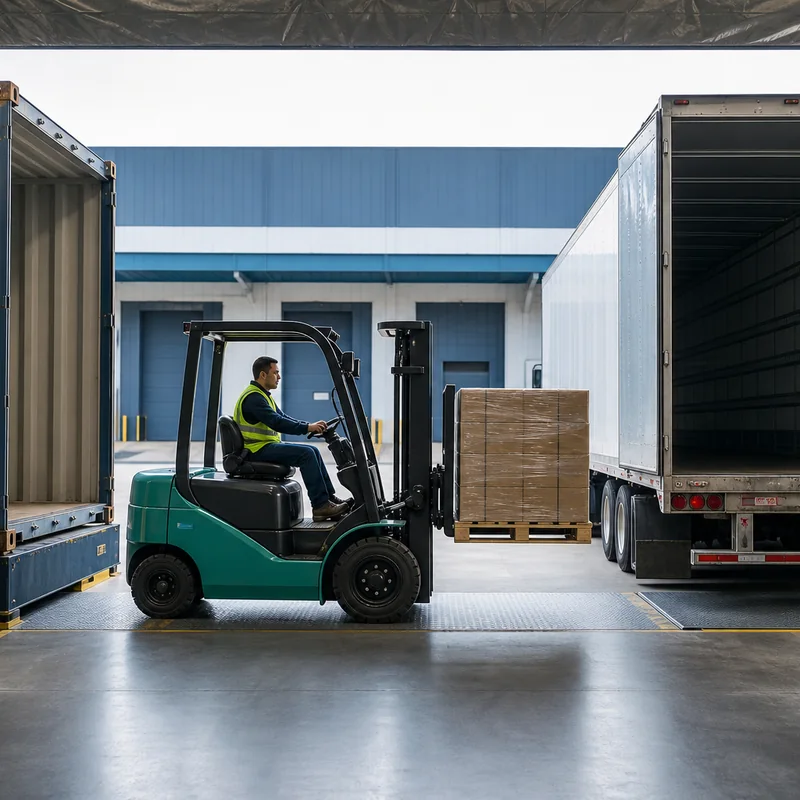
Freight Flex coordinates Drayage at the Seattle and Tacoma terminals with interchange at every steamship line, Transloading converting import boxes to regional distribution, Intermodal moves connecting the gateway to the interior, Full Truckload (FTL) coverage across the I-5 and I-90 lanes and Expedited equipment for the schedules the mountains and the market compress. Carrier compliance tools and an agent success team available 24/7 support the move.