What moves through Oregon
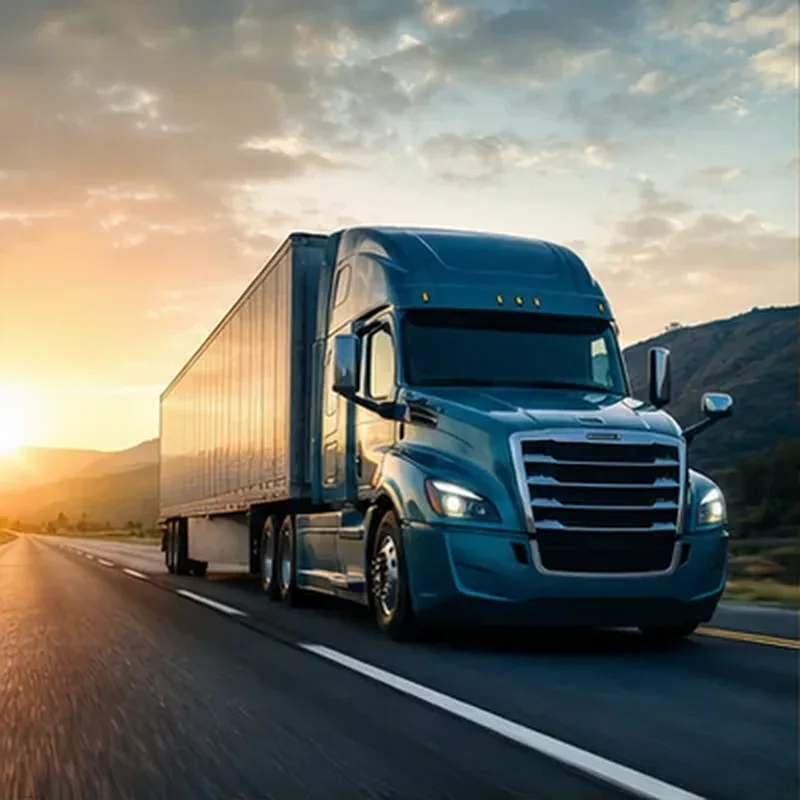
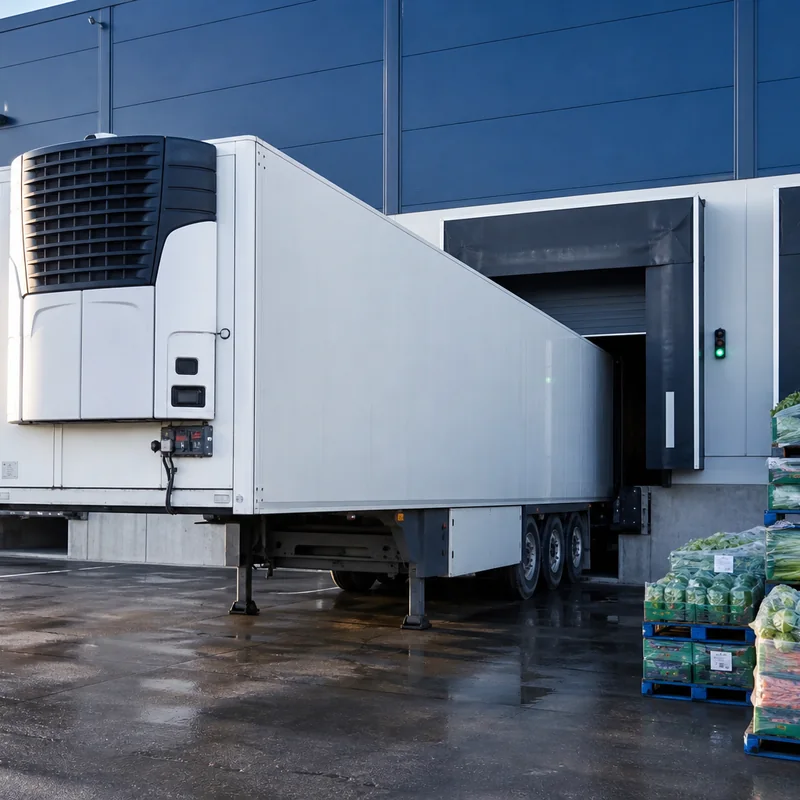
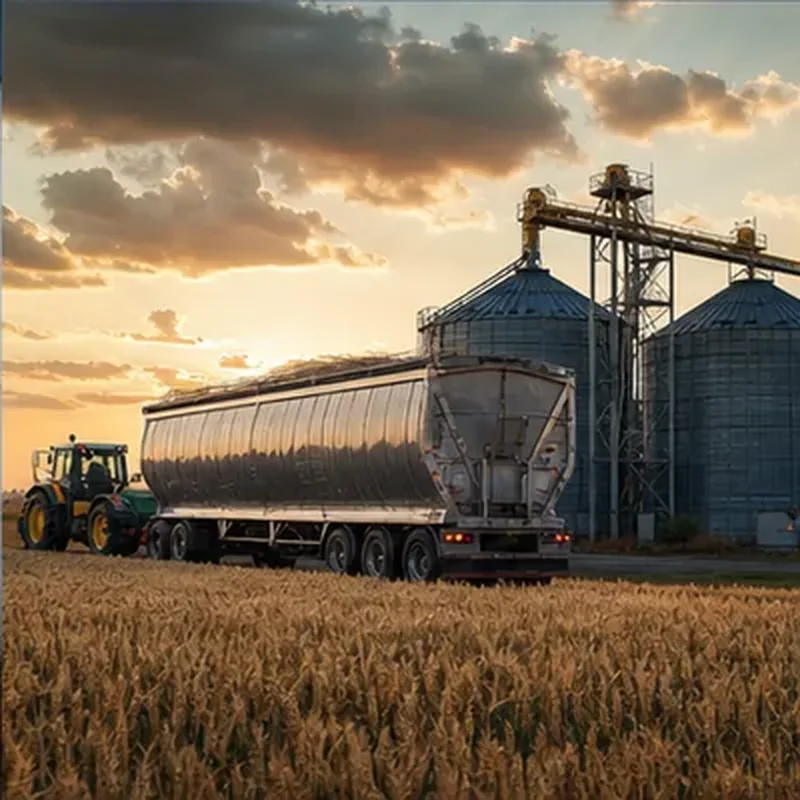
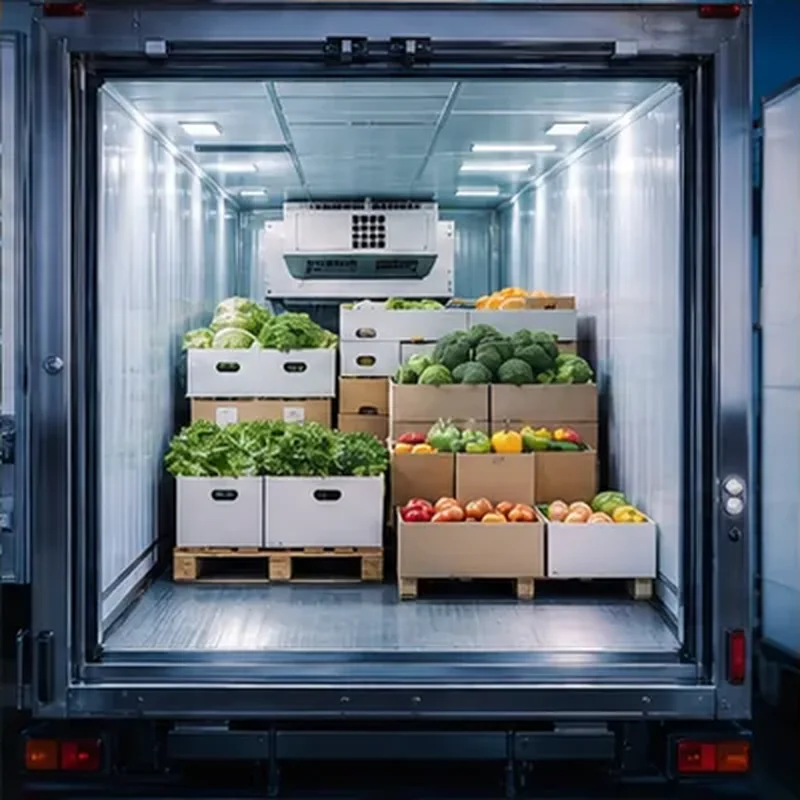
Agriculture and food processing anchor the state's refrigerated freight, with the Willamette Valley shipping nursery and greenhouse products, berries, wine, hazelnuts, grass seed and processed foods, and the eastern counties adding potatoes, onions and cattle. Much of it moves on tight seasonal windows with cold chain requirements attached.
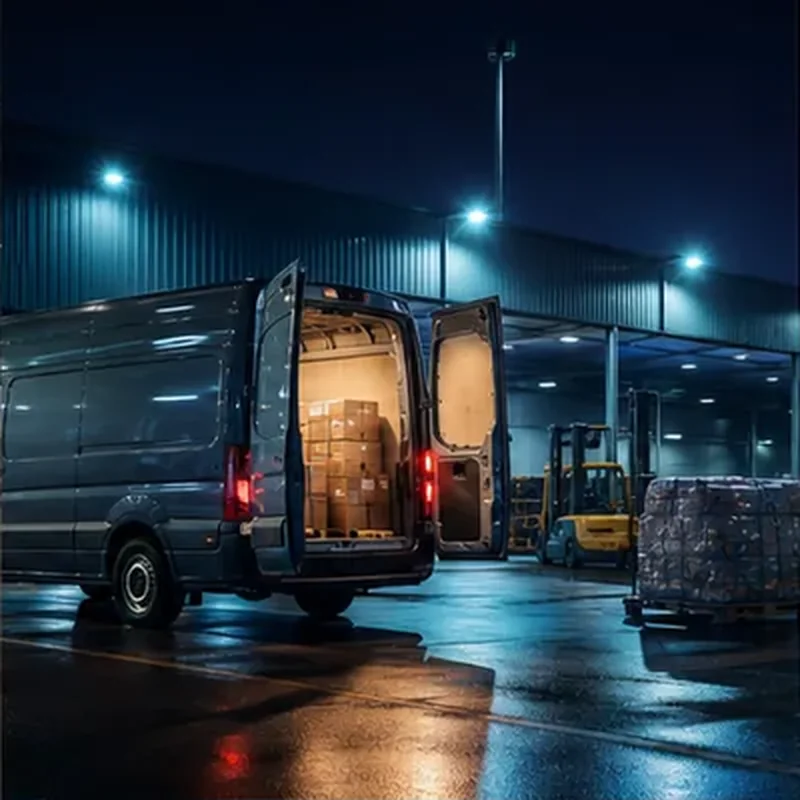
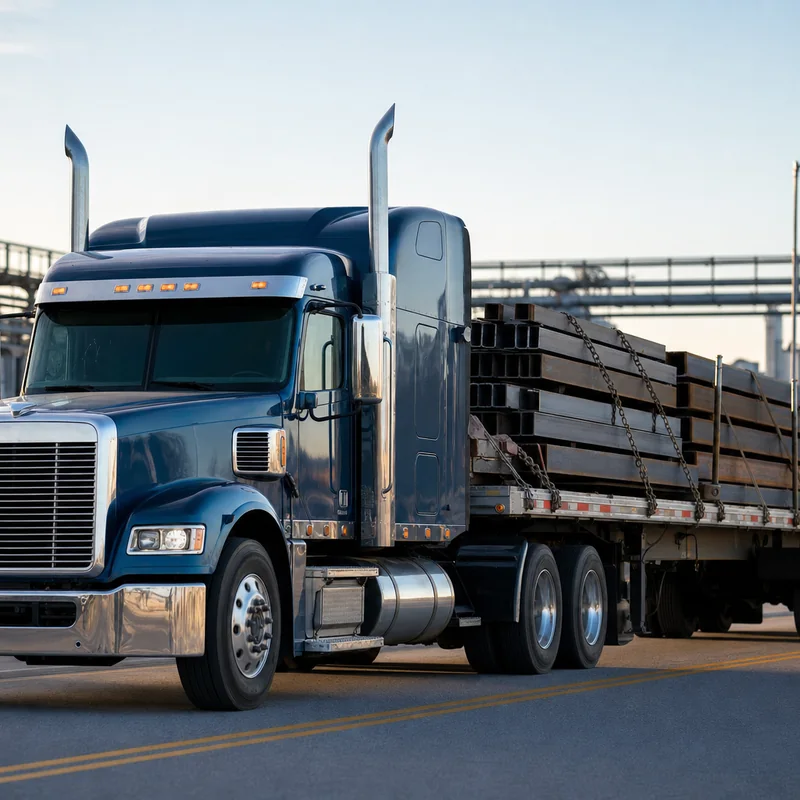
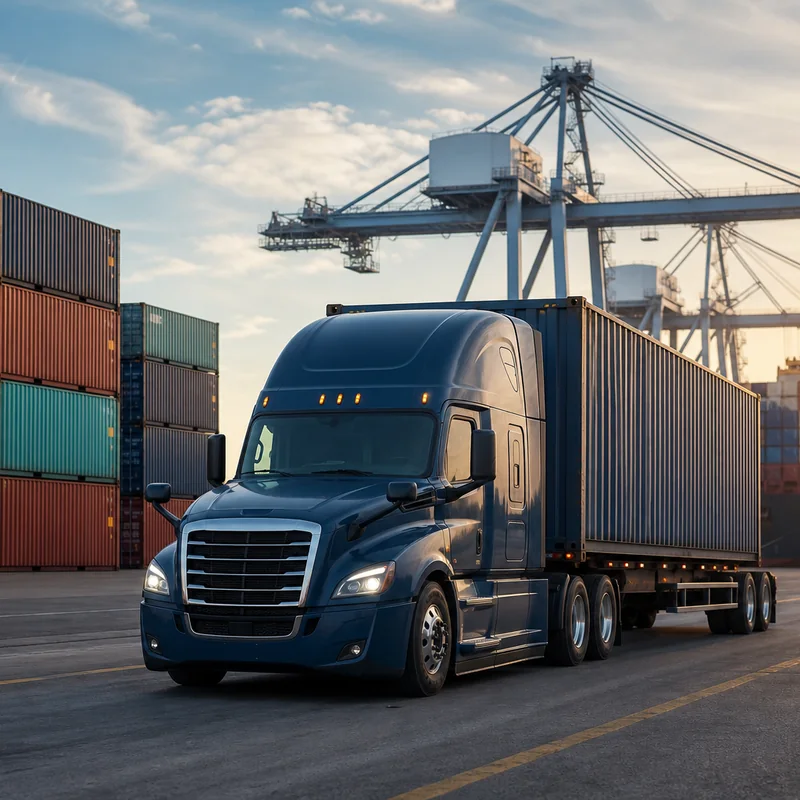
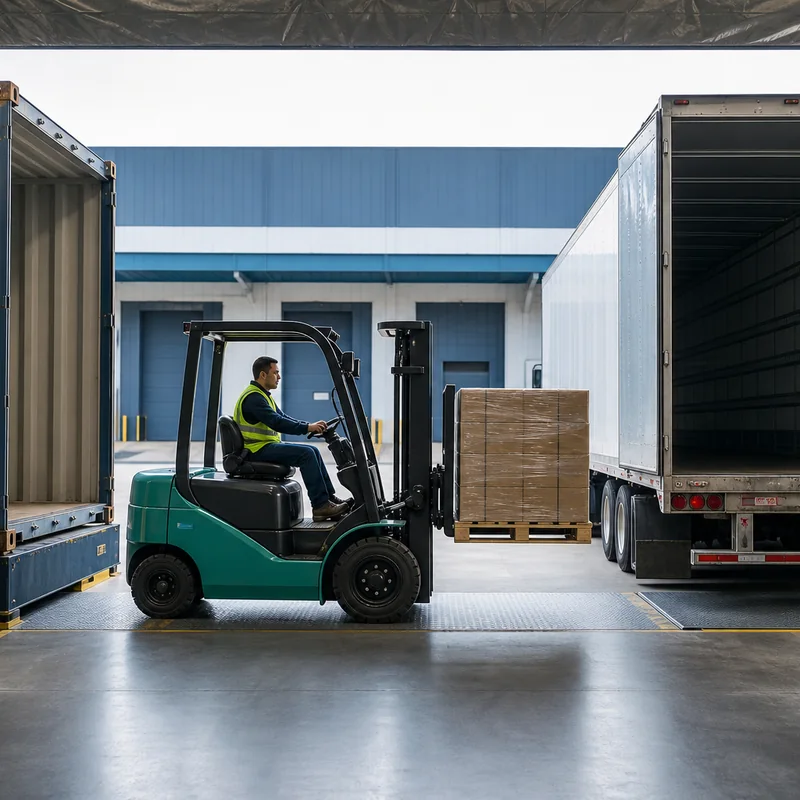
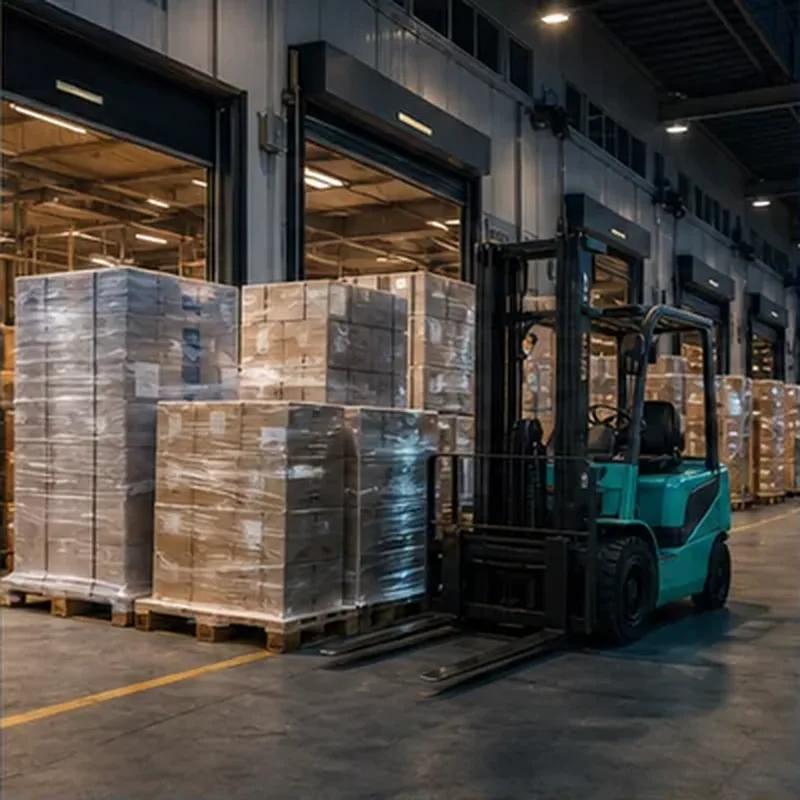
Forest products and building materials ship from timber regions on open decks, technology hardware manufacturing adds high-value freight around the Portland corridor, and distribution serves a population concentrated along I-5. River terminals handle bulk, breakbulk and vehicle cargo connecting Columbia commerce to the ocean.
The corridors that carry it
I-5 runs the state's spine from Washington to California, carrying nearly all its distribution and most of its population, I-84 climbs east through the Columbia River Gorge toward Idaho and US-97 serves the central interior. The gorge is the state's distinctive constraint, with winter conditions there reshaping eastbound schedules for months at a time.
Freight Flex in Oregon
Freight Flex coordinates Temperature-Controlled capacity for agriculture and food processing, Flatbed capacity for forest products and building materials, Full Truckload (FTL) and Less Than Truckload (LTL) coverage along the corridor, Drayage and Transloading connecting the Puget Sound gateway and Expedited equipment for technology and time-critical freight. Carrier compliance tools and an agent success team available 24/7 support the move.