Washington

Washington Freight

Washington lands Asian imports on one side of the mountains and grows the country's apples on the other, with aerospace manufacturing threading between. Freight Flex coordinates Washington freight across the passes and the ports, with vetted carriers on every lane.

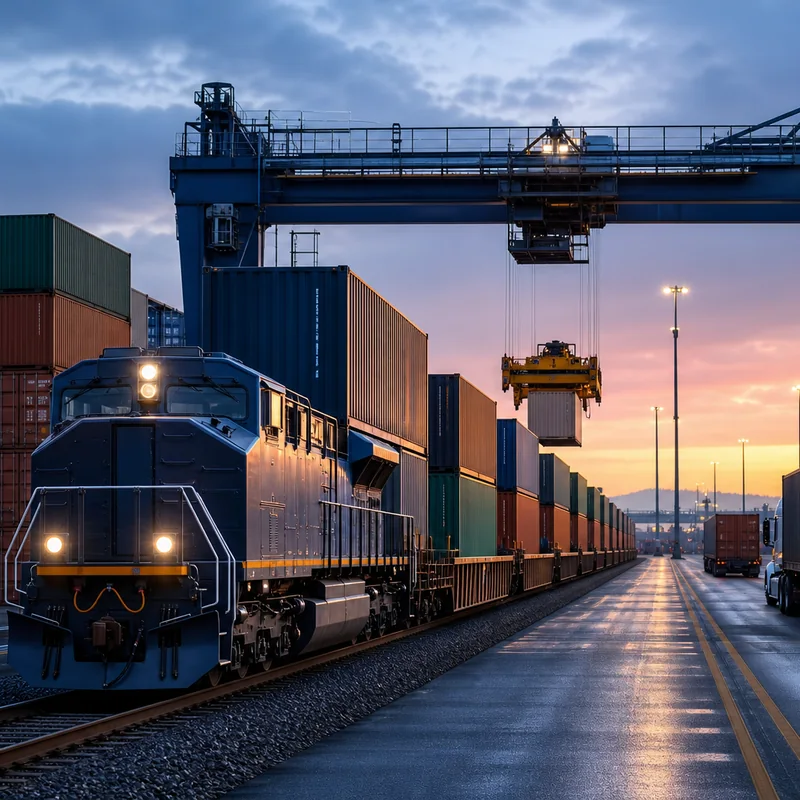
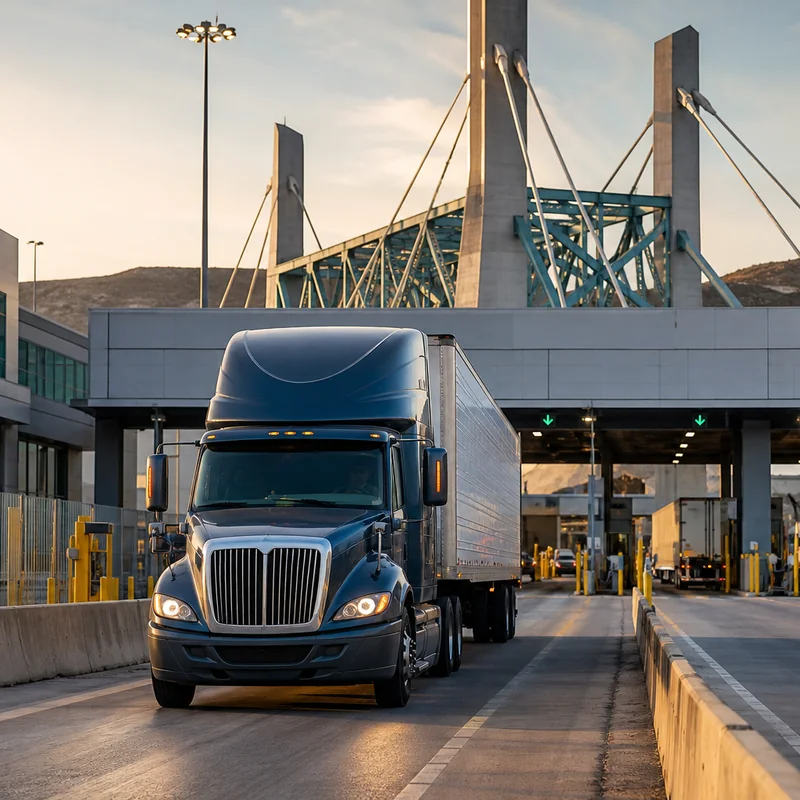
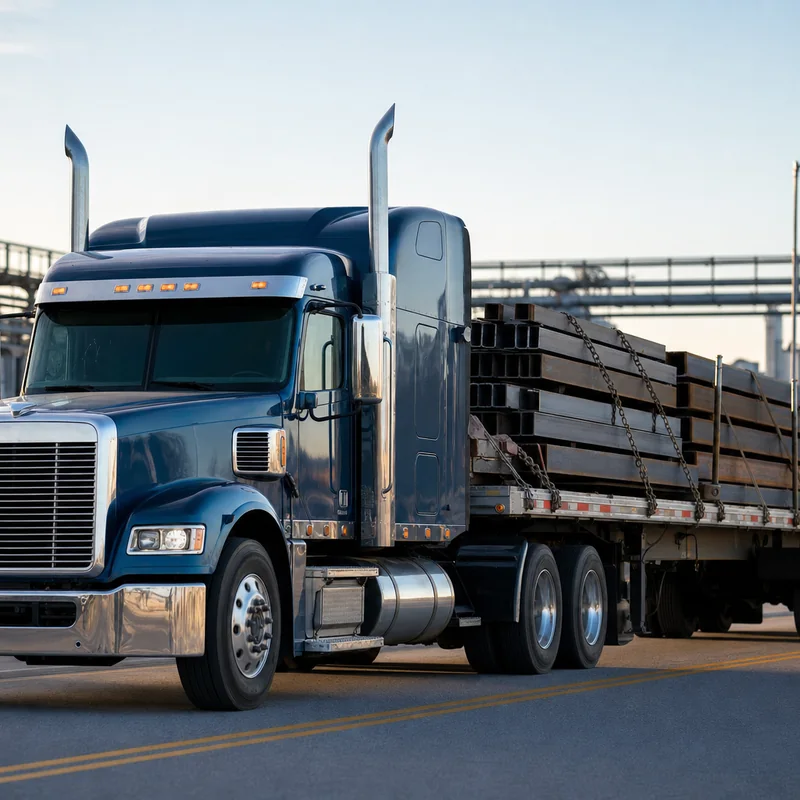
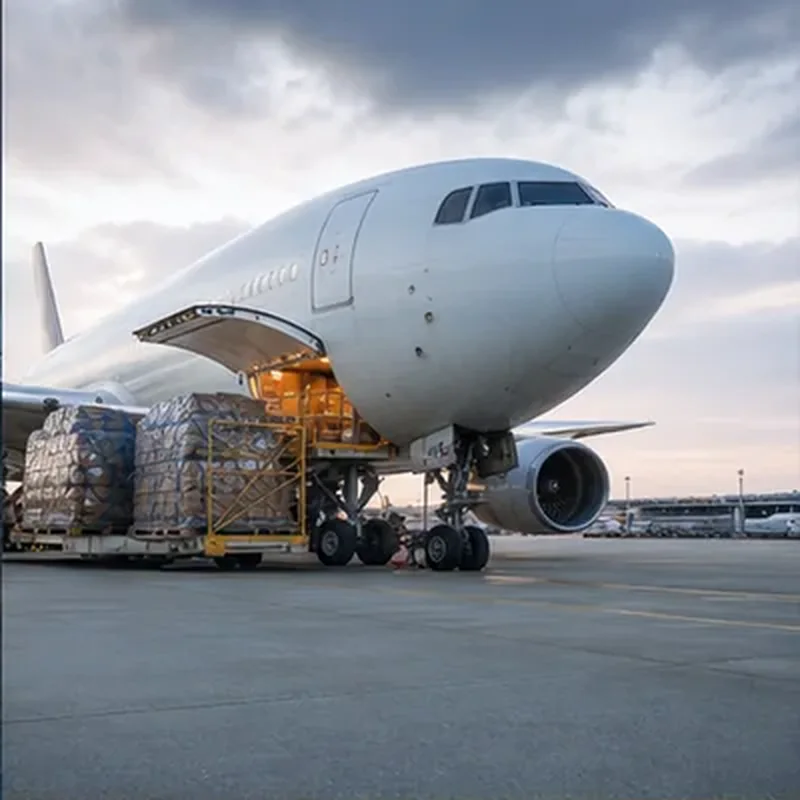
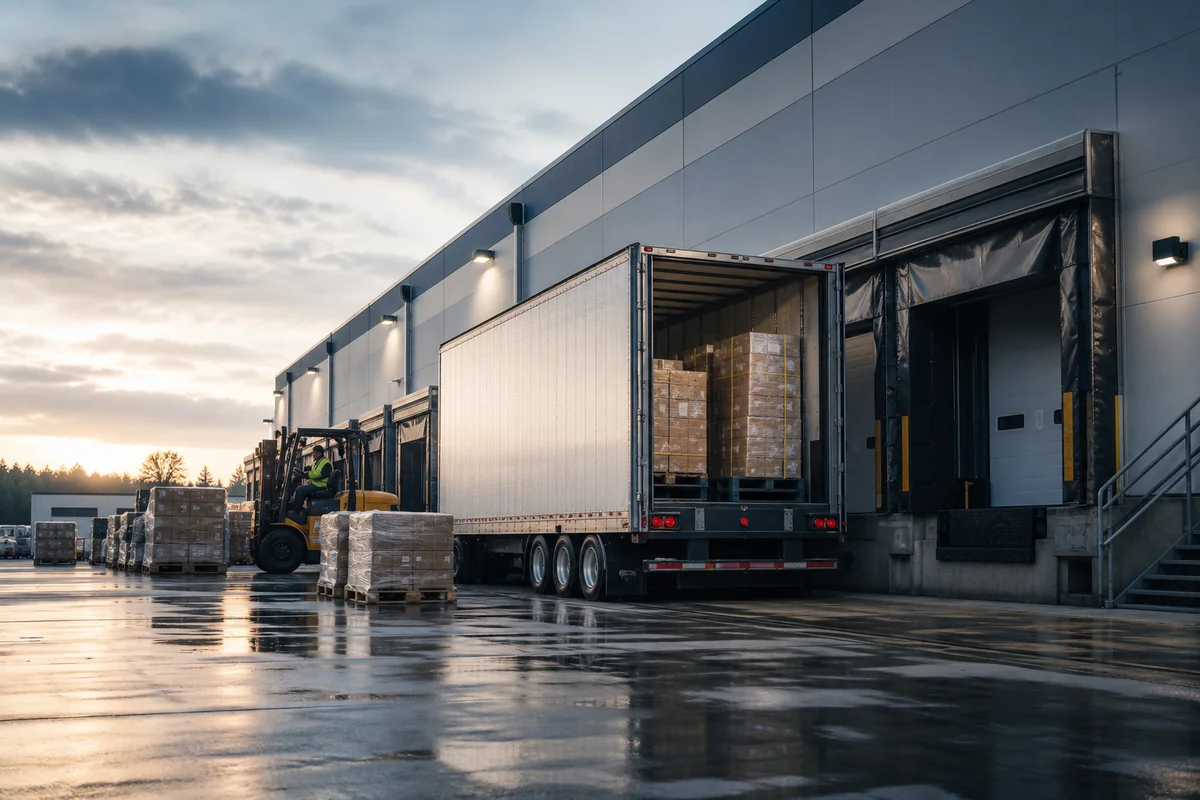
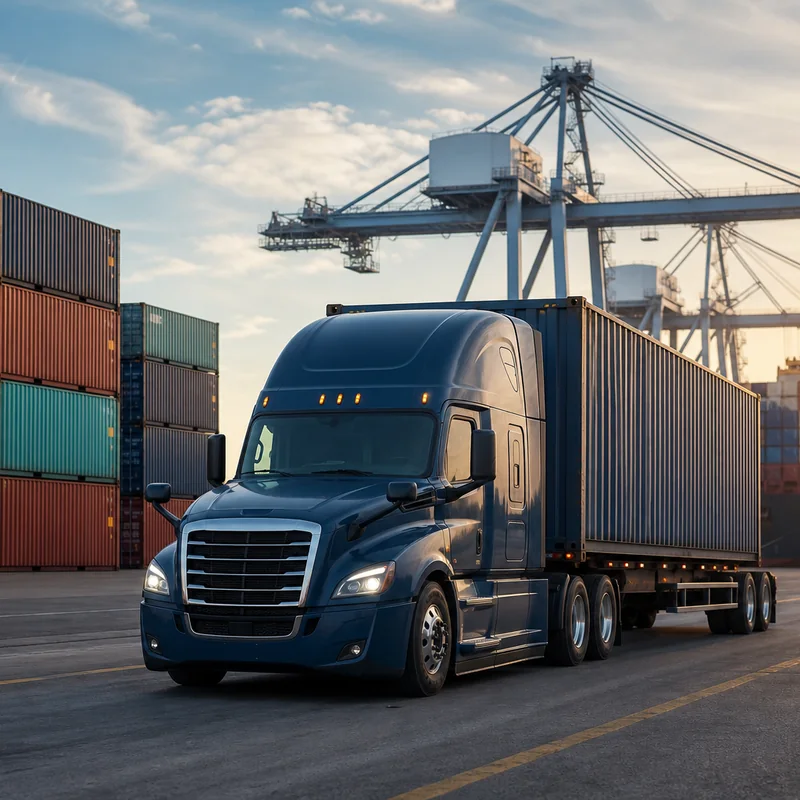
Container terminals and agricultural freight corridors across Washington state
The Washington Market

Freight coordination across the Cascades. Ports west, orchards east.

Washington is really two freight states, meaning the Puget Sound gateway and metro economy west of the Cascades and the agricultural interior east of them, connected by passes that keep their own schedule. Freight Flex coordinates both.

What moves through Washington

West of the mountains, the Seattle-Tacoma terminals land transpacific imports and load one of America's strongest export economies, with retail and ecommerce distribution serving the metro and aerospace manufacturing shipping precision freight in both directions. The Canadian border at Blaine adds cross-border volume.

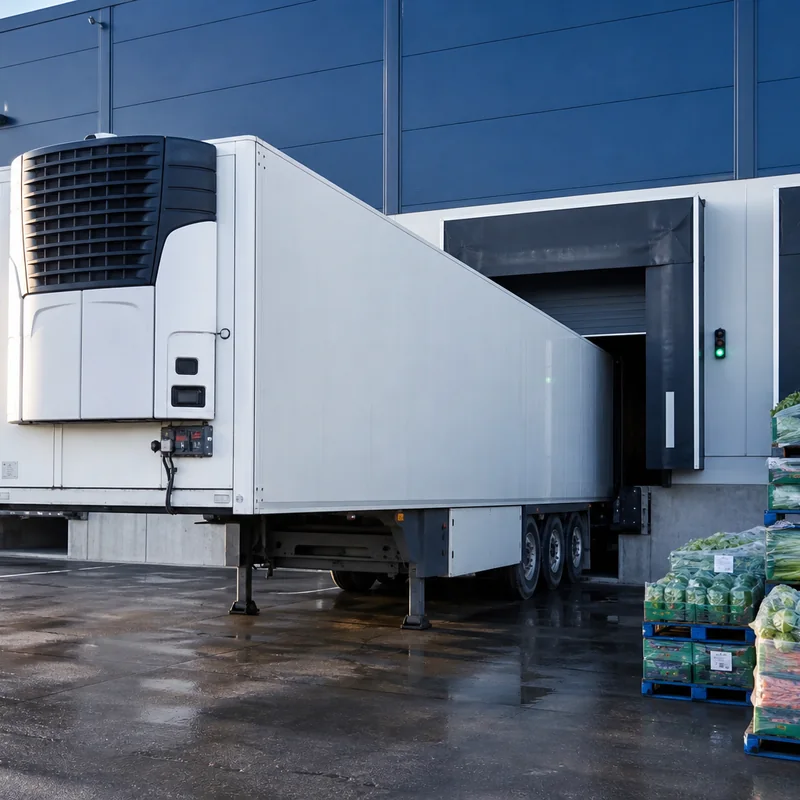
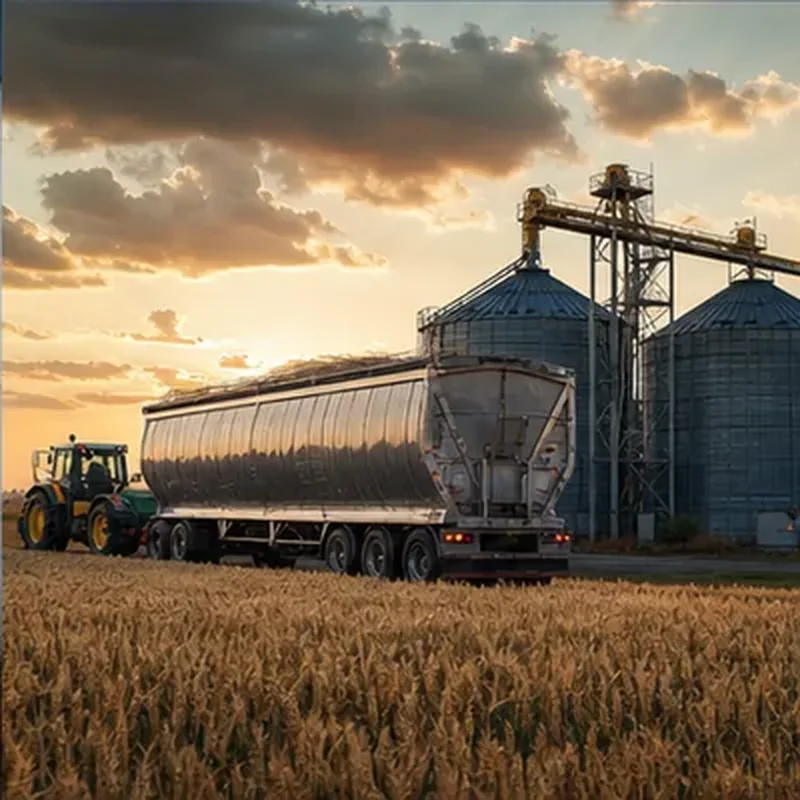
East of the Cascades, Washington runs agriculture at national scale, shipping apples, cherries, hops, potatoes, hay and wine on refrigerated equipment to domestic markets and out through the ports to Asia. Food processing operates across the interior, and the region's freight moves on a calendar the harvest sets rather than the market.

The corridors that carry it

I-5 runs the coastal spine from the Canadian border south through Seattle and Portland, I-90 crosses the Cascades east toward Spokane and the northern transcontinental lanes and I-82 serves the Yakima Valley agricultural corridor. The mountain passes are the state's structural constraint, since winter conditions on I-90 shape eastbound and westbound schedules for months.

Freight Flex in Washington

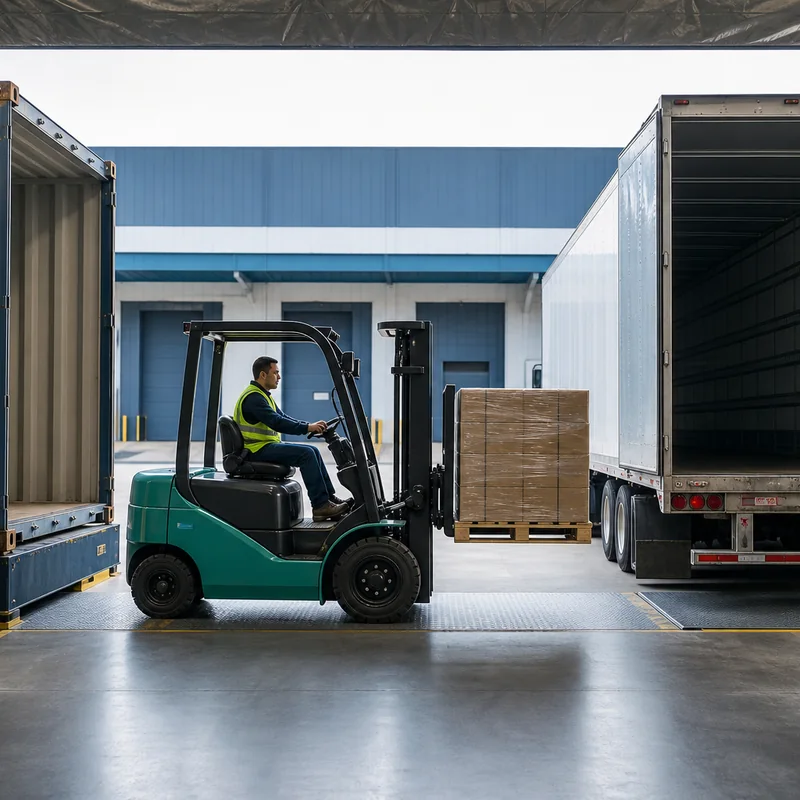
Freight Flex coordinates Drayage and Transloading at the Puget Sound terminals, Temperature-Controlled capacity for the agricultural economy, Full Truckload (FTL) and Less Than Truckload (LTL) coverage statewide, Intermodal moves connecting the gateway inland, Cross-Border programs at the northern crossings and Expedited equipment for aerospace and time-critical freight. Carrier compliance tools and an agent success team available 24/7 support the move.
Built for the Harvest

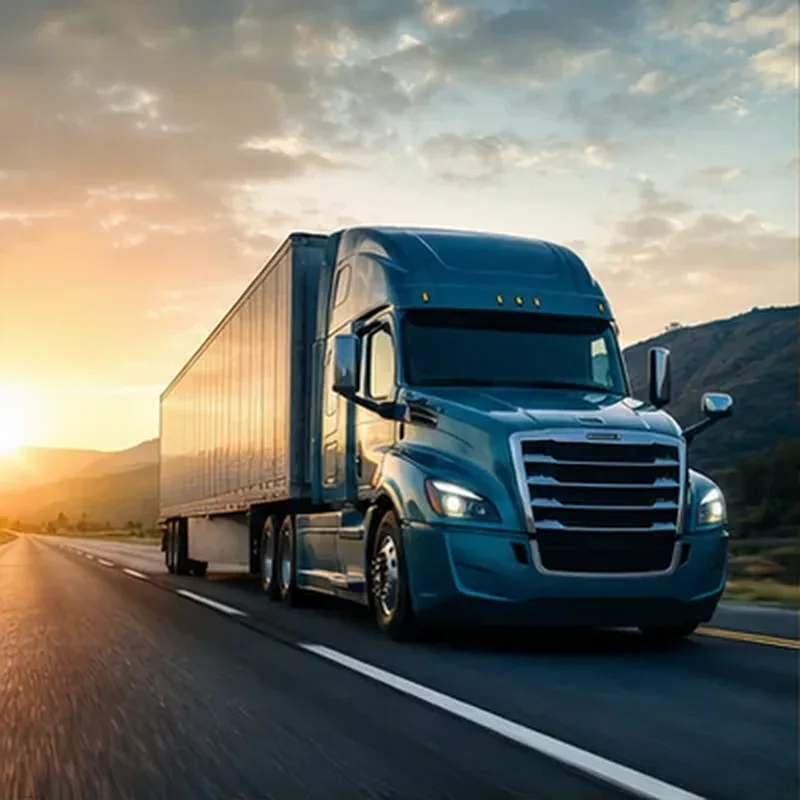
Apple, cherry and hay seasons hit hard and fast, and reefer capacity gets committed early with setpoints confirmed on every dispatch.

Gateway Both Directions

Imports planned before the vessel berths and exports sequenced against cutoffs, because in this state the loaded box leaving matters as much as the one arriving.

Compliance on Every Lane

Carrier compliance tools support shipment security, backed by an agent success team available 24/7. Mountain lanes never lower the bar.

The Freight Flex promise

The passes never break your promise. Build With Flex.

For every shipper moving Washington freight, Freight Flex commits to planning port moves before vessels berth, sequencing exports so the harvest makes its sailings and budgeting mountain conditions into every eastbound schedule. Agricultural cold chains get protected from orchard to receiver, and the geography that divides this state gets planned rather than complained about.

0+
Shipments Coordinated
#0
Inc. 5000 Fastest-Growing Private Companies
0
States of Nationwide Coverage
0+
Freight Flex Offices
Operating standards

Washington freight standards. Vetted. Verified. Visible.

Freight Flex combines carrier compliance tools with an agent success team available 24/7 to help reduce cargo theft, fraud and claims and support shipment visibility. These standards ride on every Washington load we arrange.

  • Only work with Highway verified Motor Carriers.
  • 1+ year active authority required.
  • Satisfactory or Unrated FMCSA safety rating required.
  • $1M Auto Liability + $100K Cargo Insurance required.
  • VIN verified on every shipment through Highway Load Lock.
  • Live ELD tracking required whenever applicable.
Freight services

The services Washington freight uses most. Ports and orchards.

Washington freight covers two economies. Drayage and transloading work the Sound terminals, temperature-controlled capacity moves the harvest, truckload and LTL carry the statewide distribution, intermodal connects the gateway inland and cross-border coordination handles the northern crossings.

See All Services
Industries

The industries that run on Washington freight. The state's economy.

Washington freight serves distinct economies, meaning agriculture across the interior valleys, manufacturing including aerospace, retail and ecommerce distribution serving the metro, food and beverage processing, building materials and forest products and the forwarders running transpacific programs.

See All Industries
Planning Washington Freight

How shippers plan Washington freight. Two states, one plan.

Washington planning has to serve two very different economies separated by mountains, meaning gateway freight on the west side and harvest freight on the east, with the passes deciding how they connect.

Harvest capacity and the interior's calendar.

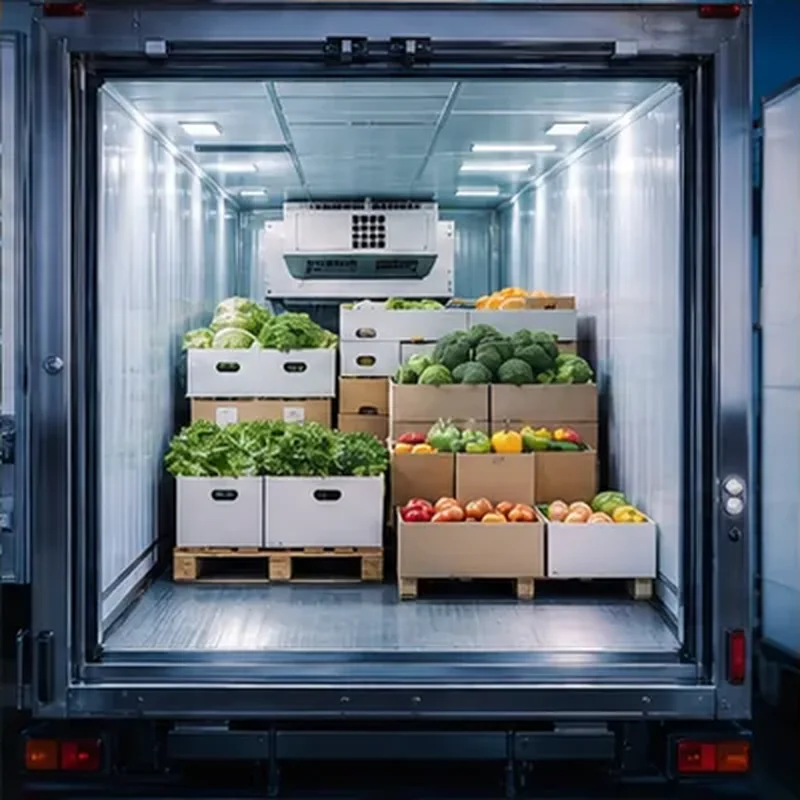
Eastern Washington ships on the crop's schedule, with apple, cherry, hay and potato seasons compressing enormous volume into weeks and tightening reefer capacity across the region on a calendar everyone can see coming. Temperature-Controlled dispatches carry an exact setpoint and run mode with precooling and airflow-conscious loading, since product starts losing value at harvest and receivers check on arrival.

Standing seasonal lanes committed before the surge ride through it while spot-shopped harvest freight competes with the whole region for the same trailers. Export-bound agricultural freight adds vessel cutoffs to the plan, sequencing the inland leg and terminal appointment so the harvest makes its sailing.

Gateway work and the mountain passes.

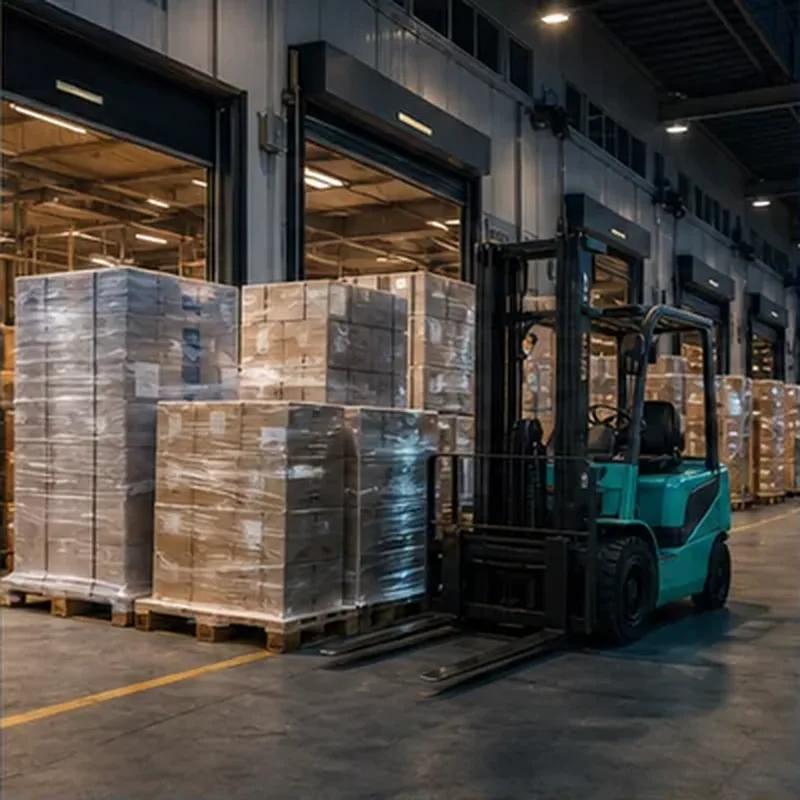
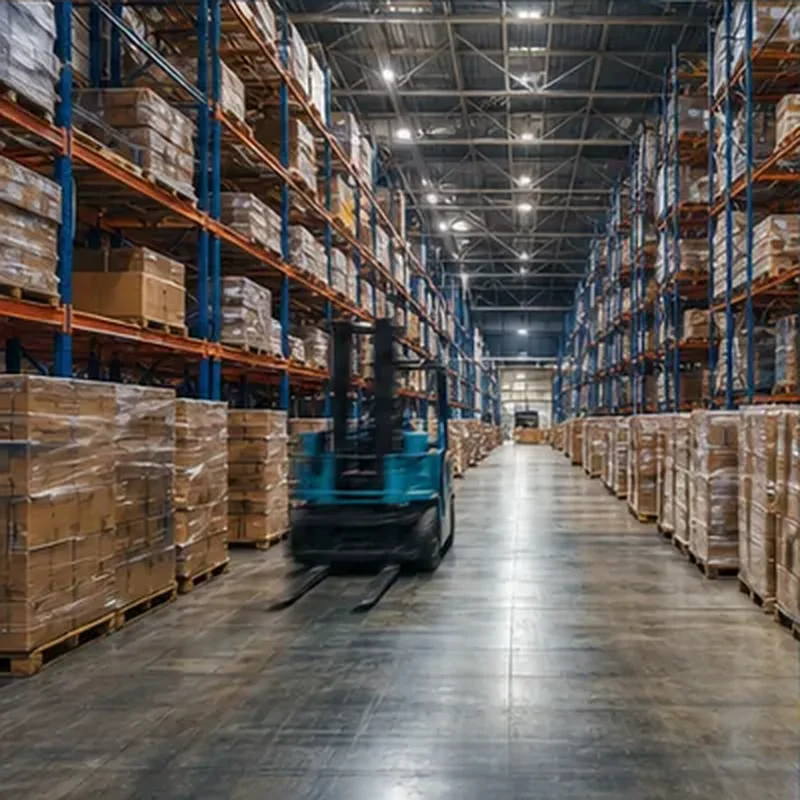
Puget Sound containers follow the standard gateway rule, meaning the Drayage plan exists before the vessel berths with chassis and appointment strategy set, and Transloading converting boxes to regional distribution when cargo splits. Inland-bound freight rides Intermodal through the gateway's rail connections.

Connecting the two halves of the state means crossing the Cascades, and I-90 keeps its own winter calendar with chain requirements, closures and slowdowns from November through spring. Standing Full Truckload (FTL) and Less Than Truckload (LTL) programs carry seasonal buffers, time-critical freight keeps an Expedited recovery priced and northern lanes toward Blaine add Cross-Border coordination for programs reaching British Columbia.

Reviews

What It’s Like to Build With Flex

Leave a Review
Pricing

Ready to Get Started?

Tell us the lane, commodity, weights and dimensions, and any temperature, vessel or crossing requirements. From a harvest program to an import container, we will quote it with the passes and the seasons planned.

Washington shipment details

Get a Washington Freight Quote

Submission received

Your quote request is in.

Thank you. A Freight Flex team member will review your shipment details and follow up shortly.

Build With Flex.