What moves through Phoenix
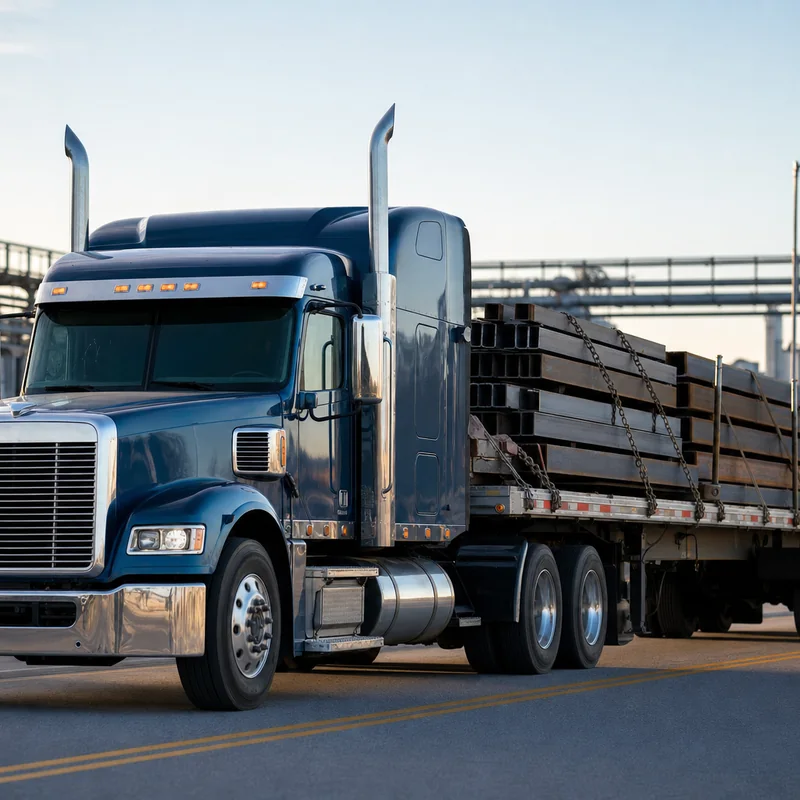
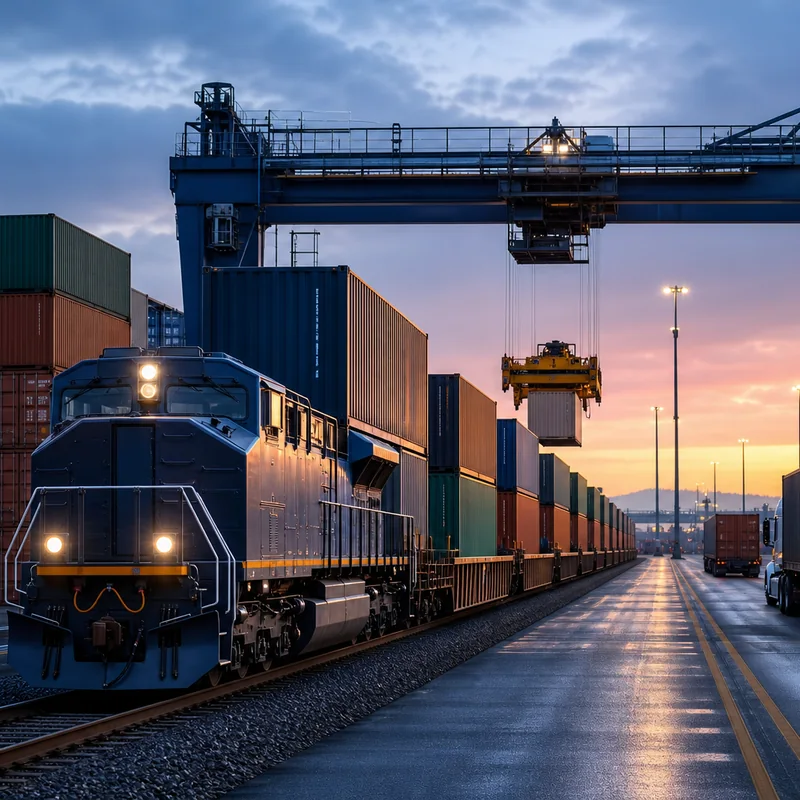
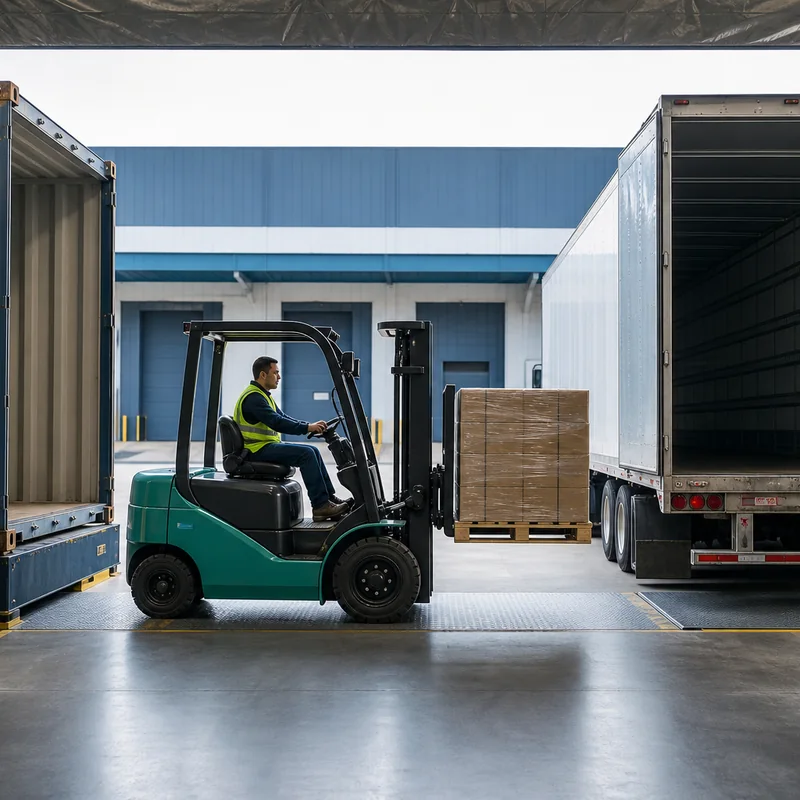
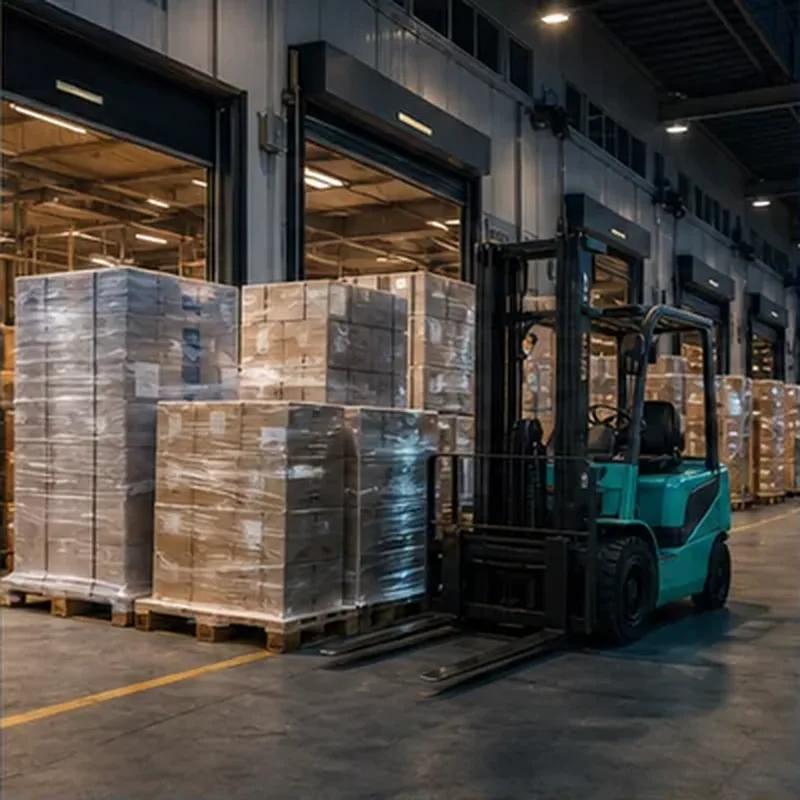
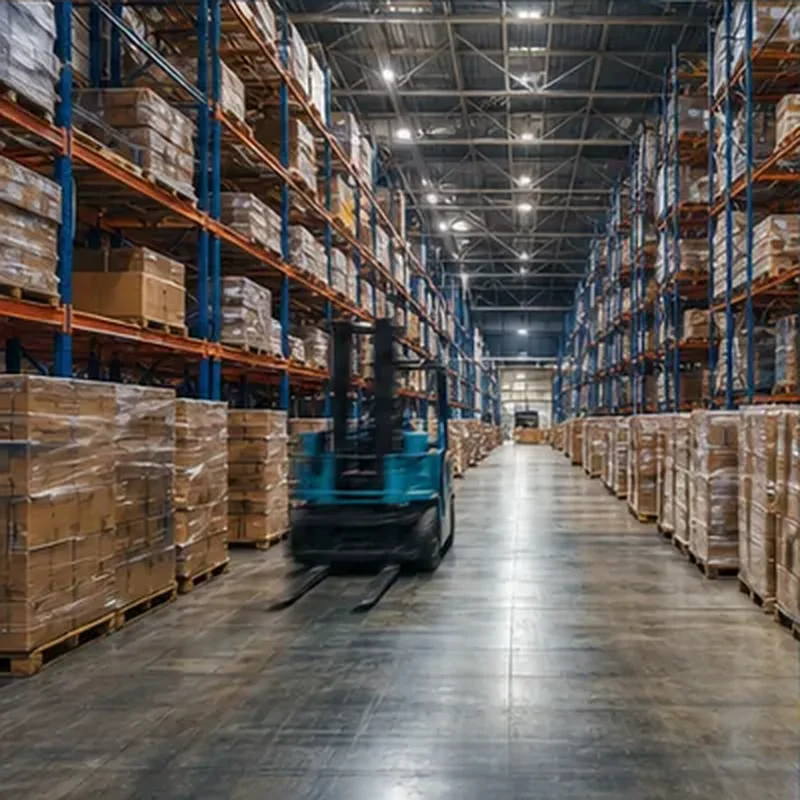
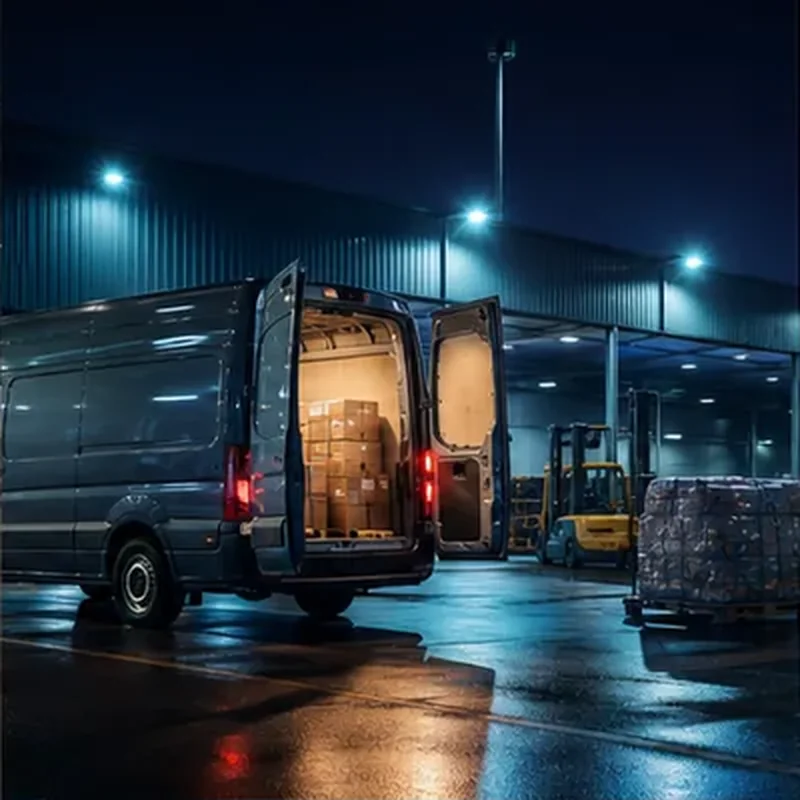
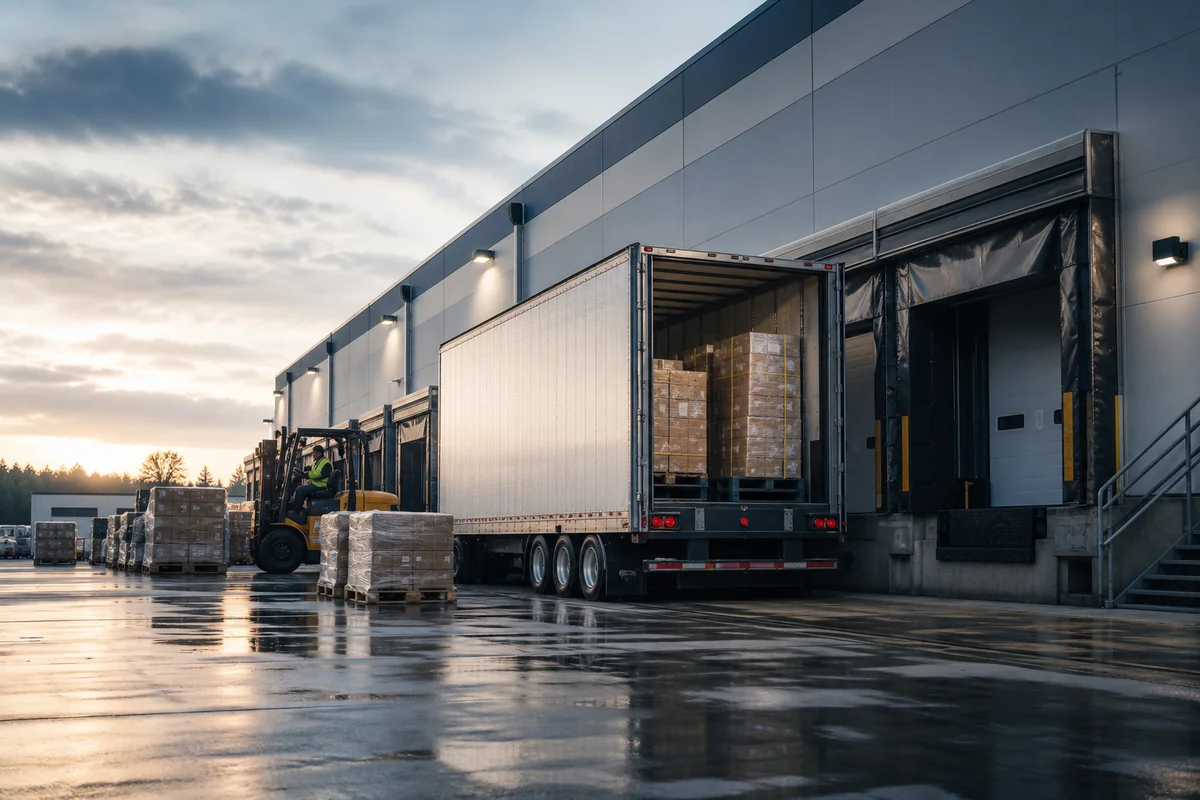
Phoenix freight tells the story of a market growing in several directions at once. Distribution networks have poured into the valley, drawn by warehouse space at a fraction of Inland Empire costs and a location that serves the Southwest overnight, meaning retail and ecommerce inventory, consumer goods and food distribution flowing in from the ports and out to the region. Semiconductor and advanced manufacturing investment has added precision inbound freight and high-value outbound, while data center construction and relentless homebuilding pull equipment, building materials and infrastructure into the valley on open decks.
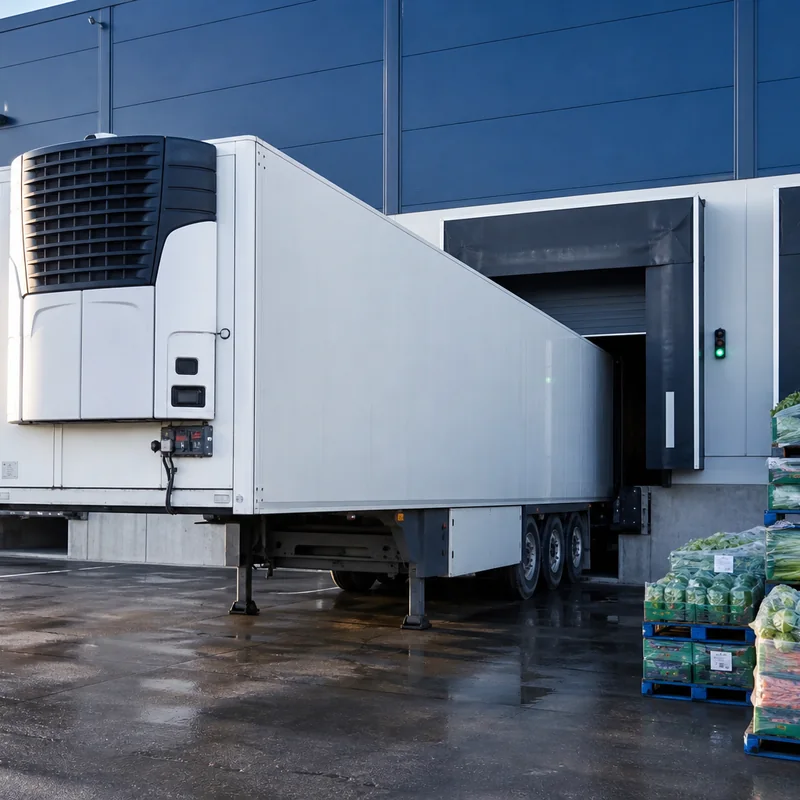
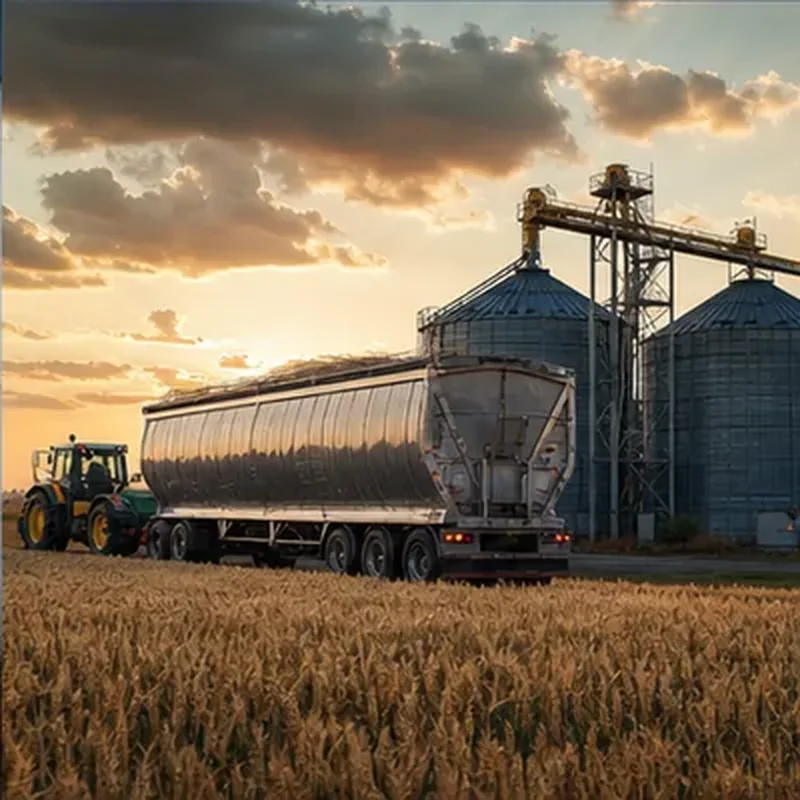
Agriculture runs underneath it all, with produce from central Arizona and the Yuma winter season moving refrigerated freight through the market on the calendar the fields set.
The corridors that carry it
I-10 runs the transcontinental lane through the valley, connecting Phoenix west to the California gateway in a single drive and east toward El Paso and Texas, while I-17 climbs north toward Flagstaff and the mountain corridor and I-8 runs southwest to Yuma and the border region. That geometry makes Phoenix the natural first stop inland from the ports, and it makes California proximity the market's defining commercial advantage.
Freight Flex in Phoenix
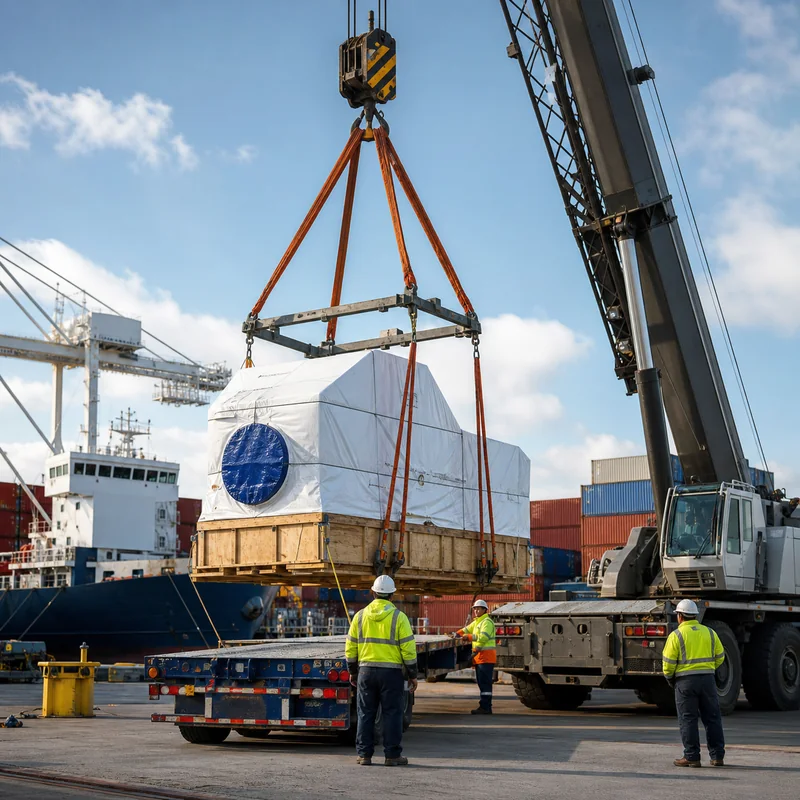
Freight Flex coordinates Full Truckload (FTL) and Less Than Truckload (LTL) freight across the valley's distribution networks, Transloading and Intermodal connecting Phoenix to the California gateway, Flatbed and Project Cargo coordination for the construction and semiconductor buildouts, Temperature-Controlled capacity for the produce economy and Cross-Border programs through the Arizona crossings. Carrier compliance tools and an agent success team available 24/7 support the move.