What moves through El Paso
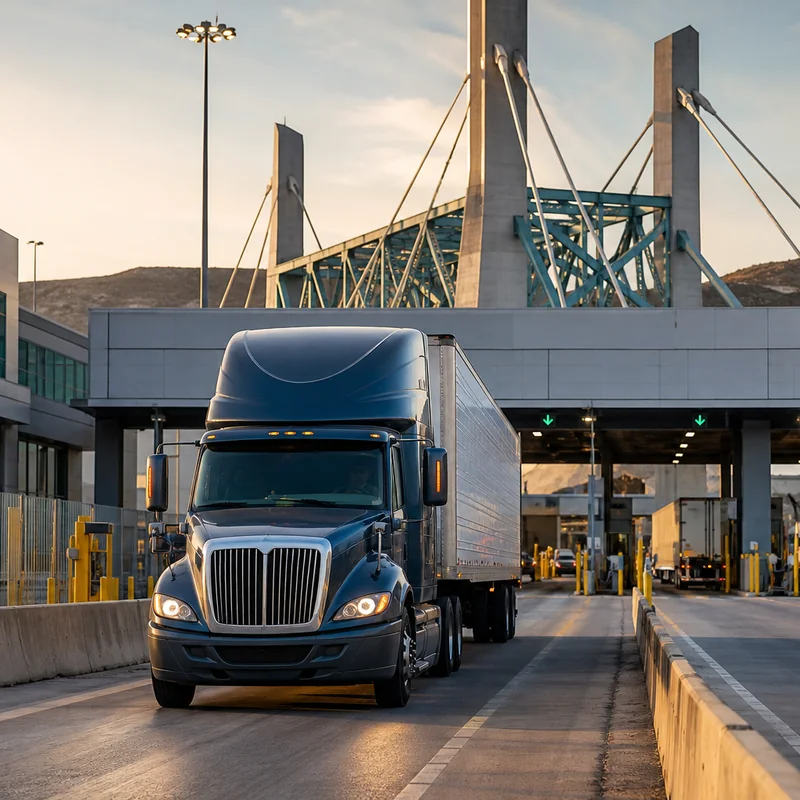
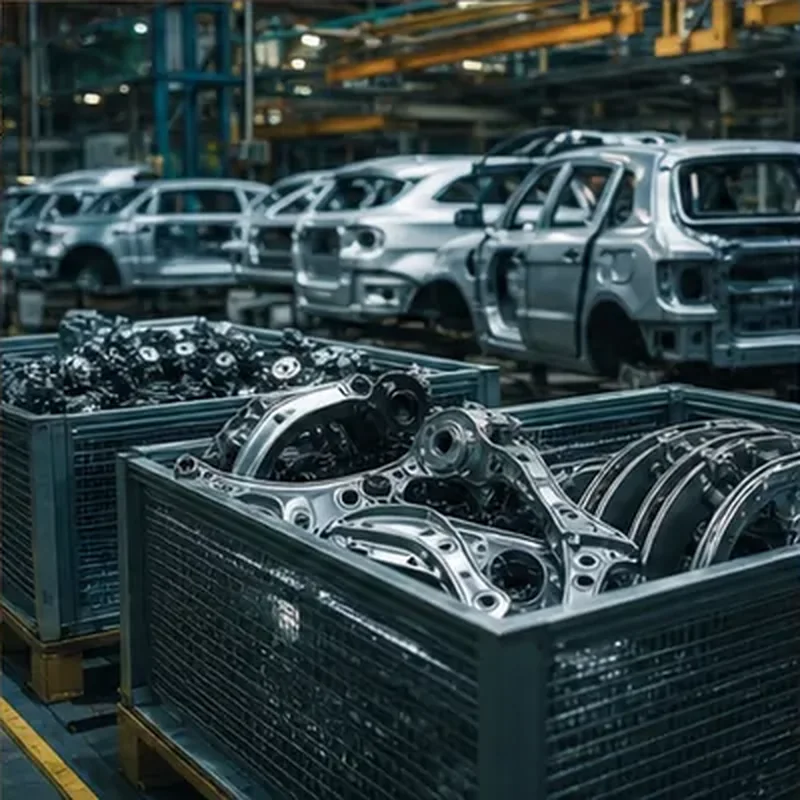
The El Paso-Juarez corridor is one of North America's densest manufacturing partnerships. The maquiladora plants across the river build automotive components and wire harnesses, electronics, medical devices and appliances, shipping finished product north through the El Paso bridges daily, while southbound freight carries the materials, components and machinery that feed the plants. The trade runs on tight cycles, with many operations moving freight across the line multiple times in a production sequence, and the transfer economy around the bridges exists to keep those cycles turning.
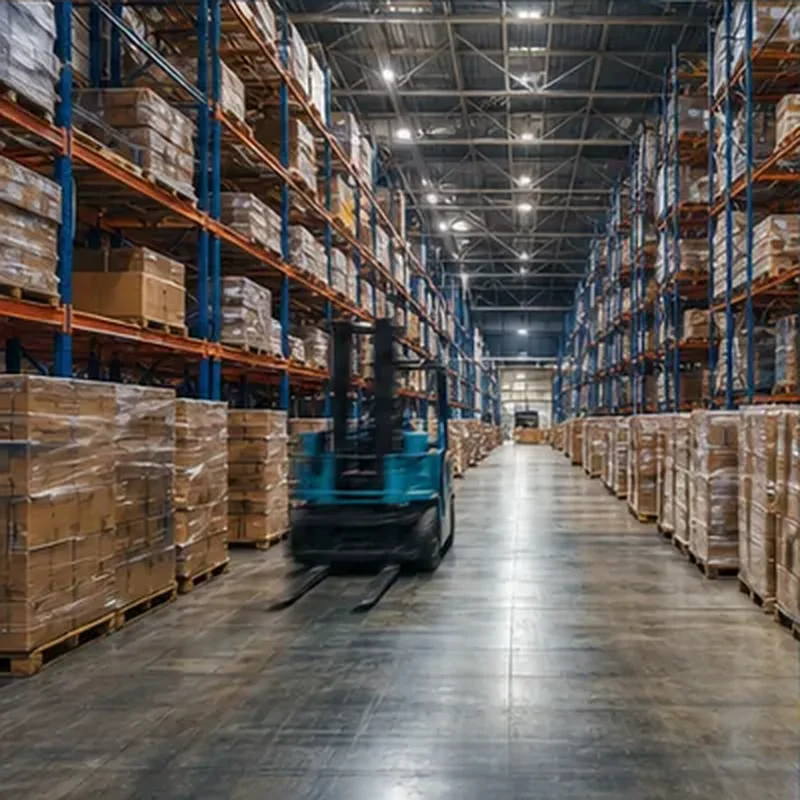
Layered on the border trade is El Paso's own position as the far-west anchor of Texas, a regional distribution point for a market hundreds of miles from the next major metro in any direction.
The corridors that carry it
I-10 runs the transcontinental east-west lane straight through the city, connecting El Paso to the Texas triangle in one direction and the Southwest and California in the other, while I-25 launches north from the metro toward New Mexico and the mountain corridor. The geometry makes El Paso freight long-haul freight by default, with the border trade feeding lanes that stretch six hundred miles before the next big market, and capacity planning that respects those distances.
Freight Flex in El Paso
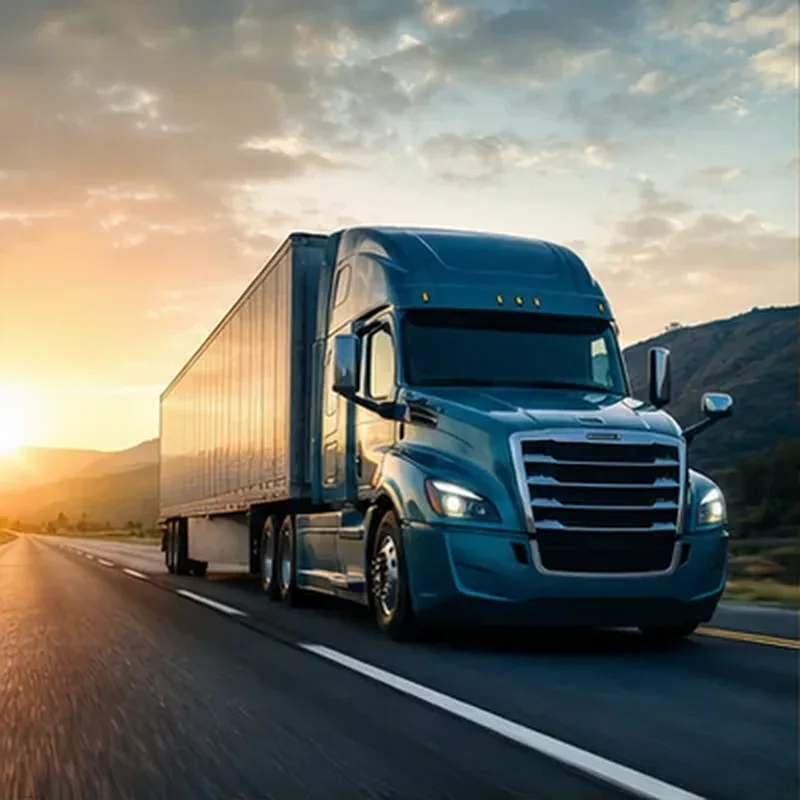
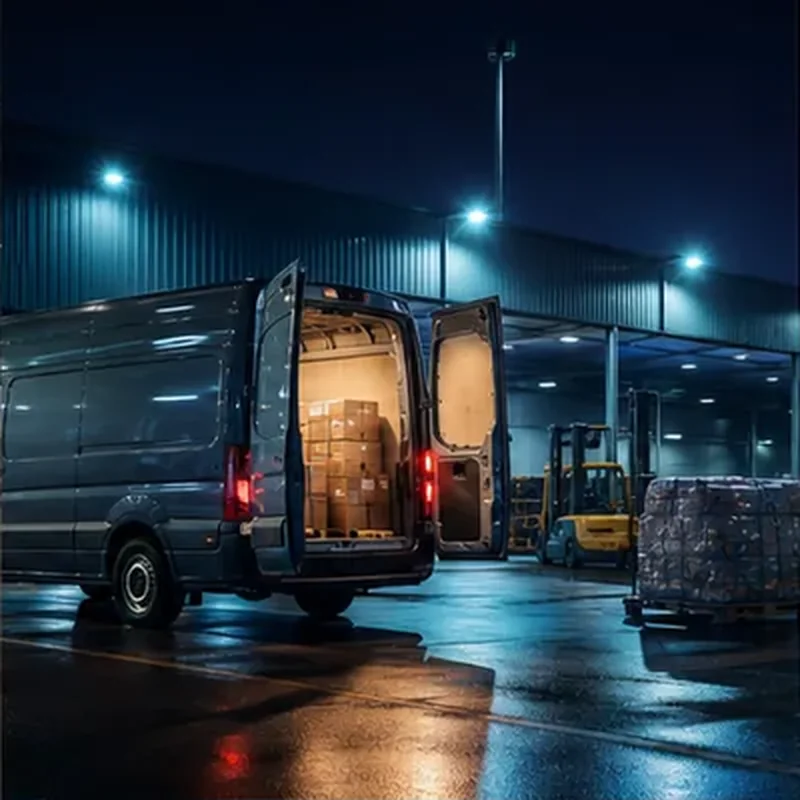
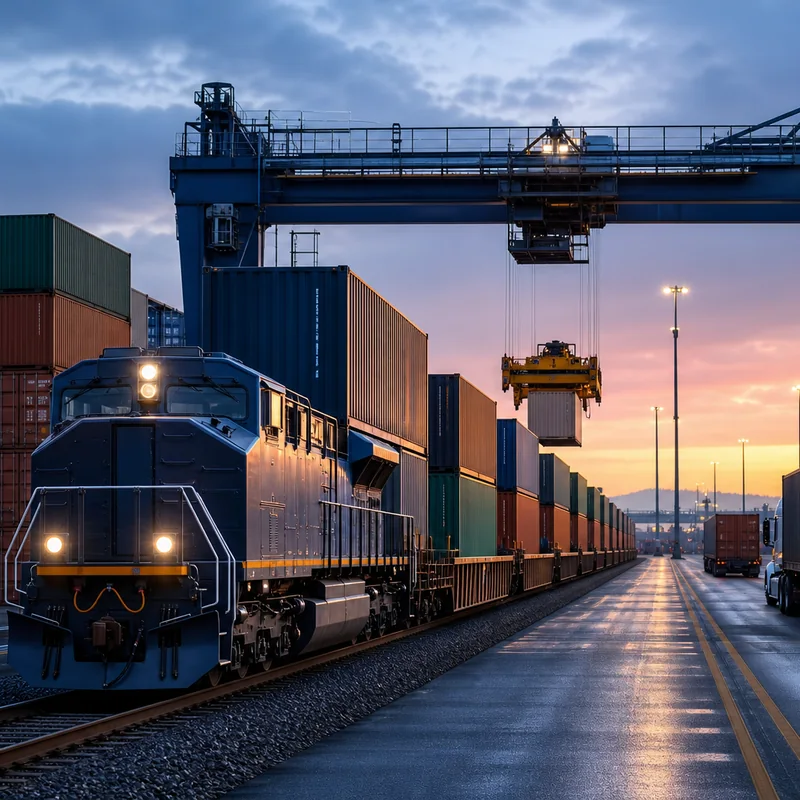
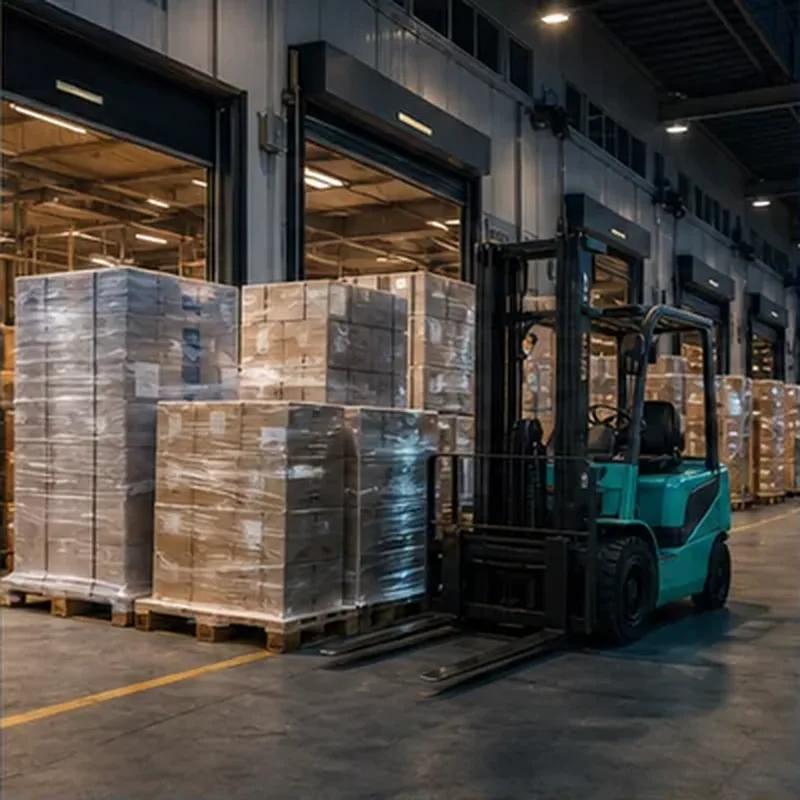
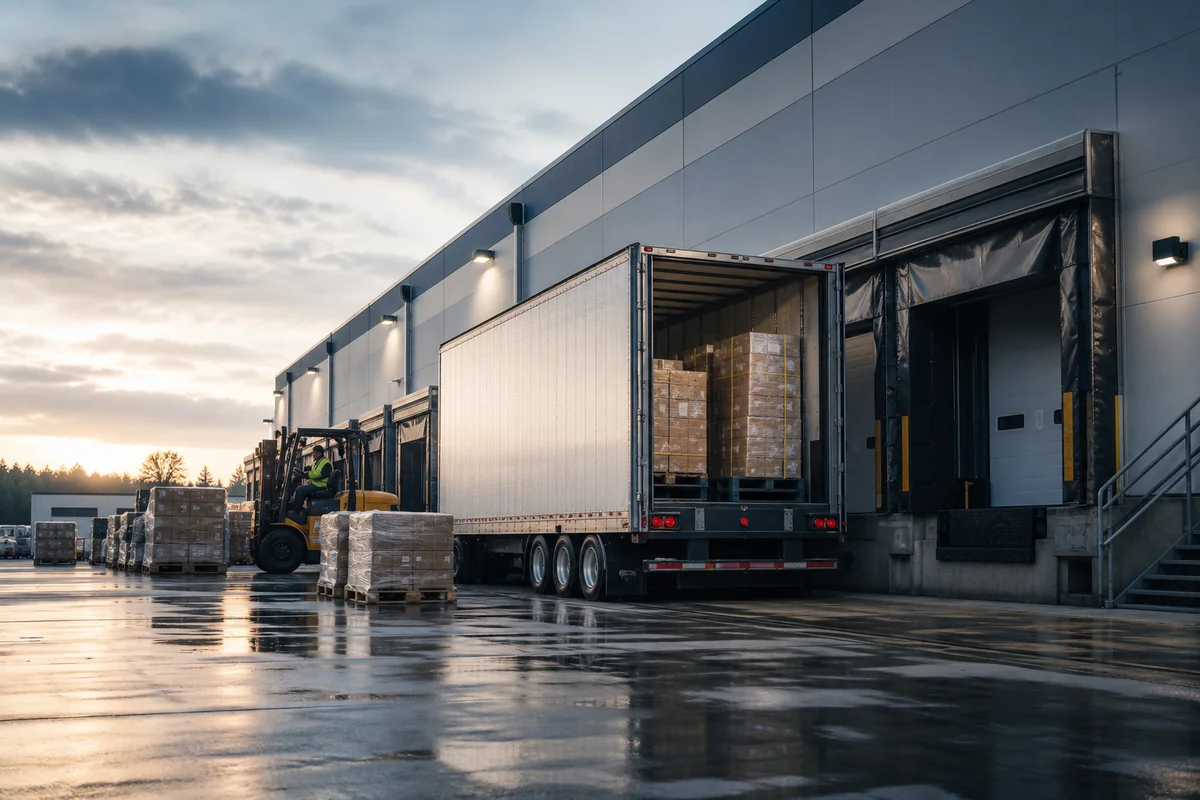
Freight Flex coordinates Cross-Border programs through the El Paso gateway with transfers scheduled before departure and bilingual support at every handoff, Full Truckload (FTL) linehaul on the I-10 corridor, Expedited equipment for the just-in-time cycles the maquiladora economy runs on, Intermodal options on the long eastbound lanes and Less Than Truckload (LTL) coverage for the regional market. Carrier compliance tools support each side of the border, with an agent success team available 24/7.