Los Angeles

Los Angeles Freight

The San Pedro Bay port complex is where American imports land, and the LA basin is where they scatter. Freight Flex coordinates Los Angeles freight from the terminal gates through the warehouses, with drayage carriers who know the ports and a plan for the congestion built into every quote.

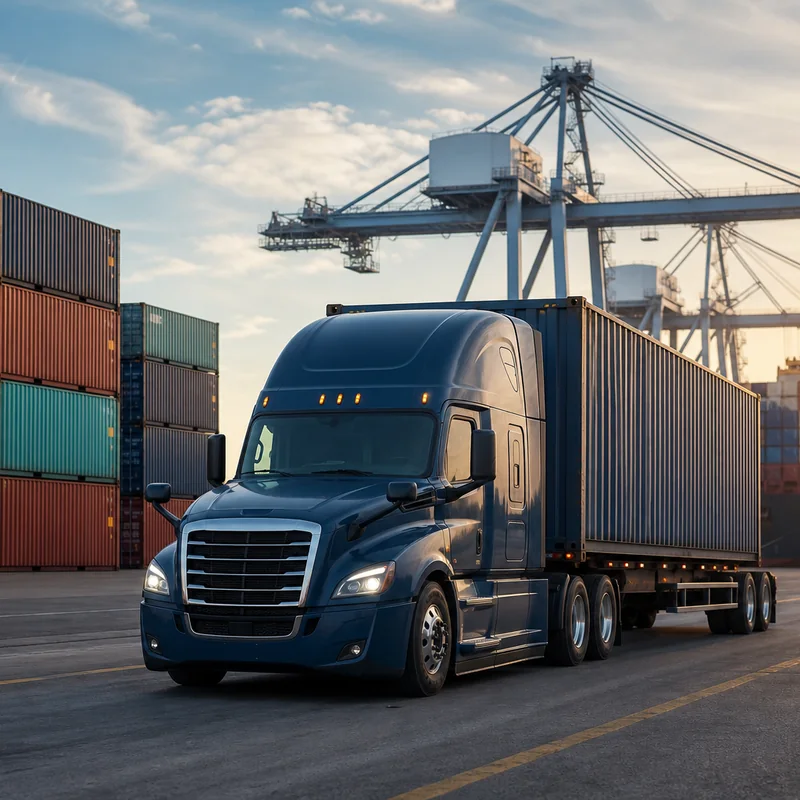
Container terminals at the Los Angeles and Long Beach port complex at dawn
The Los Angeles Market

Freight coordination at America's import front door. The ports and the basin.

Los Angeles and Long Beach together form the busiest container gateway in the western hemisphere, and the metro around them runs the country's densest import economy. Freight Flex coordinates LA freight from vessel to warehouse to outbound lane, with the port disciplines the market demands.

What moves through Los Angeles

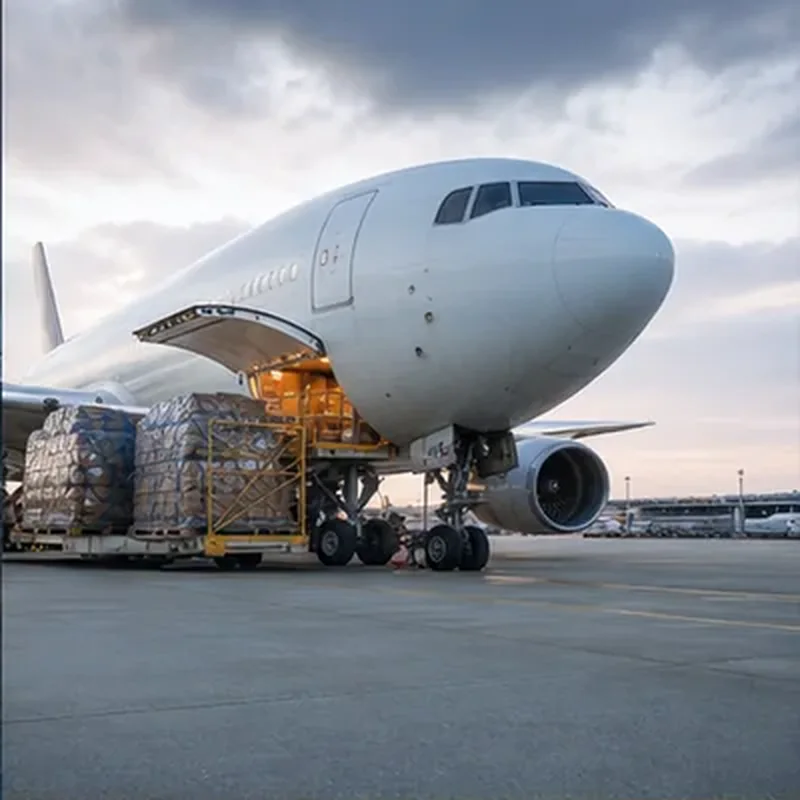
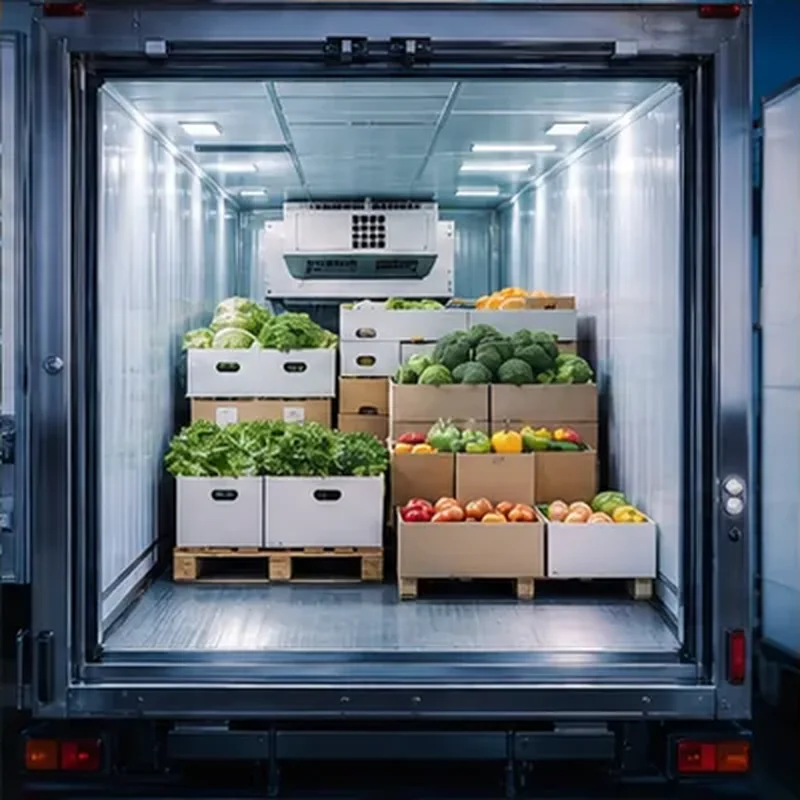
The San Pedro Bay complex lands a massive share of America's containerized imports, meaning retail inventory, ecommerce product, consumer goods, electronics, apparel and components flowing off vessels and into the basin's warehouse networks. Around that import engine runs the rest of a giant metro economy, with food distribution serving twenty million people, manufacturing across the industrial districts, entertainment and aerospace supply chains, and an export flow of agricultural and manufactured goods heading back through the terminals.

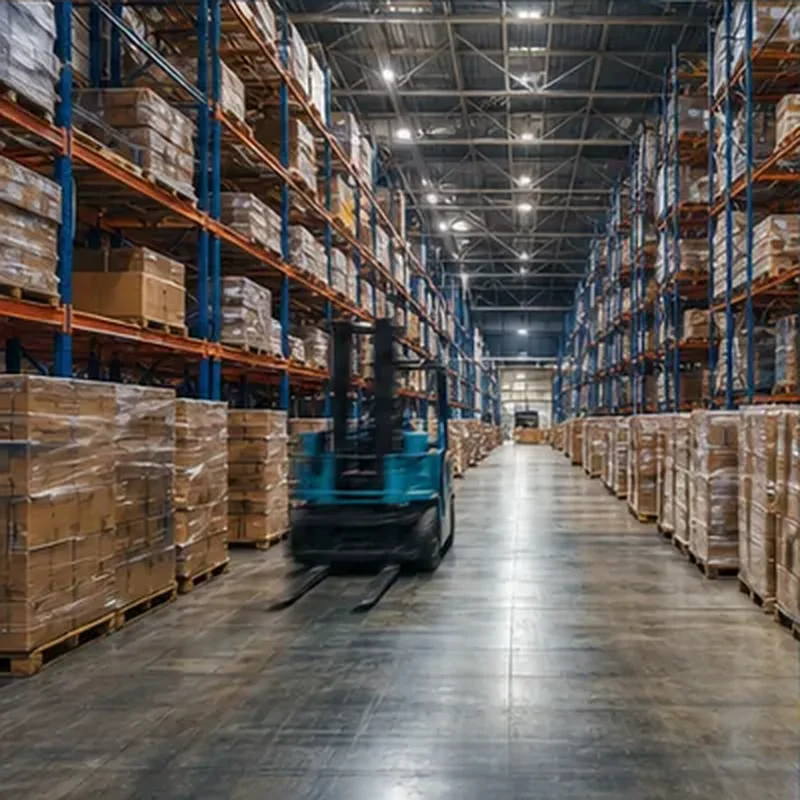
The market's defining feature is compression. Terminals, rail ramps, transload warehouses and distribution centers all operate within a dense basin where appointment systems, chassis availability and traffic patterns shape every move, and freight that respects those constraints clears while freight that ignores them dwells.

The corridors that carry it

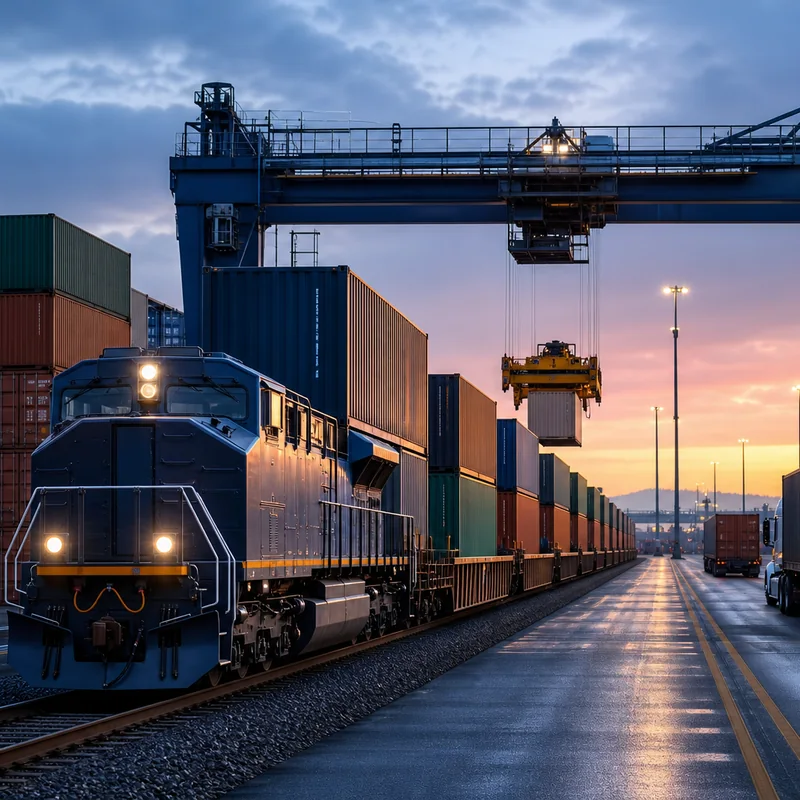
The Alameda Corridor moves boxes from the docks to the downtown rail yards, I-710 and the 60 carry the drayage economy, and I-10, I-15 and I-5 fan the freight outward, east toward the Inland Empire's warehouse fields, north up the state and onward to the rest of the country. On-dock and near-dock rail connects the ports to the transcontinental network, making the mode decision, meaning local dray, transload or intermodal, the first economic choice of every import.

Freight Flex in Los Angeles

Freight Flex coordinates Drayage at the LA and Long Beach terminals with interchange at every steamship line, Transloading that converts import boxes to domestic distribution before per diem starts, Intermodal moves for freight heading east on rail economics, and Full Truckload (FTL), Less Than Truckload (LTL) and Expedited coverage across the basin. Carrier compliance tools and an agent success team available 24/7 support the move.
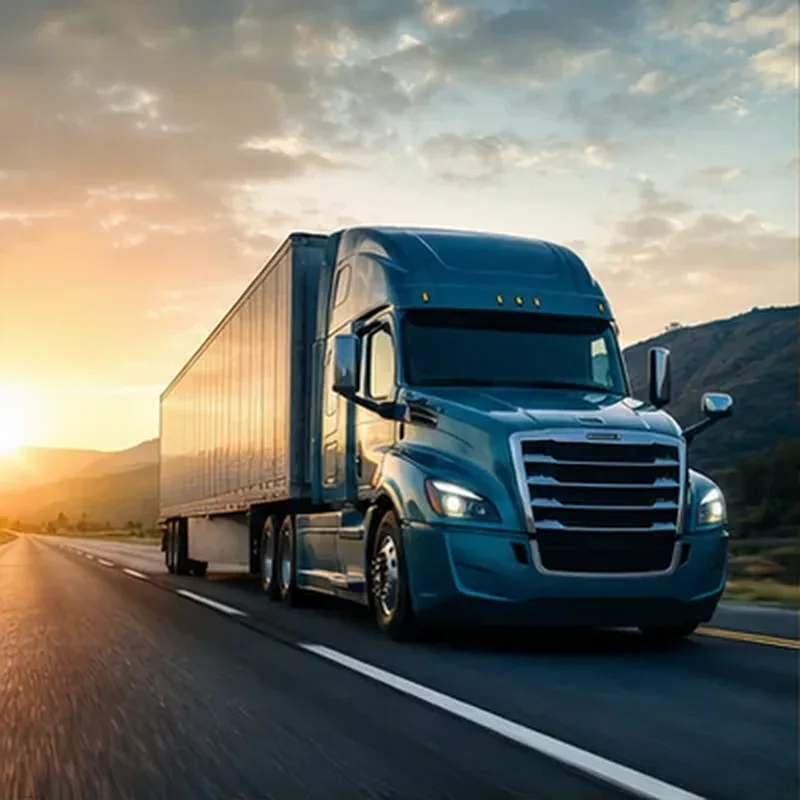
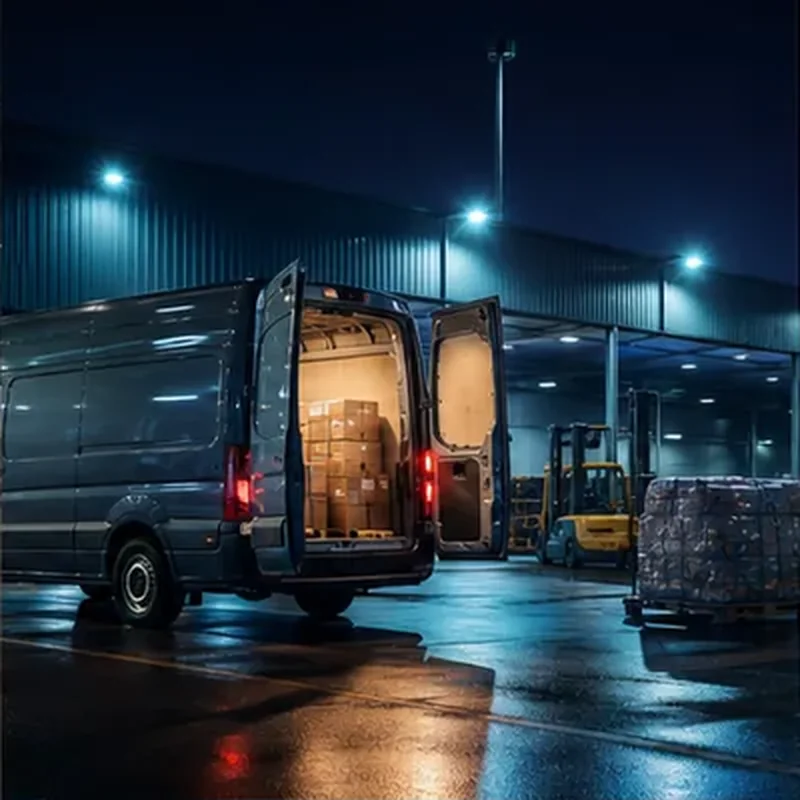
The Complex, Covered

Drayage at LA and Long Beach with interchange at every steamship line, pre-arrival planning and carriers who work these terminals as their daily trade.

Transload Before Per Diem

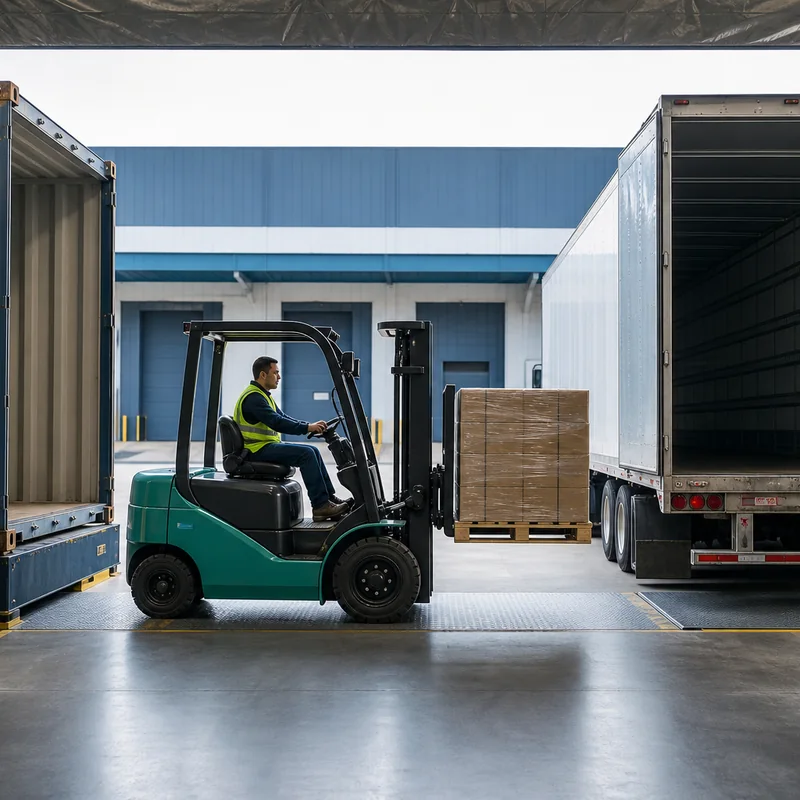
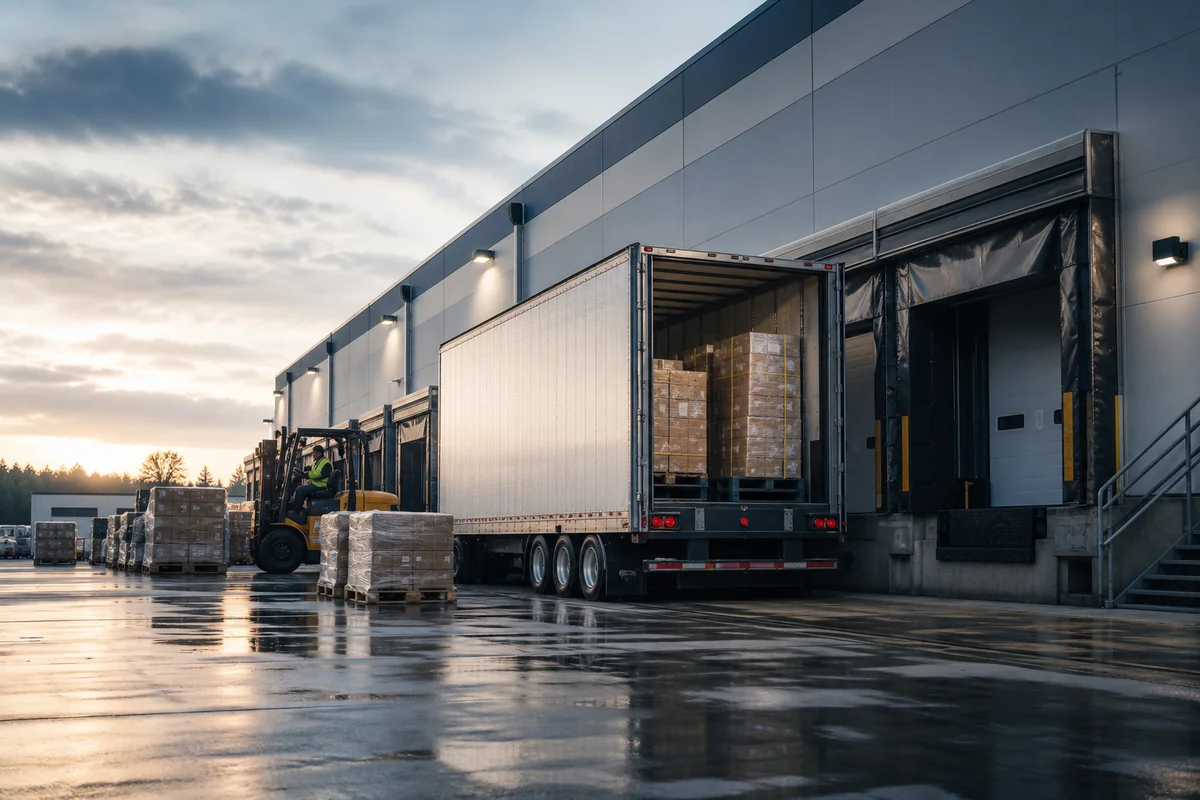
Containers convert to palletized domestic freight near the port, protecting free time while inventory fans out to the Inland Empire and beyond on domestic economics.

Compliance on Every Lane

Carrier compliance tools support shipment security, backed by an agent success team available 24/7. The basin's volume never lowers the bar.

The Freight Flex promise

Your containers clear the complex. Build With Flex.

For every shipper moving Los Angeles freight, Freight Flex commits to having the plan ready before the vessel berths, meaning the dray covered, the chassis question answered and the inland routing decided while there is still calendar to choose with. Peak season surges get planned early, transload decisions get made on real numbers and every leg rides vetted capacity. The complex rewards preparation, and preparation is the product.

0+
Shipments Coordinated
#0
Inc. 5000 Fastest-Growing Private Companies
0
States of Nationwide Coverage
0+
Freight Flex Offices
Operating standards

Los Angeles freight standards. Vetted. Verified. Visible.

Freight Flex combines carrier compliance tools with an agent success team available 24/7 to help reduce cargo theft, fraud and claims and support shipment visibility. These standards ride on every Los Angeles load we arrange.

  • Only work with Highway verified Motor Carriers.
  • 1+ year active authority required.
  • Double-brokering and identity fraud screened, then monitored in transit.
  • $1M Auto Liability + $100K Cargo Insurance required.
  • VIN verified on every shipment through Highway Load Lock.
  • Supplemental cargo insurance available up to $2,000,000 per shipment, beyond standard carrier coverage.
Freight services

The services LA freight uses most. Built for the gateway.

Los Angeles freight runs on the import toolkit. Drayage works the terminals, transloading converts the boxes, intermodal carries freight east on rail, and truckload, LTL and expedited move the basin's distribution volume and the schedules that cannot wait.

See All Services
Industries

The industries that run on LA freight. The import economy.

Los Angeles freight serves the industries the gateway feeds, meaning retail and ecommerce networks landing national inventory, consumer brands moving product at scale, freight forwarders and NVOCCs running import programs, food distribution at metro scale and manufacturing across the basin's industrial base.

See All Industries
Planning LA Freight

How shippers plan LA freight. Beating the dwell.

Los Angeles freight planning is a race against clocks, meaning free time at the terminals, appointment windows inland and peak season waves that arrive on schedule every year. Two disciplines keep the clocks on your side.

The first decision, meaning dray, transload or rail.

Every import through San Pedro Bay faces the same fork, and choosing early is worth more than choosing perfectly. A straight Drayage move fits single-destination freight staying in the region, Transloading fits boxes splitting to multiple destinations or converting floor-loaded cargo to pallets, and Intermodal rail fits inventory heading east with calendar room, riding the transcontinental network at rail economics. Freight Flex prices all three against the actual freight, so the decision is arithmetic made before the vessel berths rather than triage after free time starts burning.

Whichever path wins, the pre-arrival plan carries it, meaning booking details and destinations sent early, the chassis strategy set and the appointment approach chosen while slots still exist.

Peak season and the basin's appointment economy.

Import peak arrives at San Pedro Bay on a calendar every retailer knows, and the shippers who clear it cleanly book their dray and transload capacity before the surge rather than during it. Standing import programs deserve standing coverage, with the surge weeks topped up from a vetted network instead of scraped from whatever the peak market offers. Warehouse receiving across the basin runs on appointments with real consequences, so Full Truckload (FTL) and Less Than Truckload (LTL) deliveries plan backward from the slot with receiving rules confirmed at booking.

When a container misses its window or a promise date compresses, Expedited equipment out of the basin recovers schedules fast, and pricing the recovery early keeps the decision honest. In a market this dense, the plan is the competitive advantage.

Reviews

What It’s Like to Build With Flex

Leave a Review
Pricing

Ready to Get Started?

Tell us the container or lane details, commodity, weights and destinations, and any receiving requirements inland. From one box to a full import program, we will quote the plan before the clock starts.

Los Angeles shipment details

Get a Los Angeles Freight Quote

Submission received

Your quote request is in.

Thank you. A Freight Flex team member will review your shipment details and follow up shortly.

Build With Flex.