Inland Empire

Inland Empire Freight

The Inland Empire is where America's imports become America's inventory, a warehouse market of staggering scale an hour east of the ports. Freight Flex coordinates IE freight across the distribution corridor, with vetted carriers and deliveries planned for the appointment systems that run it.

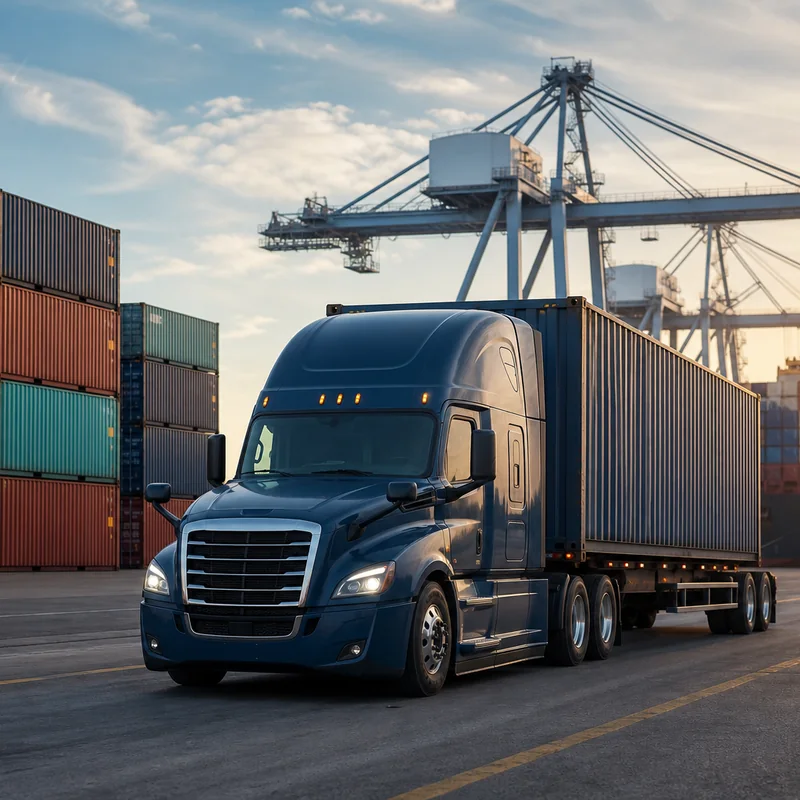
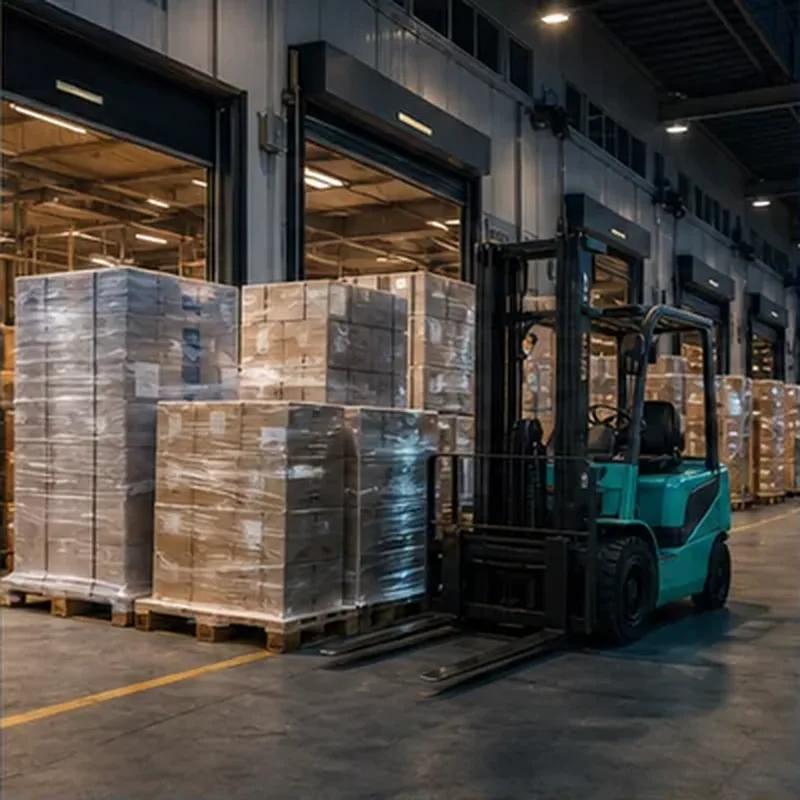
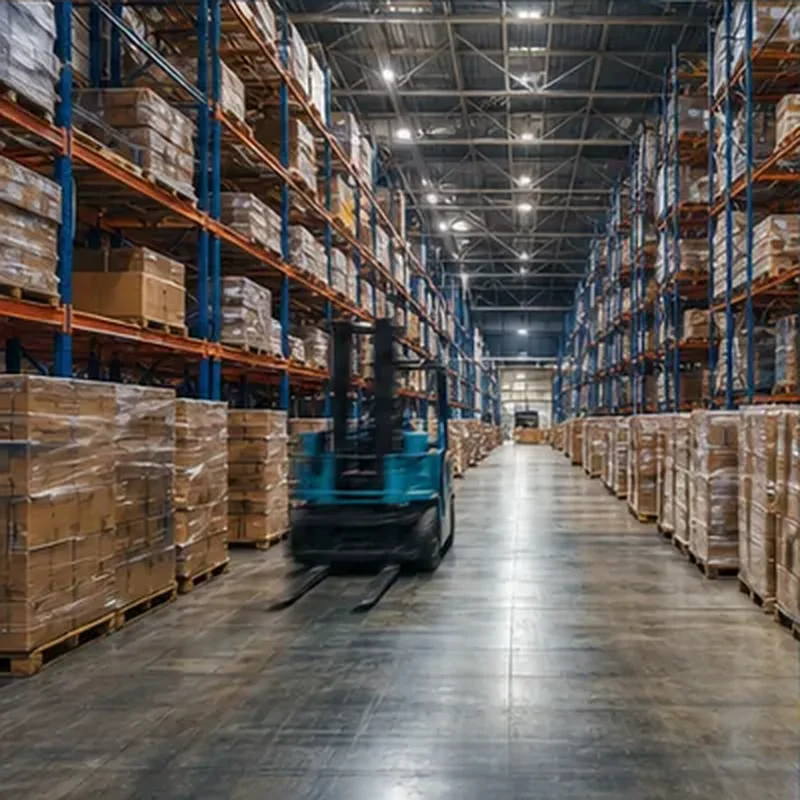
Massive distribution warehouses lining the Inland Empire logistics corridor
The Inland Empire Market

Freight coordination in the warehouse capital of America. Where imports become inventory.

Riverside and San Bernardino counties hold the largest concentration of distribution space in the country, the inland engine of the San Pedro Bay gateway. Freight Flex coordinates Inland Empire freight across the warehouse economy, from port overflow to national outbound.

What moves through the Inland Empire

The Inland Empire exists because the ports needed somewhere to put everything. Hundreds of millions of square feet of warehouse space line the corridor from Ontario to Beaumont, receiving containers and transloaded freight off the San Pedro Bay complex, holding national inventory for retailers, ecommerce networks and consumer brands, and dispatching it back out in full trailers and LTL shipments to the entire country.

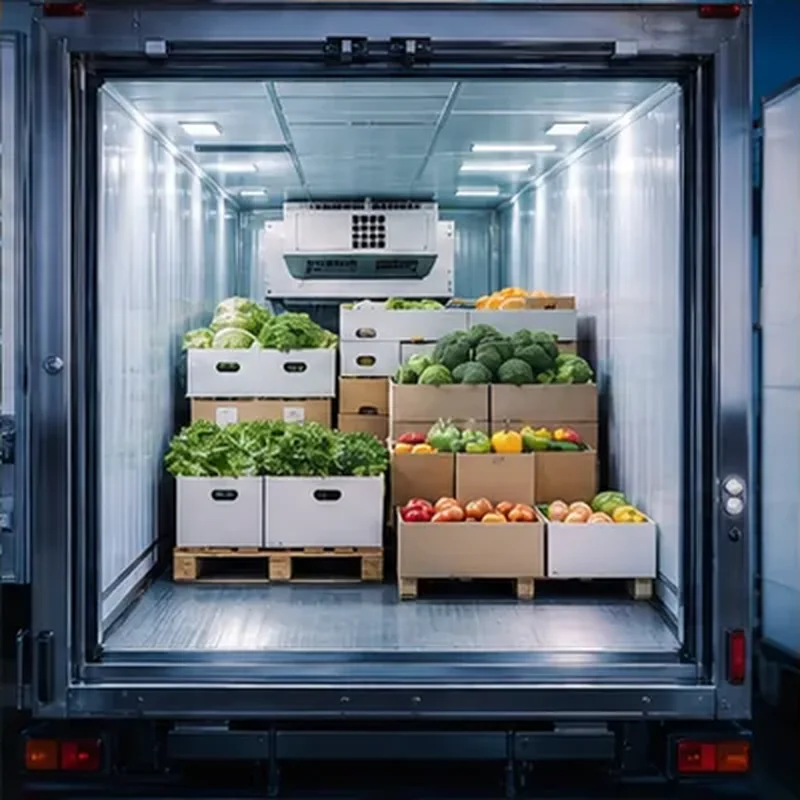
The freight mix follows the function, meaning inbound drays and transloads from the ports, constant crosstown shuttles between facilities, outbound truckload volume on the eastern lanes and an LTL churn feeding regional distribution. Food and beverage distribution, manufacturing and a building materials economy serving inland California's growth round out a market that is fundamentally about throughput.

The corridors that carry it

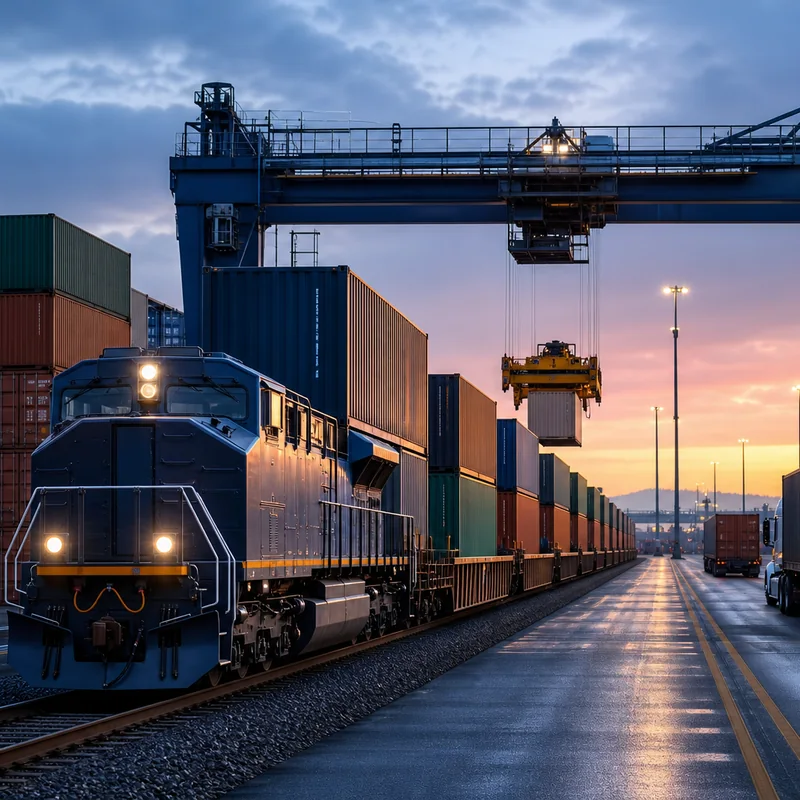
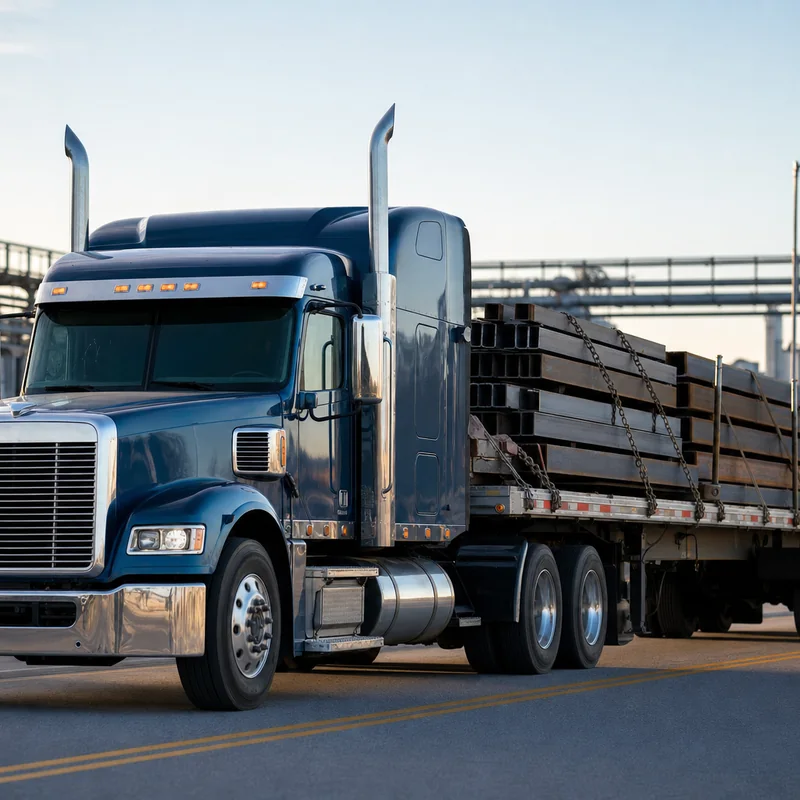
I-10 and the 60 run the market's spine, carrying port freight inland and national freight east, I-15 connects the corridor north to Las Vegas and the mountain states, and the rail ramps at the western end tie the IE directly into the transcontinental intermodal network. The geometry is simple and the volume is not, with dray traffic, outbound linehaul and metro congestion sharing the same interchanges every day.

Freight Flex in the Inland Empire

Freight Flex coordinates Full Truckload (FTL) and Less Than Truckload (LTL) freight across the corridor's warehouse networks, Transloading and Drayage connecting the market to the ports, Intermodal moves through the ramps for eastbound freight with calendar room, and Expedited equipment when a national schedule needs an IE recovery. Carrier compliance tools and an agent success team available 24/7 support the move.
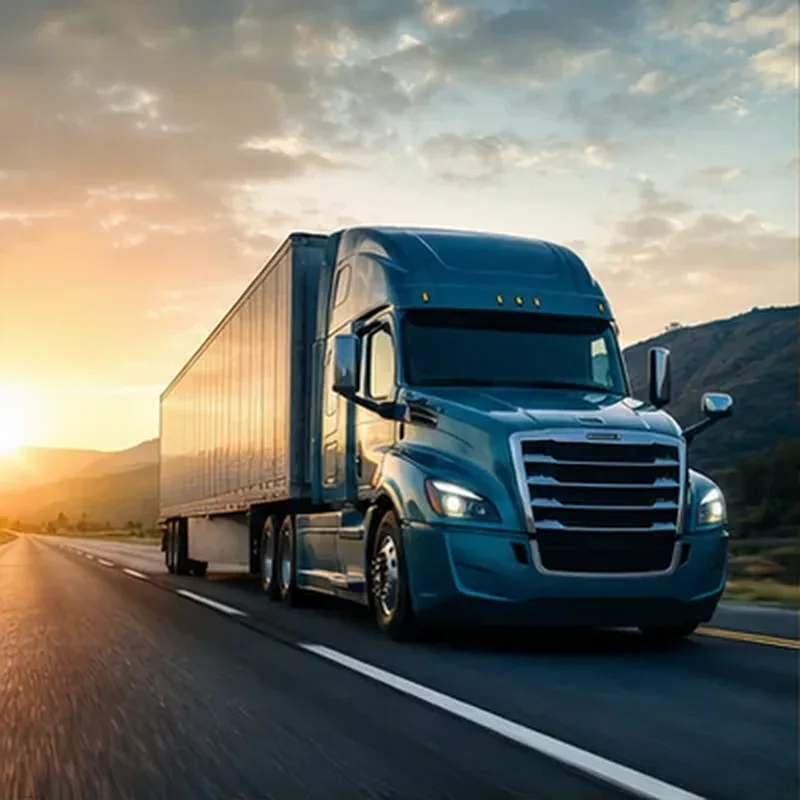
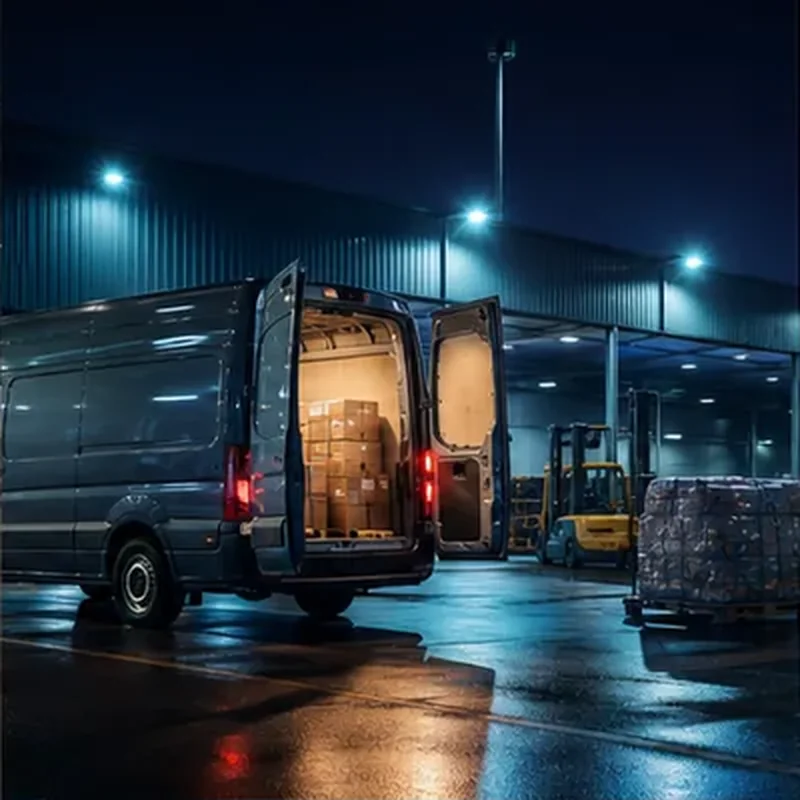
Built for the Corridor

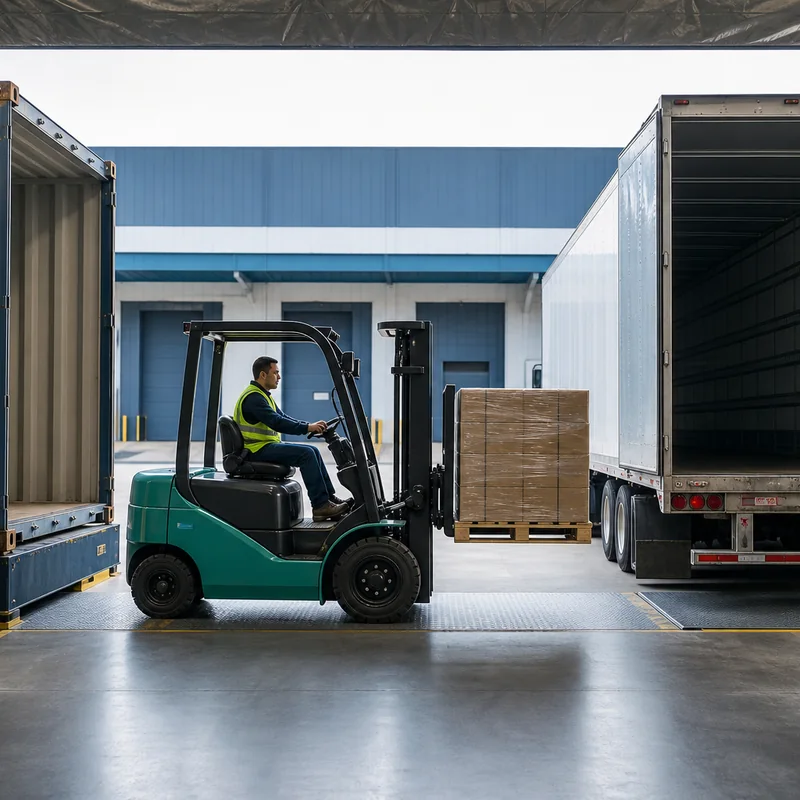
Deliveries planned for the IE's appointment-driven receiving networks, with dock rules, pallet standards and slot discipline confirmed at booking.

Port to Shelf as One Flow

Drayage, transloading and warehouse delivery sequenced as one plan, so import inventory lands receivable and containers cycle back inside free time.

Compliance on Every Lane

Carrier compliance tools support shipment security, backed by an agent success team available 24/7. The corridor's density never lowers the bar.

The Freight Flex promise

Your inventory keeps moving through the IE. Build With Flex.

For every shipper moving Inland Empire freight, Freight Flex commits to sequencing the port connection as one plan, delivering into the corridor's warehouse networks by their rules and covering outbound lanes with vetted capacity through every peak. Crosstown shuttles, national outbound and import conversion all run through one accountable team, because in a market built on throughput, coordination is the whole product.

0+
Shipments Coordinated
#0
Inc. 5000 Fastest-Growing Private Companies
0
States of Nationwide Coverage
0+
Freight Flex Offices
Operating standards

Inland Empire freight standards. Vetted. Verified. Visible.

Freight Flex combines carrier compliance tools with an agent success team available 24/7 to help reduce cargo theft, fraud and claims and support shipment visibility. These standards ride on every Inland Empire load we arrange.

  • Only work with Highway verified Motor Carriers.
  • 1+ year active authority required.
  • Double-brokering and identity fraud screened, then monitored in transit.
  • $1M Auto Liability + $100K Cargo Insurance required.
  • VIN verified on every shipment through Highway Load Lock.
  • Supplemental cargo insurance available up to $2,000,000 per shipment, beyond standard carrier coverage.
Freight services

The services IE freight uses most. Throughput's toolkit.

Inland Empire freight runs on distribution services working as one system. Truckload and LTL carry the warehouse volume, transloading and drayage connect the ports, intermodal moves eastbound freight on rail economics and expedited recovers the schedules a national network cannot afford to lose.

See All Services
Industries

The industries that run on IE freight. The distribution economy.

Inland Empire freight serves the industries the corridor was built for, meaning ecommerce and retail networks staging national inventory, consumer brands moving product at import scale, food and beverage distribution, manufacturing across the inland base and building materials feeding the region's growth.

See All Industries
Planning IE Freight

How shippers plan Inland Empire freight. The corridor, worked right.

Inland Empire planning is network planning, meaning the port connection on one side, the national outbound on the other and a warehouse economy in the middle that runs entirely on appointments.

The port connection and the transload decision.

Most IE freight starts life as a container, and the connection from San Pedro Bay is the market's first economic decision. A straight Drayage move fits boxes delivering whole to a single IE facility, while Transloading near the ports converts freight to pallets, splits boxes across multiple corridor destinations and sends containers back inside free time. The math shifts with the cargo profile, so Freight Flex prices both paths on real numbers before the vessel berths, and the plan rides ready when the box lands.

Peak season sharpens everything, since the import waves that fill the corridor's warehouses arrive on a known calendar. Programs that book their dray, transload and delivery capacity ahead of the surge clear it, and programs that shop the peak pay for it.

Outbound lanes and the appointment economy.

The IE's outbound side is national distribution at full throttle, meaning Full Truckload (FTL) volume running east on I-10 and I-15, and Less Than Truckload (LTL) shipments feeding regional networks with density-based pricing that rewards the accurate dimensions warehouse freight already carries. Long eastbound lanes with calendar room are worth quoting on Intermodal through the western ramps, banking rail savings on inventory that planned its transit.

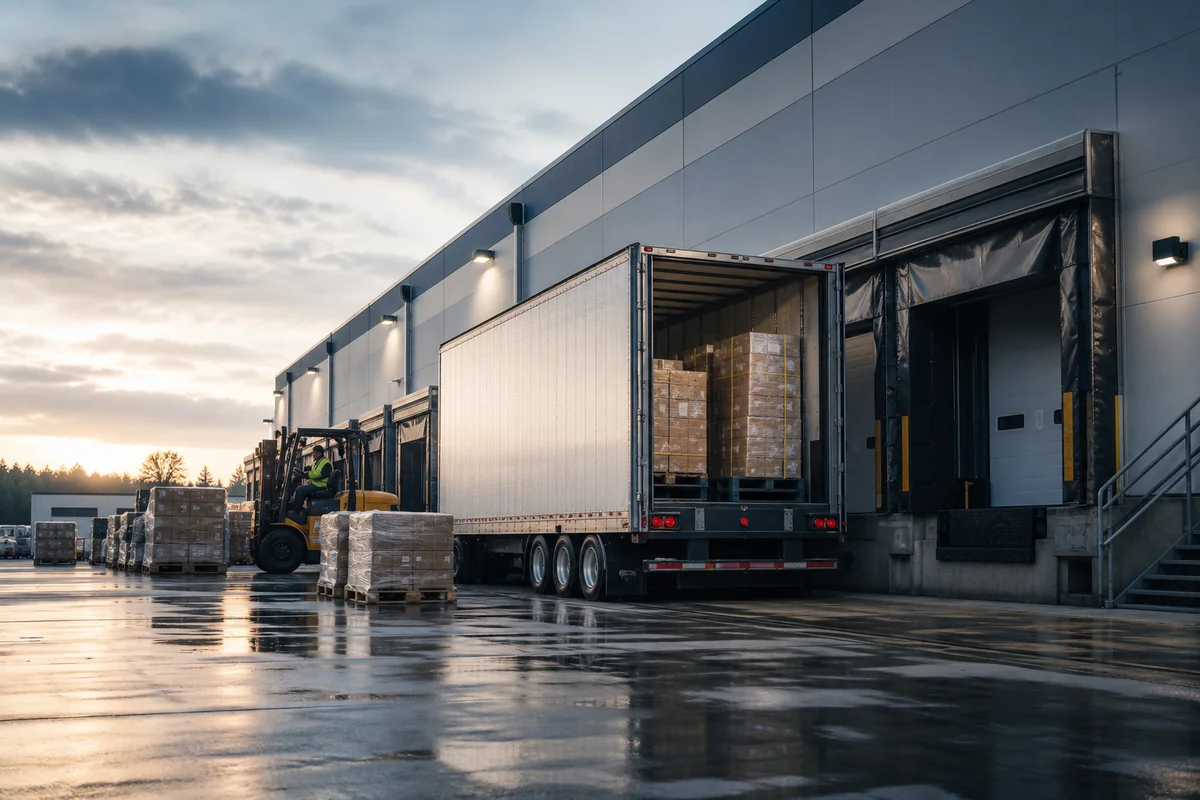
Receiving inside the corridor runs on appointment systems as strict as anywhere in the country, so deliveries plan backward from the slot with dock procedures confirmed at booking. And when a national schedule slips, inventory positioned in the IE is often the fastest fix on the map, with Expedited equipment out of the corridor reaching most of the West overnight. The market is a machine, and the freight that treats it like one wins.

Reviews

What It’s Like to Build With Flex

Leave a Review
Pricing

Ready to Get Started?

Tell us the lane, commodity, weights and dimensions, and any port connection or appointment requirements. From one delivery to a corridor-anchored national program, we will quote it with the IE's rhythms built in.

Inland Empire shipment details

Get an Inland Empire Freight Quote

Submission received

Your quote request is in.

Thank you. A Freight Flex team member will review your shipment details and follow up shortly.

Build With Flex.