What moves through Montana
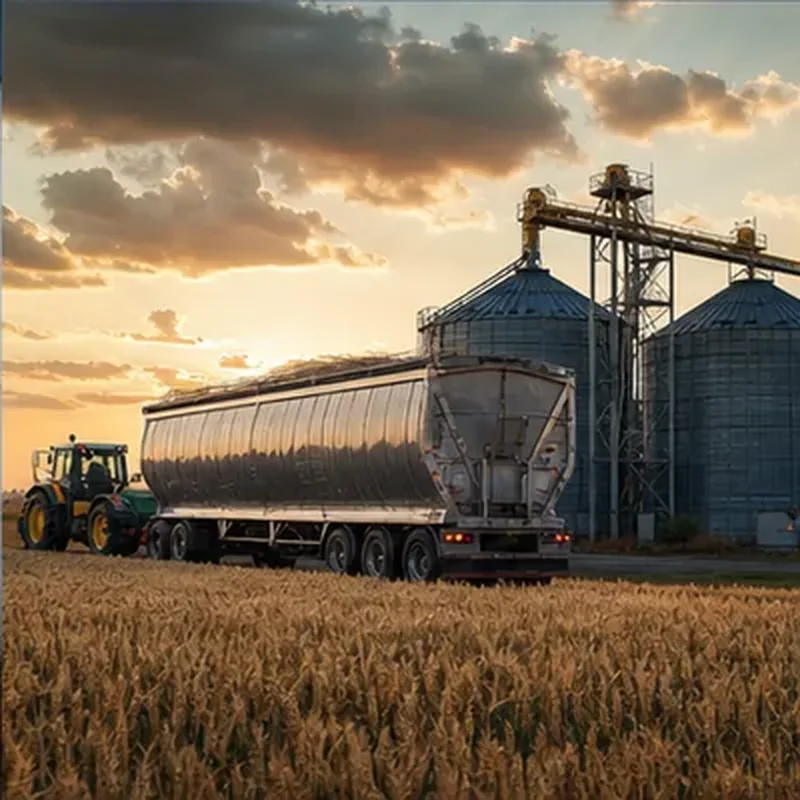
Agriculture leads, with wheat, barley, pulse crops and cattle moving from operations spread across the plains, much of it heading to processing, export terminals or feedlots hundreds of miles away. The state's energy and mining activity adds equipment, pipe and materials on open decks to sites well off any highway, and the Bakken's western edge extends into the eastern counties.
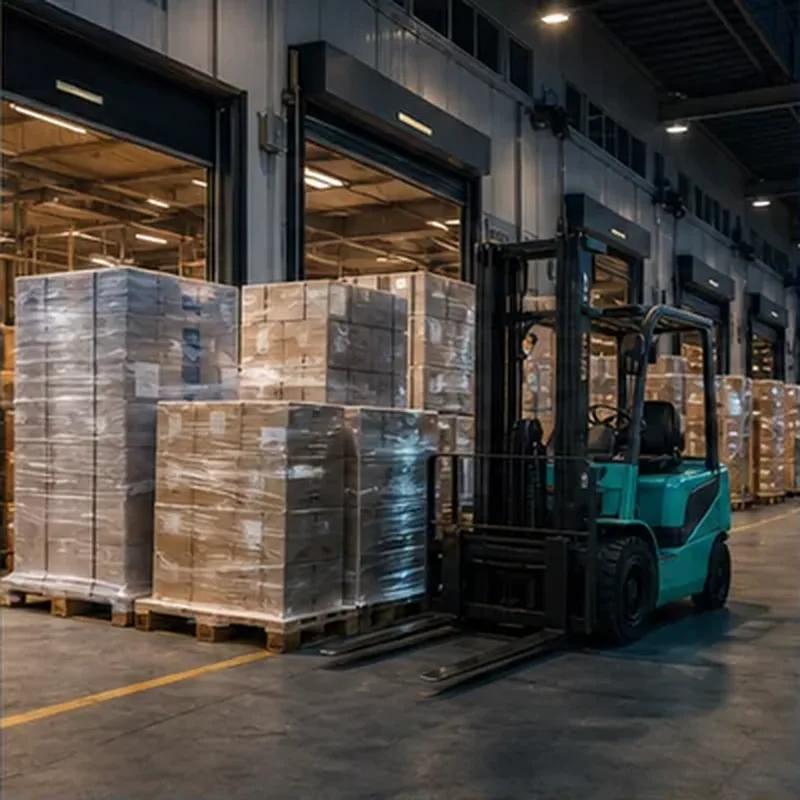
Forest products ship from the western mountains, manufacturing operates at modest scale around the larger towns, and distribution serves communities separated by real distance, which makes consolidated deliveries and route planning worth more here than raw capacity.
The corridors that carry it
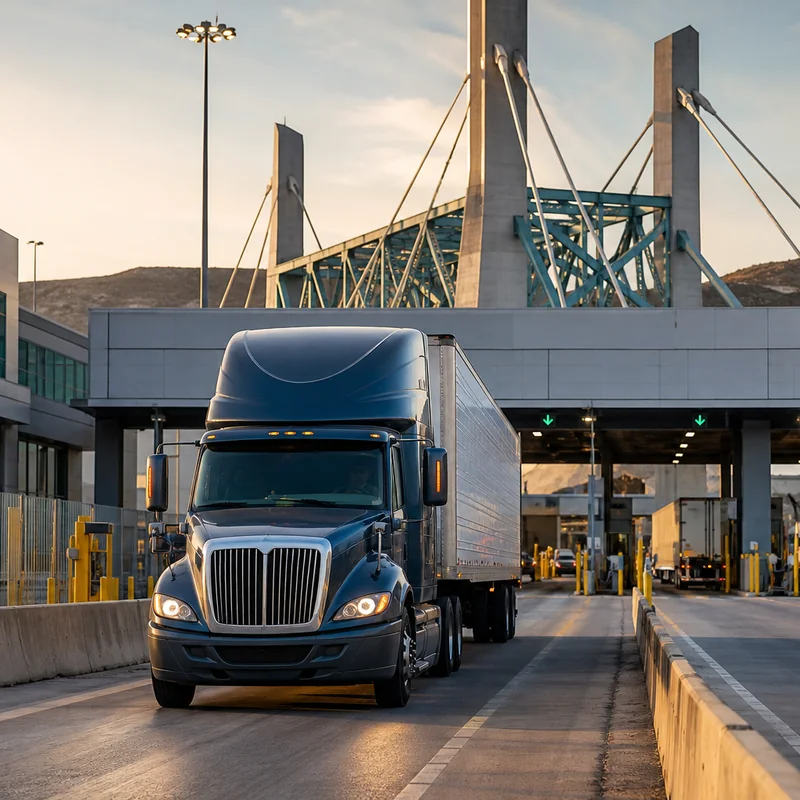
I-90 runs east-west across the southern half from North Dakota to Idaho, I-94 crosses the eastern plains and I-15 runs north-south from Idaho to the Canadian border. Beyond those, US and state highways carry most of the actual freight, since Montana's economy sits well away from its interstates and the northern crossings connect the state to Canadian trade.
Freight Flex in Montana
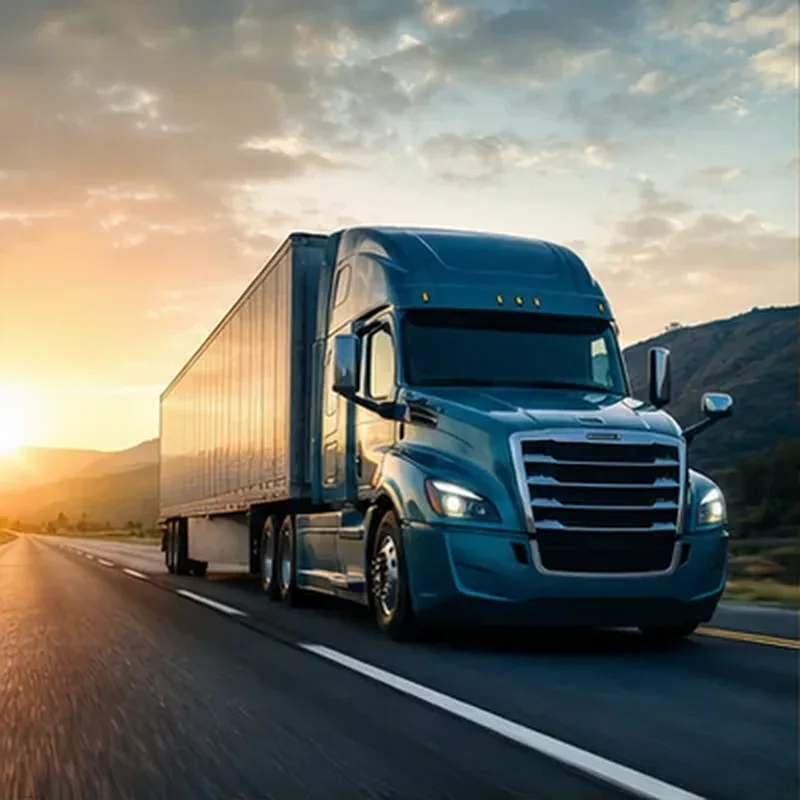
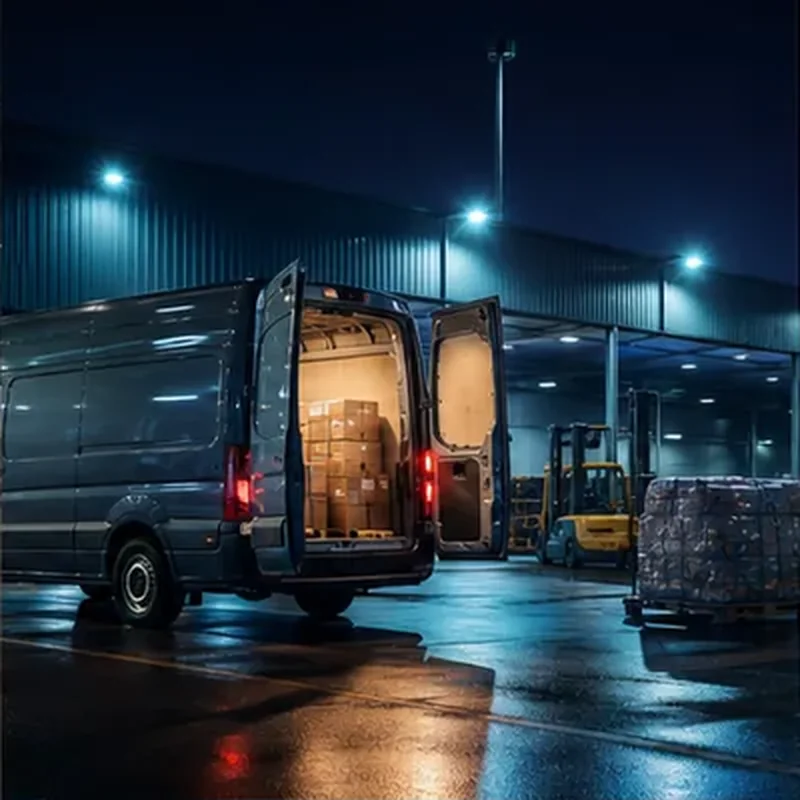
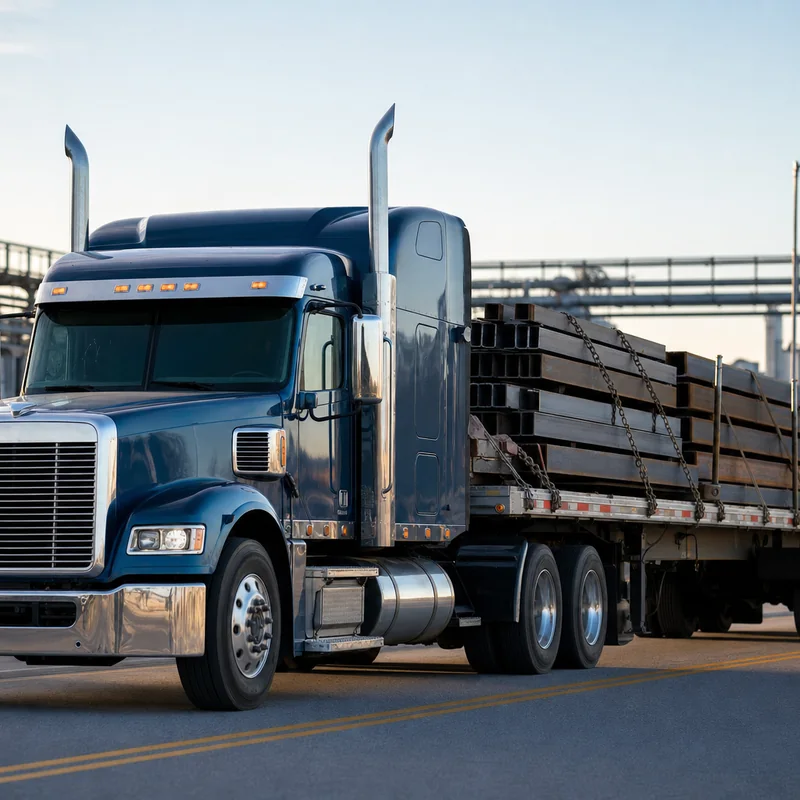
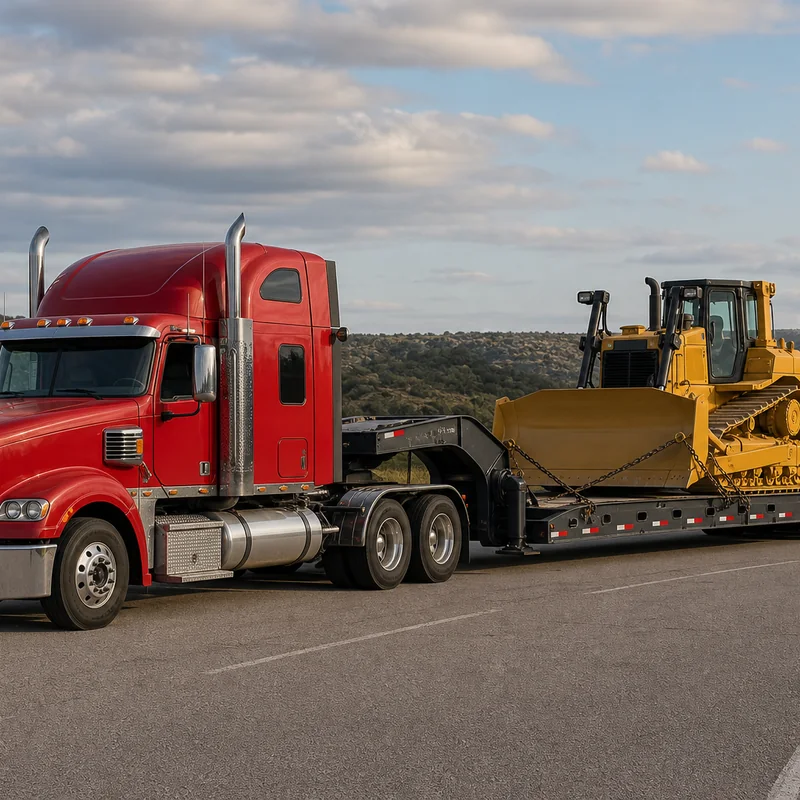
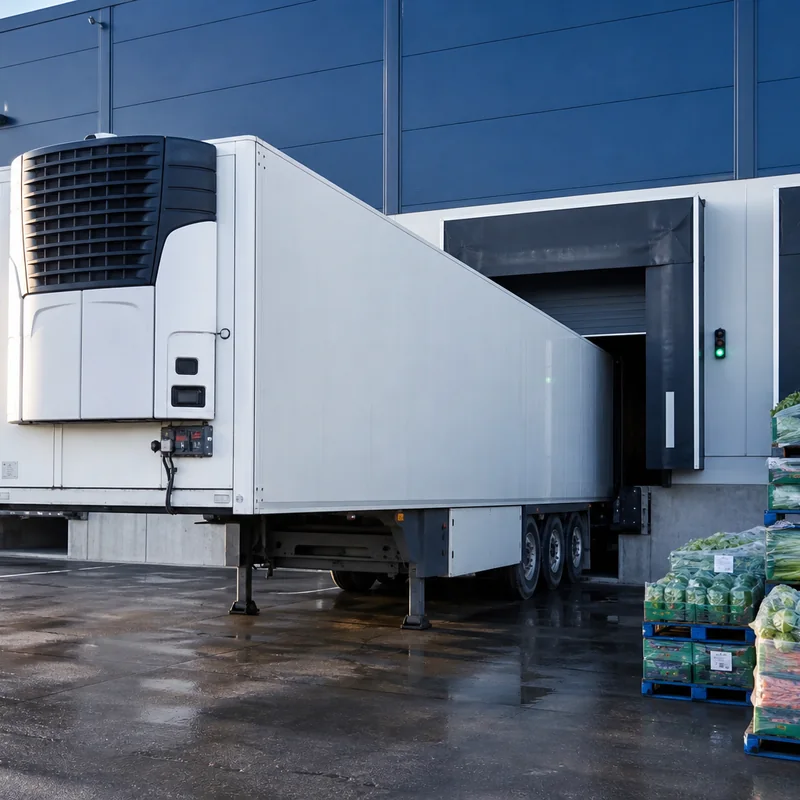
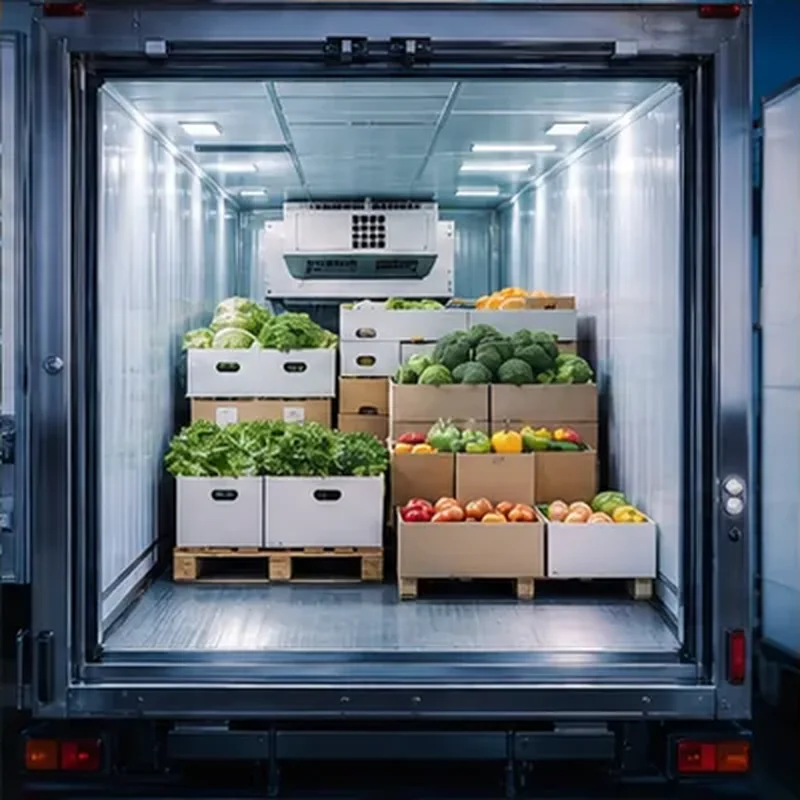
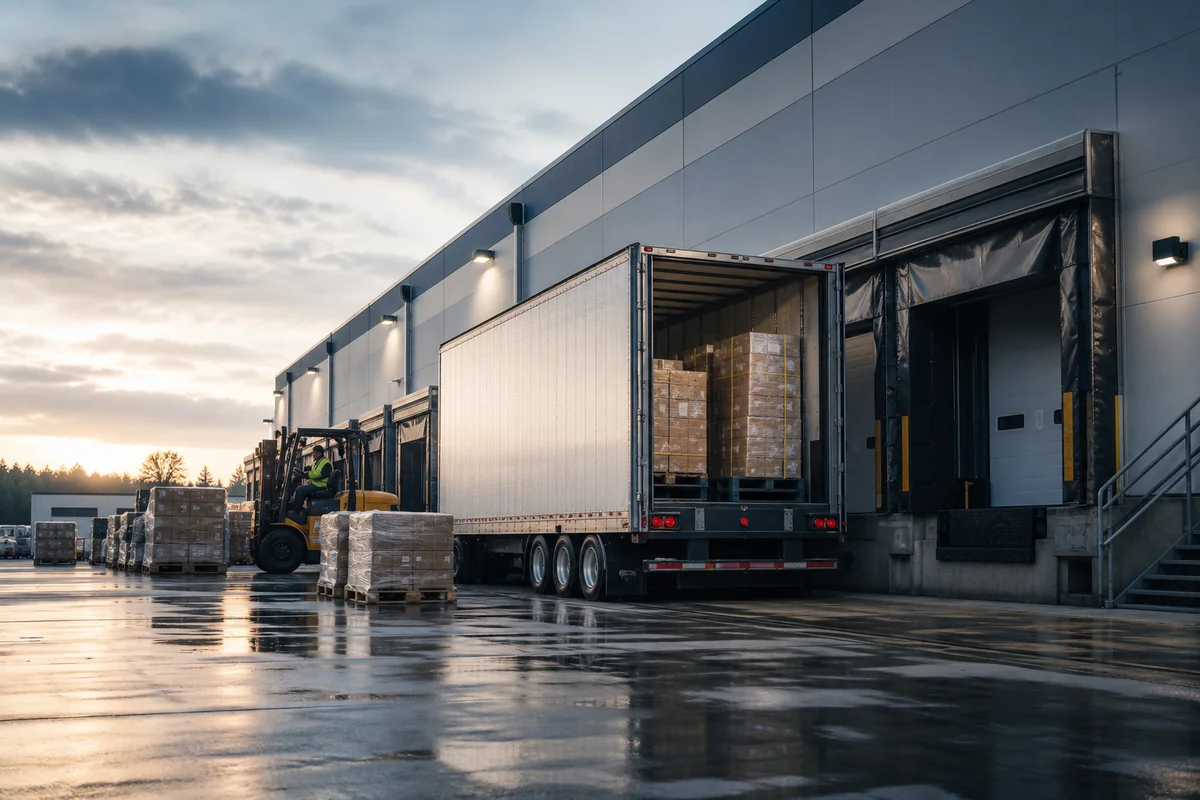
Freight Flex coordinates Full Truckload (FTL) and Less Than Truckload (LTL) freight across the state, Flatbed and Heavy Haul capacity for energy, mining and forest products, Temperature-Controlled capacity for agricultural and food freight, Cross-Border coordination at the northern crossings and Expedited equipment when an operation is waiting on a part. Carrier compliance tools and an agent success team available 24/7 support the move.