What moves through Delaware
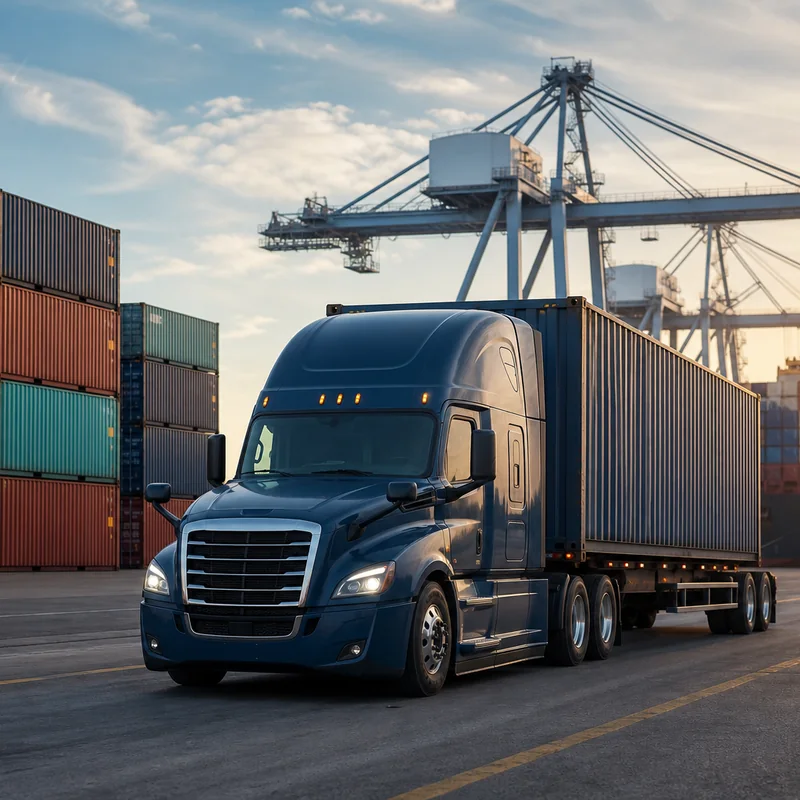
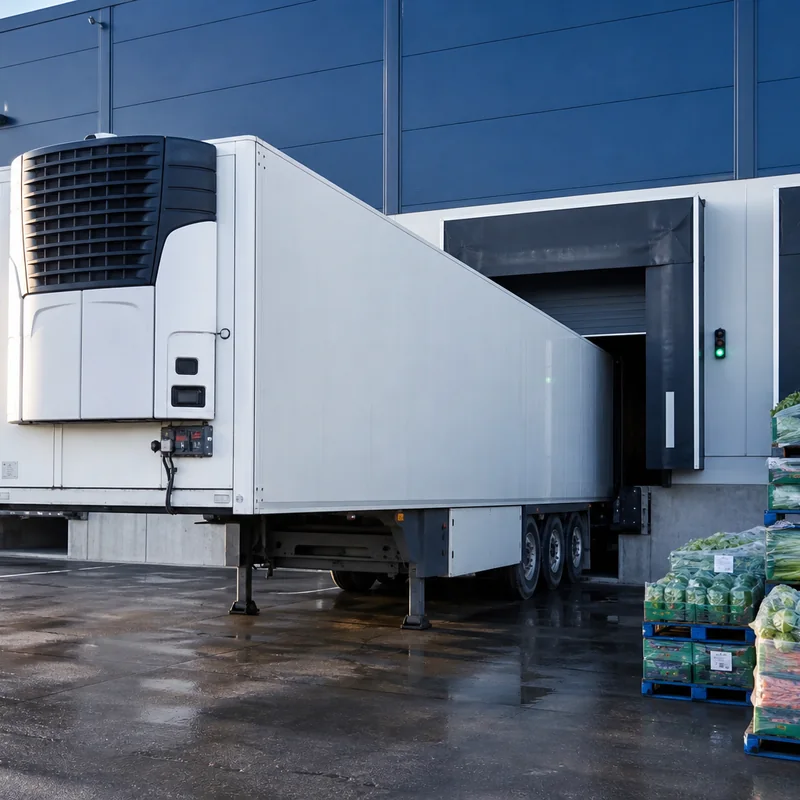
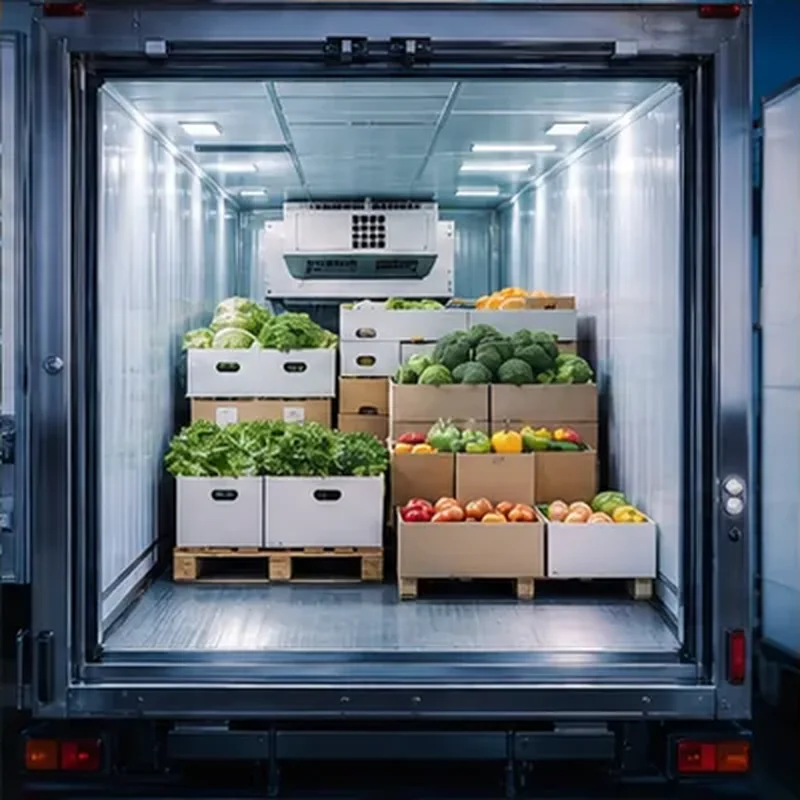
The Port of Wilmington specializes in perishable and specialty cargo, handling fruit, produce and other refrigerated imports alongside vehicles and breakbulk, which gives the state's port freight a distinctly cold chain character. Import distribution feeds the mid-Atlantic and Northeast from there.
Southern Delaware runs a major poultry industry, shipping refrigerated product to distribution networks across the region and beyond, while chemical and pharmaceutical operations along the northern corridor generate high-value freight with precise handling requirements. Distribution serves both the state and the corridor traffic passing through.
The corridors that carry it
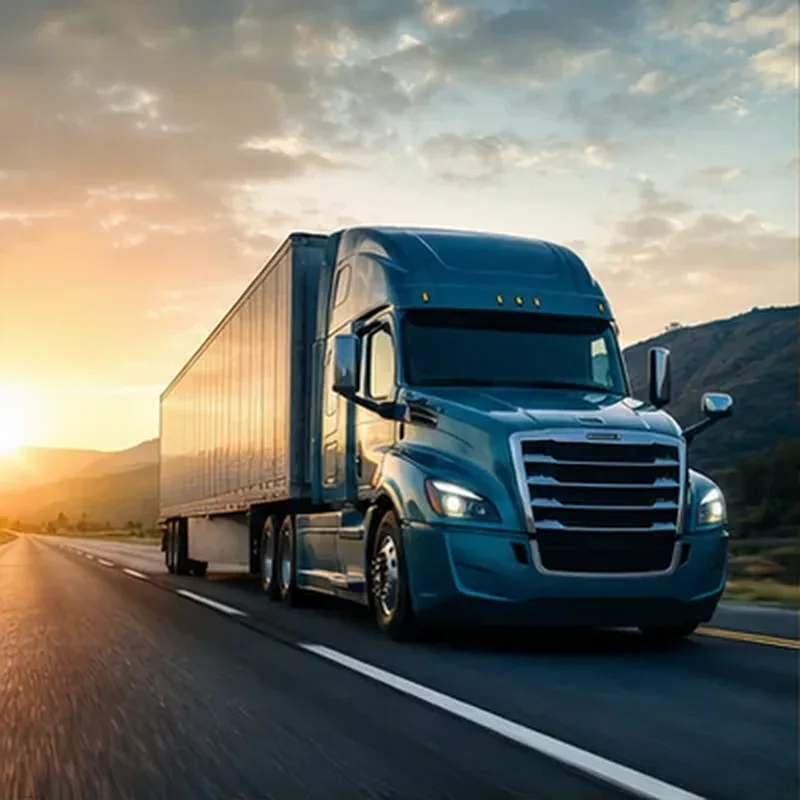
I-95 runs the corridor through northern Delaware between Baltimore and Philadelphia, US-13 and Route 1 carry the north-south traffic down the peninsula toward the beaches and poultry country, and I-495 bypasses Wilmington. The state's compact size means most freight is either corridor traffic or peninsula distribution, with genuinely different characteristics.
Freight Flex in Delaware
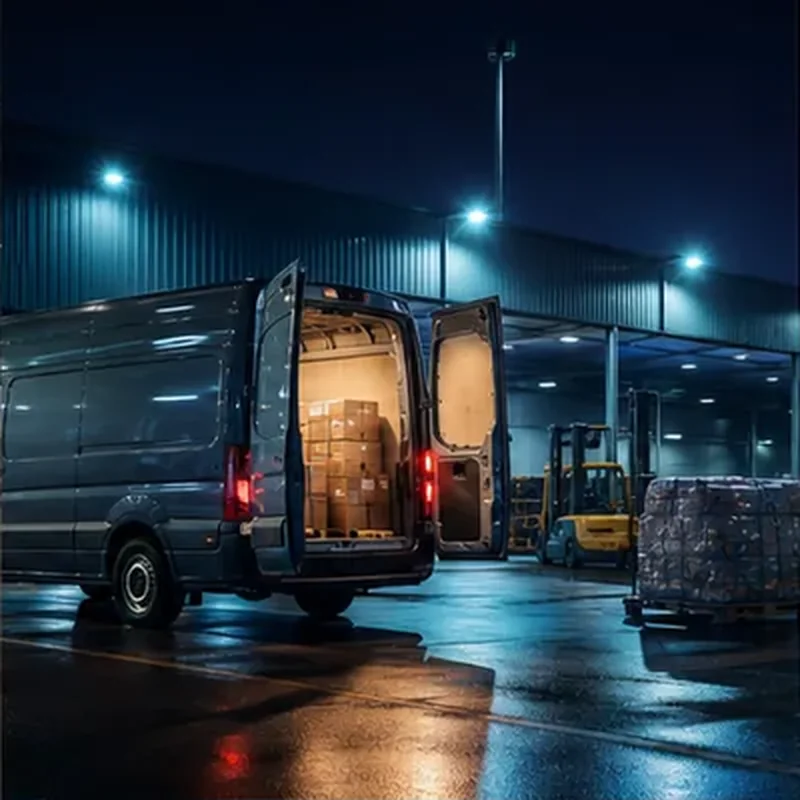
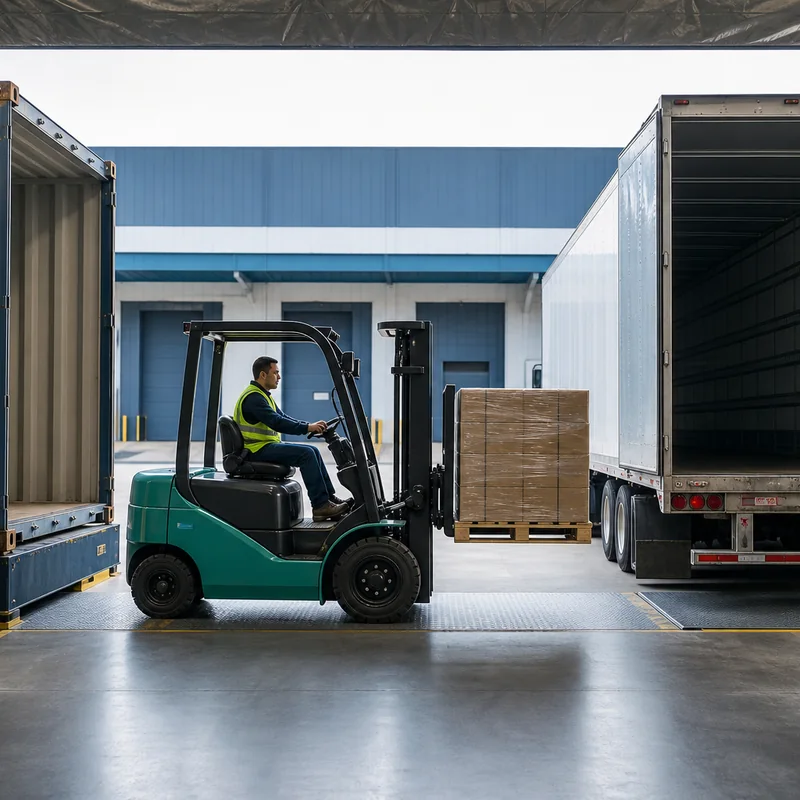
Freight Flex coordinates Drayage at the Wilmington terminals, Temperature-Controlled capacity for perishable imports and poultry, Less Than Truckload (LTL) and Full Truckload (FTL) coverage on the corridor and peninsula, Transloading converting boxes for regional distribution and Expedited equipment for pharmaceutical and time-critical freight. Carrier compliance tools and an agent success team available 24/7 support the move.