Baltimore

Baltimore Freight

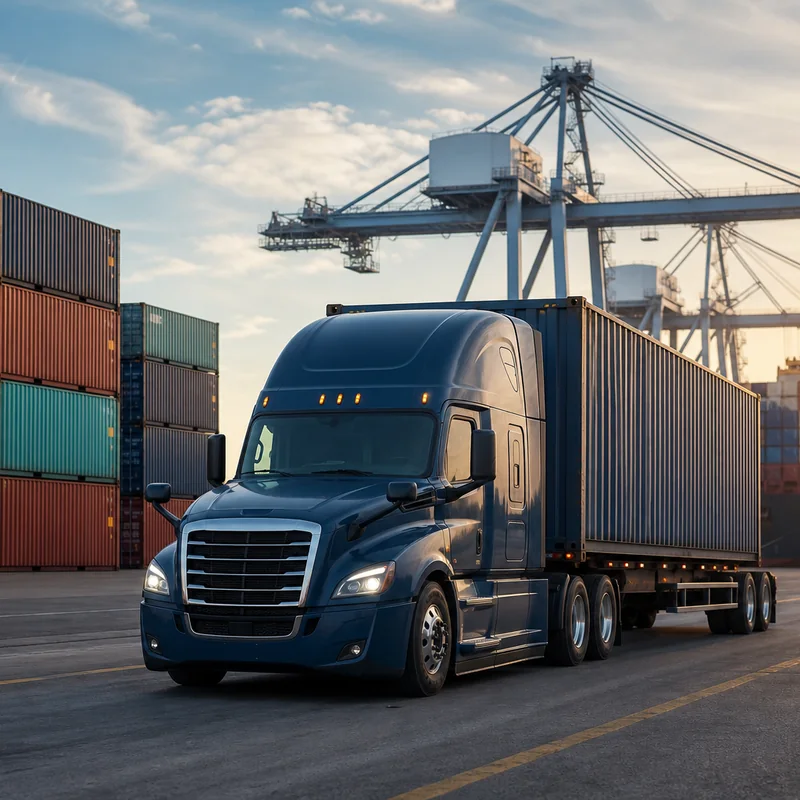
Baltimore handles the freight other ports send elsewhere, meaning vehicles, machinery, breakbulk and oversized cargo alongside its container volume. Freight Flex coordinates Baltimore freight across the terminals and the mid-Atlantic lanes behind them, with vetted carriers on every load.

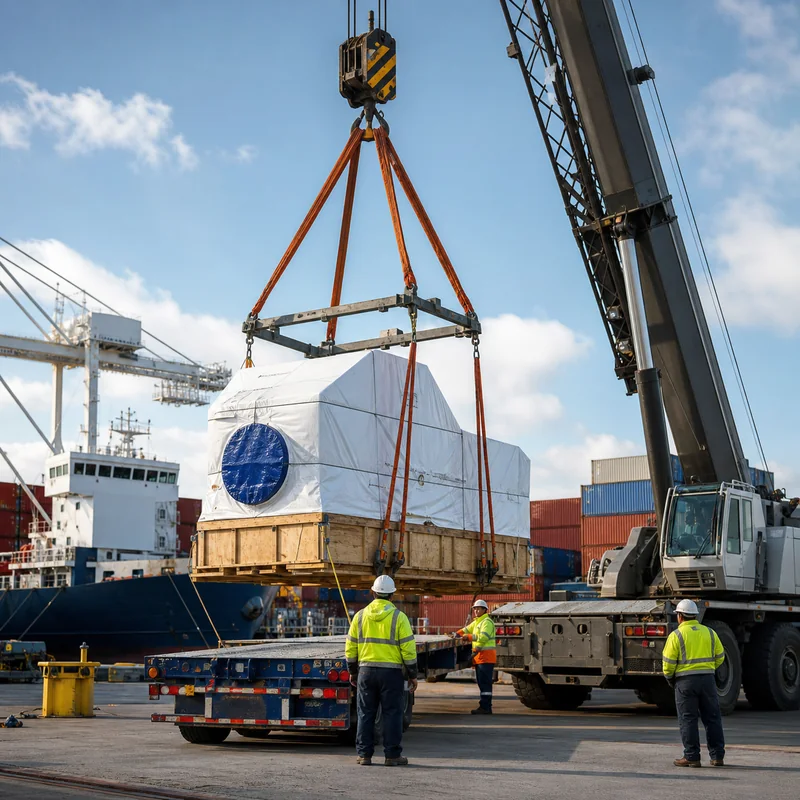
Roll-on roll-off vessels and cargo terminals at the Port of Baltimore
The Baltimore Market

Freight coordination at a specialty cargo gateway. Vehicles, machinery and boxes.

The Port of Baltimore built its reputation on cargo that does not fit in a container, meaning vehicles, construction and farm equipment, and breakbulk pieces, alongside a solid container business. Freight Flex coordinates Baltimore freight across that specialty mix and the mid-Atlantic distribution behind it.

What moves through Baltimore

Baltimore's distinguishing cargo is rolling and oversized. The port is a national leader in roll-on roll-off freight, handling automobiles, trucks, construction machinery and agricultural equipment, and its breakbulk berths take project pieces that never see a container. Containerized cargo runs alongside, serving mid-Atlantic distribution and the population centers within easy reach.

The metro's inland economy adds distribution serving the Baltimore-Washington corridor, healthcare and pharmaceutical freight from a dense regional cluster, food distribution and manufacturing spread across the region. Combined, the market asks freight providers to handle both boxes and beasts.

The corridors that carry it

I-95 runs the coastal spine through the metro between Philadelphia and Washington, I-70 heads west toward the Pennsylvania corridor and the interior, and I-83 and the Beltway handle regional distribution. Baltimore sits inside the mid-Atlantic's dense population belt, which means short delivery lanes and heavy competition for capacity in both directions.

Freight Flex in Baltimore

Freight Flex coordinates Drayage at the Baltimore terminals with interchange at every steamship line, Flatbed, Heavy Haul and Over-Dimensional (OD) capacity for the rolling and breakbulk cargo, Project Cargo coordination for multi-piece programs, Transloading for container conversion and Full Truckload (FTL) and Less Than Truckload (LTL) coverage across the corridor. Carrier compliance tools and an agent success team available 24/7 support the move.
Built for What Rolls and Oversizes

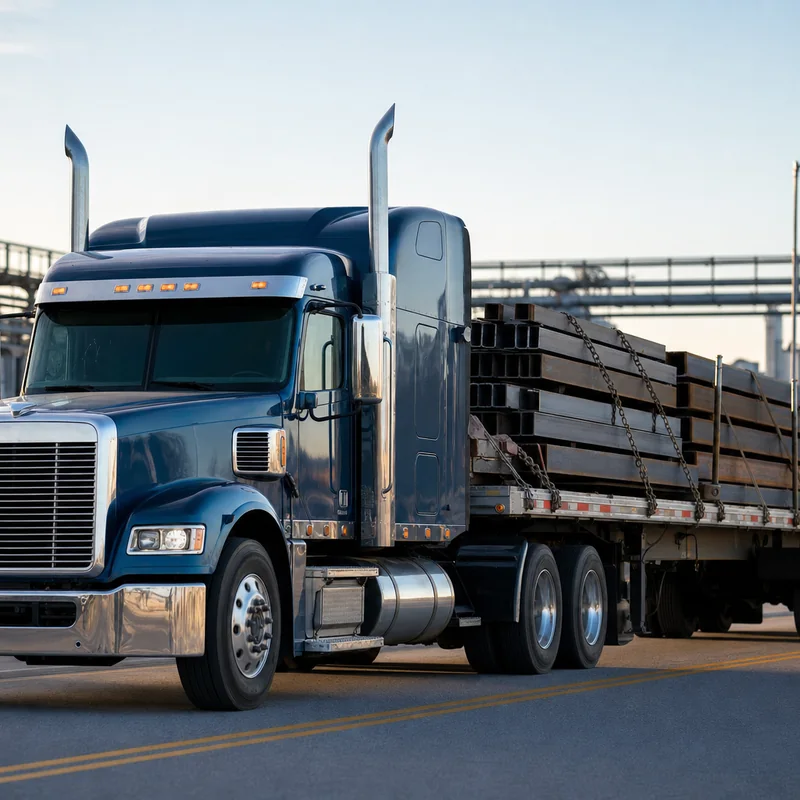
Machinery, vehicles and breakbulk pieces get the right equipment and permits, with heavy haul and over-dimensional planning inside the same relationship as the drayage.

Terminals Covered

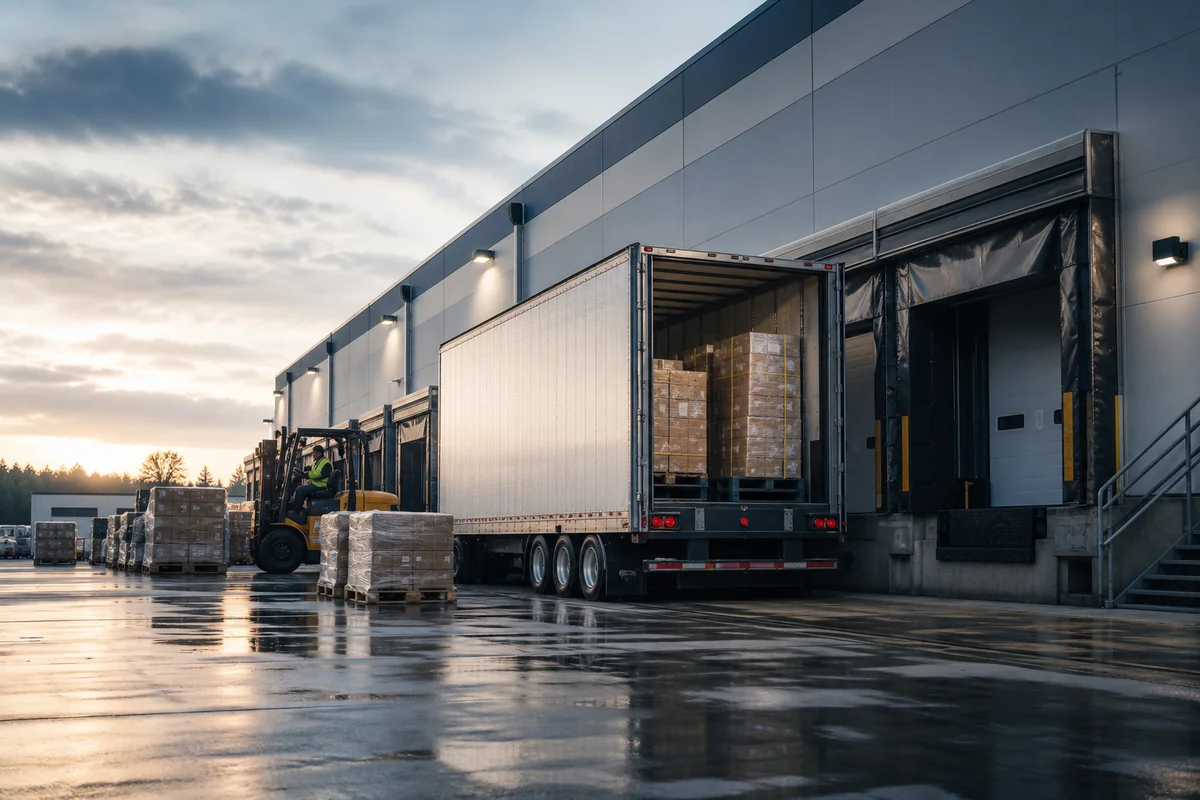
Drayage at the Baltimore terminals with pre-arrival plans and interchange at every steamship line, feeding mid-Atlantic distribution as one sequence.

Compliance on Every Lane

Carrier compliance tools support shipment security, backed by an agent success team available 24/7. Specialty cargo never lowers the bar.

The Freight Flex promise

Whatever lands, we move it. Build With Flex.

For every shipper moving Baltimore freight, Freight Flex commits to planning port moves before the vessel berths, classifying oversized and rolling cargo honestly before it ships and covering the mid-Atlantic corridor with vetted capacity. Permits get pulled against verified routes, breakbulk pieces get the stevedoring and heavy-haul coordination they need, and the port's specialty reputation gets matched by the freight plan behind it.

0+
Shipments Coordinated
#0
Inc. 5000 Fastest-Growing Private Companies
0
States of Nationwide Coverage
0+
Freight Flex Offices
Operating standards

Baltimore freight standards. Vetted. Verified. Visible.

Freight Flex combines carrier compliance tools with an agent success team available 24/7 to help reduce cargo theft, fraud and claims and support shipment visibility. These standards ride on every Baltimore load we arrange.

  • Only work with Highway verified Motor Carriers.
  • 1+ year active authority required.
  • Satisfactory or Unrated FMCSA safety rating required.
  • $1M Auto Liability + $100K Cargo Insurance required.
  • VIN verified on every shipment through Highway Load Lock.
  • Supplemental cargo insurance available up to $2,000,000 per shipment, beyond standard carrier coverage.
Freight services

The services Baltimore freight uses most. Boxes and beyond.

Baltimore freight spans containers and specialty cargo. Drayage and transloading work the container side, flatbed, heavy haul and over-dimensional planning move the rolling and breakbulk freight, project cargo coordinates the multi-piece programs and truckload and LTL carry the corridor distribution.

See All Services
Industries

The industries that run on Baltimore freight. The mid-Atlantic economy.

Baltimore freight serves the gateway's specialties and the region's needs, meaning automotive and equipment imports and exports, building materials and construction machinery, manufacturing across the region, healthcare distribution in a dense corridor, retail and ecommerce serving the population belt and energy project freight moving through the breakbulk berths.

See All Industries
Planning Baltimore Freight

How shippers plan Baltimore freight. Specialty handled properly.

Baltimore planning asks two different questions than most gateways, meaning how oversized and rolling cargo gets classified and equipped, and how container freight uses a market wedged between two larger neighbors.

Rolling stock, breakbulk and oversized cargo.

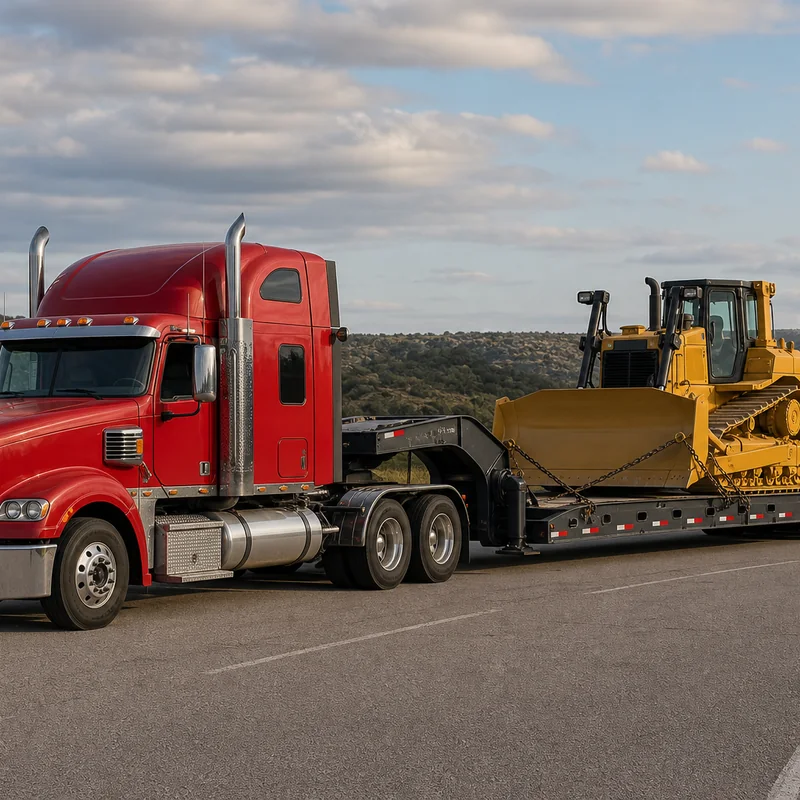
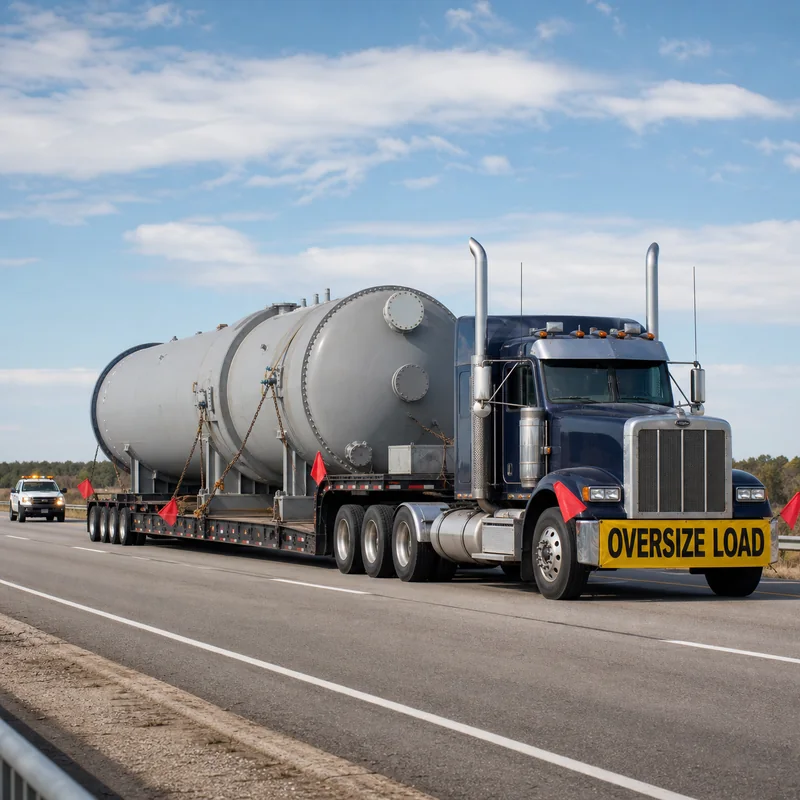
Freight that arrives on wheels or on a breakbulk berth needs its inland plan built on measurements, not assumptions. Construction and agricultural machinery often exceeds legal dimensions once loaded, which puts it in Over-Dimensional (OD) territory with permits and specialized trailers, or Heavy Haul planning with escorts and engineered routes when weight and size climb further. Standard equipment rides Flatbed with securement matched to the commodity.

Multi-piece programs landing over several vessels run through Project Cargo coordination, sequencing pieces against the receiving site's schedule. Send exact loaded dimensions and weights early and each piece gets classified into its true category, which is the difference between a permitted move and a roadside problem.

Container freight in a competitive corridor.

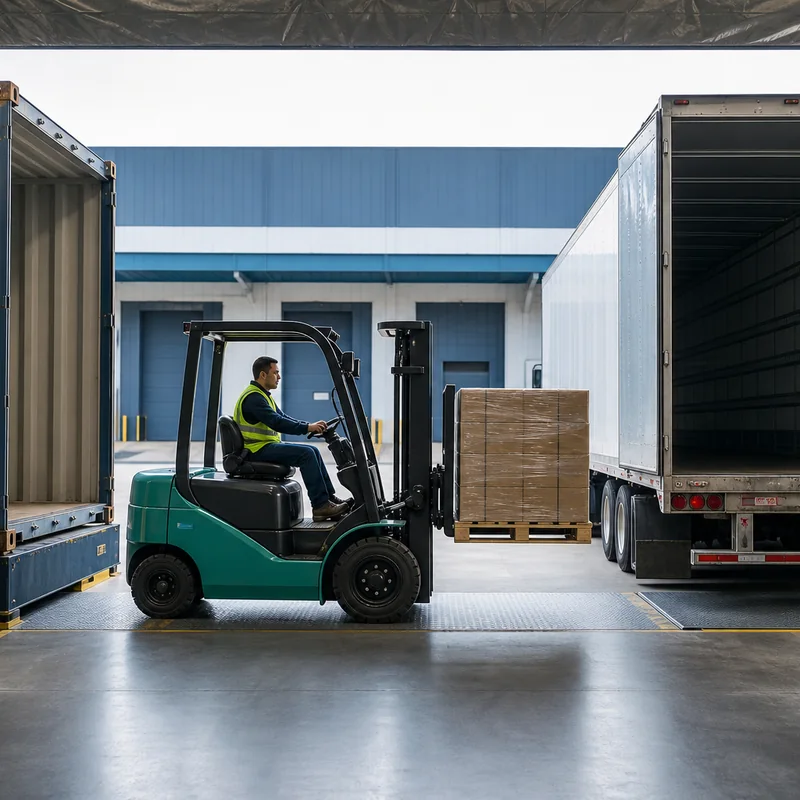
Baltimore's container business competes for the same mid-Atlantic freight as Philadelphia, NY-NJ and Norfolk, which is good news for shippers who compare. Drayage planned before the vessel berths keeps the box moving, and Transloading converts cargo to palletized regional distribution when the freight splits across the corridor's dense receiver base.

Inland, the population belt means short, competitive lanes with real congestion, so Full Truckload (FTL) and Less Than Truckload (LTL) deliveries get receiving windows and site constraints confirmed at booking, with density-based LTL pricing rewarding accurate dimensions. In a corridor where four gateways serve the same customers, the shipper who prices the options routinely rather than by habit keeps finding money nobody else is looking for.

Reviews

What It’s Like to Build With Flex

Leave a Review
Pricing

Ready to Get Started?

Tell us the cargo, exact dimensions and weight, the terminal or lane details and the delivery site conditions. From one container to a breakbulk equipment program, we will quote it across the services that fit.

Baltimore shipment details

Get a Baltimore Freight Quote

Submission received

Your quote request is in.

Thank you. A Freight Flex team member will review your shipment details and follow up shortly.

Build With Flex.