Oklahoma

Oklahoma Freight

Oklahoma sits where the energy economy meets two major interstates, shipping oilfield equipment, agricultural product and manufactured goods in every direction. Freight Flex coordinates Oklahoma freight across the basins and the corridors, with vetted carriers on every lane.

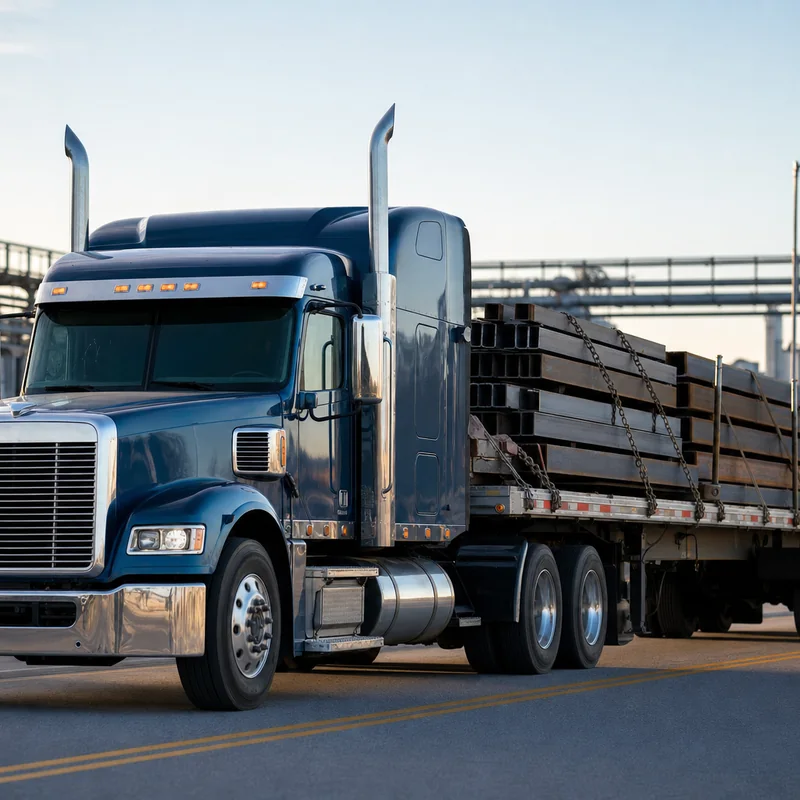
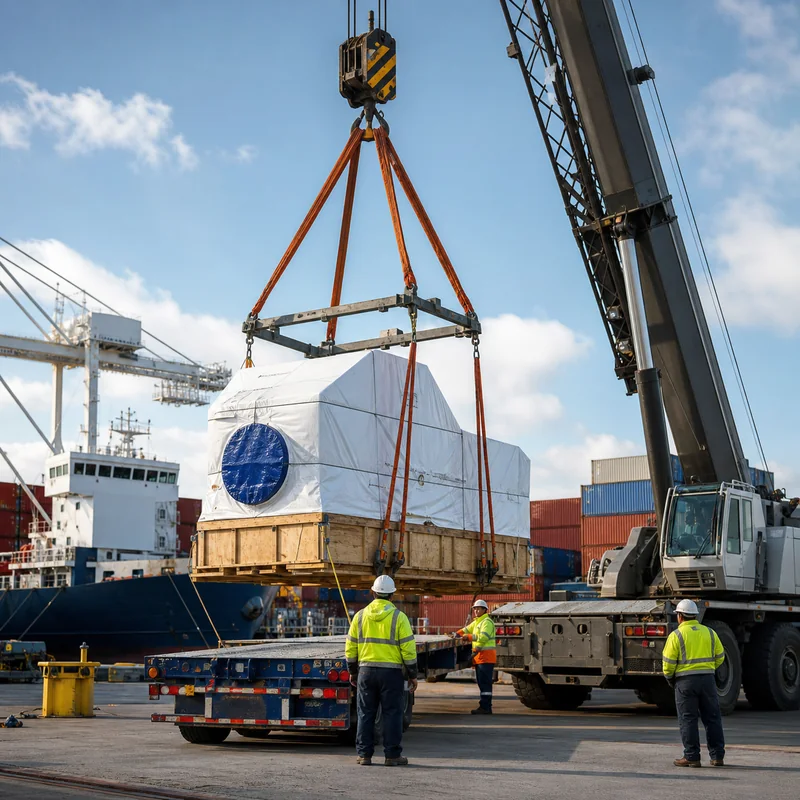
Flatbed freight and energy equipment moving along an Oklahoma highway
The Oklahoma Market

Freight coordination across the energy crossroads. Basins, plains and interstates.

Oklahoma combines active energy basins, a substantial agricultural economy and the interstate geometry that carries freight between Texas and the Midwest. Freight Flex coordinates Oklahoma freight across all three, from oilfield equipment to grain to distribution.

What moves through Oklahoma

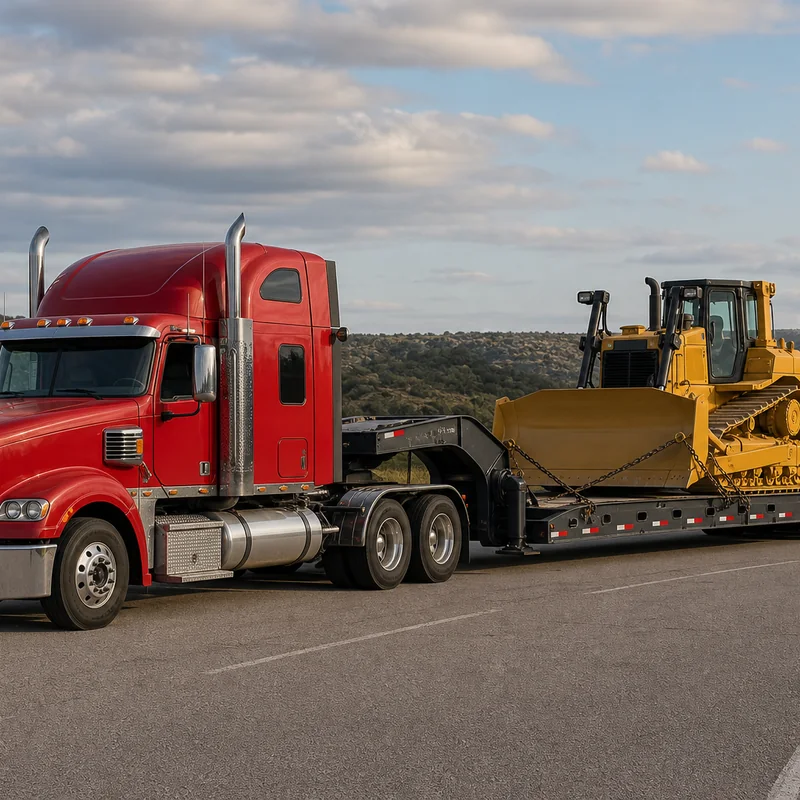
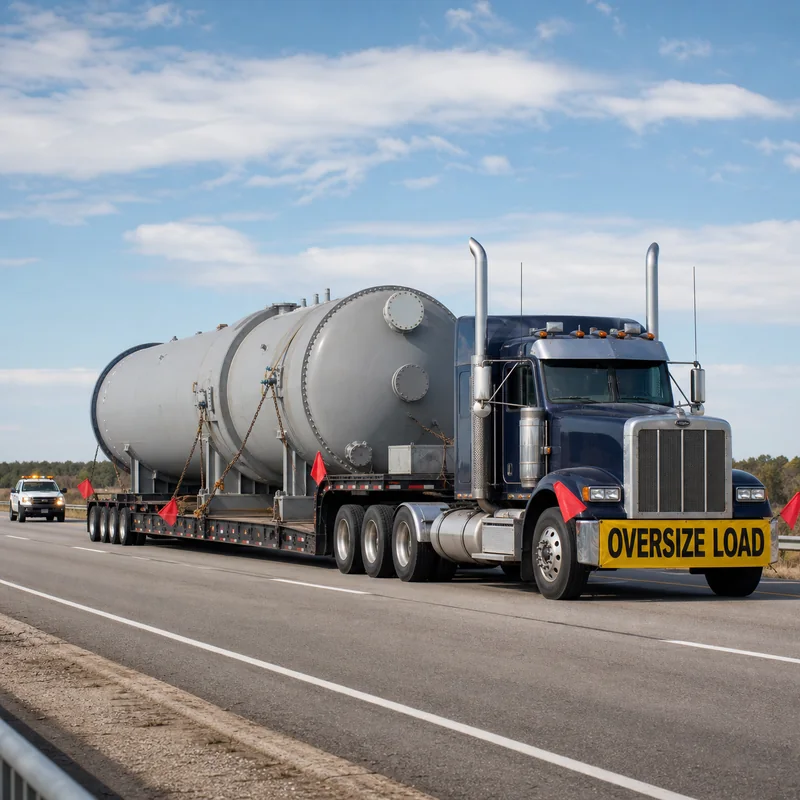
Energy defines the state's specialty freight. Operations across the Anadarko basin and the surrounding plays move drilling equipment, pipe, tanks, skids and materials on open decks, with urgent parts runs to remote sites a routine demand. Wind energy has added its own dimension, with tower sections, nacelles and blades moving as oversized freight requiring permits and route engineering.

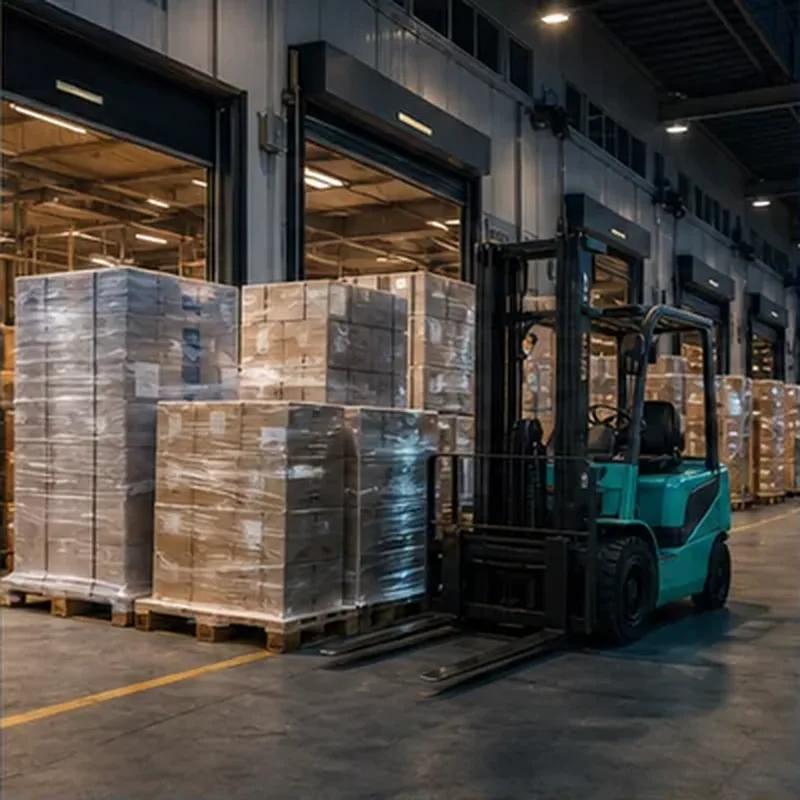
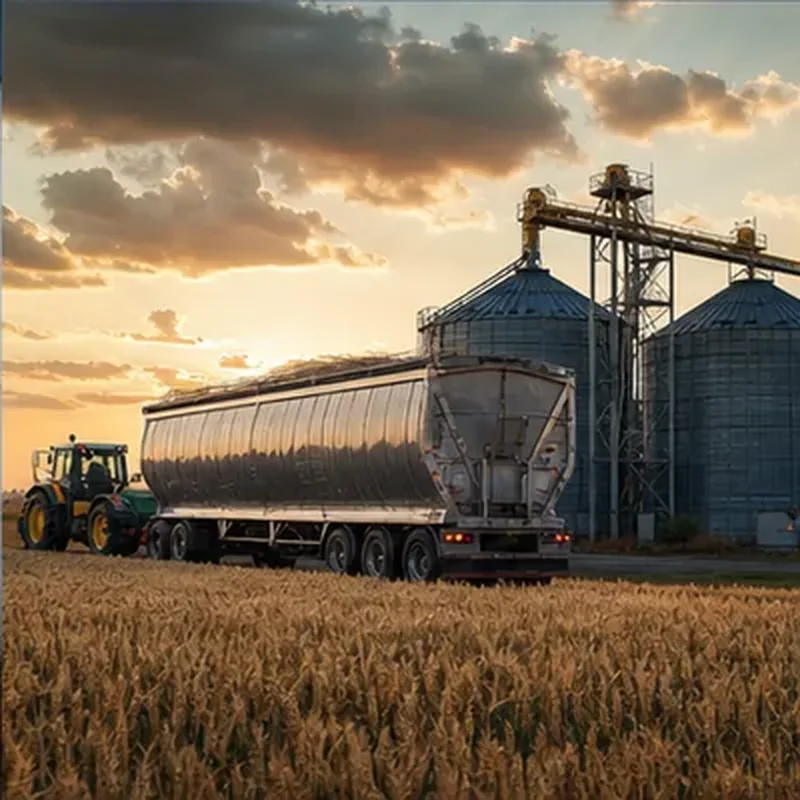
Agriculture runs statewide, with wheat, cattle and processed food moving through the market, and manufacturing spreads across Oklahoma City and Tulsa including aerospace, machinery and food processing. Distribution serves a population spread across a wide area, with the state's central position making it a natural relay point.

The corridors that carry it

I-35 runs north-south from Texas through Oklahoma City to Kansas, I-40 crosses east-west from Arkansas to the Texas panhandle, and I-44 connects Tulsa to Missouri. That geometry makes the state a genuine crossroads for freight moving between the Gulf, the Midwest and the Southwest, and it means through-traffic and local freight compete for the same capacity.

Freight Flex in Oklahoma

Freight Flex coordinates Flatbed, Heavy Haul and Over-Dimensional (OD) capacity for energy and wind freight, Project Cargo coordination for multi-piece installations, Full Truckload (FTL) and Less Than Truckload (LTL) coverage statewide, Expedited equipment for basin parts runs and Temperature-Controlled capacity for the food economy. Carrier compliance tools and an agent success team available 24/7 support the move.
Built for Basin Freight

Pipe, tanks and equipment to sites where the last mile is dirt, with site conditions flagged at booking and oversized pieces permitted before dispatch.

Wind and Oversize Ready

Tower sections and oversized components move with permits pulled against verified routes and escorts arranged where jurisdictions require them.

Compliance on Every Lane

Carrier compliance tools support shipment security, backed by an agent success team available 24/7. Remote lanes never lower the bar.

The Freight Flex promise

Your Oklahoma freight reaches the site. Build With Flex.

For every shipper moving Oklahoma freight, Freight Flex commits to engineering oversized moves before they roll, sending carriers prepared for the sites the energy economy actually uses and covering the state's long lanes with vetted capacity. Down-unit parts get moving in hours, harvest surges get planned early and one team stays accountable across all of it.

0+
Shipments Coordinated
#0
Inc. 5000 Fastest-Growing Private Companies
0
States of Nationwide Coverage
0+
Freight Flex Offices
Operating standards

Oklahoma freight standards. Vetted. Verified. Visible.

Freight Flex combines carrier compliance tools with an agent success team available 24/7 to help reduce cargo theft, fraud and claims and support shipment visibility. These standards ride on every Oklahoma load we arrange.

  • Only work with Highway verified Motor Carriers.
  • 1+ year active authority required.
  • Satisfactory or Unrated FMCSA safety rating required.
  • $1M Auto Liability + $100K Cargo Insurance required.
  • VIN verified on every shipment through Highway Load Lock.
  • Supplemental cargo insurance available up to $2,000,000 per shipment, beyond standard carrier coverage.
Freight services

The services Oklahoma freight uses most. Energy and everything else.

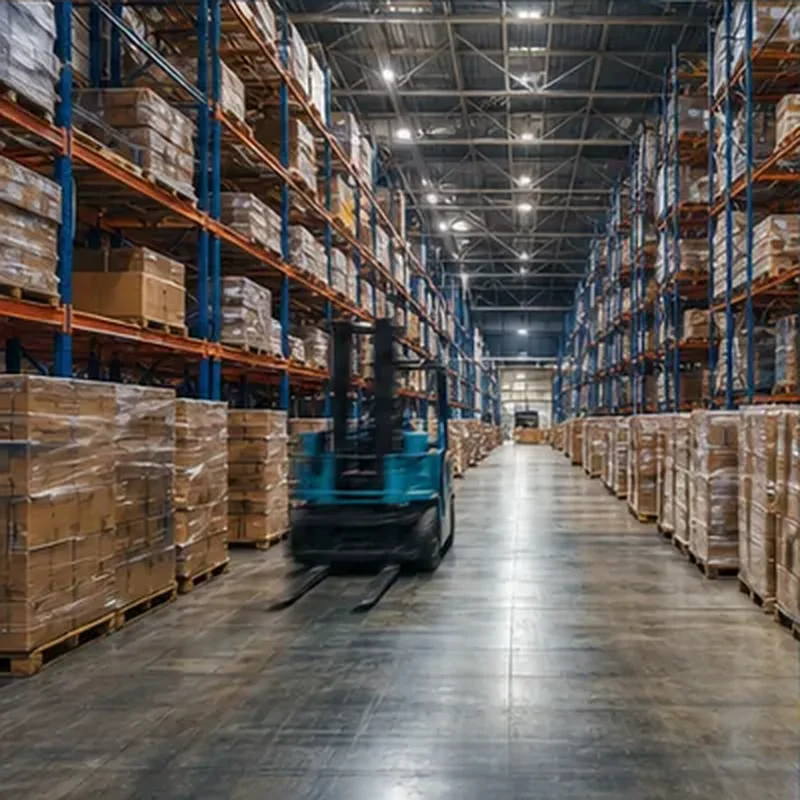
Oklahoma freight leans open deck. Flatbed, heavy haul and over-dimensional planning move the energy and wind freight, project cargo coordinates the installations, truckload and LTL carry the distribution volume and expedited answers the basin's urgent parts calls.

See All Services
Industries

The industries that run on Oklahoma freight. The state's economy.

Oklahoma freight serves the state's anchor sectors, meaning energy operations across the basins and wind corridors, agriculture from the plains, manufacturing including aerospace and machinery, building materials for regional construction, food and beverage processing and retail distribution for a spread-out population.

See All Industries
Planning Oklahoma Freight

How shippers plan Oklahoma freight. Sites and seasons.

Oklahoma planning is dominated by the energy economy's demands, meaning oversized freight that needs permits and remote deliveries that need honest site information, with the agricultural calendar running underneath.

Energy freight, wind components and permits.

Basin freight tests plans in ways metro freight never does. Flatbed loads of pipe, skids and materials head to sites with dirt access and soft ground, and oversized pieces need Heavy Haul or Over-Dimensional (OD) treatment with permits pulled against verified routes. Wind components are the state's most demanding freight, with tower sections and blades requiring specialized trailers, escorts and route engineering, often planned weeks ahead because permits are route-specific and date-specific.

Flag the site honestly at booking, meaning the surface, the offload method, the gate and the contact, and the driver arrives prepared rather than stuck. Multi-piece installations run through Project Cargo coordination sequenced against the construction schedule.

Crossroads lanes, harvest and weather.

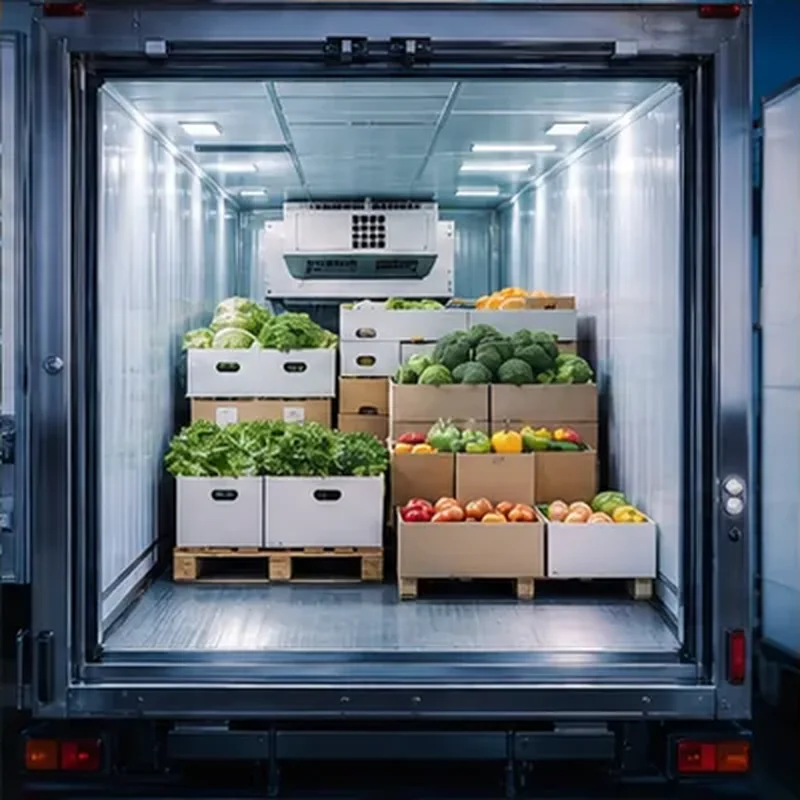
Oklahoma's interstate position means both through-traffic and local freight compete for capacity, and standing Full Truckload (FTL) programs on the I-35 and I-40 lanes buy better coverage than spot-shopped freight. Less Than Truckload (LTL) priced on density serves the smaller receivers spread across a wide state, and Temperature-Controlled capacity carries the food and protein economy.

Weather is the planning constant, meaning severe storms in spring, ice events in winter and the heat that affects freight nobody thought was temperature-sensitive. Standing programs carry seasonal buffers and time-critical loads keep an Expedited recovery priced in advance, which in a state where the next market is often several hours away is worth having before you need it.

Reviews

What It’s Like to Build With Flex

Leave a Review
Pricing

Ready to Get Started?

Tell us the lane, commodity, exact dimensions and weight, and what the delivery site looks like. From one flatbed load to a wind or energy installation program, we will quote it engineered.

Oklahoma shipment details

Get an Oklahoma Freight Quote

Submission received

Your quote request is in.

Thank you. A Freight Flex team member will review your shipment details and follow up shortly.

Build With Flex.